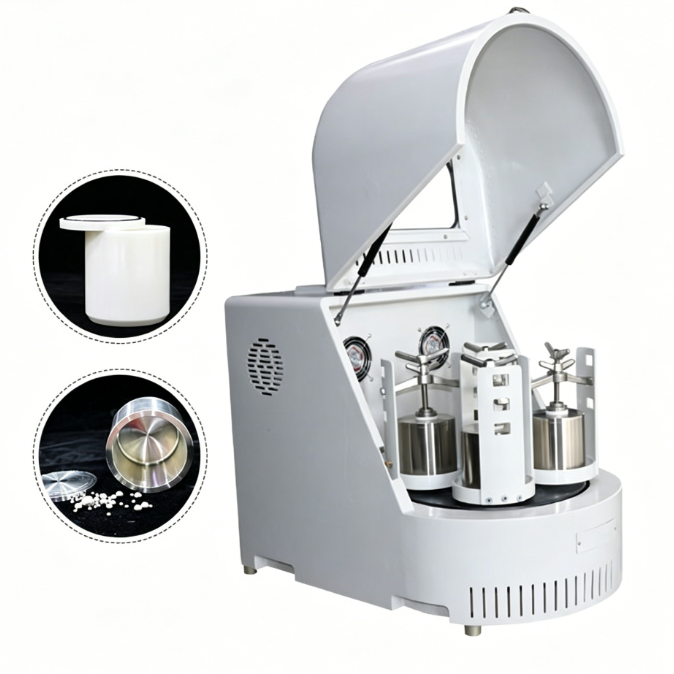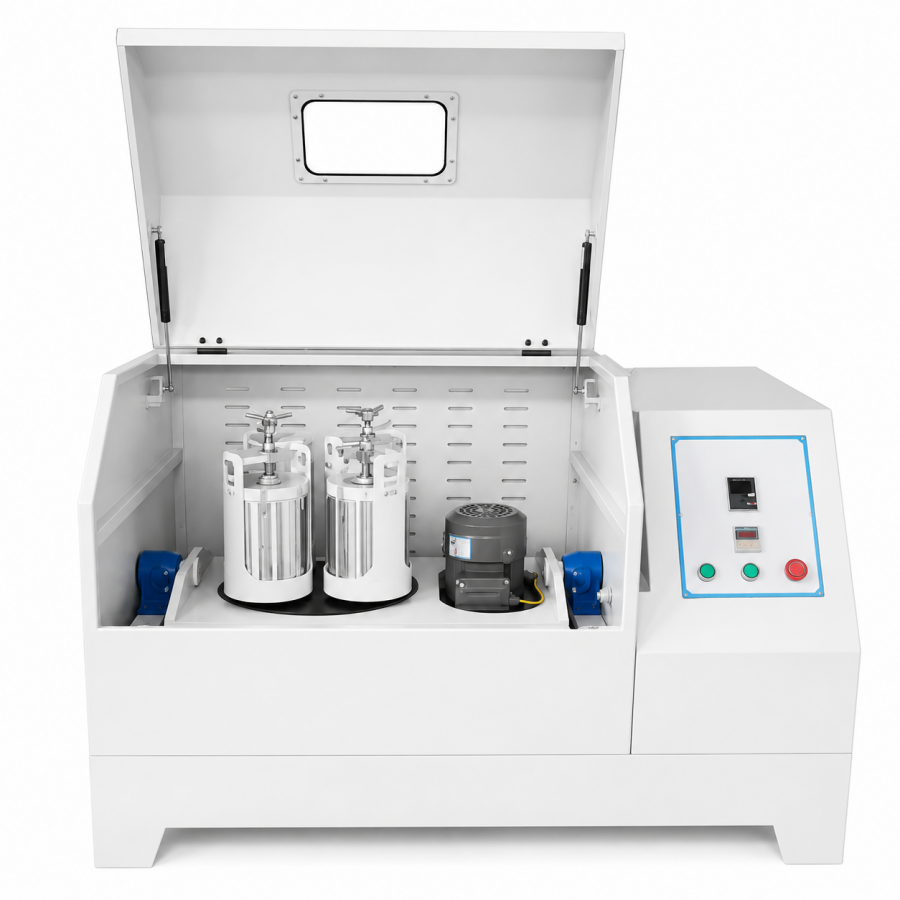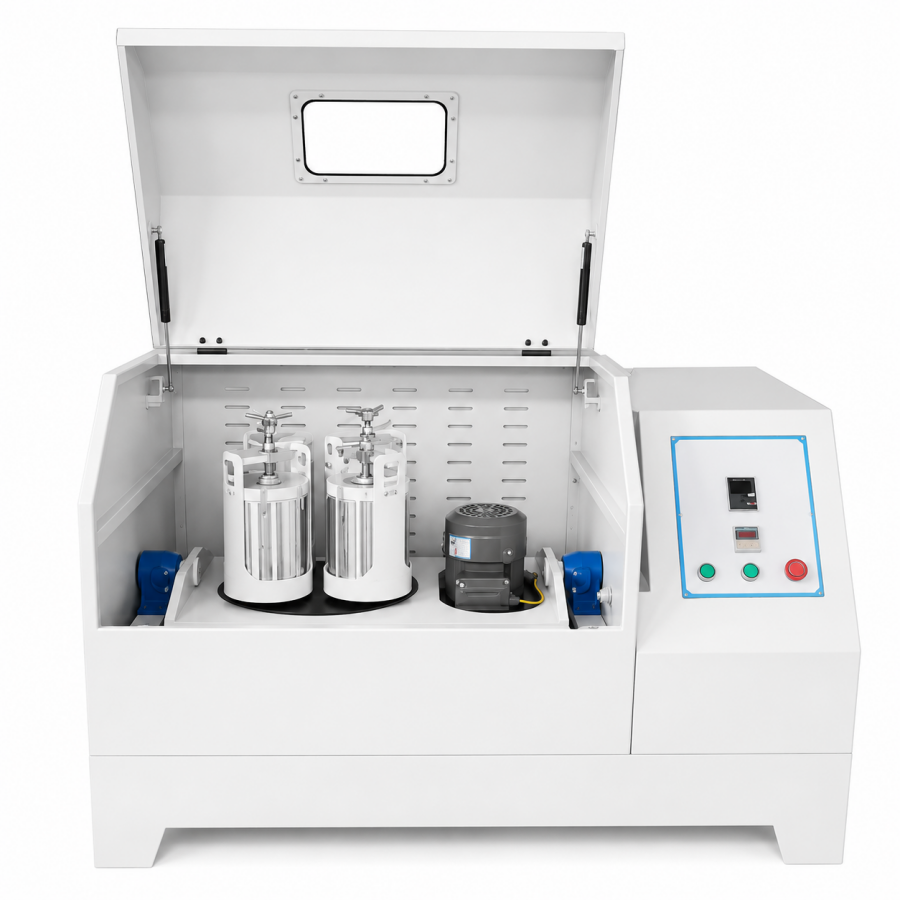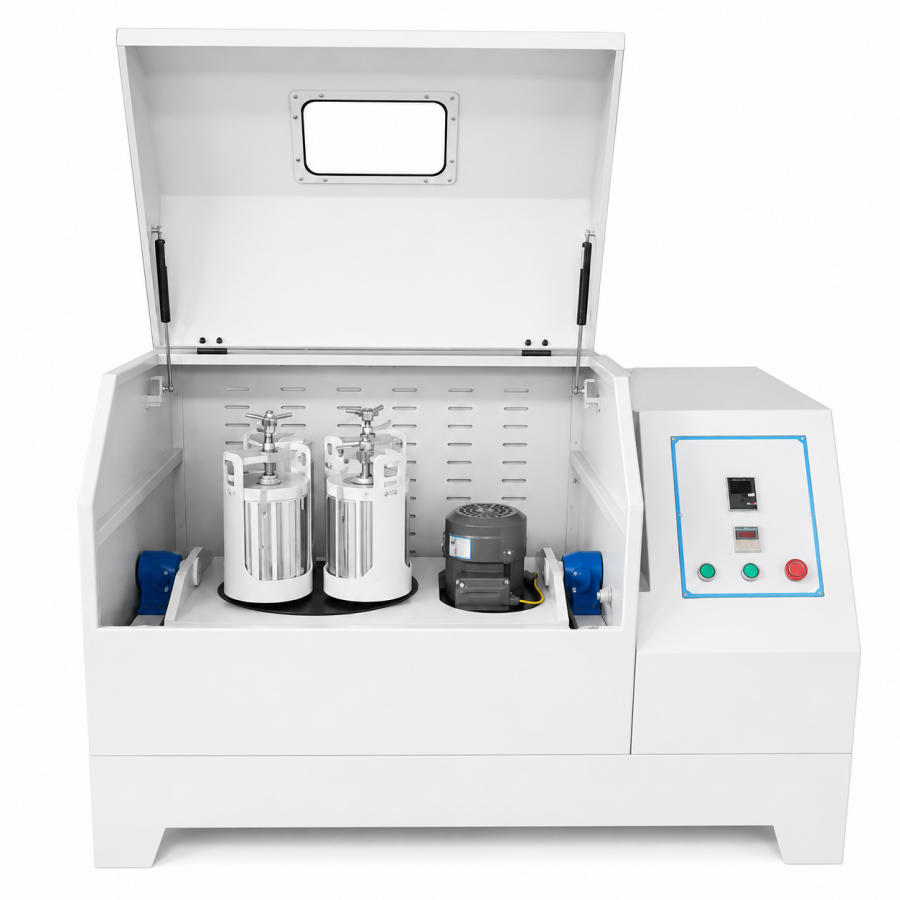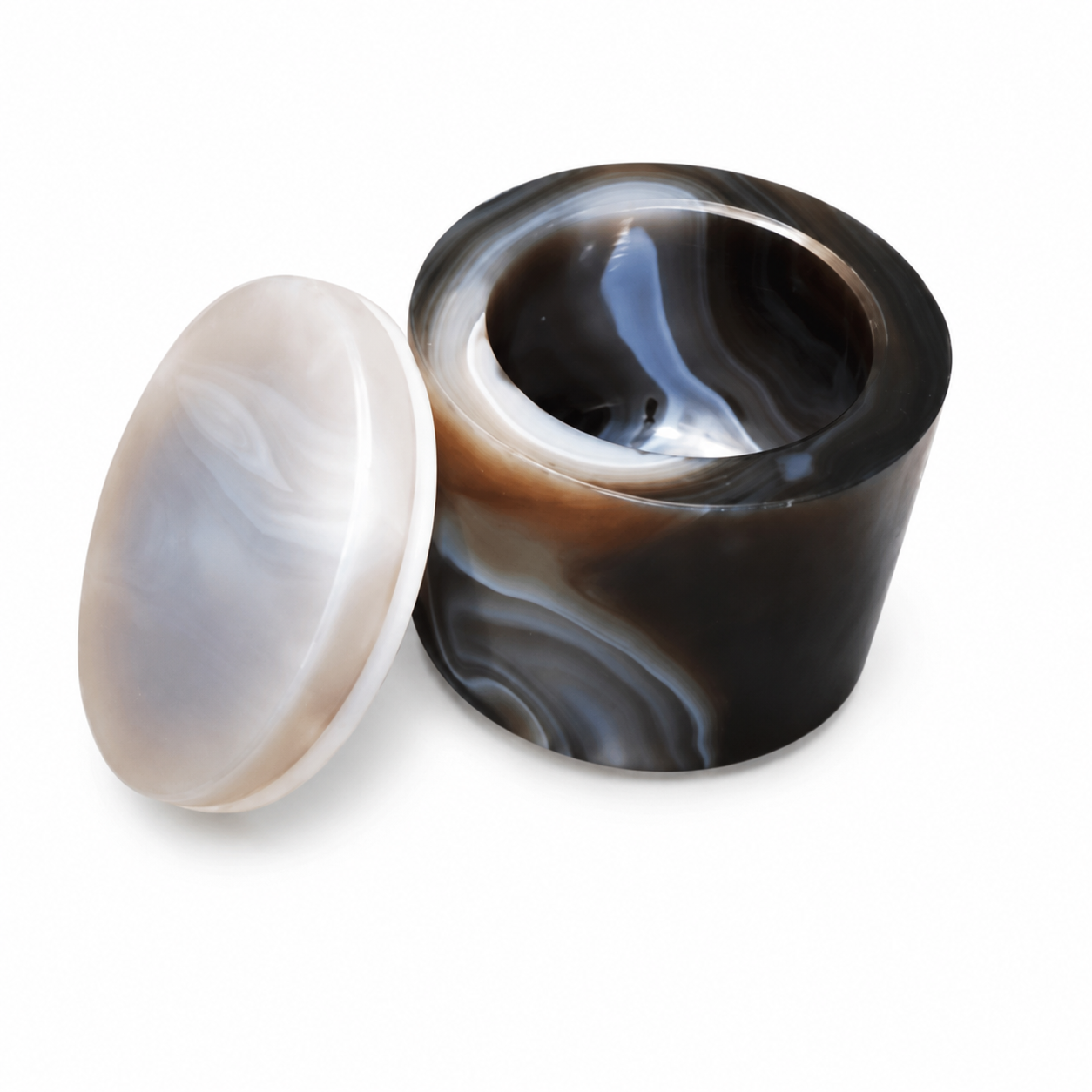
AGATE PLANETARY BALL MILL JAR NATURAL SiO₂ 50ML-2L ZERO METAL ANALYSISRESEARCH GRADE MATERIAL
|
|||||||||||||||||||||||||||||||||||||||||||||||||||||||||||||||||||||||||||||||||||||
|
|||||||||||||||||||||||||||||||||||||||||||||||||||||||||||||||||||||||||||||||||||||
|
TAILORED SOLUTIONS FOR RESEARCH
Contact our engineering team for technical support or official quotations.
EMAIL: inquiry@atomfair.com
|
|||||||||||||||||||||||||||||||||||||||||||||||||||||||||||||||||||||||||||||||||||||
|
Manufacturer: Atomfair LLC
Brand: ATOMFAIR®
|
This document outlines the critical handling constraints for the natural agate planetary ball mill jar. Adherence to these constraints ensures safe operation and prevents jar damage or sample contamination.
- Hydrofluoric Acid Prohibition: Hydrofluoric acid is strictly prohibited as it corrodes the SiO₂ matrix of the natural agate jar.
- Hardness Limitation: Grinding materials with Mohs hardness exceeding 7 will cause excessive jar wear and must be avoided.
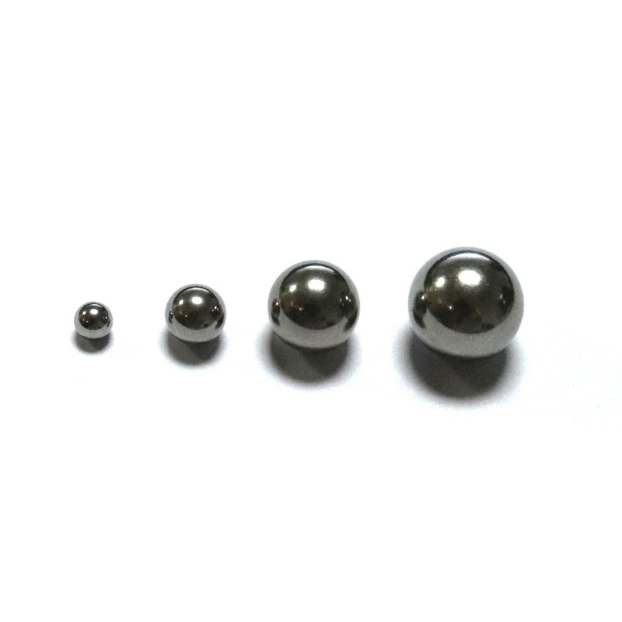
- Grinding Ball Compatibility: Use only agate grinding balls to prevent jar wall damage from harder materials such as WC-Co, zirconia, or alumina.
- Thermal Shock Avoidance: Avoid rapid thermal shock by allowing the jar to cool naturally; direct water cooling after high-temperature grinding may cause stress cracking.
- Clamp Dimension Verification: Verify clamp dimensions for non-standard jar sizes to ensure compatibility with mainstream planetary ball mills before ordering.
What specific metal contaminants are eliminated by using natural agate jars, and how does this affect trace element analysis accuracy?
Natural agate jars guarantee zero release of iron (Fe), chromium (Cr), nickel (Ni), zirconium (Zr), and aluminum (Al) throughout the grinding process. Wear releases only trace silicon (Si), which is inherently present in most mineral and powder samples, ensuring that trace element detection accuracy for techniques like XRF, ICP, and atomic absorption spectroscopy is never compromised. This makes the jar the national standard-designated grinding container for geological, environmental, and food testing sample preparation.
Can the agate jar be used with high-hardness grinding balls such as zirconia or tungsten carbide?
No, high-hardness grinding balls like WC-Co, zirconia, or alumina exceed the jar's Mohs 7 hardness and will cause excessive jar wall damage. The manufacturer explicitly advises against pairing such balls with the agate jar and recommends using agate grinding balls for homogeneous material matching to prevent interior surface degradation and maintain chemical purity.
What precautions are necessary to prevent thermal shock damage to the agate jar during grinding?
Rapid thermal shock must be avoided: direct water cooling after high-temperature grinding can cause stress cracking in the natural agate. The manufacturer recommends allowing the jar to cool gradually rather than applying sudden temperature changes. Additionally, hydrofluoric acid (HF) is strictly prohibited as it corrodes the SiO₂ matrix, and materials with Mohs hardness greater than 7 should not be ground to prevent excessive wear.
The Atomfair Agate Planetary Ball Mill Jar, carved from single-block natural SiO₂ (Mohs 7), delivers absolute zero metal contamination for trace element analysis, but requires strict operational controls including prohibition of HF, avoidance of materials harder than Mohs 7, and thermal shock prevention to maintain structural integrity.
Positive
- Zero metal contamination for trace analysis: One-piece natural agate construction releases no Fe, Cr, Ni, Zr, or Al during grinding, ensuring trace element detection accuracy in XRF, ICP, and atomic absorption spectroscopy sample preparation.
- Chemical inertness and wear resistance: Mohs 7 hardness and dense high-gloss texture resist wear from high-speed planetary grinding, and the material is compatible with most acids and alkalis (HF prohibited), enabling long-term use without corrosion or contamination.
Trade-offs
- HF and hard material incompatibility: Hydrofluoric acid corrodes the SiO₂ matrix, and materials with Mohs hardness >7 (e.g., corundum, silicon carbide) or high-hardness grinding balls (WC-Co, zirconia, alumina) cause excessive jar wear or wall damage.
- Thermal shock cracking risk: Rapid thermal shock from direct water cooling after high-temperature grinding may induce stress cracking in the natural agate, requiring controlled cooling procedures.
Every advanced material, component, equipment, and instrument in our catalog is backed by rigorous testing. We maintain strict internal quality management frameworks and align with CE conformity metrics to deliver transparent, reproducible performance data via our public open-science repository.
To request raw batch performance data, submit formal vendor registration paperwork, or execute a fast-turnaround R&D manufacturing loop, contact us at inquiry@atomfair.com.
Item is dispatched under the Atomfair Shipping & Delivery Framework (Free worldwide shipping on orders over $59 USD excl. heavy equipment). Return is governed by the Atomfair Return & Refund Policy (7-day technical return window).