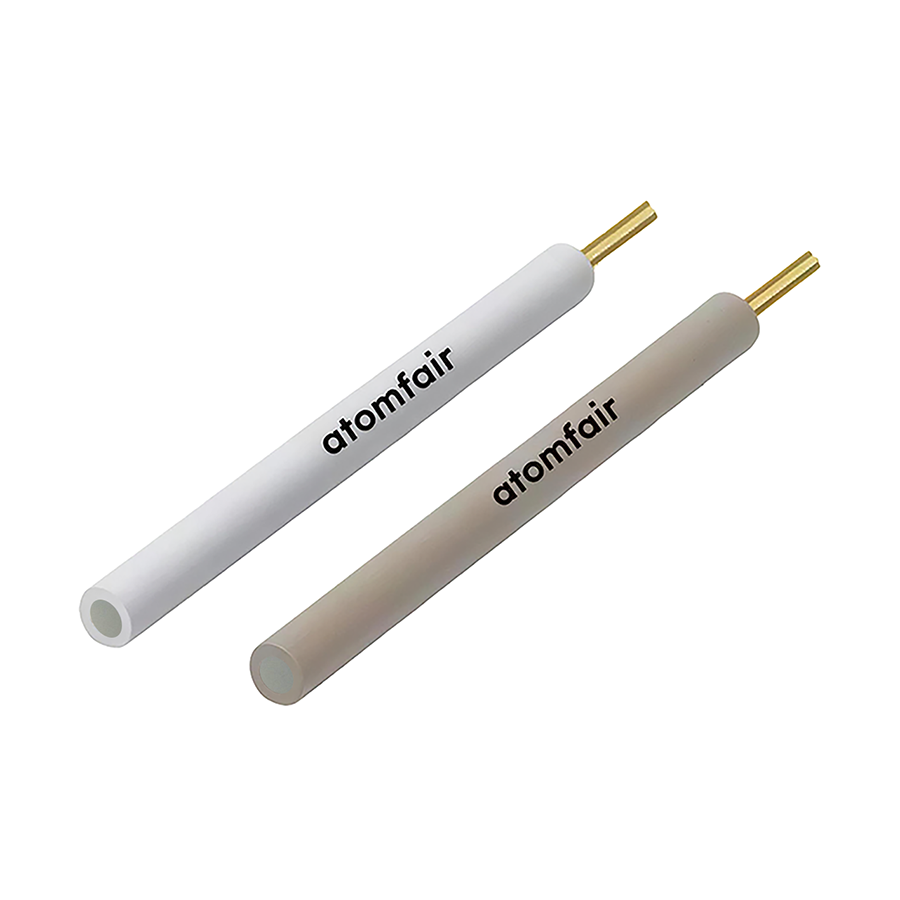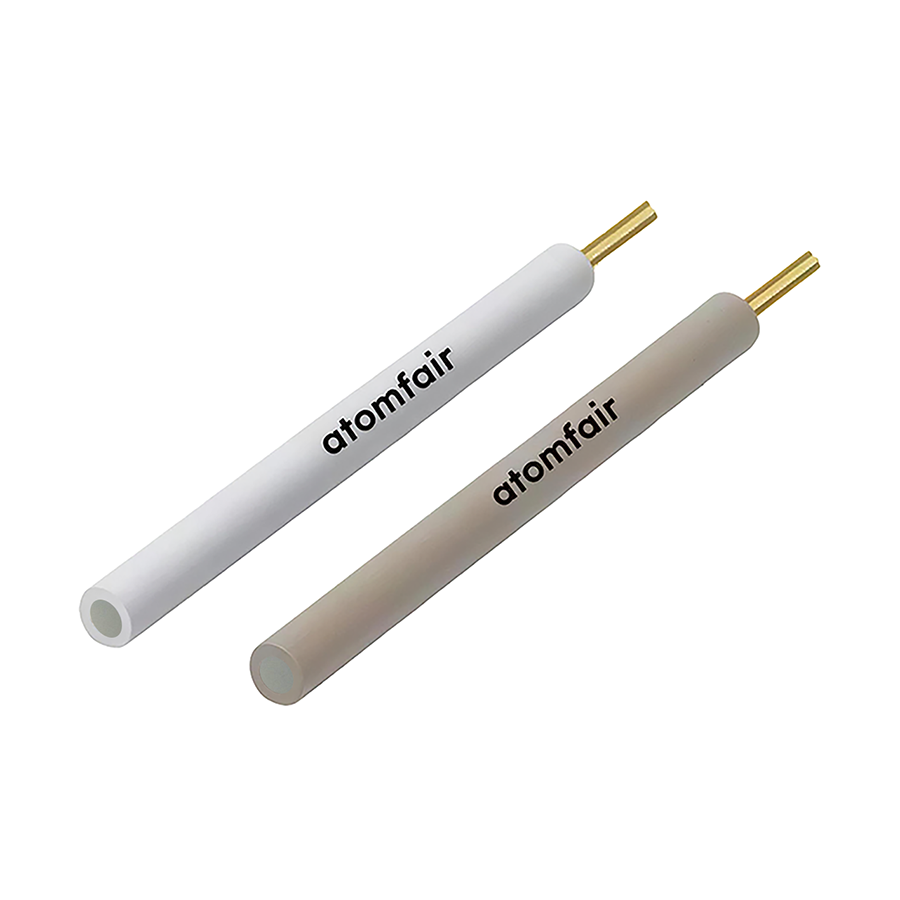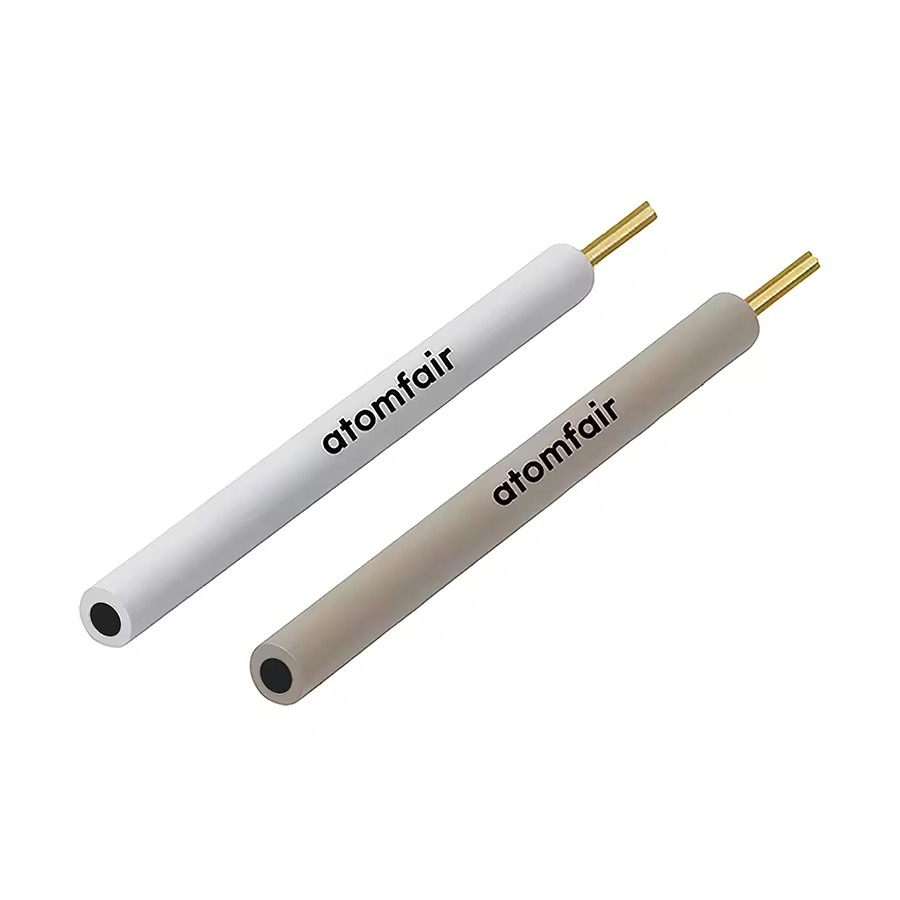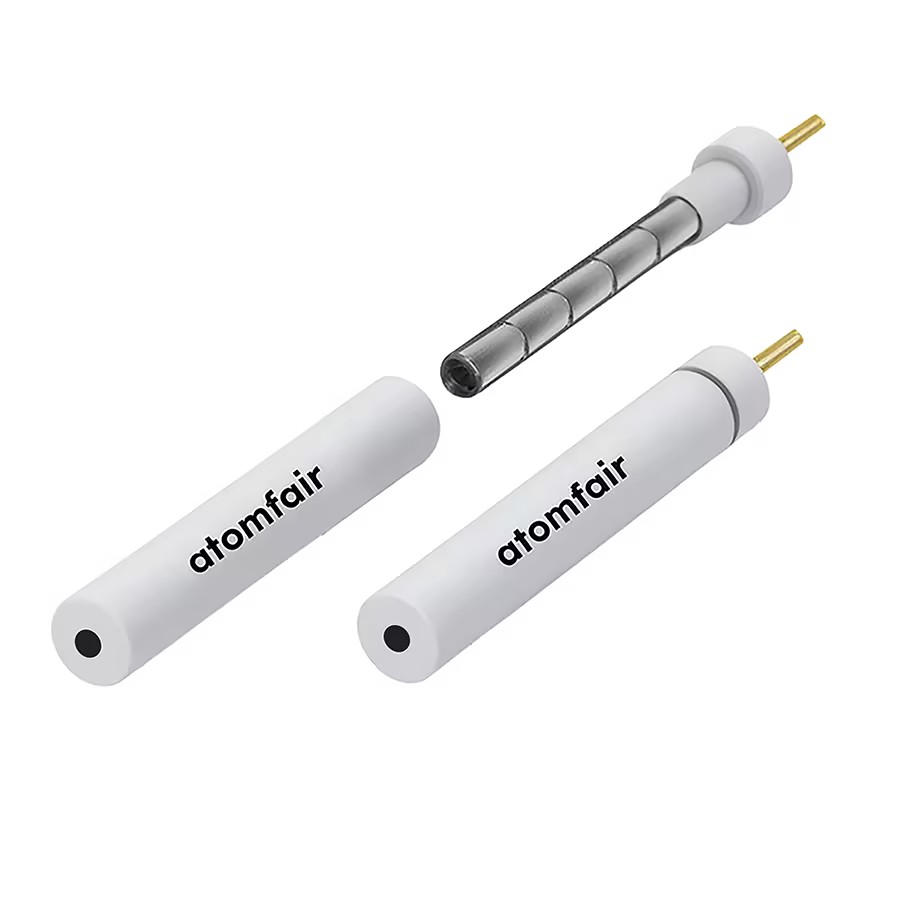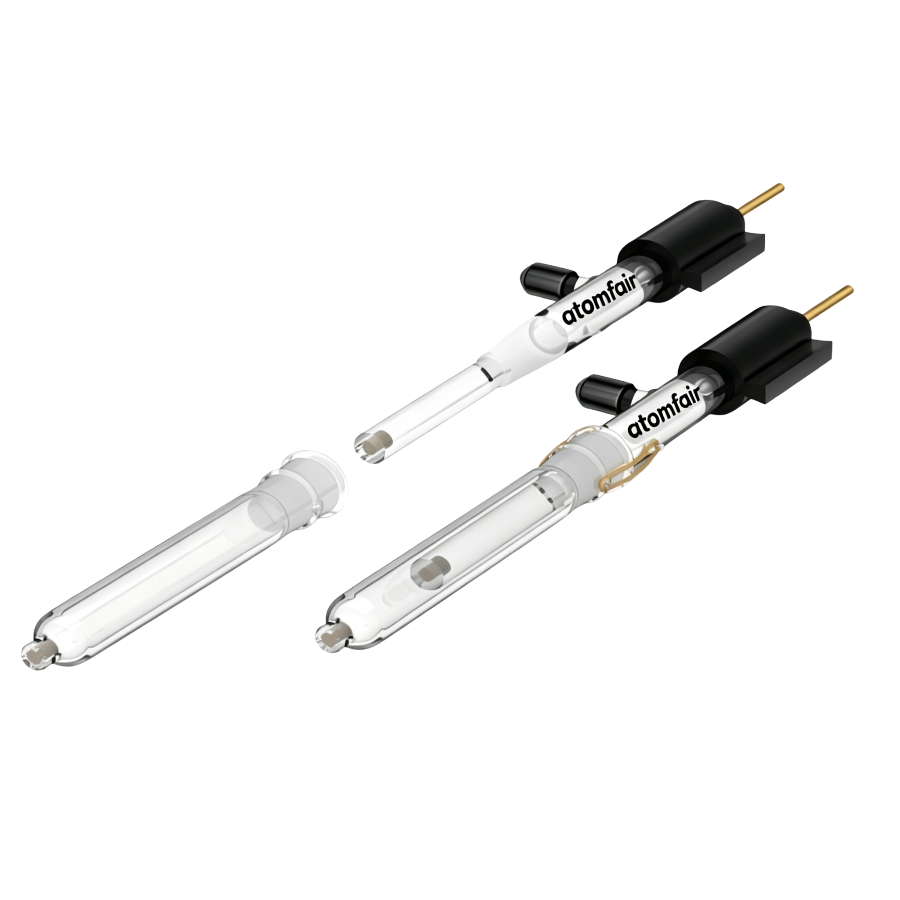
Mercuric Oxide Reference Electrode – Dual Salt Bridge | ATOMFAIRProduct Type: Mercuric oxide reference electrode
Research-grade laboratory product
|
|||||||||||||||||||||
|
|||||||||||||||||||||
|
LABORATORY PROCUREMENT SUPPORT
For model selection, accessory matching, platform compatibility or configuration confirmation, contact our technical sales team.
E-MAIL: inquiry@atomfair.com
|
|||||||||||||||||||||
|
Manufacturer: Atomfair LLC
Brand: ATOMFAIR®
|
Manufacturer: Atomfair LLC
Brand: ATOMFAIR®
This mercuric oxide reference electrode contains toxic mercury compounds and potassium hydroxide electrolyte. It is designed for alkaline systems and requires a salt bridge for strongly alkaline solutions to prevent electrolyte contamination.
- Salt Bridge Requirement: For strongly alkaline solutions, use a salt bridge to prevent contamination of the reference electrolyte.
Proper selection of reference chemistry and use of a salt bridge are essential for accurate measurements. This guide outlines the key steps for using the electrode in alkaline systems.
Required Equipment: Salt bridge
- Select Reference Chemistry
Select the reference chemistry according to whether the solution system is neutral, acidic, alkaline, or organic. - Use Salt Bridge for Strongly Alkaline Solutions
Use a salt bridge when working with strongly alkaline solutions to protect the reference electrode from contamination.
Why is a dual salt bridge configuration important for mercuric oxide reference electrodes in alkaline systems?
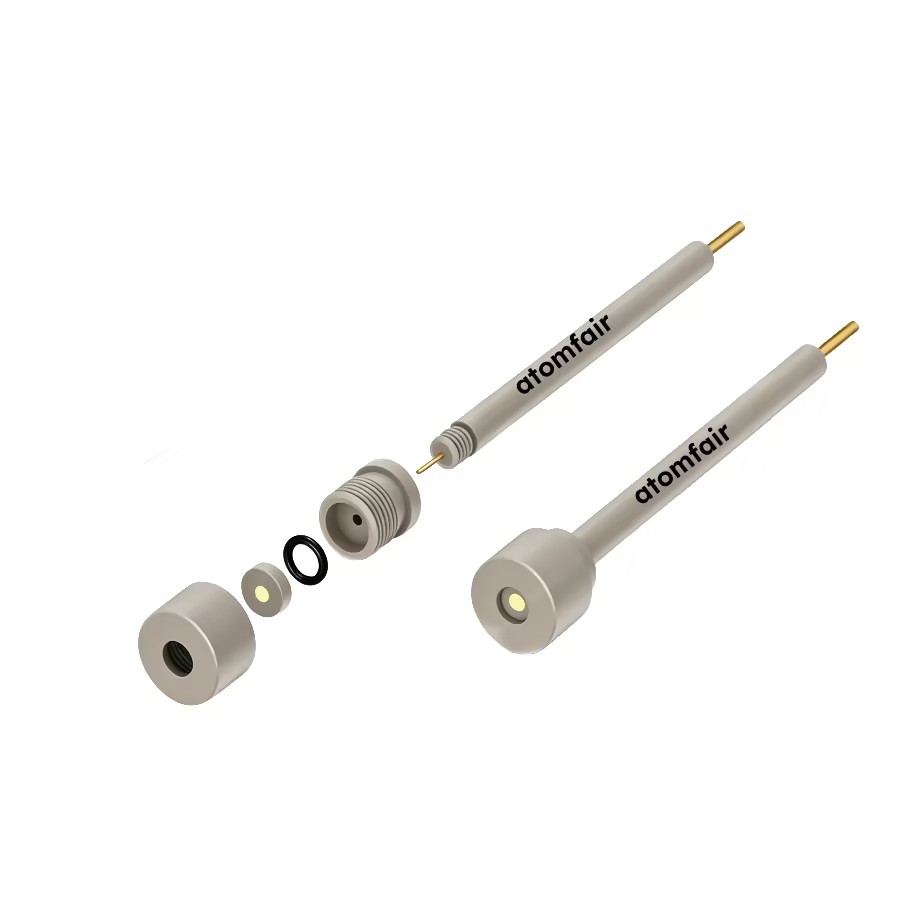
The dual salt bridge configuration provides improved separation between the reference electrolyte (potassium hydroxide) and the sample, minimizing contamination and junction potential drift. For strongly alkaline solutions, the manufacturer recommends using an additional external salt bridge to further isolate the reference electrode.
Can this mercuric oxide reference electrode be used in acidic or neutral solutions?
No, this electrode is specifically designed for alkaline systems with an internal potassium hydroxide electrolyte. The product description indicates that the reference chemistry should be selected according to the solution system: neutral, acidic, alkaline, or organic. Using this electrode outside alkaline conditions may cause chemical incompatibility and inaccurate measurements.
When is an external salt bridge required with the Atomfair AF-MO-DSB dual salt bridge electrode?
The product description states that for strongly alkaline solutions, an additional salt bridge should be used. This provides extra junction isolation to protect the reference electrode from the aggressive alkaline environment. The dual salt bridge configuration already offers improved separation, but high-alkalinity conditions necessitate further protection.
This mercuric oxide reference electrode, model AF-MO-DSB, is engineered for alkaline electrochemical systems with a potassium hydroxide internal electrolyte and a dual salt bridge configuration that provides additional junction isolation between the reference electrolyte and sample, making it suitable for use with strongly alkaline solutions when paired with an external salt bridge.
Positive
- Dual salt bridge for junction isolation: The dual salt bridge construction improves separation between the reference electrolyte and the sample, reducing contamination risk and enhancing measurement stability in alkaline systems.
- Designed for alkaline electrolyte systems: With an internal potassium hydroxide electrolyte, this electrode is optimized for alkaline electrochemical environments, providing a stable reference potential in high-pH solutions.
Trade-offs
- External salt bridge required for strongly alkaline solutions: For strongly alkaline solutions, an additional salt bridge must be used externally, adding complexity and requiring extra lab consumables or setup steps.
- Confined to alkaline system compatibility only: The electrode is specifically recommended for alkaline systems; it is not suited for neutral, acidic, or organic solution systems without a change in reference chemistry or additional configuration.
Every advanced material, component, equipment, and instrument in our catalog is backed by rigorous testing. We maintain strict internal quality management frameworks and align with CE conformity metrics to deliver transparent, reproducible performance data via our public open-science repository.
To request raw batch performance data, submit formal vendor registration paperwork, or execute a fast-turnaround R&D manufacturing loop, contact us at inquiry@atomfair.com.
Item is dispatched under the Atomfair Shipping & Delivery Framework (Free worldwide shipping on orders over $59 USD excl. heavy equipment). Return is governed by the Atomfair Return & Refund Policy (7-day technical return window).