Magnetic Zinc Working Electrode Series | ATOMFAIRRESEARCH GRADE INSTRUMENT
|
|||||||||||||||||||||||||
|
|||||||||||||||||||||||||
|
TAILORED SOLUTIONS FOR RESEARCH
Contact our engineering team for technical support or official institutional quotations.
EMAIL: inquiry@atomfair.com
|
|||||||||||||||||||||||||
|
Manufacturer: Atomfair LLC
Brand: ATOMFAIR®
|
|||||||||||||||||||||||||
The electrode is highly sensitive to surface contamination and must be stored in a sealed container. All handling and mounting must be performed within an anhydrous inert environment to prevent phase contamination or degradation before electrochemical validation.
- Surface Contamination Sensitivity: The zinc electrode surface must be kept free from contamination; any exposure to ambient air or moisture can degrade electrochemical performance.
- Inert Environment Requirement: The electrode must be handled exclusively in an anhydrous inert atmosphere, such as a glovebox, to avoid oxidation or hydrolysis.
- Storage Condition: When not in use, the electrode must be stored in a tightly sealed container to maintain its pristine condition.
The following steps outline the proper handling and mounting procedure to ensure reliable electrochemical measurements. All operations must be carried out in an inert atmosphere to avoid surface contamination.
Required Equipment: Glovebox or inert gas enclosure
- Inspect the electrode surface
Inspect the zinc electrode surface for any visible contamination, oxidation, or damage before use. - Transfer to inert environment
Transfer the electrode into an anhydrous inert atmosphere, such as an argon-filled glovebox, to prevent moisture or oxygen exposure. - Polish the electrode surface
Polish the zinc disk to a mirror finish using fine abrasive paper or alumina slurry to ensure a clean, reproducible active surface. - Mount magnetically
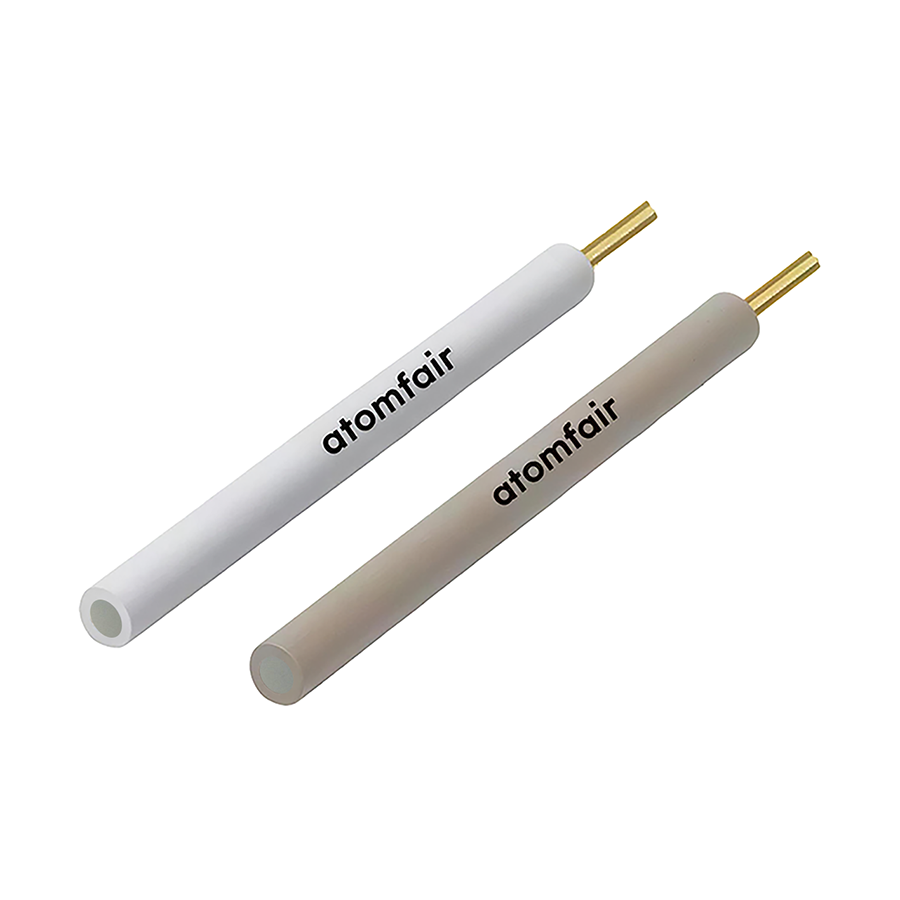
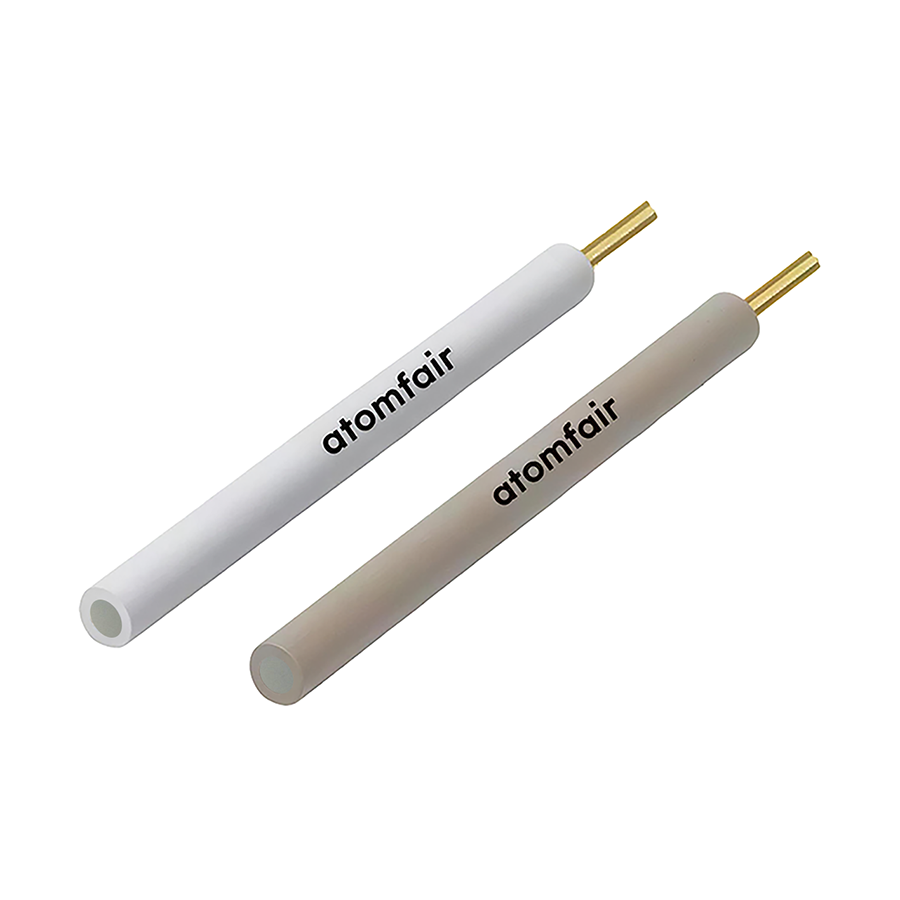
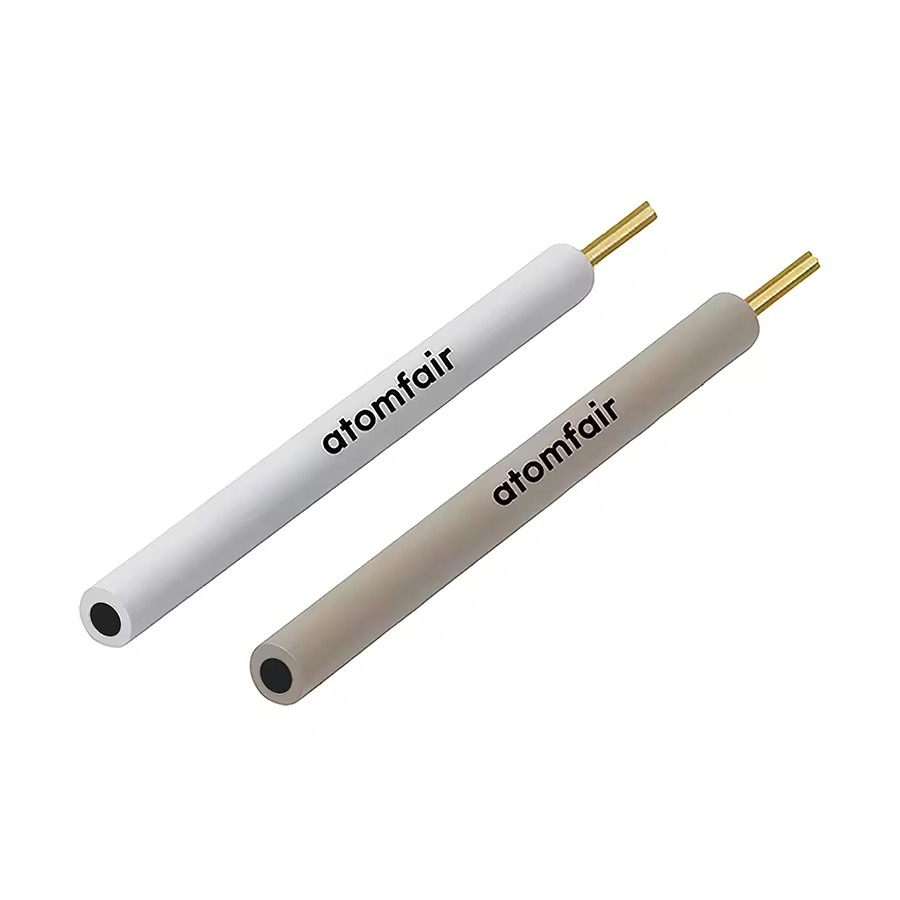
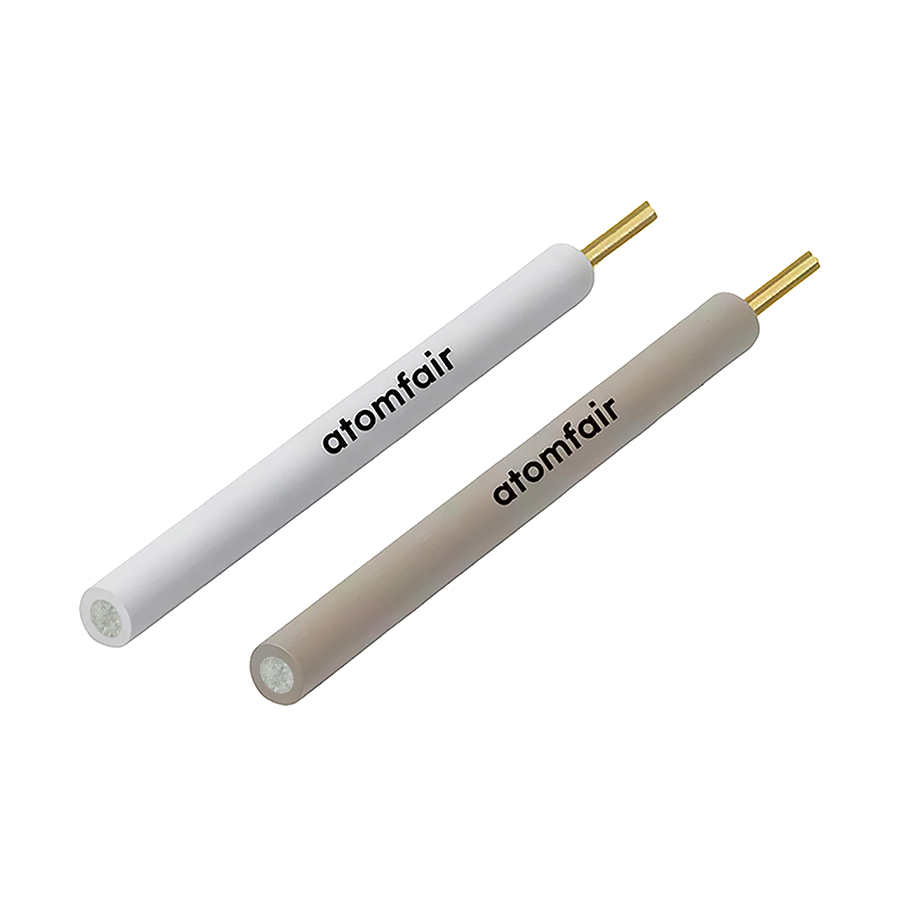
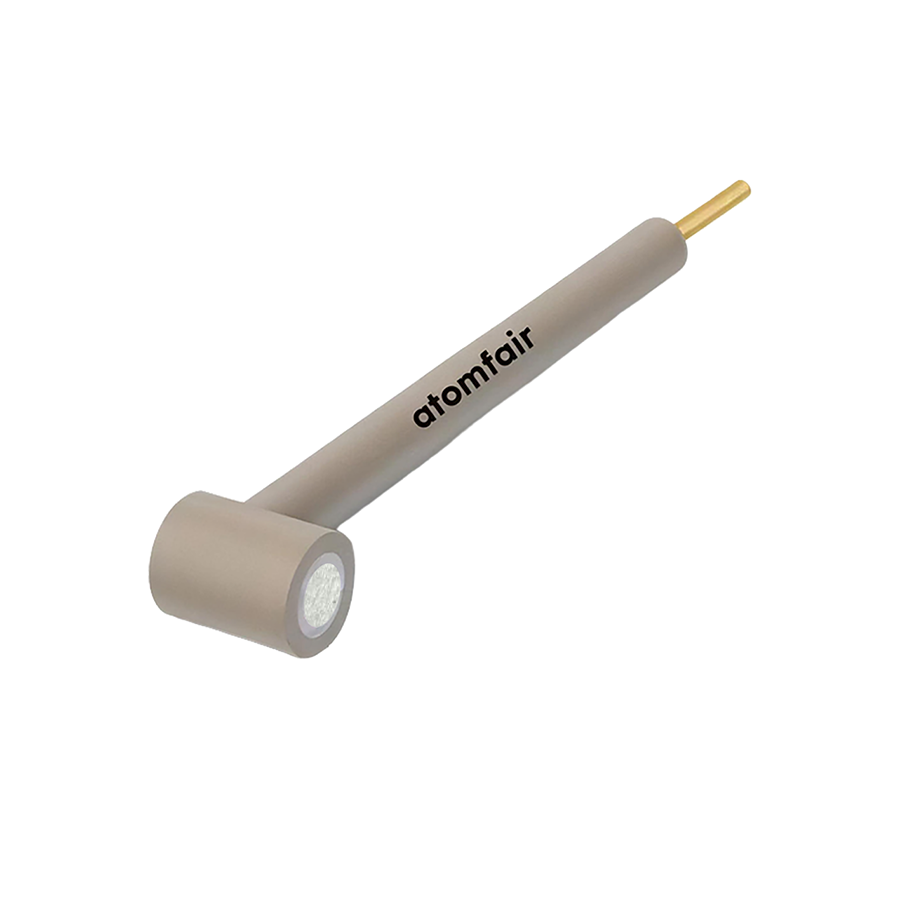
Mount the electrode magnetically onto the ferromagnetic cell support, ensuring stable electrical contact through the gold-plated copper rod. - Connect to potentiostat
Connect the gold-plated copper rod to the working electrode lead of the electrochemical measurement system.
How does the diameter selection (2mm vs 4mm) of the ATOMFAIR magnetic zinc working electrode influence its electrochemical measurement capabilities?
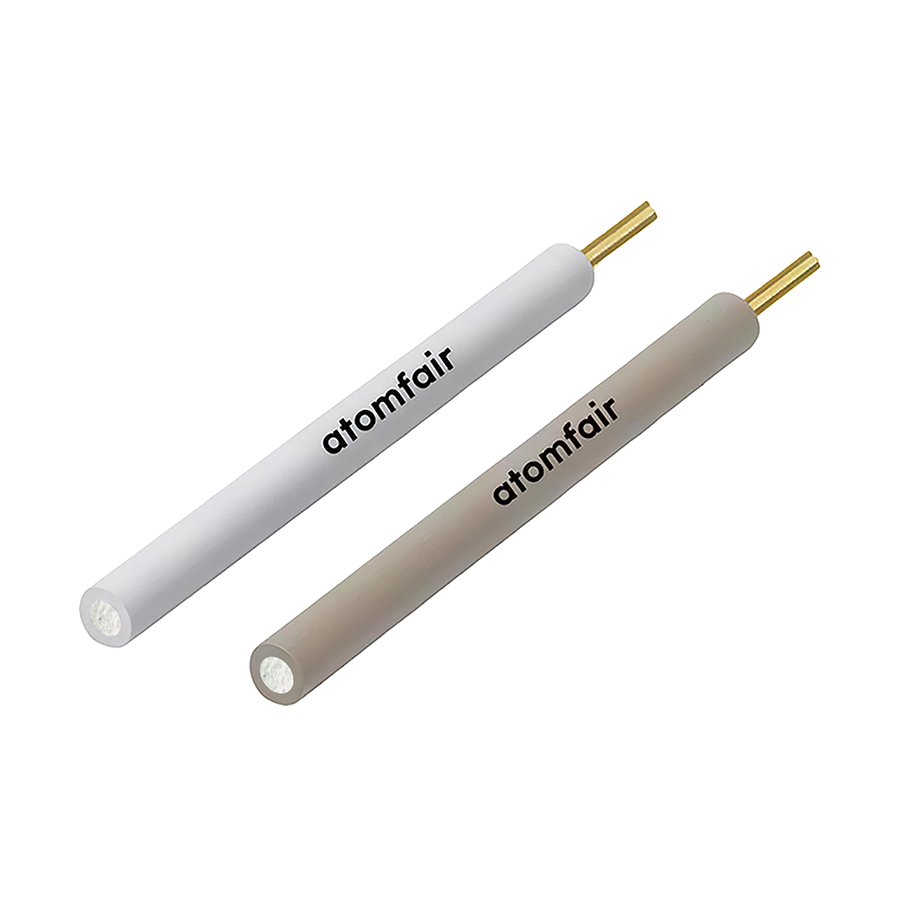
The 2mm diameter is optimized for micro-electrode sensing applications requiring enhanced mass transport and low capacitive currents, while the 4mm diameter is better suited for macro-electrode bulk electrolysis with higher faradaic currents. The series covers the 2–4mm range to accommodate both regimes.
What potentiostat or cell configuration is required to achieve stable electrical contact with the magnetic zinc working electrode?
The electrode's magnetic base requires a ferromagnetic support surface for attachment, providing stable electrical contact without mechanical clamping. The gold-plated copper rod ensures low contact resistance, but the electrode should be used with potentiostats capable of handling the specific impedance of a zinc electrode.
What are the critical storage and handling protocols for the ATOMFAIR magnetic zinc working electrode to maintain surface integrity?
The zinc surface is highly sensitive to contamination; the electrode must be stored in tightly sealed containers or handled exclusively within an anhydrous inert environment to prevent oxidation or degradation. The gold-plated copper rod provides corrosion protection, but the zinc disk requires rigorous surface preparation before use.
This magnetic zinc working electrode offers rapid mounting and stable electrical contact via an integrated magnetic base, with a gold-plated copper conductor for corrosion resistance. However, the zinc surface is highly contamination-sensitive and requires ferromagnetic supports.
Positive
- Magnetic Attachment for Rapid Mounting: The integrated magnetic base allows instant attachment to ferromagnetic supports without tools, reducing setup time and ensuring consistent electrical contact.
- Gold-Plated Copper Rod for Low Resistance: The gold-plated copper conductive medium provides enhanced oxidation resistance and stable conductivity, minimizing contact resistance over extended use.
Trade-offs
- Surface Contamination Sensitivity: The zinc electrode surface is highly sensitive to contamination; it must be stored in sealed containers or handled in an anhydrous inert environment to prevent degradation before use.
- Requires Ferromagnetic Support Structure: The magnetic base design necessitates a ferromagnetic cell support or electrode stand, limiting compatibility with non-magnetic laboratory equipment.
Every advanced material, component, equipment, and instrument in our catalog is backed by rigorous testing. We maintain strict internal quality management frameworks and align with CE conformity metrics to deliver transparent, reproducible performance data via our public open-science repository.
To request raw batch performance data, submit formal vendor registration paperwork, or execute a fast-turnaround R&D manufacturing loop, contact us at inquiry@atomfair.com.
Item is dispatched under the Atomfair Shipping & Delivery Framework (Free worldwide shipping on orders over $59 USD excl. heavy equipment). Return is governed by the Atomfair Return & Refund Policy (7-day technical return window).