Magnetic Titanium Working Electrode Series | ATOMFAIRRESEARCH GRADE INSTRUMENT
|
|||||||||||||||||||||||||
|
|||||||||||||||||||||||||
|
TAILORED SOLUTIONS FOR RESEARCH
Contact our engineering team for technical support or official institutional quotations.
EMAIL: inquiry@atomfair.com
|
|||||||||||||||||||||||||
|
Manufacturer: Atomfair LLC
Brand: ATOMFAIR®
|
|||||||||||||||||||||||||
The electrode is highly sensitive to surface contamination and requires strict environmental control. Storage and handling must be performed within an anhydrous inert atmosphere to prevent degradation before electrochemical validation.
- Surface Contamination Sensitivity: The electrode surface is highly sensitive to contamination and must be protected from ambient exposure.
- Anhydrous Inert Environment Requirement: Handling and storage must be conducted exclusively within an anhydrous inert environment to prevent phase contamination.
- Sealed Container Storage: Containers must be kept tightly sealed when not in use to maintain electrode integrity and prevent degradation.
How does the titanium disk diameter affect the electrochemical measurement regime for this magnetic working electrode?
The 2mm to 4mm diameter range accommodates diverse experimental scales from micro-electrode sensing to macro-electrode bulk electrolysis, as stated in the product description. Researchers can select the disk size that matches their current density and total current requirements for anodization or corrosion studies.
What surface compatibility is required for the magnetic base attachment of the titanium working electrode?
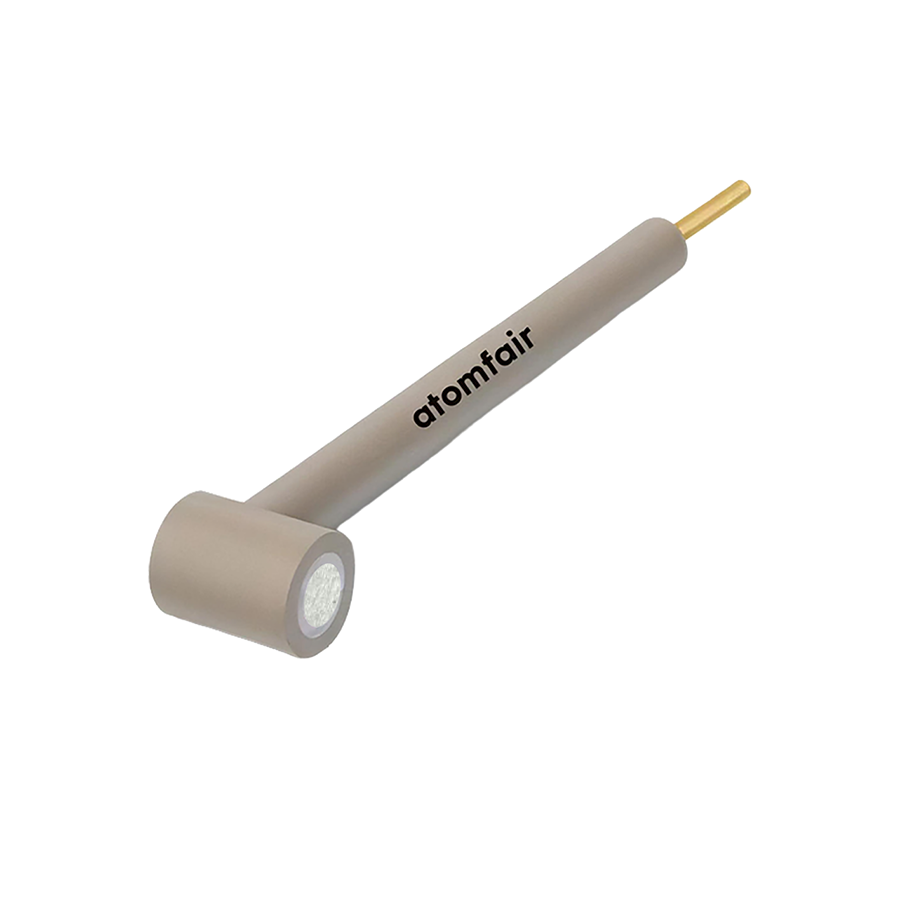
The magnetic base is designed for attachment to ferromagnetic cell supports or electrode stands, as indicated in the product overview. It ensures stable electrical contact without mechanical clamping.
What storage or handling conditions are necessary to prevent contamination of the titanium working electrode surface?
The electrode is highly sensitive to surface contamination and must be stored in sealed containers or handled exclusively within an anhydrous inert environment to prevent phase contamination or degradation before electrochemical validation, as noted in the important notice.
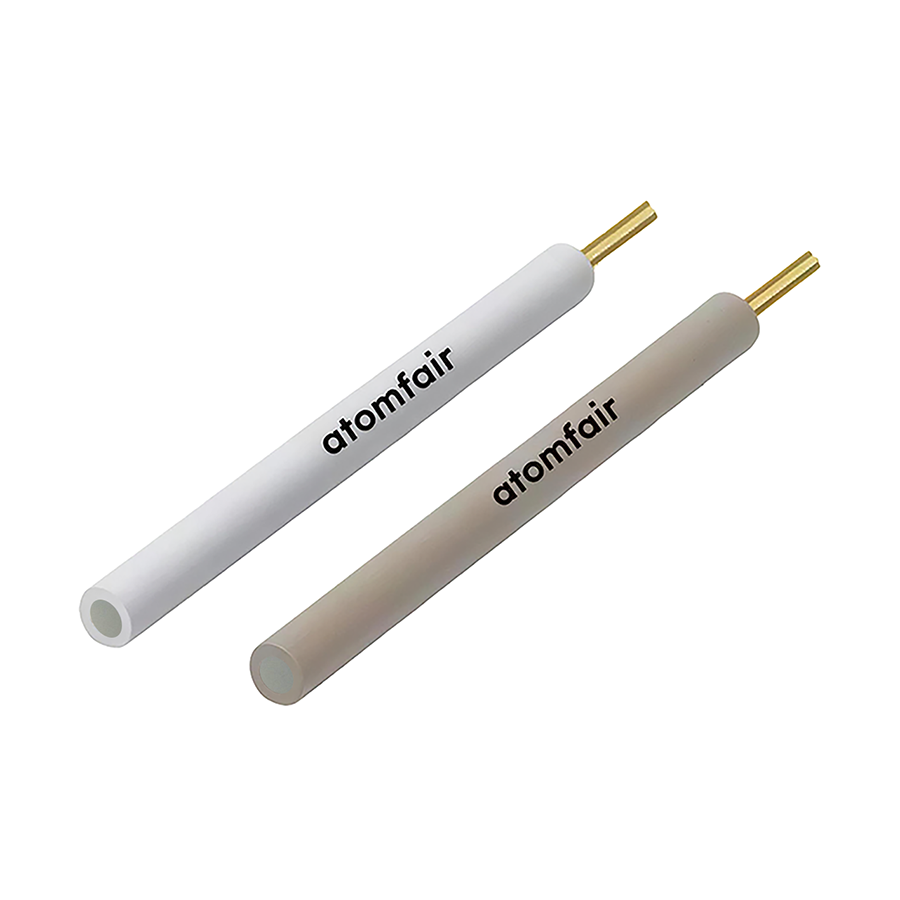
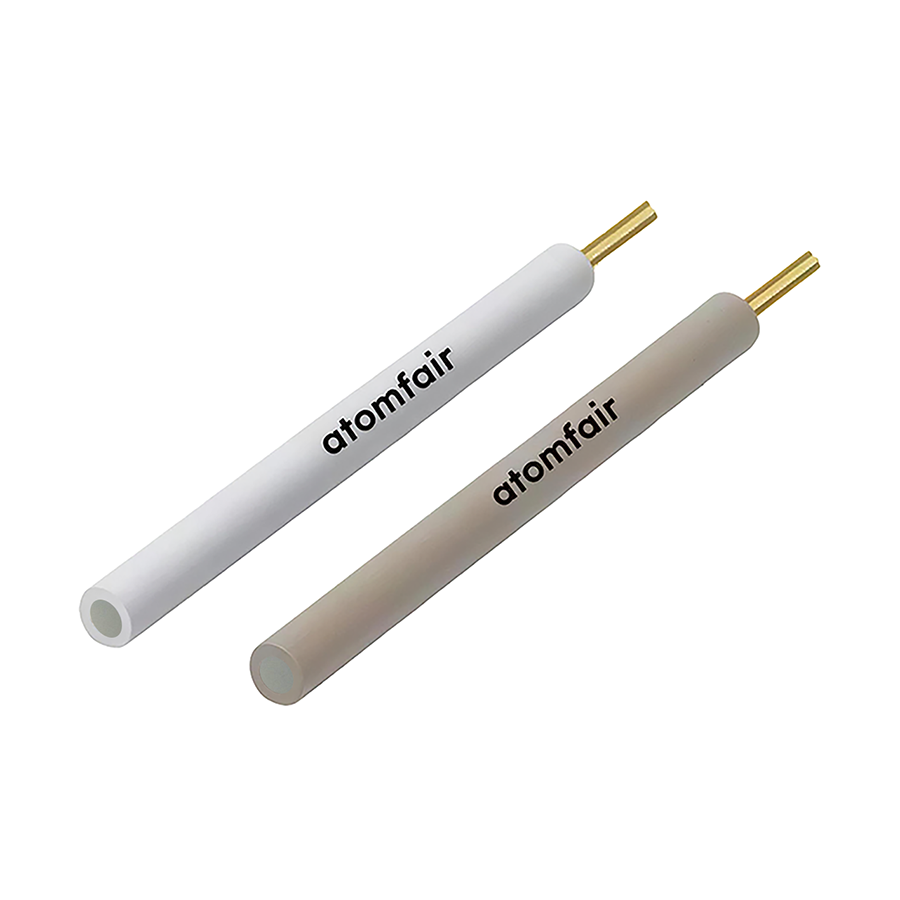
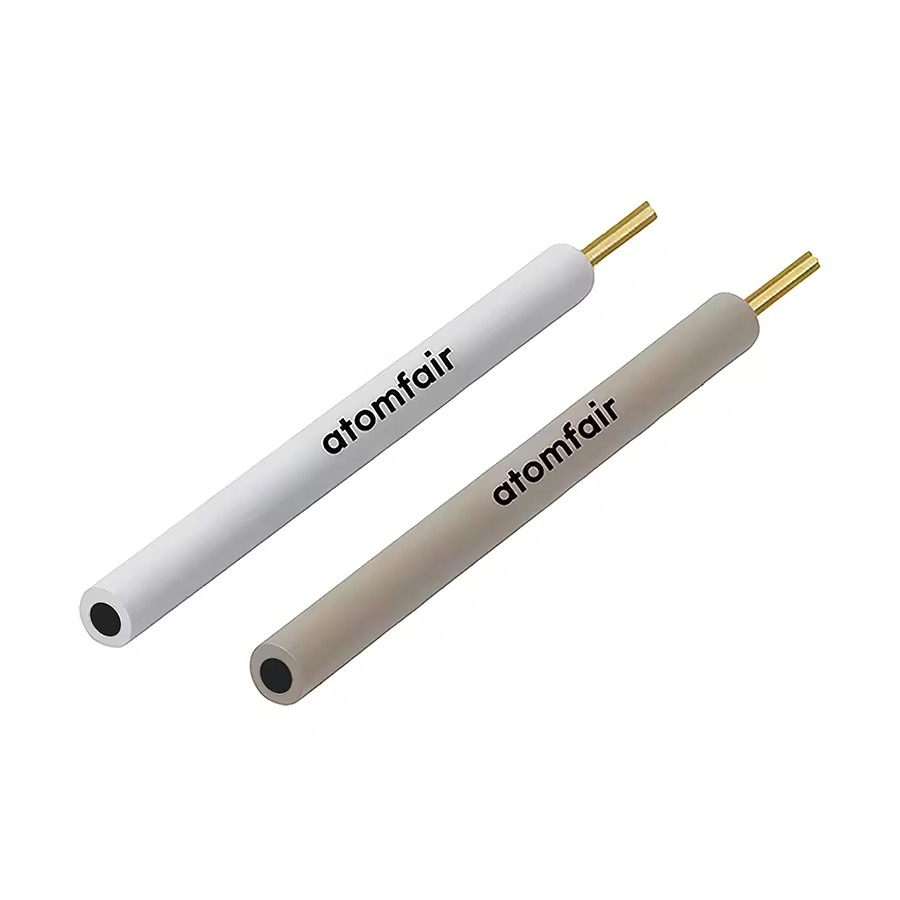
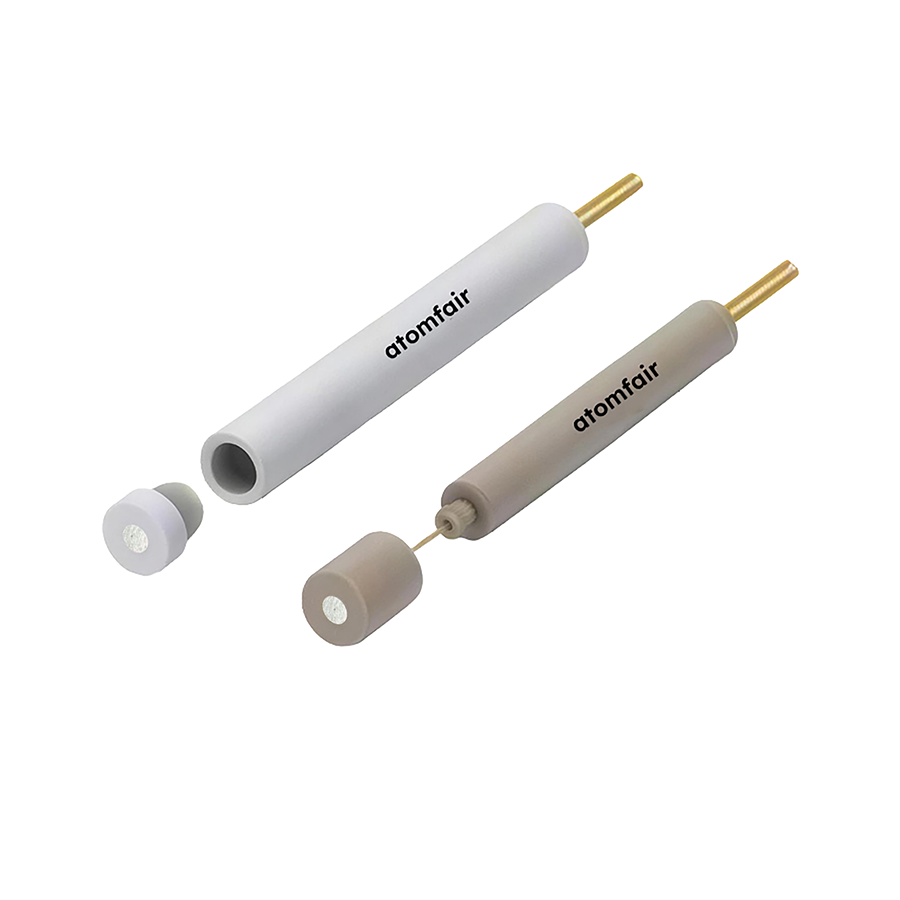
The Magnetic Titanium Working Electrode combines a magnetic base for tool-free mounting with a titanium disk suited for anodization and corrosion studies, but demands strict inert-handling protocols for surface contamination and requires ferromagnetic support structures.
Positive
- Magnetic quick-mount design: Integrated magnetic base enables instantaneous electrode attachment and removal on ferromagnetic supports, eliminating mechanical clamping and reducing setup time while ensuring reproducible electrical contact.
- Corrosion-resistant titanium surface: High-grade titanium disk provides exceptional corrosion resistance and valve-metal behavior, making the electrode particularly suitable for anodic oxidation, corrosion studies, and aggressive electrolyte systems.
Trade-offs
- Surface contamination sensitivity: The electrode is highly sensitive to surface contamination; storage and handling must be performed within anhydrous inert environments to prevent phase degradation before electrochemical validation.
- Ferromagnetic support requirement: Magnetic attachment relies on a ferromagnetic cell support or electrode stand, limiting compatibility with non-magnetic mounting surfaces and requiring appropriate lab infrastructure.
Every advanced material, component, equipment, and instrument in our catalog is backed by rigorous testing. We maintain strict internal quality management frameworks and align with CE conformity metrics to deliver transparent, reproducible performance data via our public open-science repository.
To request raw batch performance data, submit formal vendor registration paperwork, or execute a fast-turnaround R&D manufacturing loop, contact us at inquiry@atomfair.com.
Item is dispatched under the Atomfair Shipping & Delivery Framework (Free worldwide shipping on orders over $59 USD excl. heavy equipment). Return is governed by the Atomfair Return & Refund Policy (7-day technical return window).