Magnetic Iron Working Electrode Series | ATOMFAIRRESEARCH GRADE INSTRUMENT
|
|||||||||||||||||||||||||
|
|||||||||||||||||||||||||
|
TAILORED SOLUTIONS FOR RESEARCH
Contact our engineering team for technical support or official institutional quotations.
EMAIL: inquiry@atomfair.com
|
|||||||||||||||||||||||||
|
Manufacturer: Atomfair LLC
Brand: ATOMFAIR®
|
|||||||||||||||||||||||||
The iron working electrode is highly sensitive to surface contamination and requires storage in sealed containers under anhydrous inert atmosphere. Exposure to ambient air or moisture can cause oxidation or degradation of the active surface, compromising electrochemical performance.
- Storage Environment: Store the electrode in a sealed container within an anhydrous inert atmosphere to prevent surface contamination.
- Surface Sensitivity: Avoid exposing the electrode to moist air or reactive gases that may oxidize the iron disk.
- Infrastructure Requirement: Handle the electrode exclusively in a glovebox or dry room when preparing for electrochemical measurements.
- Maintenance: Regularly polish the electrode surface to remove any oxide layer or contaminants and maintain a reproducible state.
This procedure describes the safe handling and preparation of the iron working electrode for electrochemical experiments. Follow these steps to ensure a clean, contamination-free surface and stable electrical contact.
Required Equipment: Anhydrous inert atmosphere glovebox, Polishing cloth, Ferromagnetic cell support or electrode stand
- Inspect Surface
Inspect the electrode disk for any visible contamination, scratches, or oxidation before use. - Transfer to Inert Environment
Transfer the electrode to an anhydrous inert atmosphere glovebox if it has been exposed to ambient air. - Mount Electrode
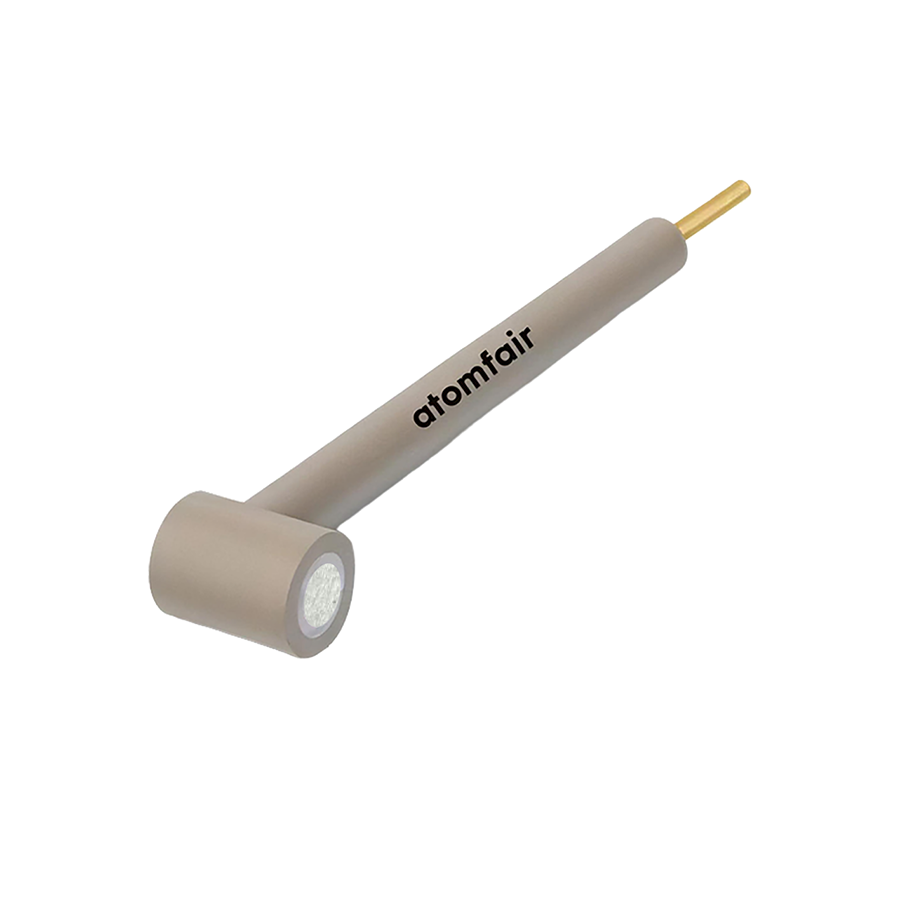
Mount the electrode onto a ferromagnetic cell support using the integrated magnetic base to ensure stable electrical contact. - Polish Surface
Polish the electrode surface with a fine abrasive cloth to achieve a clean, mirror-like finish for reproducible results.
How does the choice between a 2 mm and a 4 mm iron disk diameter affect electrochemical current output and experimental applicability?
The 2 mm disk is optimized for micro-electrode sensing, offering higher spatial resolution and lower total current, while the 4 mm disk provides larger total current for macro-electrode bulk electrolysis. The product series accommodates both scales within the 2–4 mm diameter range, allowing researchers to select the optimal size for their specific application.
Can the Magnetic Iron Working Electrode be mounted on non-ferromagnetic cell supports or electrode stands?
No, the electrode requires a ferromagnetic support surface because it uses an integrated magnetic base for attachment and electrical contact. It is designed exclusively for ferromagnetic cell supports or electrode stands to ensure stable mounting and consistent electrical connection.
What storage and handling conditions are critical to prevent contamination or degradation of the iron working electrode surface?
The electrode surface is highly sensitive to contamination; it must be kept in tightly sealed containers or handled exclusively within an anhydrous inert environment before electrochemical validation. Exposure to ambient atmospheres can cause phase contamination or surface degradation, compromising experimental reproducibility.
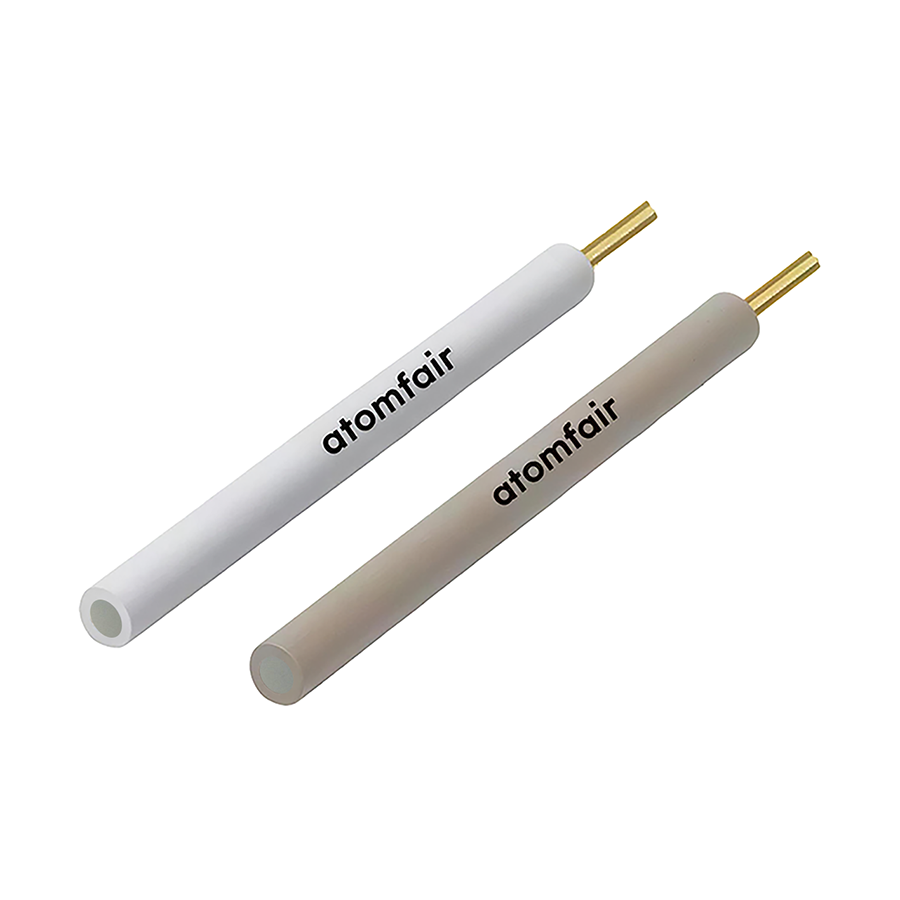
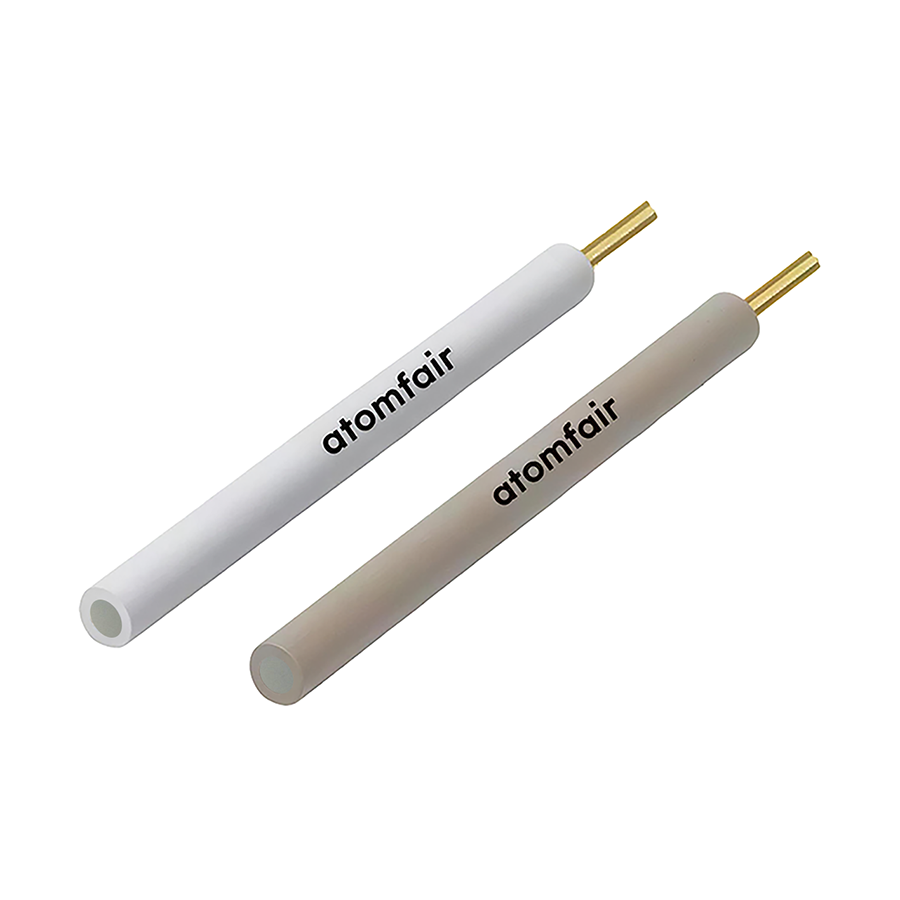
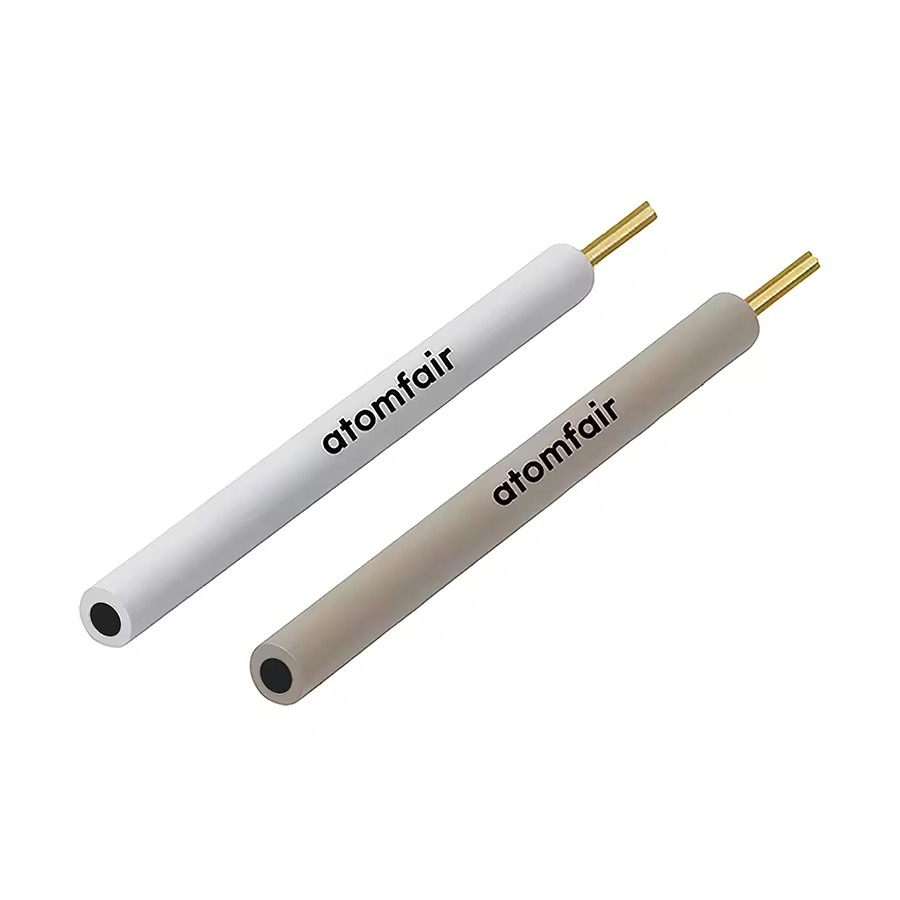
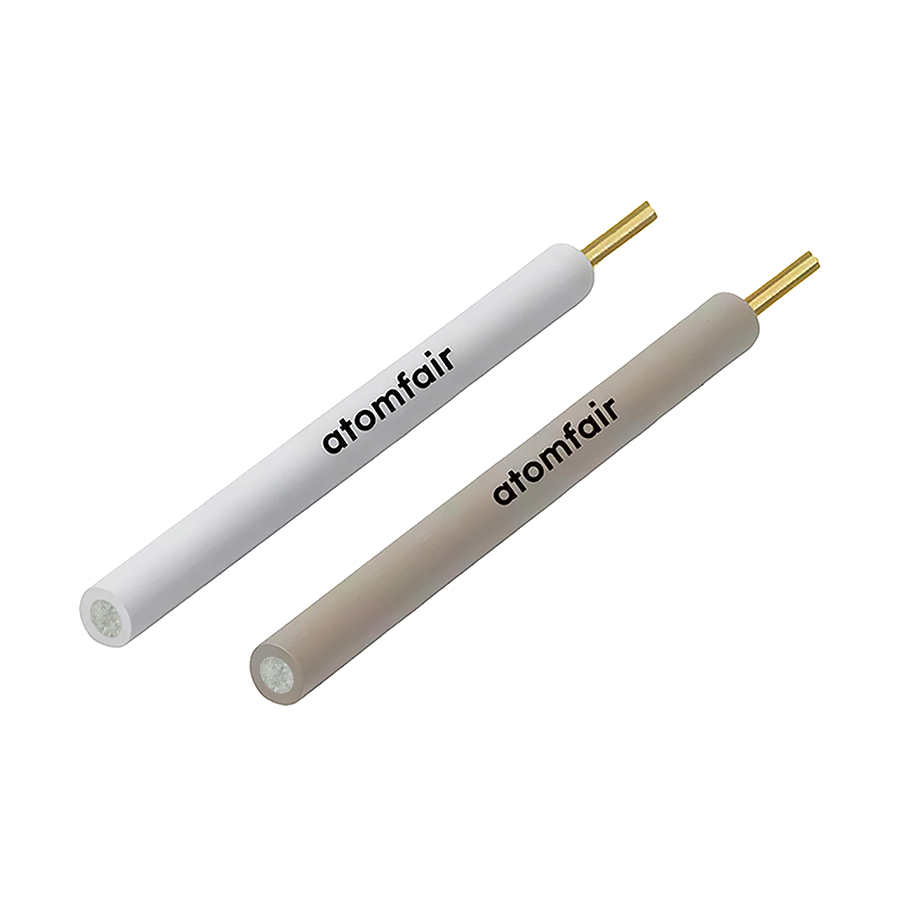
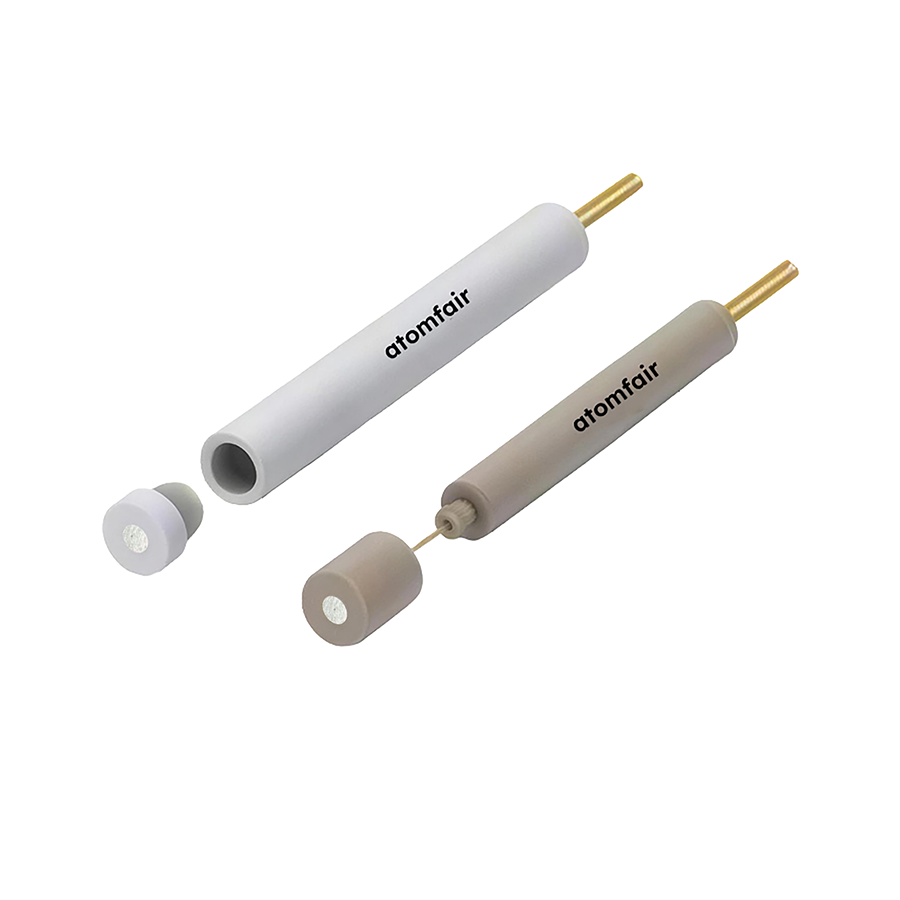
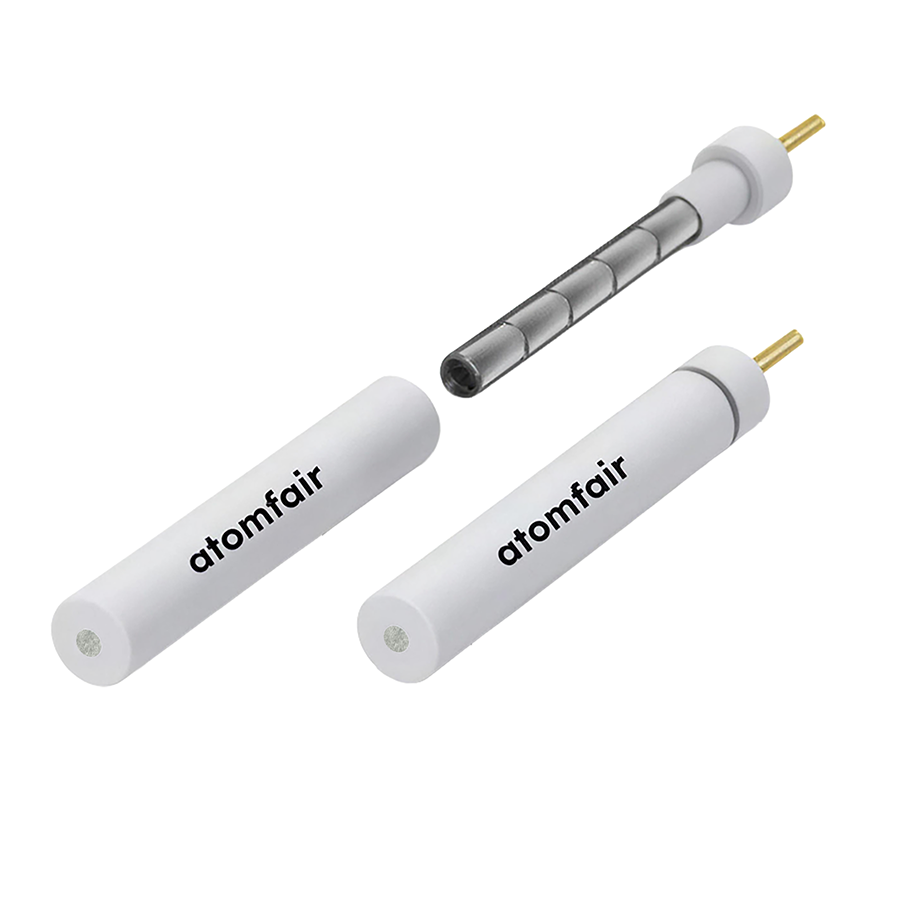
This magnetic iron working electrode integrates a high-purity iron disk with a magnetic base for rapid mounting and stable electrical contact on ferromagnetic supports. The gold-plated copper rod minimizes corrosion, but the electrode demands anhydrous inert handling to prevent surface contamination and requires ferromagnetic cell stands for magnetic attachment.
Positive
- Rapid magnetic mounting and contact: Magnetic base enables instant attachment on ferromagnetic supports without tools, ensuring consistent electrical contact for reproducible electrochemical measurements.
- Corrosion-resistant gold-plated conductor: Gold-plated copper rod (1.5x15mm) provides low contact resistance and enhanced oxidation resistance, maintaining stable conductivity over extended use in corrosive environments.
Trade-offs
- Requires ferromagnetic support surface: Magnetic attachment functions only on ferromagnetic cell supports or electrode stands; non-ferromagnetic setups require alternate mounting methods, limiting compatibility.
- Surface contamination sensitivity: The iron disk is highly sensitive to surface contamination; storage and handling must be performed in an anhydrous inert environment to prevent phase degradation prior to electrochemical validation.
Every advanced material, component, equipment, and instrument in our catalog is backed by rigorous testing. We maintain strict internal quality management frameworks and align with CE conformity metrics to deliver transparent, reproducible performance data via our public open-science repository.
To request raw batch performance data, submit formal vendor registration paperwork, or execute a fast-turnaround R&D manufacturing loop, contact us at inquiry@atomfair.com.
Item is dispatched under the Atomfair Shipping & Delivery Framework (Free worldwide shipping on orders over $59 USD excl. heavy equipment). Return is governed by the Atomfair Return & Refund Policy (7-day technical return window).