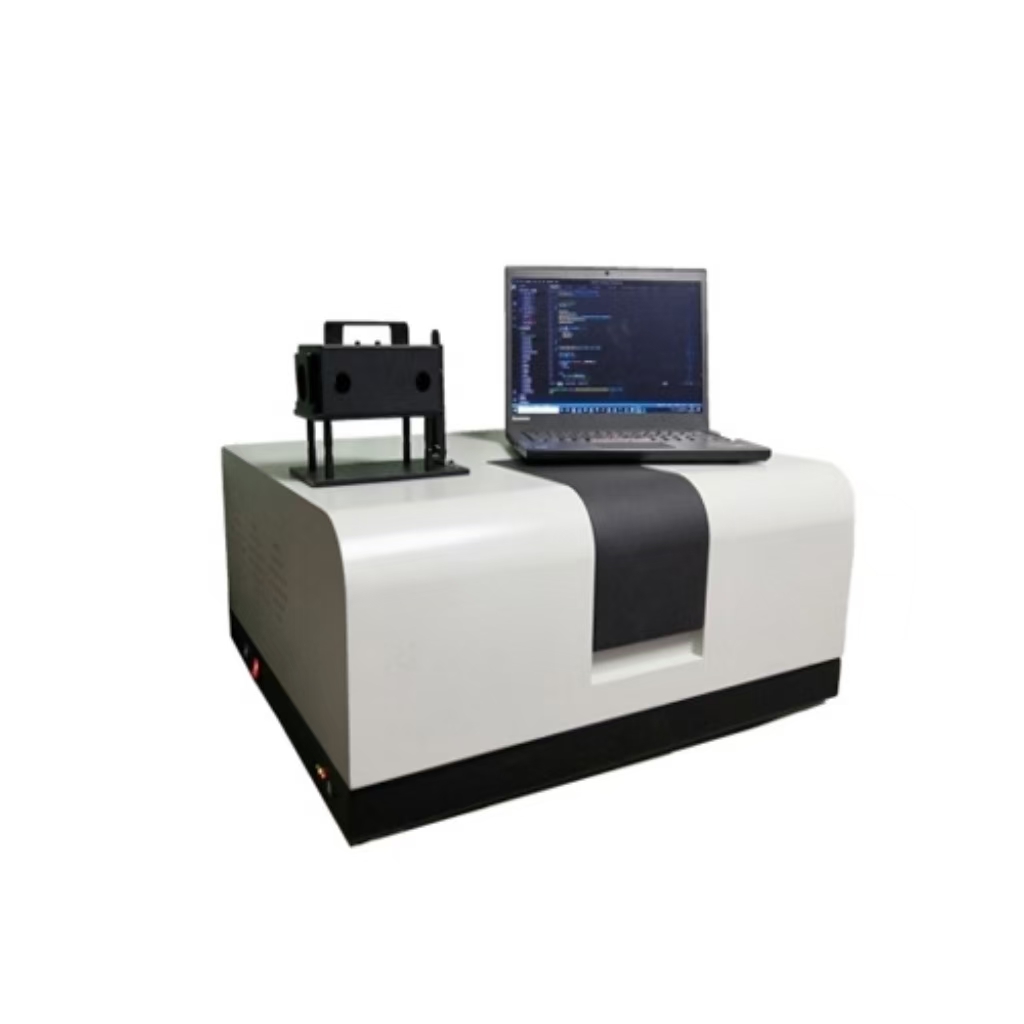
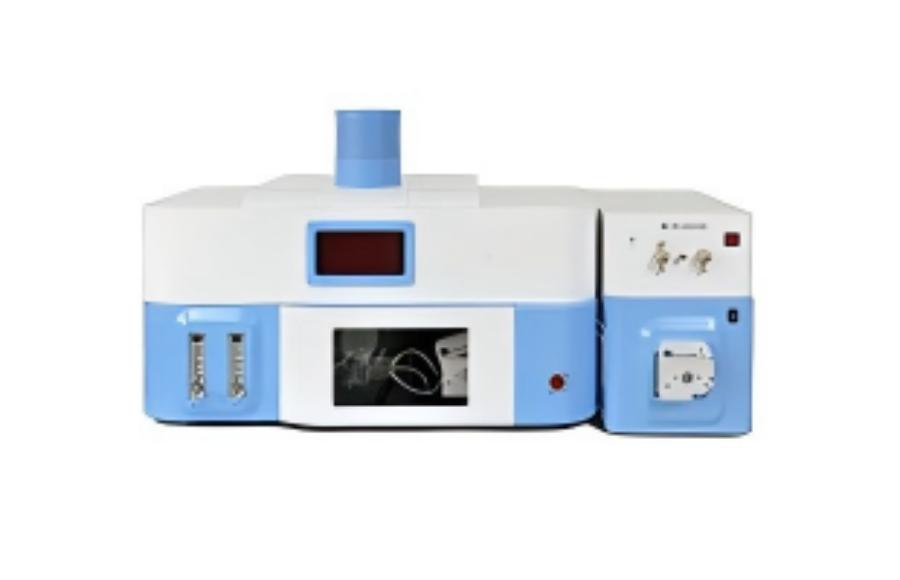
Atomfair-LCLV-837 Electrically Addressed Liquid Crystal Light Valve – Optical Information Comprehensive Experiment System
Product Overview
Atomfair-LCLV-837 is a high-performance experimental system designed based on Fourier information optics principles. It leverages the unique properties of liquid crystals, which are organic polymer compounds existing between the liquid and crystalline states—combining fluidity like liquids and orientation characteristics like crystals. When liquid crystal molecules are arranged in an orderly manner, they exhibit optical anisotropy. The liquid crystal screen of this product serves as a spatial light modulator, utilizing the light modulation characteristics of liquid crystals and adopting an electrically addressed mode. This enables convenient control of signal input and output via a computer, making it an ideal tool for optical information processing applications such as computer-generated holography.
Key Features
- Open Experimental Structure: The open and operable design allows for hands-on operation, effectively fostering users’ practical skills and deepening their understanding and mastery of experimental principles.
- Powerful Software Support: Equipped with advanced supporting software, it can realize holographic encoding transformation and simulated reconstruction of ordinary images, as well as accurate measurement of liquid crystal electro-optical effects.
- User-Friendly Experiment Guide: A dedicated experiment guidebook is tailored to users’ comprehension abilities. It features concise and understandable descriptions of experimental principles and clear step-by-step procedures, enabling users without prior experimental preparation to independently complete the entire set of experiments. Additionally, the guide includes thinking questions to meet the needs of advanced learning.
Application Scenarios
This experimental system is specifically designed for optical basic experiment teaching in majors such as Optoelectronic Information Engineering, Physics, and other related disciplines. It provides students with a comprehensive and practical experimental platform to enhance their theoretical knowledge and practical operation capabilities in the field of optical information.
Experimental Contents
- Liquid Crystal Electro-optical Effect Experiment
- Measurement Experiment of Microstructure of Electrically Addressed Liquid Crystal Light Valve Based on Diffraction Theory
- Light Interference and Diffraction Experiment
- Computer-Generated Holography Experiment
- Hologram Diffraction Efficiency Measurement Experiment
- Verification Experiment of Fourier Transform Properties and Holographic Properties
Standard Configuration & Specifications
| No. | Name | Specifications |
|---|---|---|
| 1 | Light Source | Semiconductor Laser, 650nm |
| 2 | Liquid Crystal Light Valve | Resolution 1024×768, with Control Cabinet |
| 3 | Fourier Lens | Focal Length f=300mm, 60mm |
| 4 | Optical Power Tester | 6-Speed Switching |
| 5 | CCD Camera | With Power Supply and Support Rod |
| 6 | Video Splitter | 1-to-4 Splitting |
| 7 | Other Accessories | Guide Rail, Sliding Seat, Polarizer, Receiving Screen, Monitor, Data Cable, etc. |
Note: The above configuration and parameters are for reference only. Please refer to the packing list for the actual product. Minor changes will not be notified separately.
Optional Configuration
| No. | Name | Specifications |
|---|---|---|
| 1 | Computer | 2.5G Dual-Core Processor, 200G Hard Disk, 3G Memory, Independent Graphics Card |
| 2 | Monitor | Liquid Crystal Monitor |
| 3 | Printer | – |
If you’re interested, have any questions, or have specific customization requirements, please feel free to contact us at inquiry@atomfair.com.
What is the maximum spatial resolution and wavelength of the Atomfair-LCLV-837 liquid crystal light valve for computer-generated holography?
The Atomfair-LCLV-837 features a liquid crystal light valve with a resolution of 1024×768, and the system uses a semiconductor laser at 650 nm as the light source. This resolution and wavelength combination directly determines the achievable spatial frequency and diffraction efficiency in computer-generated holography experiments, making it suitable for demonstrating Fourier transform properties and holographic reconstruction.
Can the Atomfair-LCLV-837 be integrated with a standard laboratory computer and display setup for real-time hologram reconstruction?
Yes, the system is designed for computer-controlled operation via an electrically addressed mode, and the standard configuration includes a video splitter (1-to-4 splitting) and a CCD camera with power supply and support rod. The optional configuration includes a computer with a 2.5G dual-core processor, 200G hard disk, 3G memory, and an independent graphics card, along with a liquid crystal monitor, enabling real-time display and reconstruction of holograms.
What are the key experimental safety and handling requirements for the Atomfair-LCLV-837's laser source?
The system uses a semiconductor laser at 650 nm, which is a visible-wavelength laser that can cause eye damage if directly viewed. The open experimental structure requires users to follow standard laser safety protocols, including avoiding direct eye exposure and using appropriate beam blocks. The system includes a receiving screen and monitor for safe observation, and the experiment guidebook provides step-by-step procedures to ensure safe operation.
The Atomfair-LCLV-837 is an electrically addressed liquid crystal light valve system designed for Fourier optics and holography education, integrating a 650nm semiconductor laser, 1024×768 LCLV, and dual focal length Fourier lenses to support a full suite of optical information experiments. Its open architecture and software-enabled holographic encoding provide a practical platform for teaching diffraction, interference, and electro-optical effects, though it requires a computer and monitor for full operation and is intended for educational rather than research-grade use.
Positive
- Open experimental structure: The open and operable design allows hands-on manipulation, fostering practical skills and deepening understanding of optical information processing principles, as stated in the product description.
- Comprehensive software and guide support: Advanced software enables holographic encoding and simulated reconstruction, while a dedicated guidebook with step-by-step procedures and thinking questions supports independent completion of experiments without prior preparation.
Trade-offs
- Requires external computer and monitor: The system's electrically addressed mode relies on a computer for signal input/output, and the optional configuration lists a computer and monitor as separate purchases, indicating these are not included in the standard package.
- Educational focus limits research depth: Designed for optical basic experiment teaching in optoelectronic and physics majors, the system's specifications (e.g., 1024×768 resolution, 650nm laser) are tailored for pedagogical use, which may not meet advanced research or industrial requirements.
Every advanced material, component, equipment, and instrument in our catalog is backed by rigorous testing. We maintain strict internal quality management frameworks and align with CE conformity metrics to deliver transparent, reproducible performance data via our public open-science repository.
To request raw batch performance data, submit formal vendor registration paperwork, or execute a fast-turnaround R&D manufacturing loop, contact us at inquiry@atomfair.com.
Item is dispatched under the Atomfair Shipping & Delivery Framework (Free worldwide shipping on orders over $59 USD excl. heavy equipment). Return is governed by the Atomfair Return & Refund Policy (7-day technical return window).