T-Shaped Iron Working Electrode series | ATOMFAIRRESEARCH GRADE INSTRUMENT
|
|||||||||||||||||||||||
|
|||||||||||||||||||||||
|
TAILORED SOLUTIONS FOR RESEARCH
Contact our engineering team for technical support or official institutional quotations.
EMAIL: inquiry@atomfair.com
|
|||||||||||||||||||||||
|
Manufacturer: Atomfair LLC
Brand: ATOMFAIR®
|
|||||||||||||||||||||||
The T-Shaped Iron Working Electrode is highly sensitive to surface contamination and requires strict environmental control during storage and handling. The electrode must be kept in a sealed, anhydrous inert environment to prevent phase contamination or degradation before electrochemical validation.
- Container Integrity: The protective container must be inspected for damage before each use to ensure an uncontaminated atmosphere.
- Inert Atmosphere Requirement: All handling of the electrode must be performed exclusively within an anhydrous inert environment, such as a glovebox, to avoid moisture and oxygen exposure.
- Sealing Protocol: After electrode removal, the container must be immediately and tightly sealed to preserve the inert environment for future use.
- Surface Contamination Prevention: Contact with any contaminants, including fingerprints, oils, or reactive gases, can compromise the electrode's electrochemical performance.
- Pre-use Validation: Before electrochemical validation, the electrode must be free of any surface contamination or degradation from improper storage.
This procedure outlines the necessary steps to safely handle and store the electrode to prevent surface contamination. Always perform handling within an anhydrous inert environment to maintain electrode integrity.
Required Equipment: Inert atmosphere glovebox
- Inspect Container
Inspect the protective container for any signs of damage or leakage before opening. - Transfer to Inert Environment
Transfer the sealed container into an anhydrous inert environment, such as a glovebox or nitrogen-filled chamber. - Open Container
Open the container only within the inert environment to prevent surface contamination. - Reseal Container
After removing the electrode, immediately reseal the container to maintain its protective atmosphere.
What are the performance trade-offs when selecting a 2 mm versus a 4 mm diameter iron working electrode for battery research?
The source does not quantify specific performance trade-offs between diameters, but it states that the T-shaped cylindrical geometry and precision embedded design promote uniform current density distribution across all sizes from 2 to 4 mm. Researchers should select the diameter that provides the desired electrode surface area for their experimental cell configuration, while relying on the uniform current density characteristic to maintain reproducibility.
Can this T-Shaped Iron Working Electrode be used in organic electrolyte systems for battery studies without additional surface modification?
Yes, the electrode is inherently compatible with organic electrolytes due to its PTFE insulative body, which offers excellent chemical inertness, and its gold-plated copper connector rod, which provides corrosion resistance and stable conductivity. However, the iron surface is highly sensitive to contamination; the source advises handling exclusively within an anhydrous inert environment to prevent degradation before electrochemical validation.
What storage and handling conditions are required to maintain the integrity of the iron working electrode before its first use?
The electrode must be kept in its sealed individual research-grade container, which includes shock-absorption parameters, and should be stored or handled exclusively within an anhydrous inert environment to prevent phase contamination or surface degradation. These precautions are necessary because the iron tip is highly sensitive to surface contamination, which can compromise electrochemical performance.
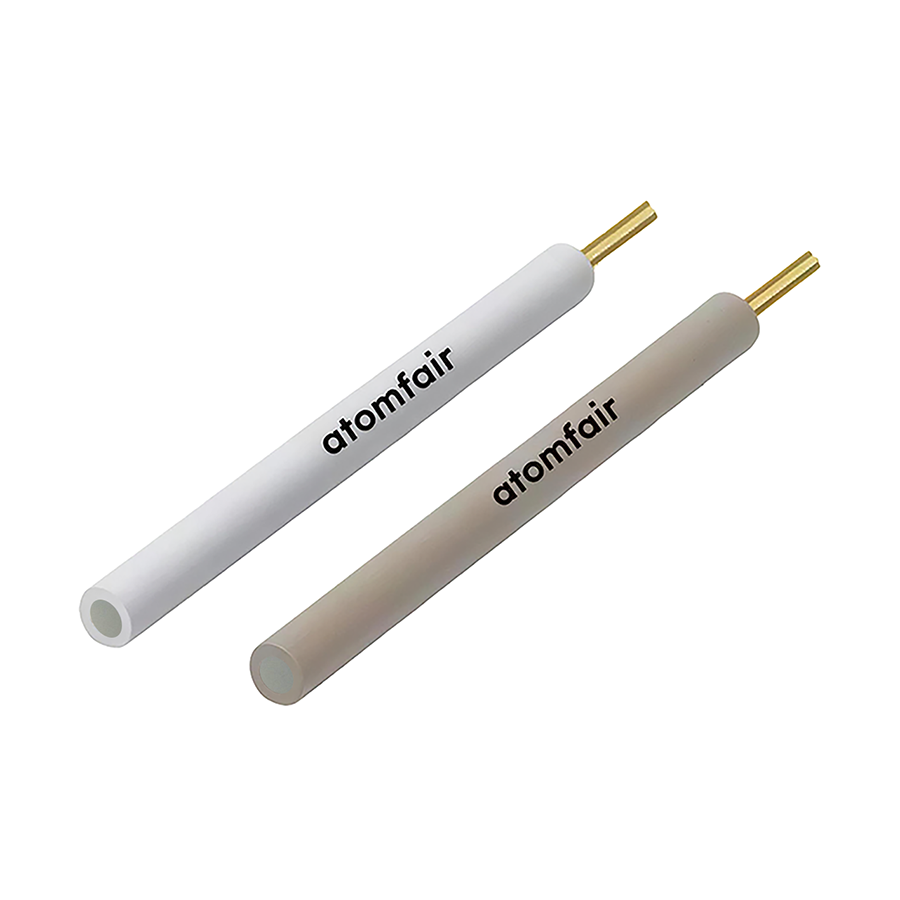
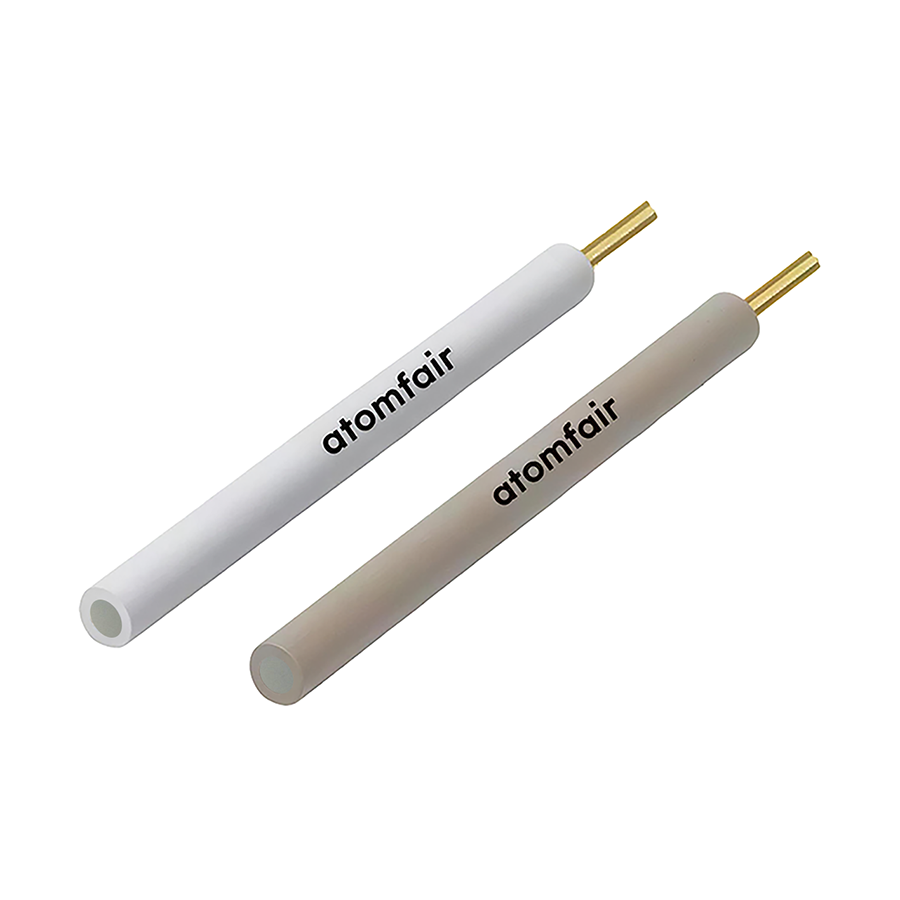
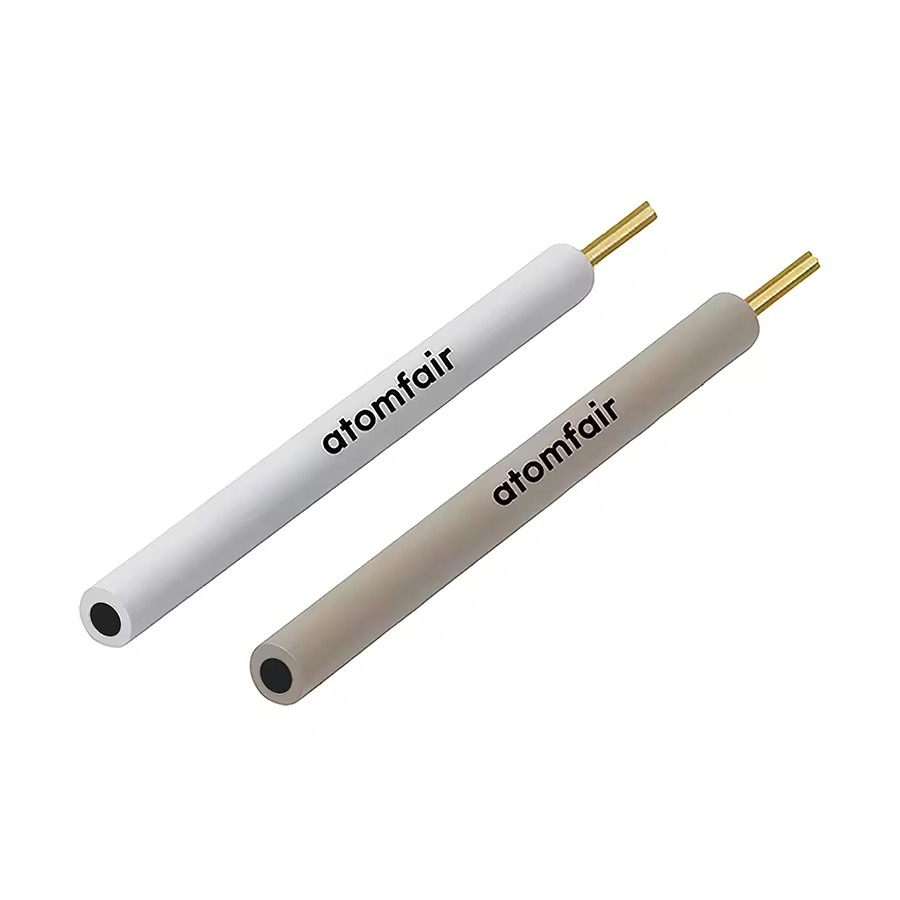
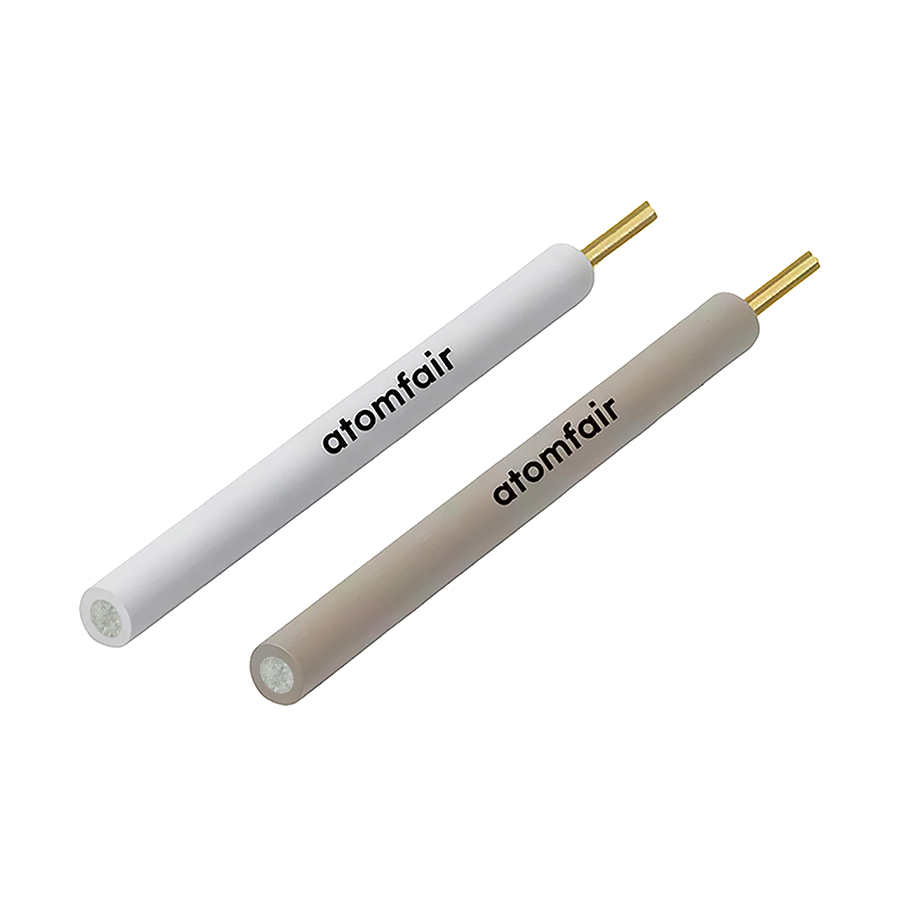
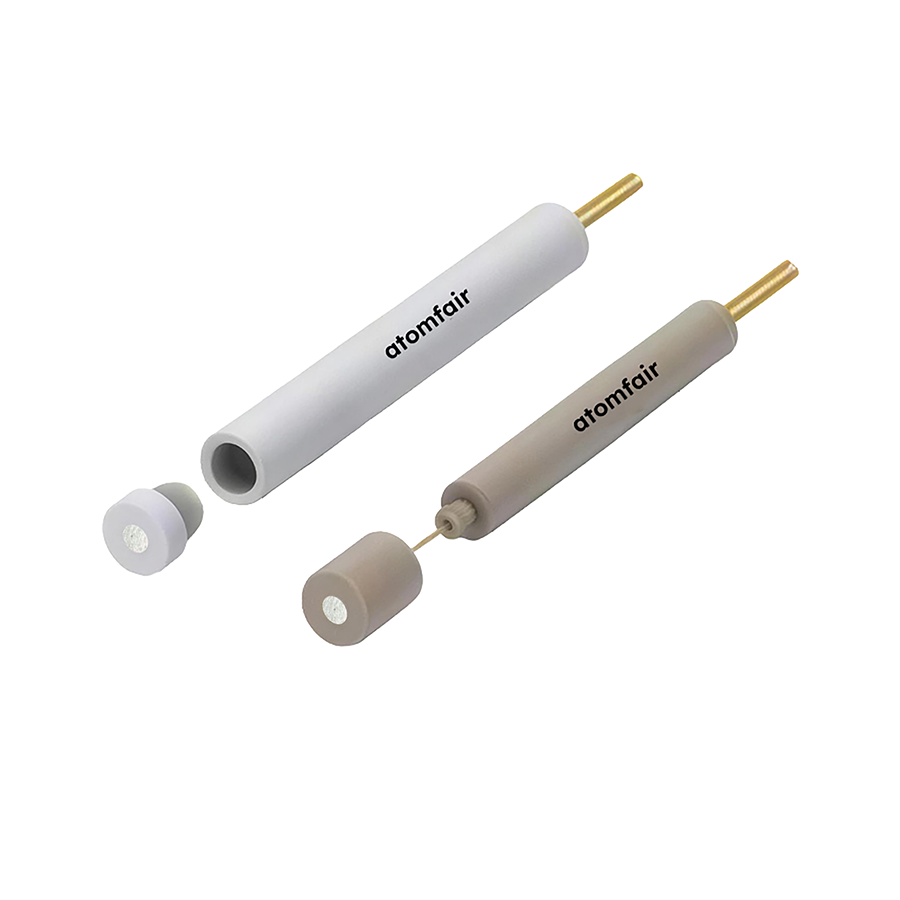
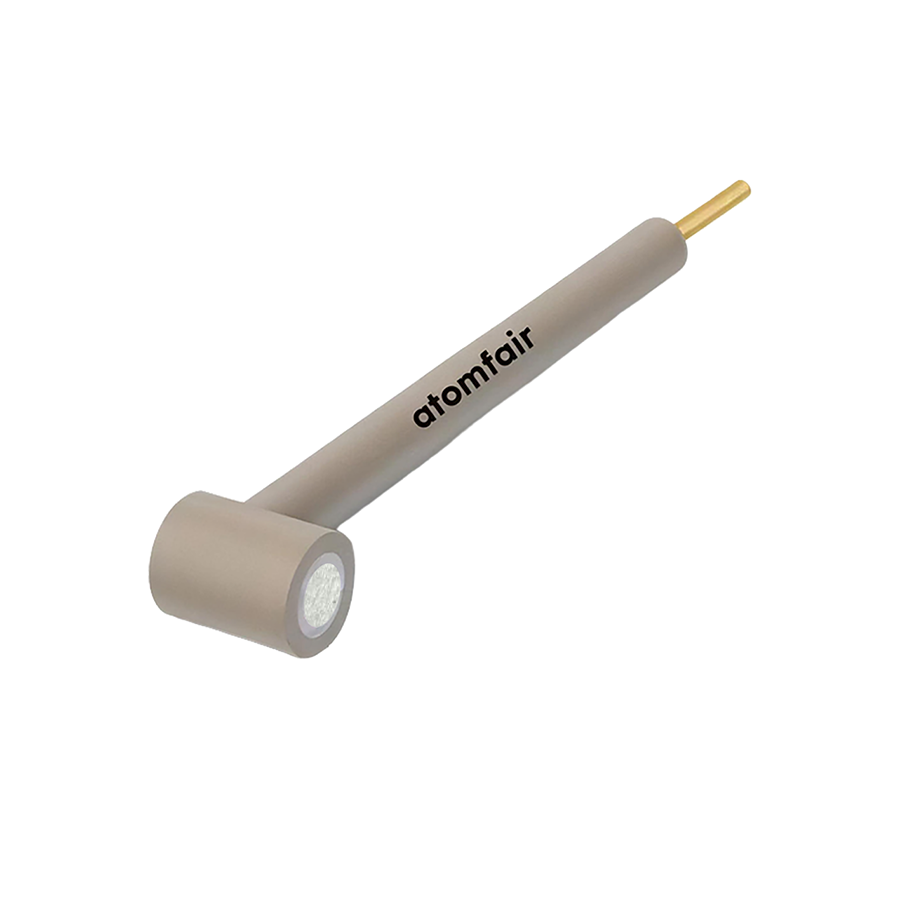
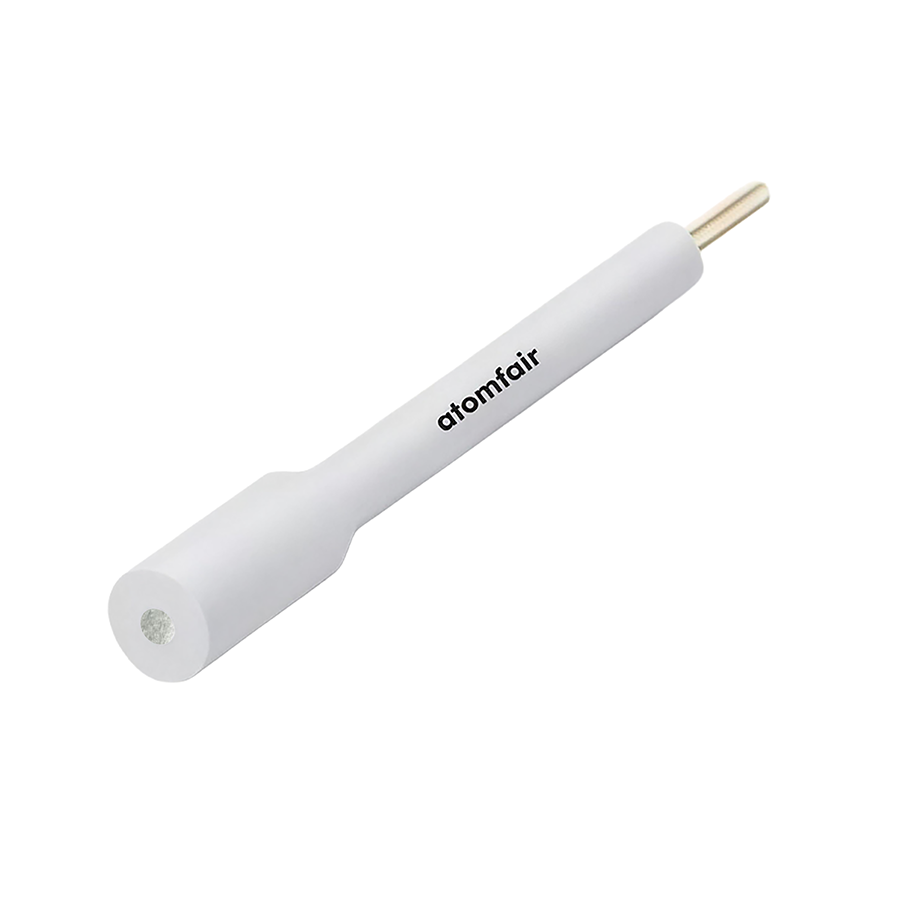
The T-Shaped Iron Working Electrode (SKU: AF-EC-E-TSHA-SPEC-0131) offers a PTFE-insulated body with a gold-plated copper connector rod for corrosion resistance, but its iron tip is highly sensitive to surface contamination and requires strict anhydrous inert handling to maintain electrochemical performance.
Positive
- Corrosion-resistant gold-plated connector: The gold-plated copper rod (1.5x15mm) provides enhanced oxidation resistance and stable conductivity over extended use, reducing signal degradation in long-term electrochemical experiments.
- Chemically inert PTFE body: The polytetrafluoroethylene (PTFE) insulative body offers excellent chemical inertness and thermal stability, minimizing interference from the housing in aggressive electrolyte environments.
Trade-offs
- Surface contamination sensitivity: The iron working surface is highly sensitive to contamination; containers must be kept tightly sealed or handled exclusively within an anhydrous inert environment to prevent phase contamination or degradation before electrochemical validation.
- Limited diameter range: Available only in 2mm to 4mm diameter options, which may restrict experimental flexibility for applications requiring larger or non-standard electrode surface areas.
Every advanced material, component, equipment, and instrument in our catalog is backed by rigorous testing. We maintain strict internal quality management frameworks and align with CE conformity metrics to deliver transparent, reproducible performance data via our public open-science repository.
To request raw batch performance data, submit formal vendor registration paperwork, or execute a fast-turnaround R&D manufacturing loop, contact us at inquiry@atomfair.com.
Item is dispatched under the Atomfair Shipping & Delivery Framework (Free worldwide shipping on orders over $59 USD excl. heavy equipment). Return is governed by the Atomfair Return & Refund Policy (7-day technical return window).