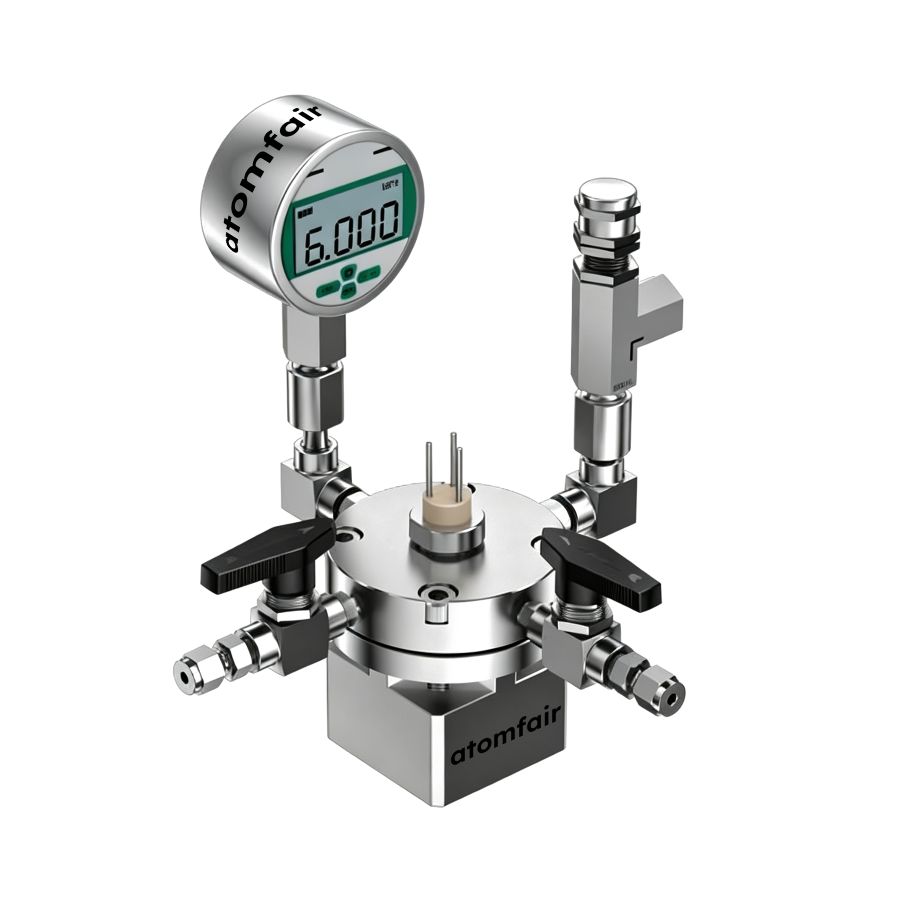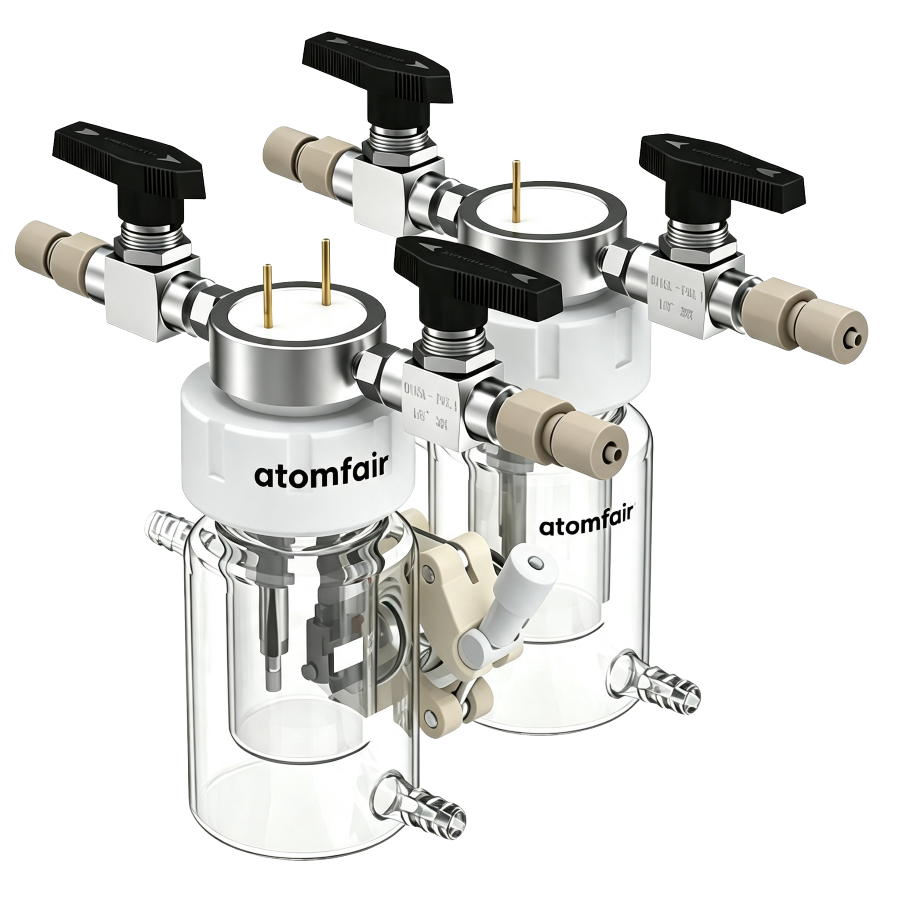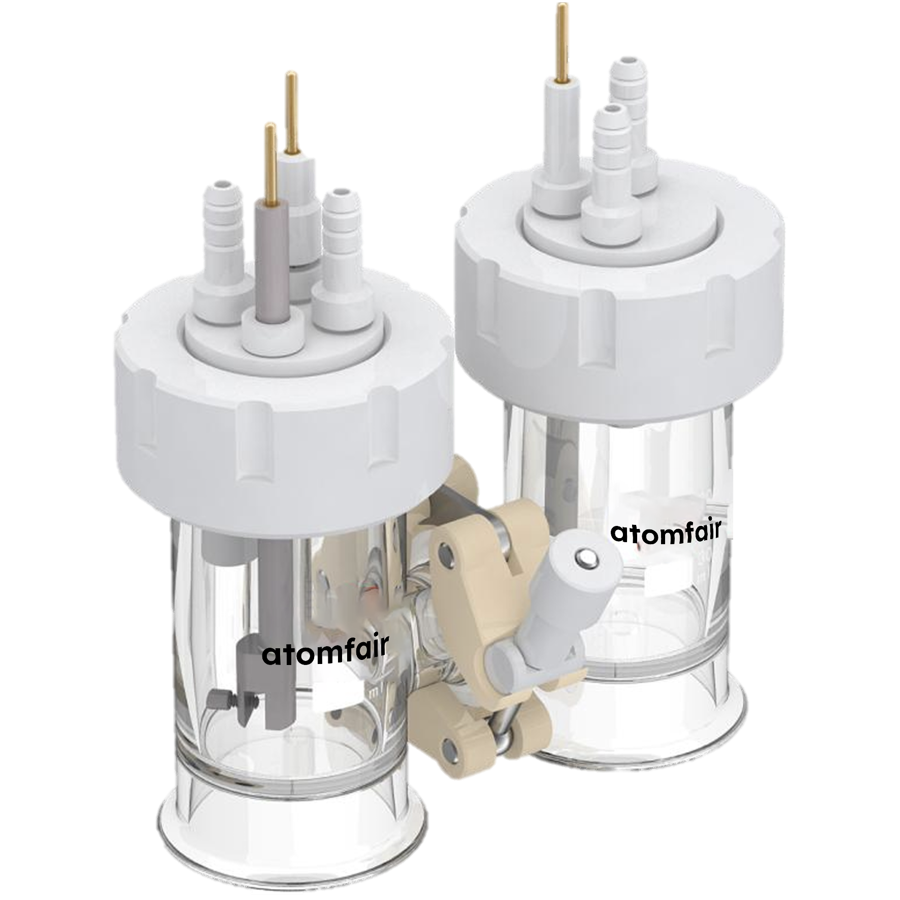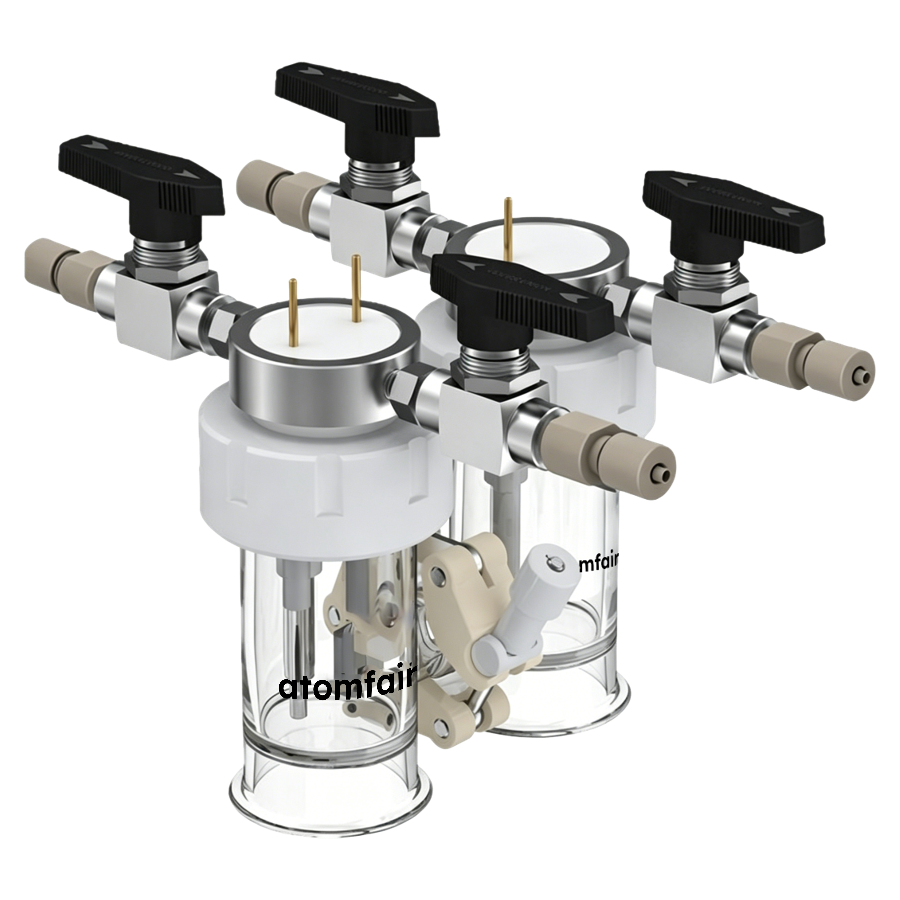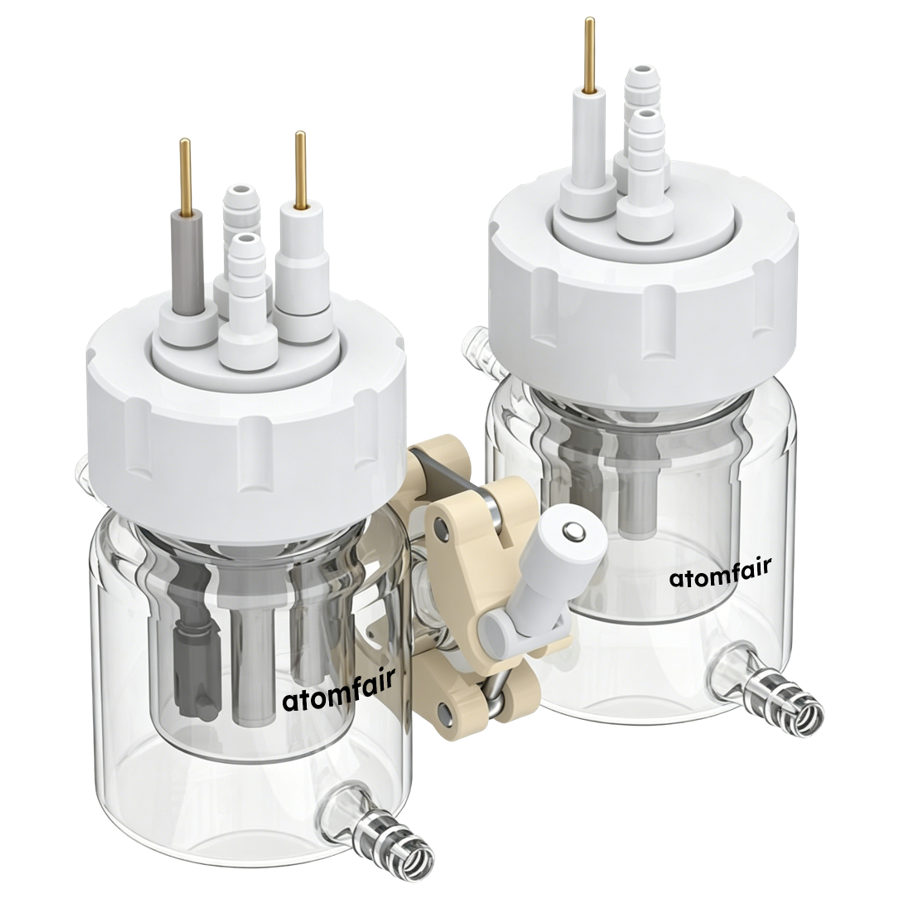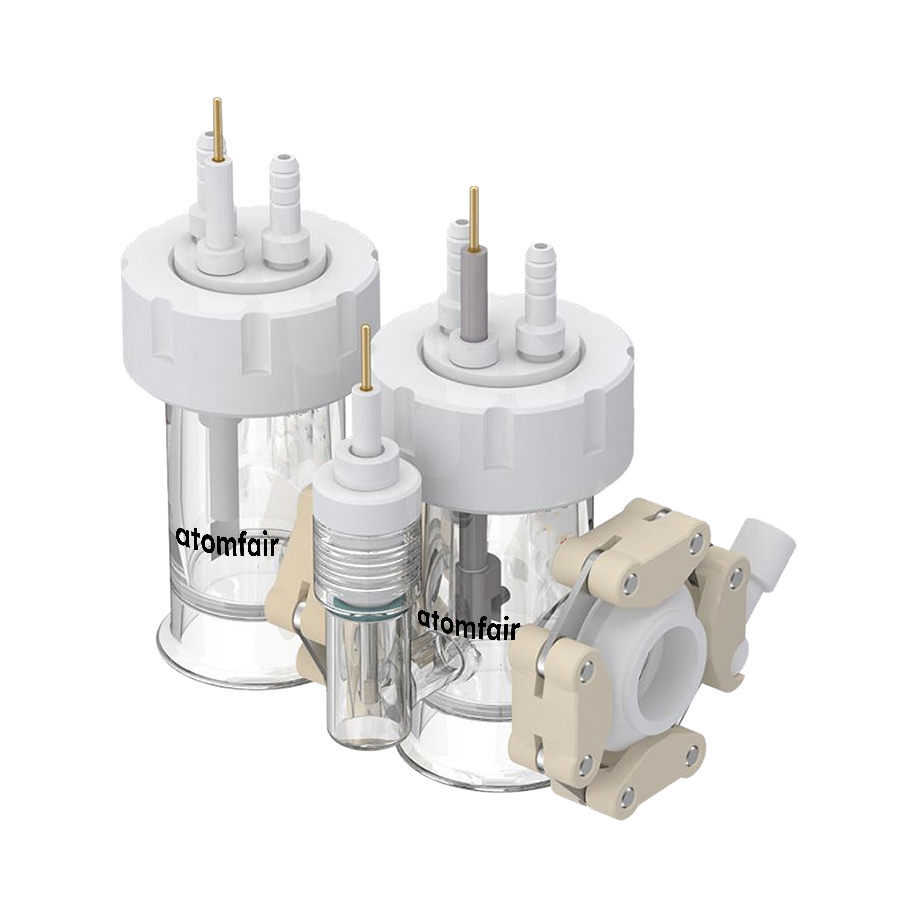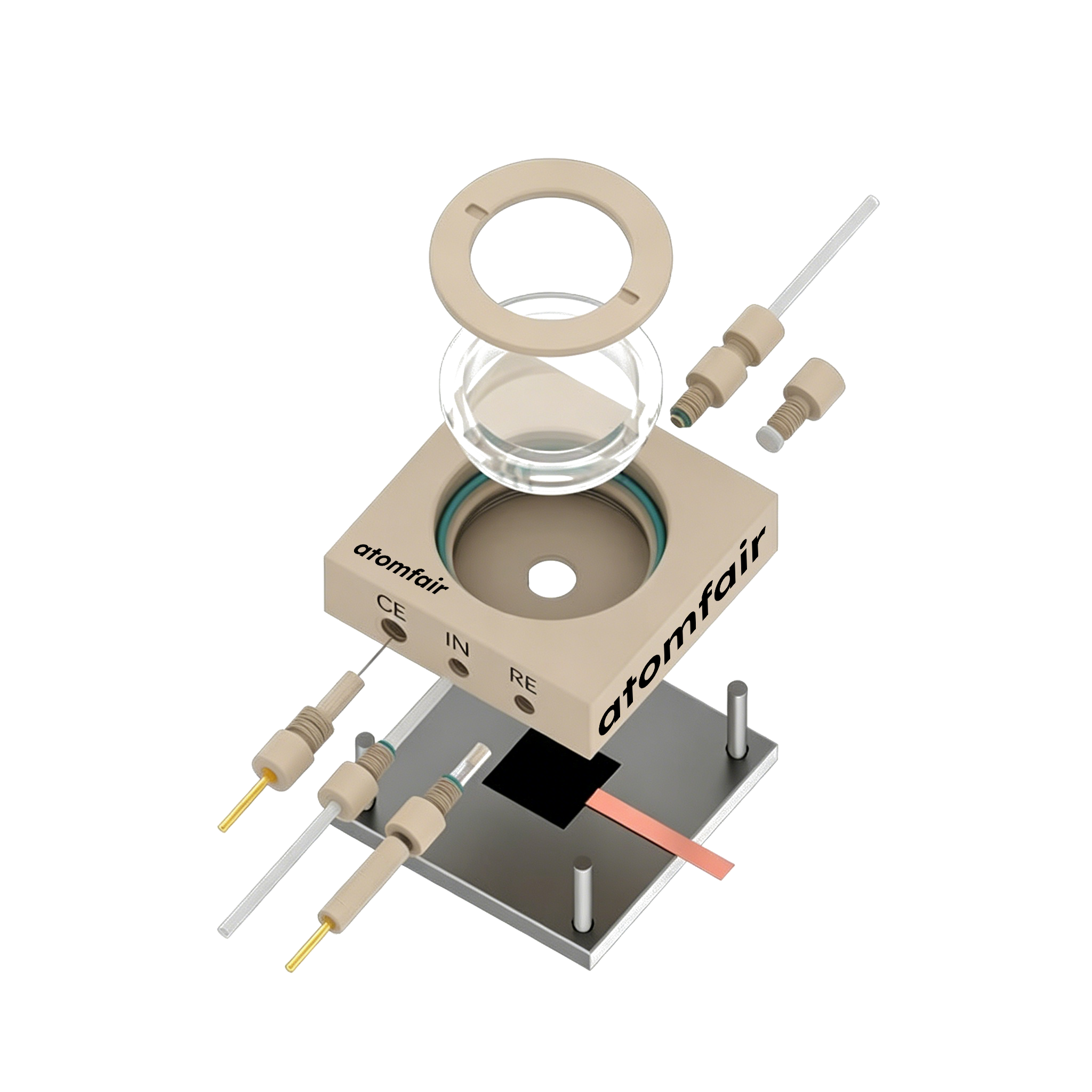
In-situ Raman Electrochemical Cell, Basic TypeProduct Type: In-situ Raman electrochemical cell
Research-grade laboratory product
|
|||||||||||||||||||||
|
|||||||||||||||||||||
|
LABORATORY PROCUREMENT SUPPORT
For model selection, technical compatibility or configuration confirmation, contact our technical sales team.
E-MAIL: inquiry@atomfair.com
|
|||||||||||||||||||||
|
Manufacturer: Atomfair LLC LLC
Brand: ATOMFAIR®
|
What is the working electrode-to-window distance for the Atomfair AF-RM-BAS in-situ Raman electrochemical cell and how does it affect spectral collection?
The working electrode-to-window distance is less than 6 mm, which minimizes electrolyte path length and optical absorption, enabling efficient Raman signal collection through the 37 mm quartz window directly above the electrode. This short working distance is critical for maintaining high signal-to-noise ratios in in-situ spectroelectrochemical measurements.
Can the Atomfair AF-RM-BAS basic in-situ Raman cell be used with non-aqueous electrolytes and air-sensitive materials?
Yes, the PEEK body material provides broad chemical compatibility with organic solvents and non-aqueous electrolytes commonly used in battery and electrocatalysis research. The cell supports flow operation or electrolyte filling by injection, allowing sealed assembly to minimize exposure to air or moisture during in-situ Raman experiments.
What standard electrodes are included with the AF-RM-BAS in-situ Raman electrochemical cell and is the working electrode area customizable?
The cell includes an Ag/AgCl or Ag⁺ reference electrode and a platinum wire counter electrode as standard. The working electrode area is 1 cm² by default but is customizable upon request, allowing adaptation to specific electrode materials or experimental geometries without requiring a different cell body.
The Atomfair AF-RM-BAS In-situ Raman Electrochemical Cell features a short optical path (<6 mm) between the working electrode and quartz window, enhancing Raman signal collection efficiency. Its PEEK body supports quick assembly and flow operation, but electrodes and membranes must be purchased separately, and PEEK chemical compatibility should be verified for aggressive electrolytes.
Positive
- Short optical path for enhanced signal: Working electrode to window distance is less than 6 mm, minimizing solution absorption and improving Raman signal quality.
- Quick assembly and disassembly: Cell design allows rapid assembly and disassembly, facilitating cleaning between electrochemical tests.
Trade-offs
- PEEK body chemical compatibility: PEEK material may be incompatible with strong acids, bases, or certain organic solvents; users must verify compatibility with their electrolyte system.
- Electrodes and membranes not included: Reference electrodes, counter electrodes, membranes, and gas diffusion electrodes are purchased separately; configuration must be confirmed before ordering.
Every advanced material, component, equipment, and instrument in our catalog is backed by rigorous testing. We maintain strict internal quality management frameworks and align with CE conformity metrics to deliver transparent, reproducible performance data via our public open-science repository.
To request raw batch performance data, submit formal vendor registration paperwork, or execute a fast-turnaround R&D manufacturing loop, contact us at inquiry@atomfair.com.
Item is dispatched under the Atomfair Shipping & Delivery Framework (Free worldwide shipping on orders over $59 USD excl. heavy equipment). Return is governed by the Atomfair Return & Refund Policy (7-day technical return window).