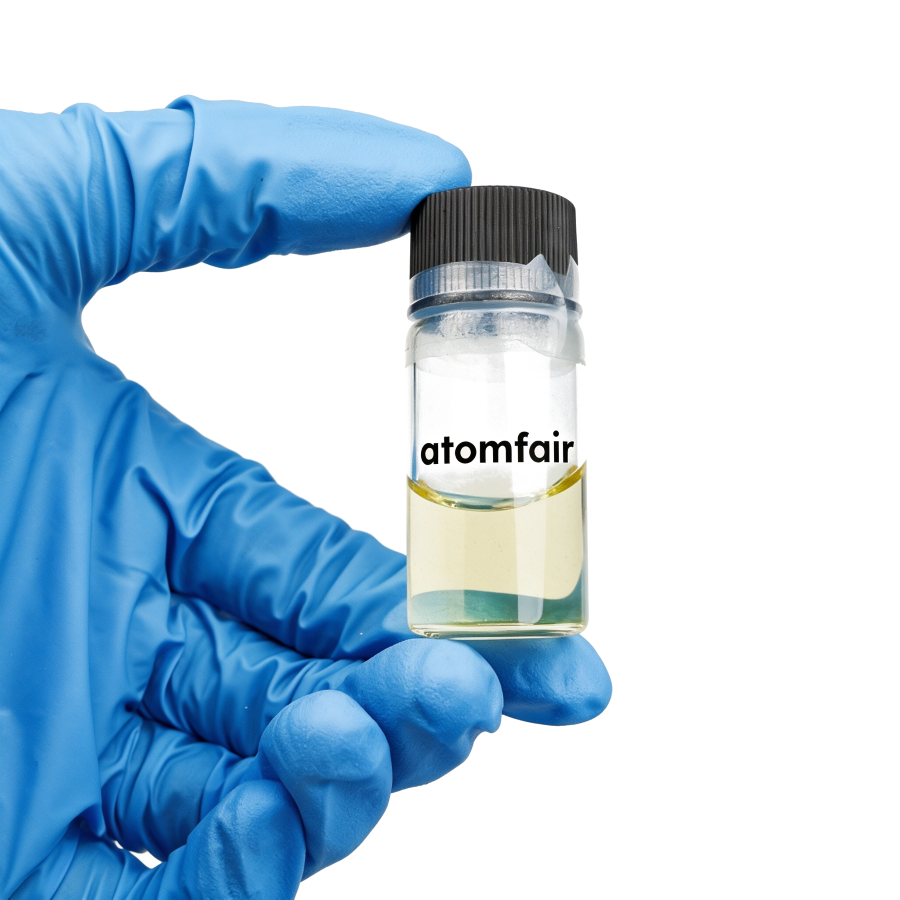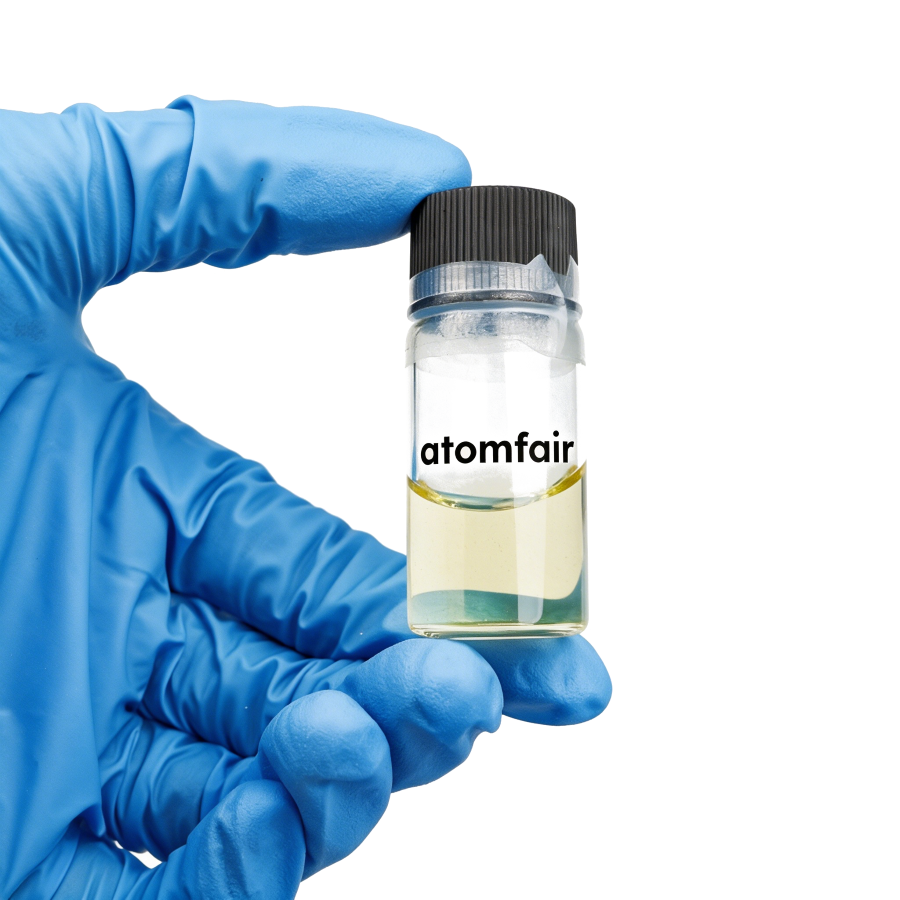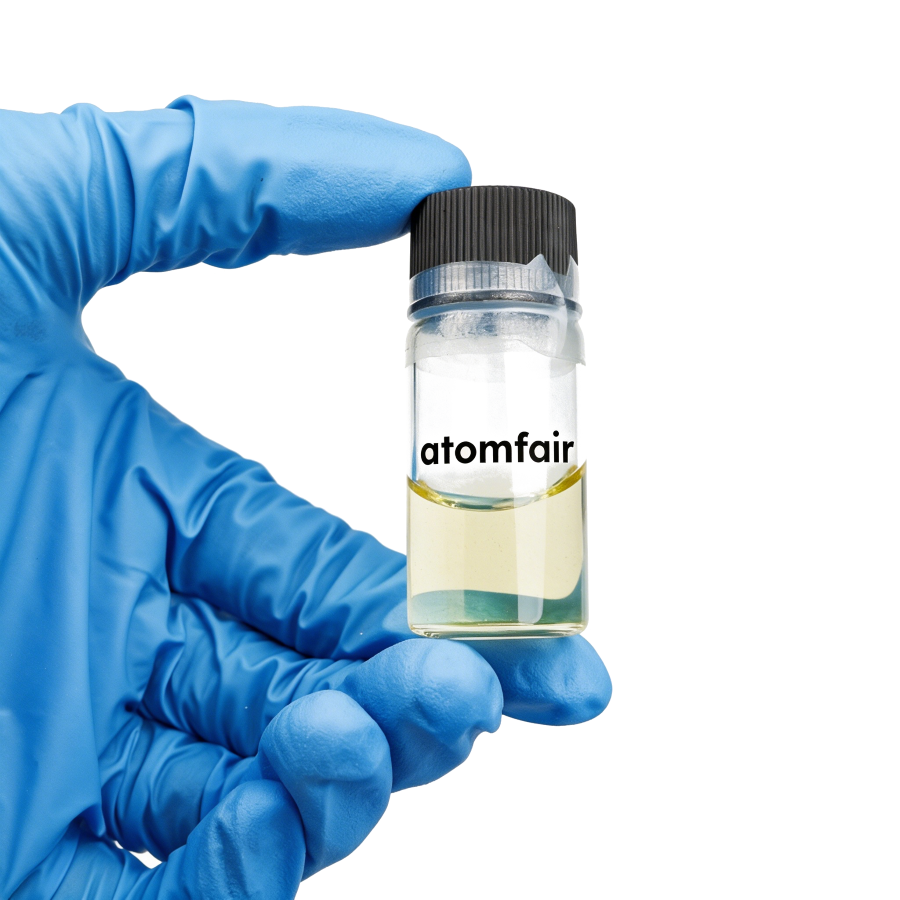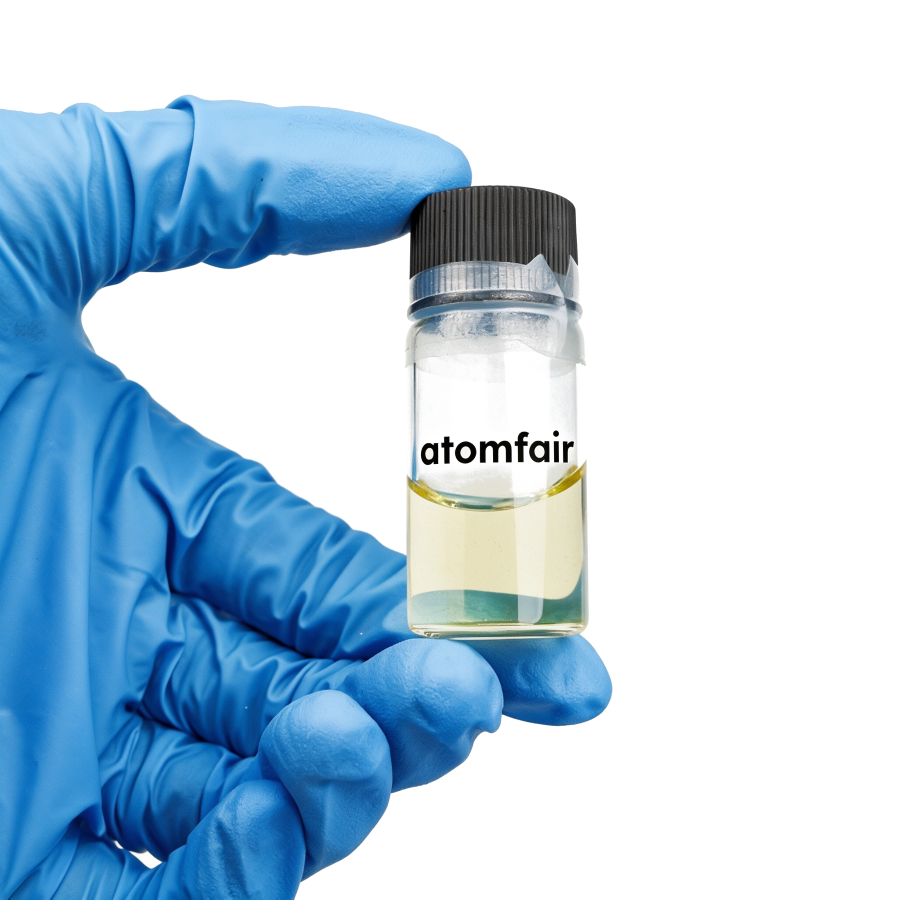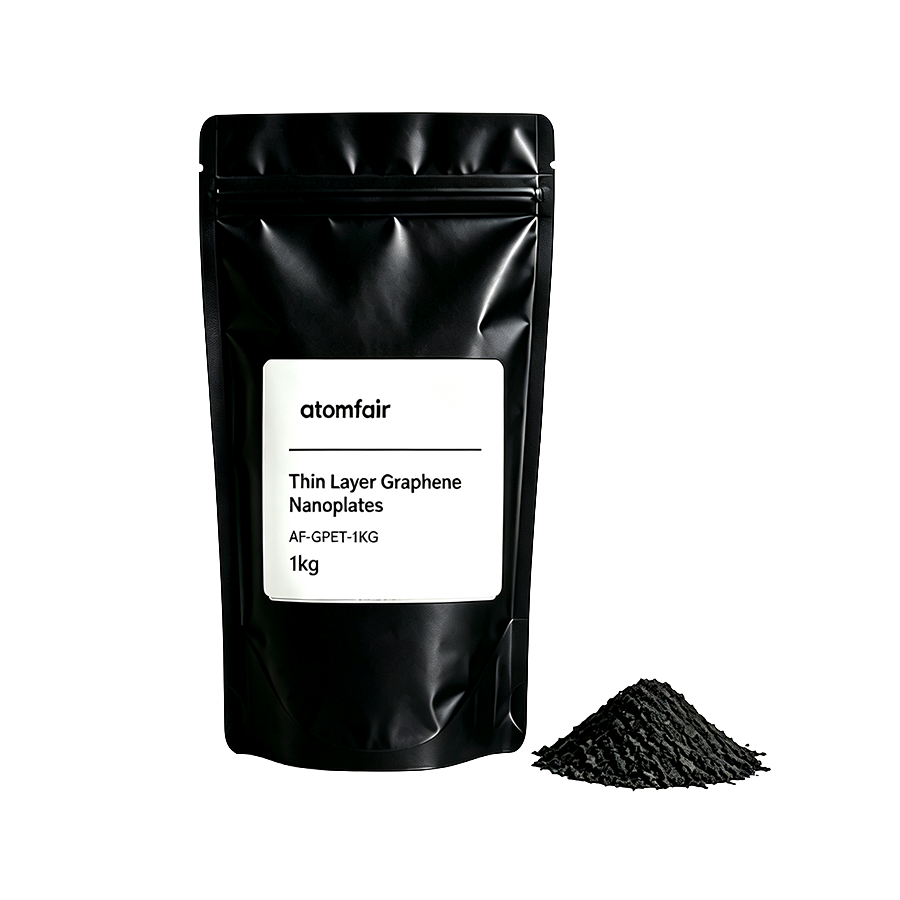
Thin Layer Graphene Nanoplates, 1 kgProduct Type: Thin Layer Graphene Nanoplates
Research-grade laboratory product
|
|||||||||||||||||||||||||||
|
|||||||||||||||||||||||||||
|
LABORATORY PROCUREMENT SUPPORT
For material selection, package confirmation, specification review or formulation-fit discussion, contact our technical sales team.
E-MAIL: inquiry@atomfair.com
|
|||||||||||||||||||||||||||
|
Manufacturer: Atomfair LLC
Brand: ATOMFAIR®
|
Manufacturer: Atomfair LLC
Brand: ATOMFAIR®
What is the electrical conductivity range of the Atomfair Thin Layer Graphene Nanoplates and how does it support conductive material screening?
The conductivity is 800-1100 S/cm, as stated in the technical specifications for the AF-TLGNP-1KG model. This range qualifies the material for conductive material screening in electronics, thermal management, and coating applications.
How do the bulk and tap density values of these graphene nanoplates affect formulation and processing?
The bulk density is 0.06-0.09 g/cm3 and tap density is 0.10-0.15 g/cm3, as listed in the specifications. These low-density values support formulation and feed behavior review, indicating that the powder may require careful handling during blending and dispersion in composite or coating workflows.
What is the preparation method for these thin layer graphene nanoplates and how does it influence structural quality?
The nanoplates are prepared by liquid-phase ultrasonic exfoliation, which yields a complete structure with fewer defects. This method is described in the product overview and supports the thin-layer morphology that is beneficial for composite, coating, and energy device research.
Thin layer graphene nanoplates with 800-1100 S/cm conductivity prepared via liquid-phase ultrasonic exfoliation, offering a high-conductivity carbon nanomaterial for conductive, thermal, and composite research. The low bulk density and exfoliation method impose handling and dispersion considerations for formulation.
Positive
- High electrical conductivity range: Conductivity of 800-1100 S/cm supports screening and integration into conductive inks, coatings, and composite formulations requiring low electrical resistance.
- Thin-layer morphology for composites: Liquid-phase ultrasonic exfoliation yields thin-layer graphene nanoplates with complete structure and fewer defects, making them suitable for mechanical reinforcement and thermal percolation in polymer composites and coatings.
Trade-offs
- Low bulk and tap density: Bulk density of 0.06-0.09 g/cm³ and tap density of 0.10-0.15 g/cm³ indicate a highly aerated powder prone to airborne dust, requiring careful handling, containment, and feed calibration in blending equipment.
- Liquid-phase exfoliation residues: The preparation method may introduce residual solvent or require specific dispersion protocols, necessitating confirmation of dispersion medium and storage conditions for reproducible formulation results.
Every advanced material, component, equipment, and instrument in our catalog is backed by rigorous testing. We maintain strict internal quality management frameworks and align with CE conformity metrics to deliver transparent, reproducible performance data via our public open-science repository.
To request raw batch performance data, submit formal vendor registration paperwork, or execute a fast-turnaround R&D manufacturing loop, contact us at inquiry@atomfair.com.
Item is dispatched under the Atomfair Shipping & Delivery Framework (Free worldwide shipping on orders over $59 USD excl. heavy equipment). Return is governed by the Atomfair Return & Refund Policy (7-day technical return window).