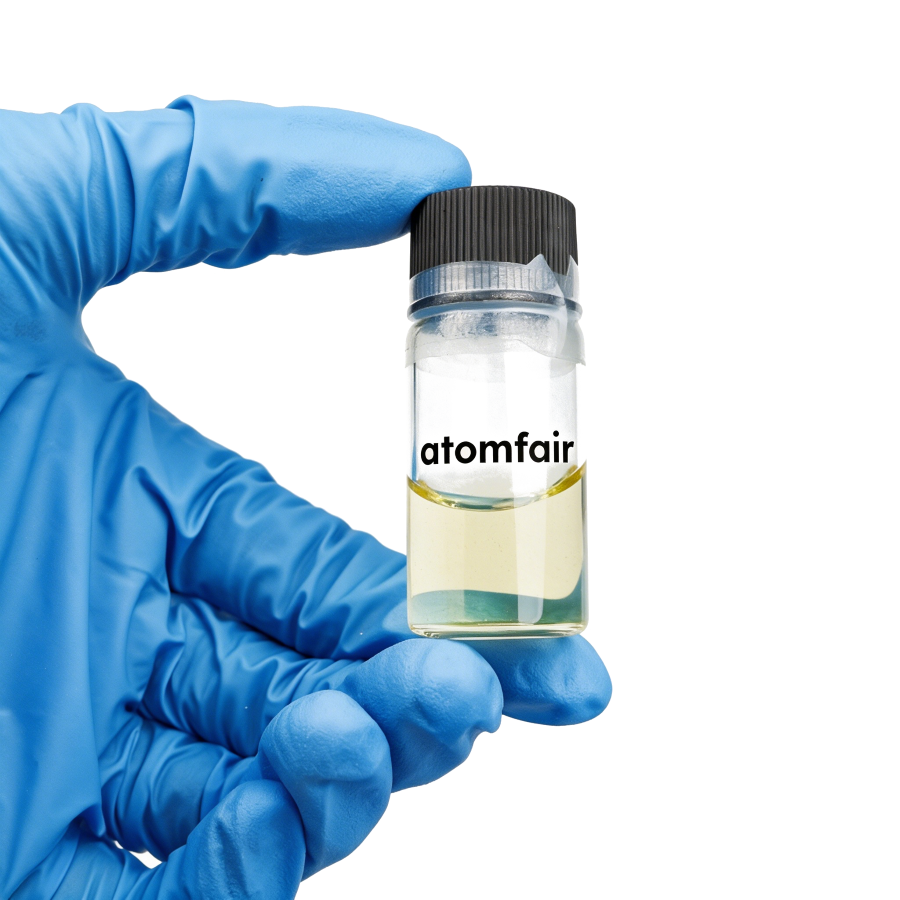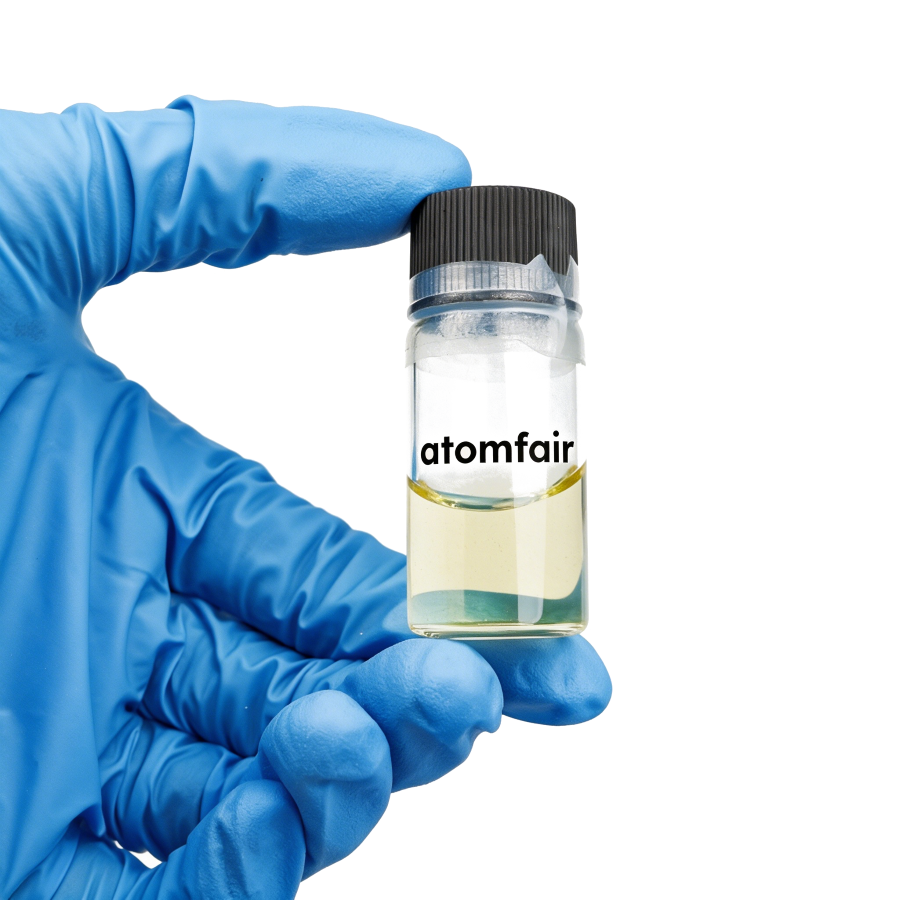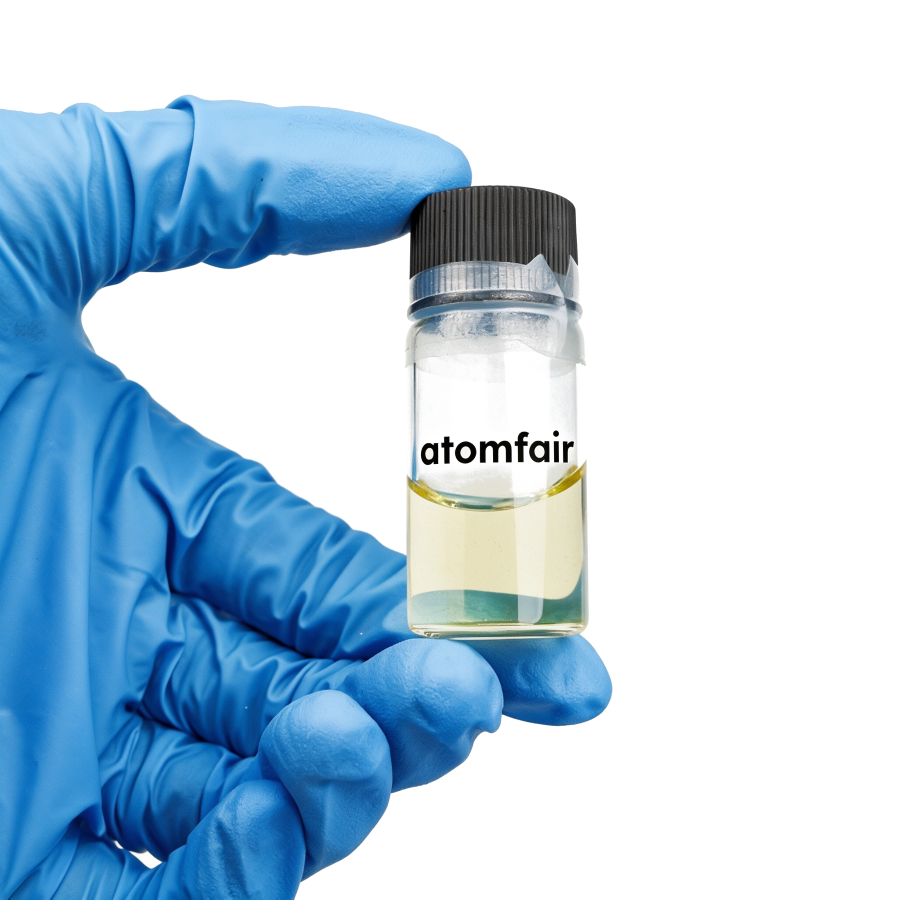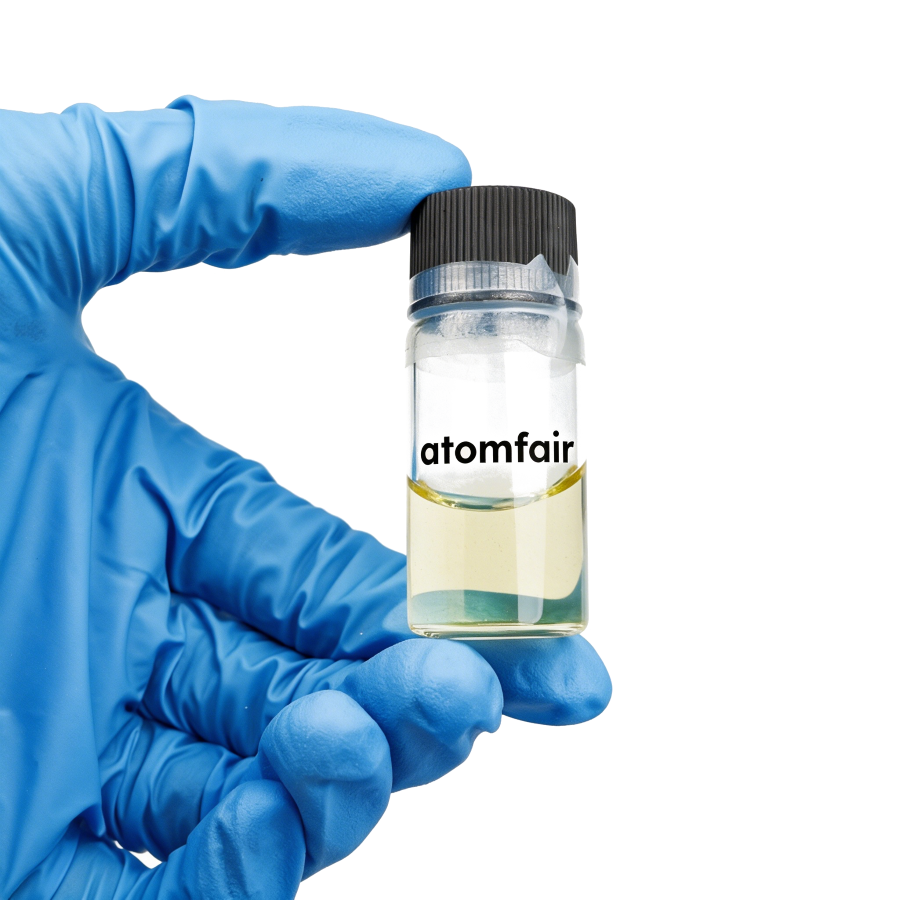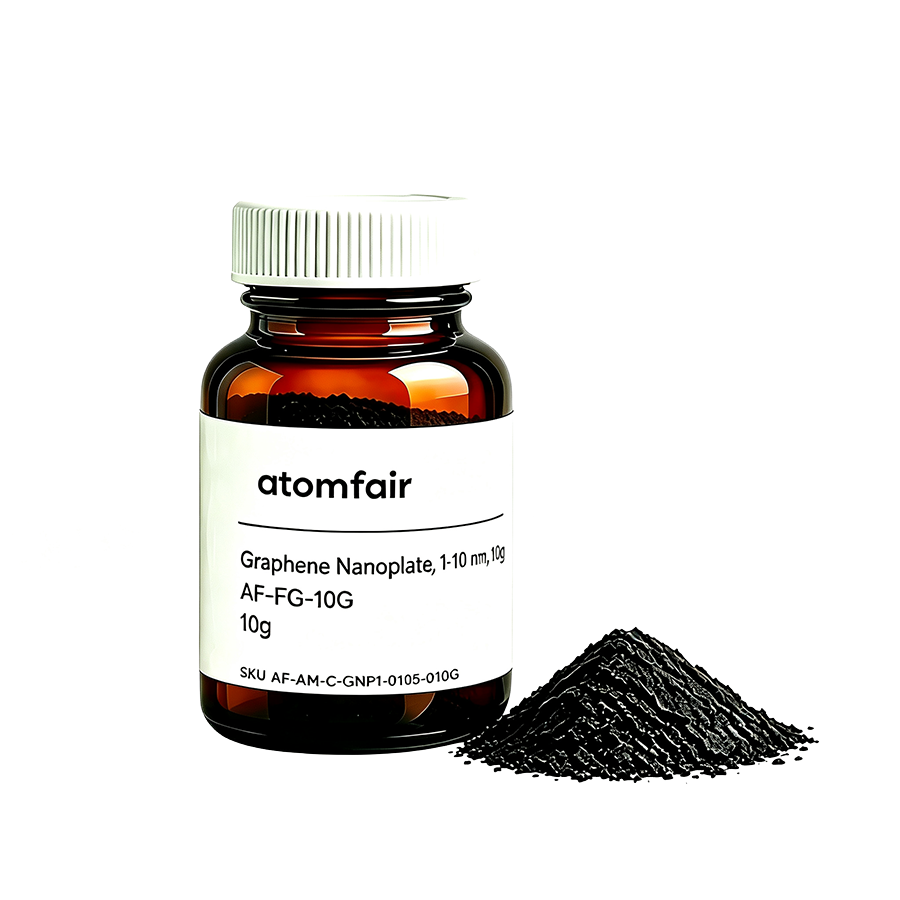
Graphene Nanoplate, 1-5 nm, 10 gProduct Type: Graphene Nanoplate
Research-grade laboratory product
|
|||||||||||||||||||||||||
|
|||||||||||||||||||||||||
|
LABORATORY PROCUREMENT SUPPORT
For material selection, package confirmation, specification review or formulation-fit discussion, contact our technical sales team.
E-MAIL: inquiry@atomfair.com
|
|||||||||||||||||||||||||
|
Manufacturer: Atomfair LLC
Brand: ATOMFAIR®
|
Manufacturer: Atomfair LLC
Brand: ATOMFAIR®
This material requires dispersion medium and processing route confirmation prior to formulation to prevent agglomeration or structural degradation. Storage conditions must maintain room-temperature stability to preserve the complete exfoliated structure and electrical conductivity.
- Dispersion Compatibility: Confirm the dispersion medium and downstream material system before purchase to ensure compatibility and avoid aggregation.
- Processing Route Requirement: Select a processing route that preserves the thin nanosheet structure and prevents defect introduction during formulation.
This procedure describes safe handling and dispersion of graphene nanoplates for composite or coating research. Follow these steps to maintain material integrity and achieve uniform dispersion.
Required Equipment: Analytical balance, Ultrasonic bath or probe sonicator, Dispersion medium (e.g., solvent or polymer solution)
- Weigh material
Weigh the required quantity of graphene nanoplate powder using an analytical balance in a clean, dry environment. - Prepare dispersion medium
Transfer the pre-selected dispersion medium to a clean container and confirm its compatibility with the nanoplate surface chemistry. - Disperse nanoplates
Add the weighed graphene nanoplate powder to the dispersion medium and sonicate at low power for 10–30 minutes to achieve uniform dispersion. - Verify dispersion quality
Inspect the dispersion visually for absence of visible aggregates and confirm stability before incorporating into the final formulation.
How does the liquid-phase ultrasonic exfoliation method affect the structural integrity and electrical conductivity of these graphene nanoplatelets?
The liquid-phase ultrasonic exfoliation yields graphene with a complete structure and fewer defects compared to harsher chemical or mechanical methods. This results in an electrical conductivity of 500–1000 S/cm, supporting conductive material development for composites, coatings, and energy-material research.
What sheet diameter and thickness range is optimal for integrating these graphene nanoplatelets into polymer composites or conductive coatings?
The nanoplatelets have a sheet diameter of 1–3 µm and a thickness of 1–5 nm, providing a high aspect ratio that facilitates dispersion in polymer matrices and coating formulations. The thin profile and 500–1000 S/cm conductivity make them suitable for applications requiring defined nanosheet dimensions and conductive carbon behavior.
What handling and storage conditions are recommended to preserve the properties of these graphene nanoplatelets?
The material is described as having a stable carbon structure that supports room-temperature handling. Specific storage conditions beyond standard laboratory practice for fine powders are not detailed in the product description, but the product is a research-grade item intended for laboratory use.
This 10 g graphene nanoplate is liquid-phase ultrasonically exfoliated to 1-5 nm thickness and 1-3 µm sheet diameter, with 500-1000 S/cm electrical conductivity, making it a thin, low-defect conductive carbon candidate for composite, coating, and energy-material research.
Positive
- Thin low-defect exfoliated structure: Liquid-phase ultrasonic exfoliation produces a 1-5 nm graphene nanoplate described as having complete structure and fewer defects, which supports experiments requiring defined nanosheet thickness and conductive carbon behavior.
- Conductive and room-temperature stable: With 500-1000 S/cm electrical conductivity and a stable carbon structure, the material is suited to conductive graphene formulations, composites, coatings, and energy-material research under room-temperature handling.
Trade-offs
- Dispersion and storage protocol not specified: The product page instructs buyers to confirm dispersion medium, storage requirements, processing route, and downstream material system before purchase, so the user must establish compatibility and handling conditions independently.
Every advanced material, component, equipment, and instrument in our catalog is backed by rigorous testing. We maintain strict internal quality management frameworks and align with CE conformity metrics to deliver transparent, reproducible performance data via our public open-science repository.
To request raw batch performance data, submit formal vendor registration paperwork, or execute a fast-turnaround R&D manufacturing loop, contact us at inquiry@atomfair.com.
Item is dispatched under the Atomfair Shipping & Delivery Framework (Free worldwide shipping on orders over $59 USD excl. heavy equipment). Return is governed by the Atomfair Return & Refund Policy (7-day technical return window).