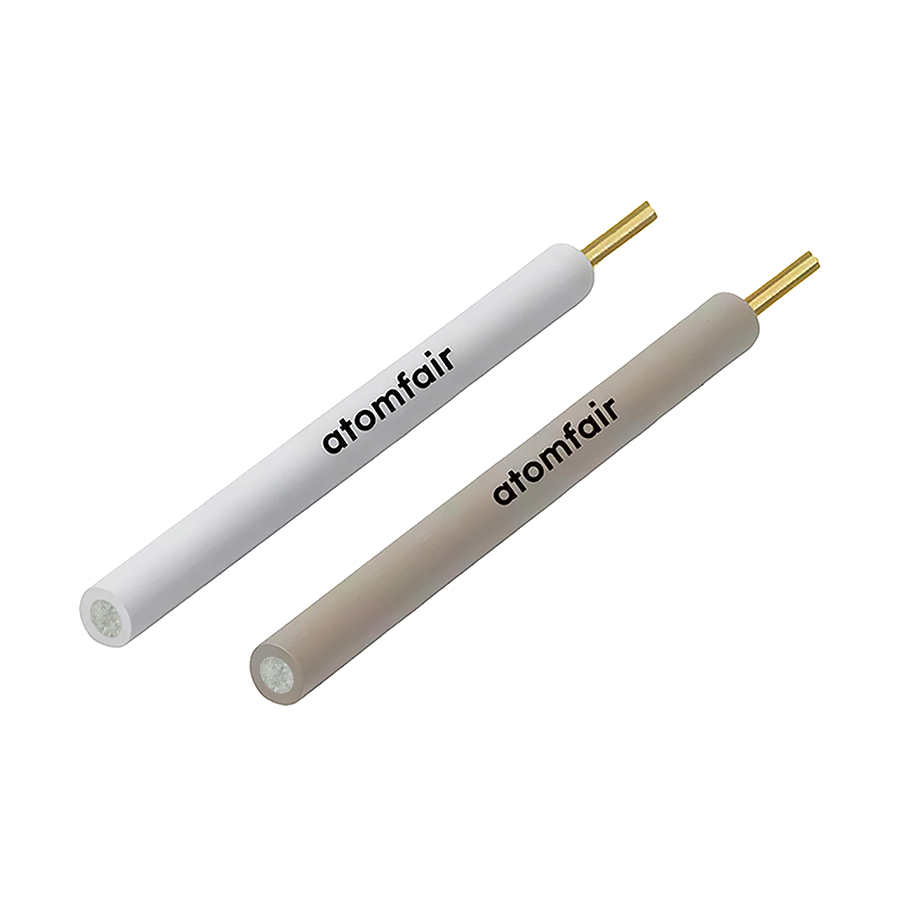
Detachable Electron Microscopy Glassy Carbon Working Electrode Series | ATOMFAIRRESEARCH GRADE INSTRUMENT
|
|||||||||||||||||||||||||||
|
|||||||||||||||||||||||||||
|
TAILORED SOLUTIONS FOR RESEARCH
Contact our engineering team for technical support or official institutional quotations.
EMAIL: inquiry@atomfair.com
|
|||||||||||||||||||||||||||
|
Manufacturer: Atomfair LLC
Brand: ATOMFAIR®
|
|||||||||||||||||||||||||||
The glassy carbon working electrode surface is highly sensitive to contamination from ambient moisture and oxygen. Storage and handling must be performed in an anhydrous inert environment to prevent surface degradation and ensure reproducible electrochemical responses.
- Surface Contamination Sensitivity: The glassy carbon electrode surface is highly sensitive to contamination from ambient moisture, oxygen, and organic vapors, which can alter electrochemical behavior.
- Inert Atmosphere Requirement: All handling and storage of the electrode must be performed in an anhydrous inert environment to prevent surface degradation.
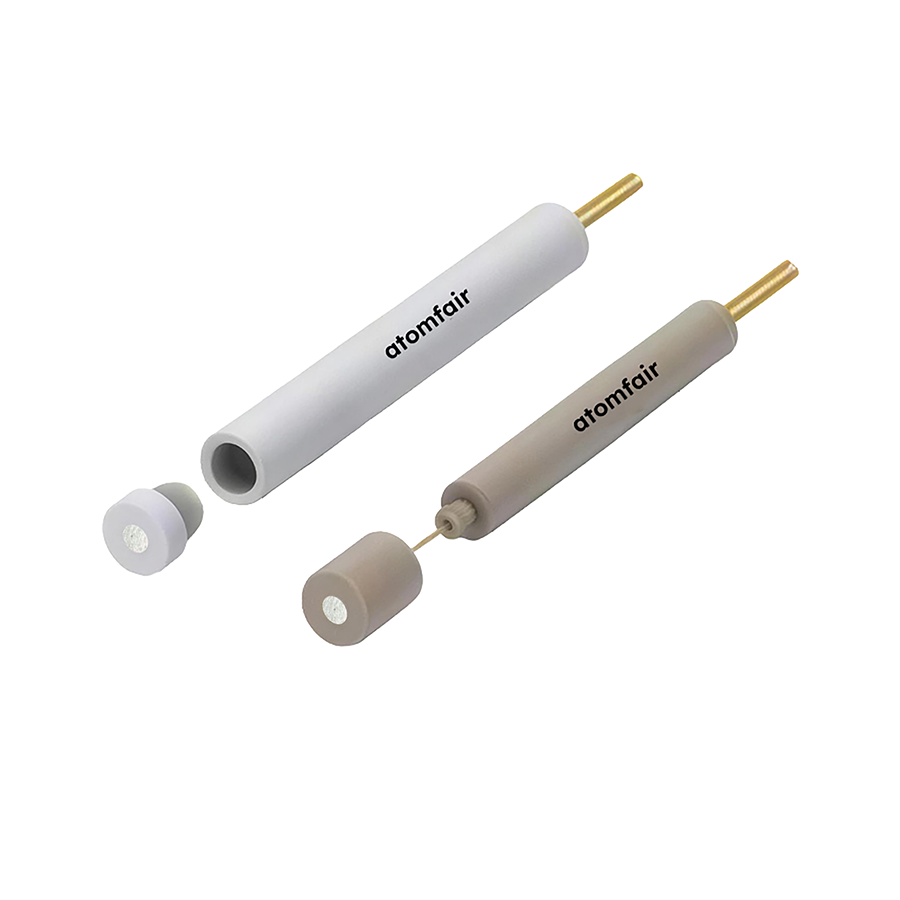
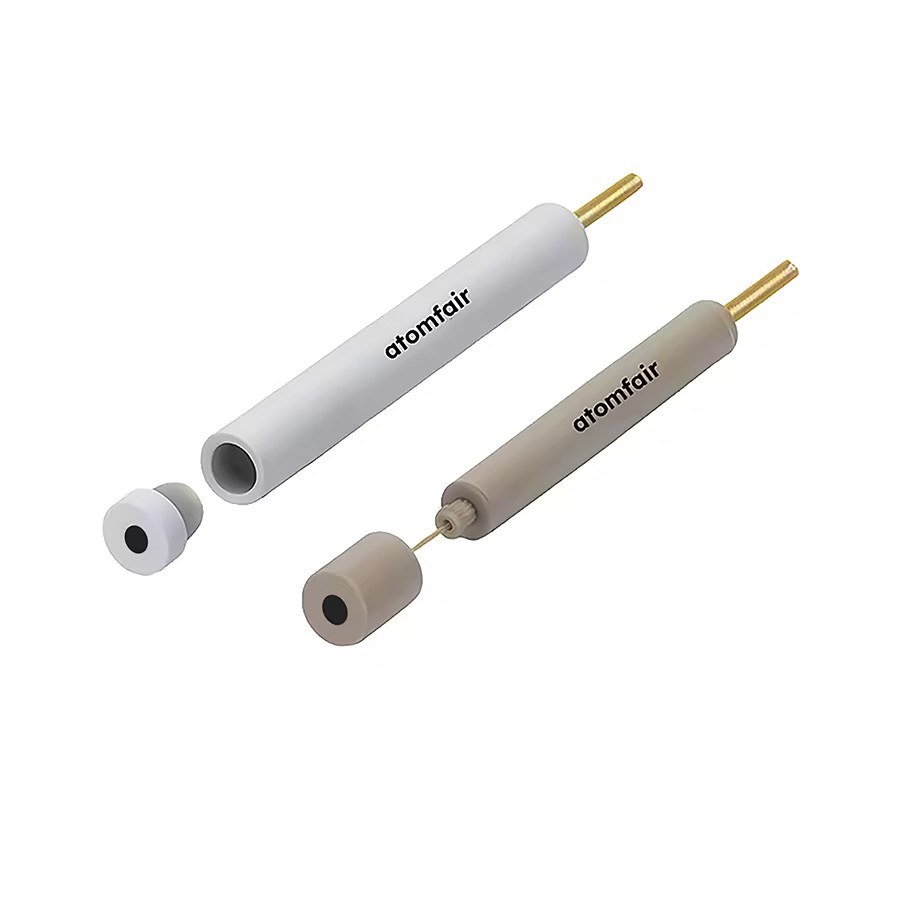
- Detachable Head Maintenance: The detachable head design allows periodic surface renewal without replacing the entire electrode body, extending service life.
This procedure outlines the necessary steps to maintain the electrode surface integrity and prevent contamination. Following these steps ensures optimal electrochemical performance in microscopy-coupled experiments.
- Inspect Electrode Components
Inspect the electrode body and detachable head for any visible damage or contamination upon receipt. - Transfer to Inert Atmosphere
Transfer all electrode components to an anhydrous inert atmosphere environment for all subsequent handling and storage. - Renew Electrode Surface
Renew the electrode surface by replacing the detachable head when electrochemical response degrades or after extended use.
How does electrode diameter selection affect measurement scale and performance in this detachable glassy carbon electrode?
Larger diameters (10–20 mm) provide higher total current for bulk solution analysis, while smaller diameters (1–2 mm) are optimized for micro-electrolysis and high-spatial-resolution mapping. The glassy carbon material maintains homogeneous purity and uniform elemental distribution across all diameters, ensuring reproducible electrochemical responses.
Is this detachable glassy carbon electrode compatible with standard in-situ electron microscopy electrochemical cells?
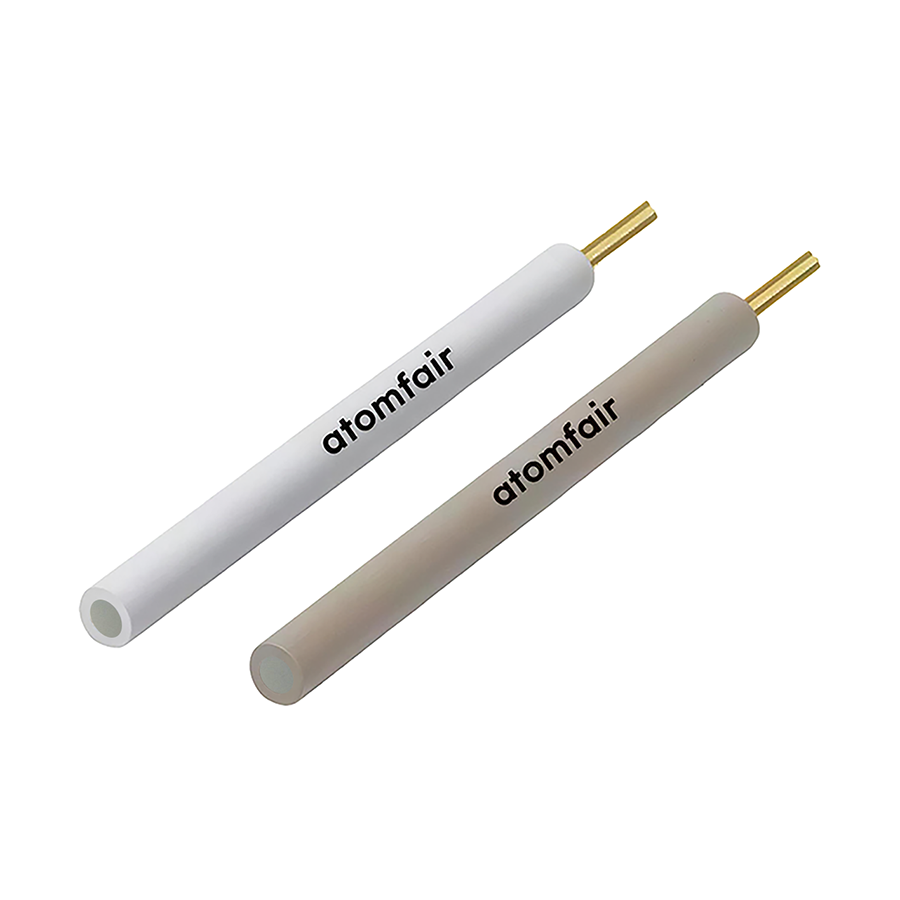
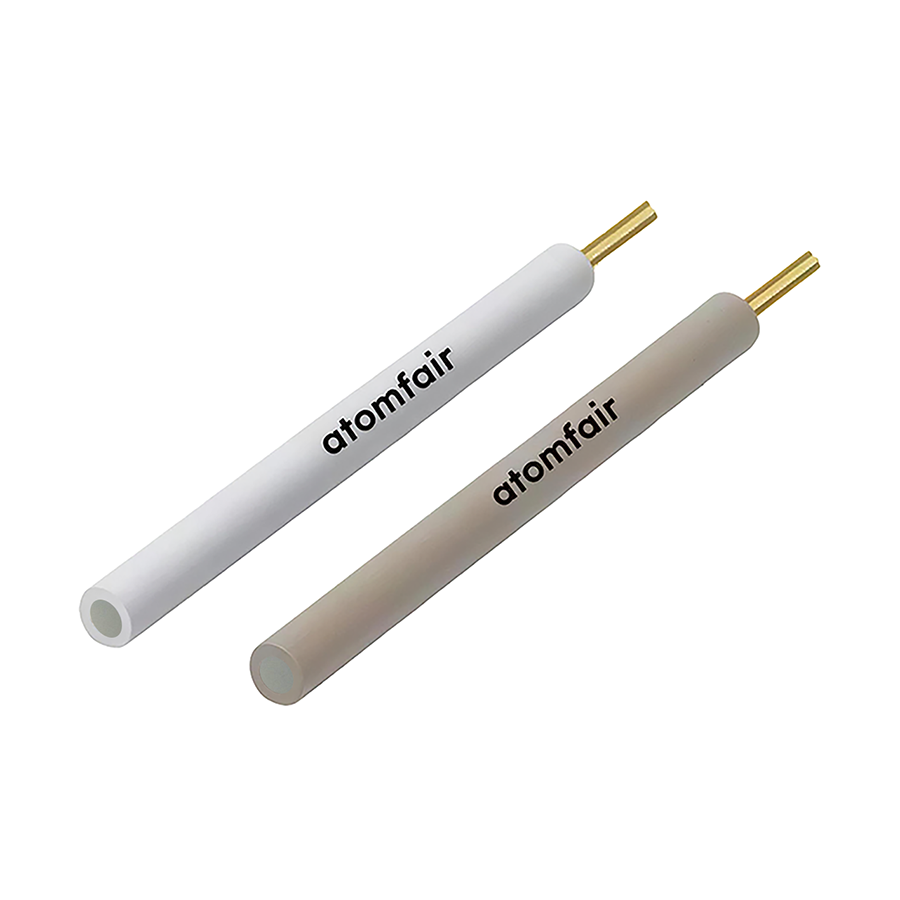
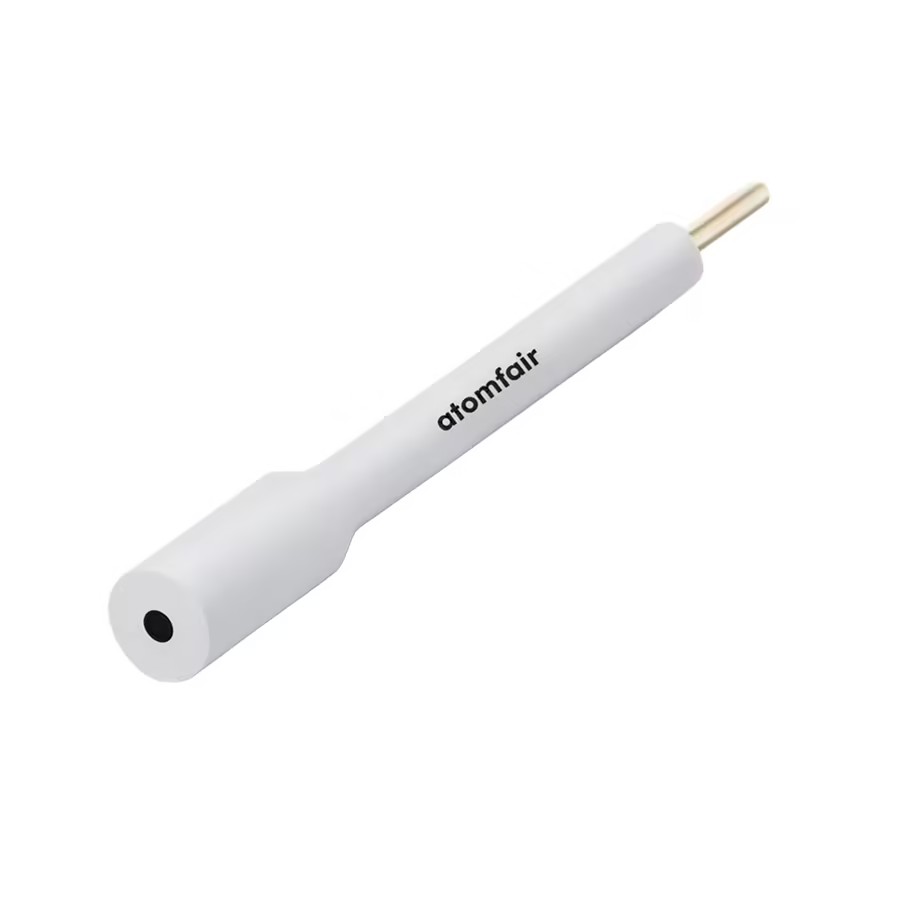
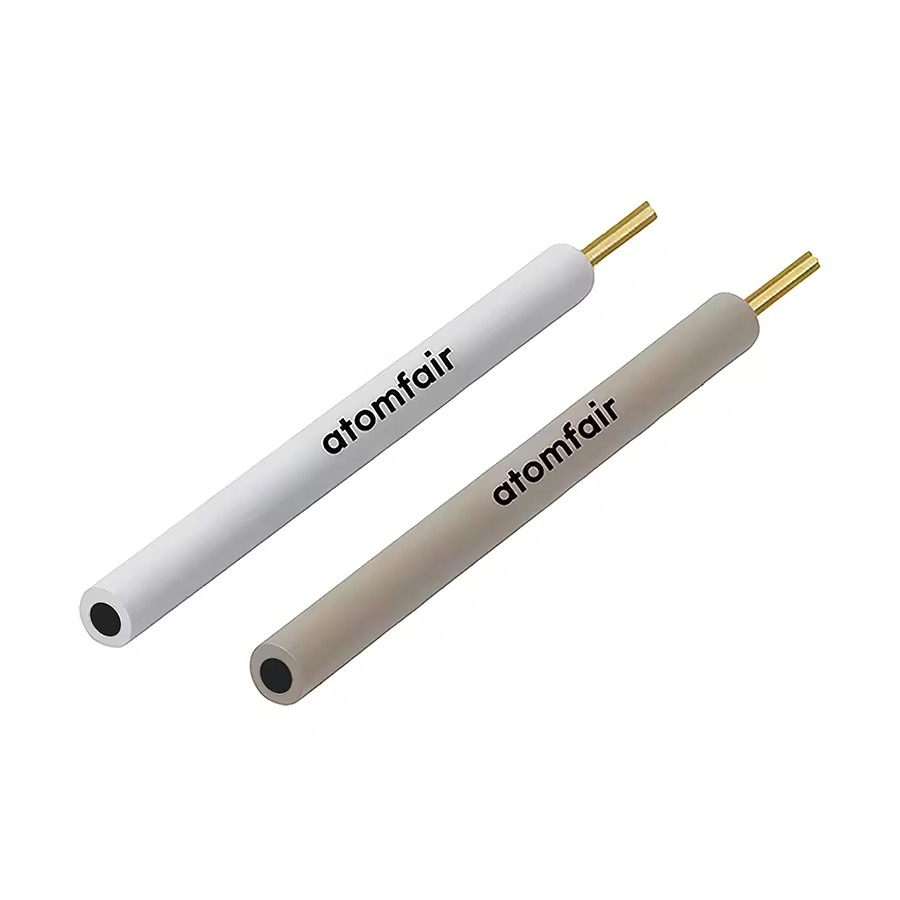
Yes, the electrode is specifically designed for microscopy-coupled experiments. The PTFE or PEEK body provides excellent chemical resistance, and the detachable head design (9 mm thickness) facilitates integration into various cell geometries. However, the 6 mm rod length and gold-plated copper rod (1.5×15 mm) should be verified against specific stage constraints for optimal performance.
What handling and storage precautions are required for this glassy carbon electrode to maintain surface integrity?
The electrode surface is highly sensitive to contamination. It must be stored in a tightly sealed container or handled only in an anhydrous inert environment to prevent phase contamination or degradation prior to electrochemical validation. The detachable head design allows convenient surface renewal if contamination occurs, extending the electrode's service life.
The ATOMFAIR Detachable Electron Microscopy Glassy Carbon Working Electrode offers a user-replaceable head design with 12 disk diameters from 1 to 20 mm, enabling flexible electrochemical cell geometries and easy surface renewal for microscopy-coupled experiments. The PTFE or PEEK body and gold-plated copper rod provide chemical resistance and stable conductivity, but the electrode is highly sensitive to surface contamination, requiring strict inert handling and sealed storage to maintain performance.
Positive
- Detachable head for easy surface renewal: The 9 mm thick detachable head allows replacement or regeneration of the electrode surface without discarding the entire body, extending service life and maintaining tip condition critical for microscopy-coupled electrochemistry.
- Wide diameter range for experimental flexibility: Available in 12 standard sizes from 1 mm to 20 mm, the electrode accommodates diverse experimental scales from micro-electrolysis to bulk solution analysis, enabling tailored electrochemical cell design.
Trade-offs
- High sensitivity to surface contamination: The electrode surface is highly sensitive to contamination; containers must be kept tightly sealed or handled exclusively within an anhydrous inert environment to prevent phase contamination or degradation before electrochemical validation.
- Requires careful handling and storage protocols: To maintain performance, the electrode demands strict inert atmosphere handling and sealed storage, adding operational overhead for labs without dedicated glovebox or dry-room infrastructure.
Every advanced material, component, equipment, and instrument in our catalog is backed by rigorous testing. We maintain strict internal quality management frameworks and align with CE conformity metrics to deliver transparent, reproducible performance data via our public open-science repository.
To request raw batch performance data, submit formal vendor registration paperwork, or execute a fast-turnaround R&D manufacturing loop, contact us at inquiry@atomfair.com.
Item is dispatched under the Atomfair Shipping & Delivery Framework (Free worldwide shipping on orders over $59 USD excl. heavy equipment). Return is governed by the Atomfair Return & Refund Policy (7-day technical return window).