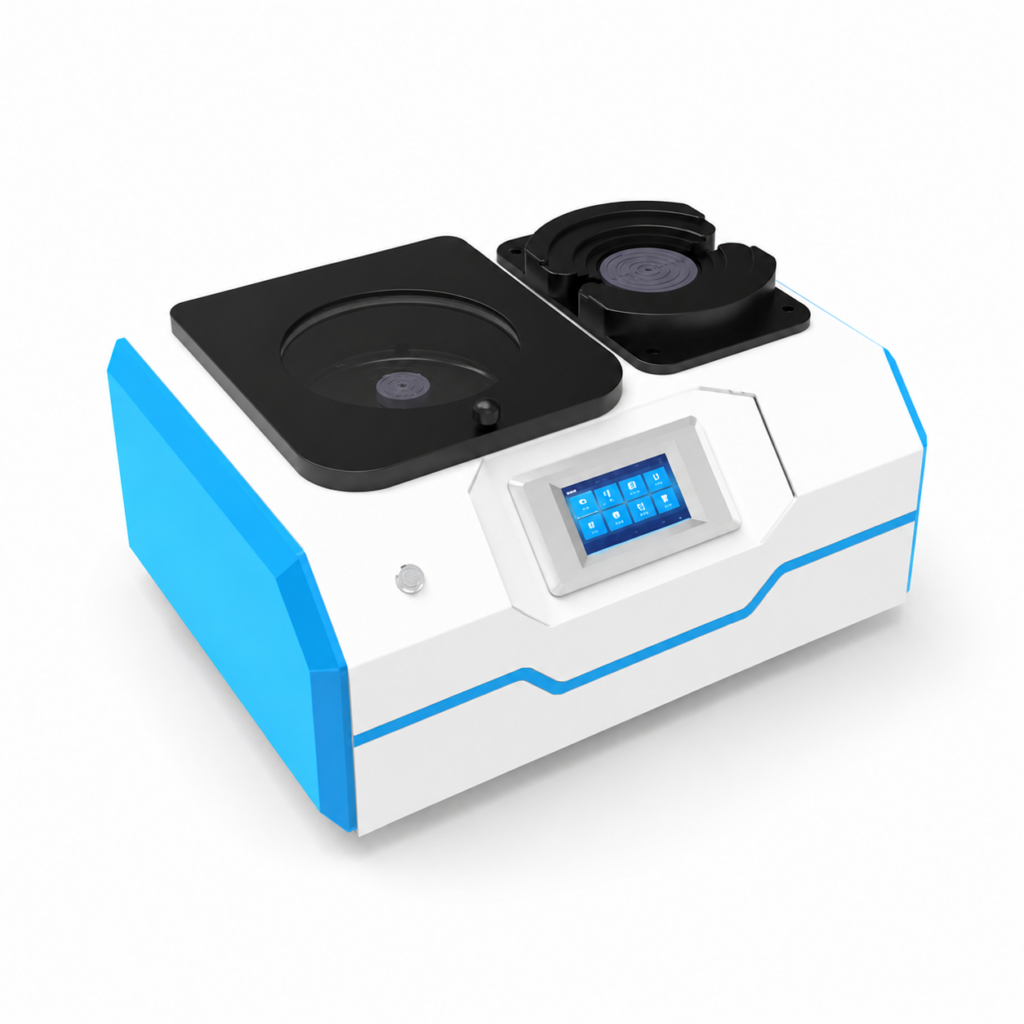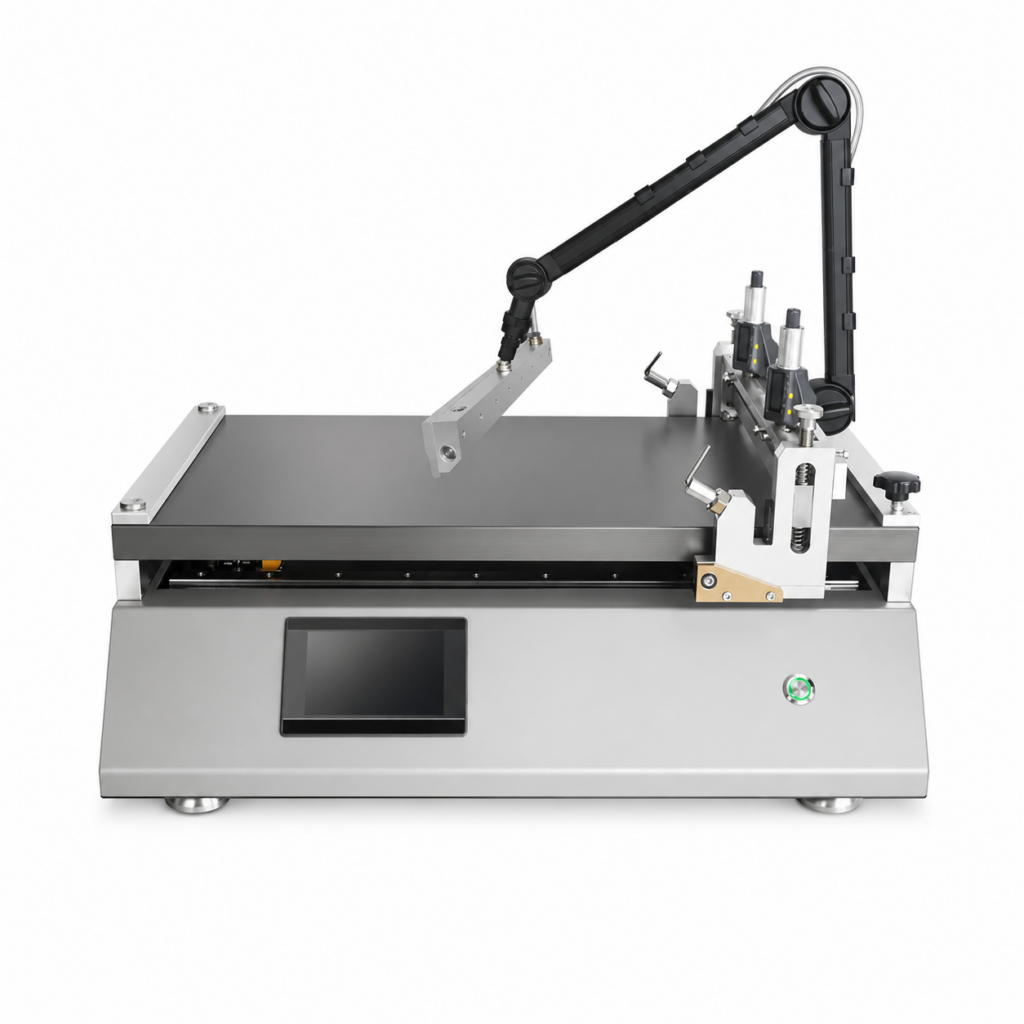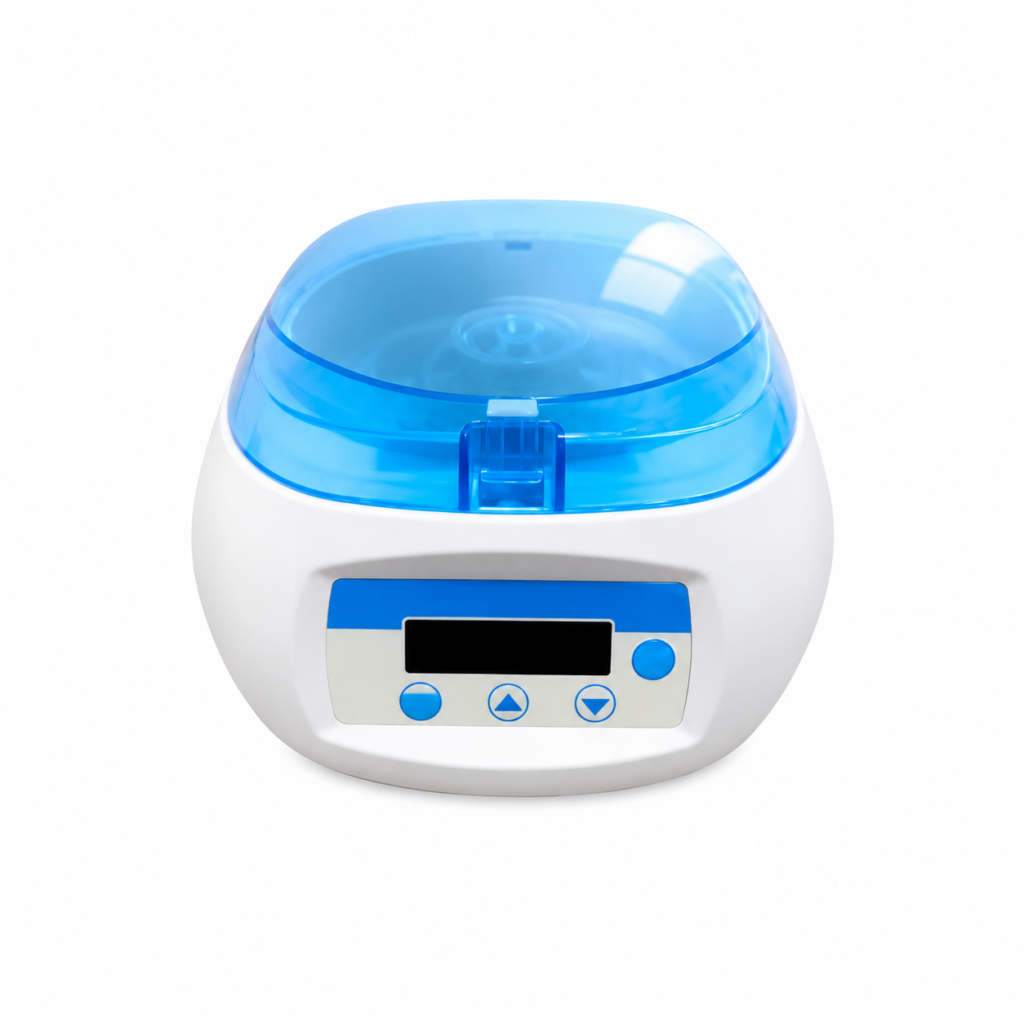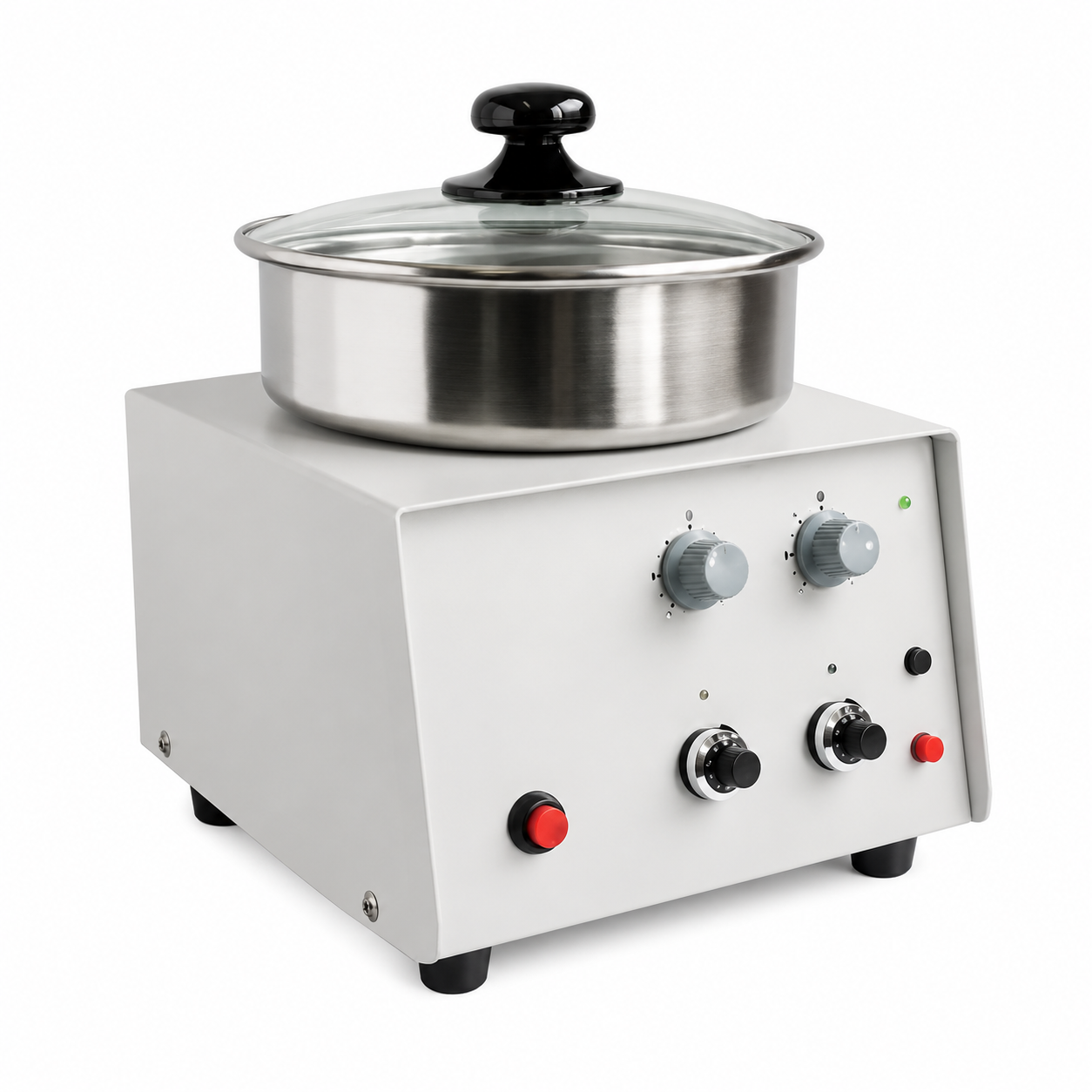
SPIN COATER AF-4A/5A DUAL-STAGE 8000 RPM PEROVSKITE THIN FILM VACUUMRESEARCH GRADE EQUIPMENT
|
|||||||||||||||||||||||||||||||||||||||||||||||||||||||||||||
|
|||||||||||||||||||||||||||||||||||||||||||||||||||||||||||||
|
TAILORED SOLUTIONS FOR RESEARCH
Contact our engineering team for technical support or official quotations.
EMAIL: inquiry@atomfair.com
|
|||||||||||||||||||||||||||||||||||||||||||||||||||||||||||||
|
Manufacturer: Atomfair LLC
Brand: ATOMFAIR®
|
The spin coater requires a vacuum pump connection to secure substrates before rotation. Dual-stage speed settings must be configured prior to operation to prevent coating defects.
- Vacuum Hold-Down Requirement: Verify vacuum pump connection and confirm substrate hold-down on the chuck before initiating spin rotation.
- Speed Configuration Sequence: Configure dual-stage speed settings prior to operation—low-speed Stage I for solution spreading, high-speed Stage II for final film thickness control.
- Post-Use Cleaning Protocol: Clean the spin bowl and chuck surface after each use to prevent cross-contamination between coating materials.
This procedure describes the dual-stage spin coating process for perovskite or photoresist thin films. The low-speed spreading stage automatically transitions to high-speed spin coating for uniform film thickness.
Required Equipment: AF-4A or AF-5A Spin Coater, Matching Vacuum Pump, Standard Vacuum Chuck
- Connect Vacuum Pump
Connect the matching vacuum pump to the spin coater and verify the pump is operational. - Configure Dual-Stage Speeds
Set the low-speed Stage I spread parameters (500–2000 rpm for AF-4A, 500–1000 rpm for AF-5A) and high-speed Stage II spin parameters (1300–8000 rpm for AF-4A, 900–5000 rpm for AF-5A) using the front panel controls. - Set Timing Intervals
Adjust the Stage I timing (2–18 s) and Stage II timing (3–60 s) according to the desired coating protocol. - Place Substrate on Chuck
Center the substrate on the vacuum chuck and activate the vacuum to secure it in place. - Dispense Coating Solution
Apply the coating solution onto the substrate surface while the chuck is stationary or during low-speed rotation. - Initiate Spin Cycle
Start the spin cycle to begin the low-speed spreading stage, which automatically transitions to the high-speed spin stage for final film thickness control. - Remove Coated Substrate
After the cycle completes, deactivate the vacuum and carefully remove the coated substrate from the chuck.
How do I decide between the AF-4A and AF-5A spin coater for perovskite thin-film deposition?
Choose AF-4A for substrate diameters of φ5–φ100 mm, including silicon wafers, ITO glass, and perovskite substrates, when you need ±3% film thickness uniformity and speeds from 1000–8000 rpm. Choose AF-5A for larger φ100–φ200 mm substrates, where it provides ±5% film thickness uniformity and stable operation up to 5000 rpm via variable frequency drive. The selection should be driven by substrate size and uniformity requirements.
Can the AF-4A spin coater process ITO glass and silicon wafers with a dual-stage perovskite coating recipe?
Yes, the AF-4A accepts φ5–φ100 mm silicon wafers, ITO glass, and perovskite substrates. Its dual-stage independent speed programming runs a low-speed spread stage at 500–2000 rpm for 2–18 s, then automatically switches to a high-speed spin stage at 1300–8000 rpm for 3–60 s. The low-speed stage can be bypassed for direct high-speed operation with small samples.
What pre-run checks and maintenance are required for the AF-4A/AF-5A spin coater before starting a coating run?
Before initiating rotation, verify the vacuum pump connection and confirm substrate hold-down on the chuck, and configure the dual-stage speed settings—low-speed Stage I for spreading and high-speed Stage II for final thickness control. After each use, clean the spin bowl and chuck surface to prevent cross-contamination between coating materials. Consult the user manual for detailed operational and safety instructions.
Dual-stage spin coater with independent low-speed spreading and high-speed spin stages for perovskite thin film deposition; photoelectric pulse tachometry and 556 time-base IC provide ±1% speed stability, while AF-4A delivers ±3% film thickness uniformity on φ5–φ100 mm substrates and AF-5A achieves ±5% on φ100–φ200 mm substrates, with a built-in vibration-damping structure for quiet operation.
Positive
- Dual-stage independent speed programming: Low-speed spreading stage (2–18 s) automatically transitions to high-speed spin coating (3–60 s) for optimized film uniformity from solution dispensing through final thickness control; low-speed stage can be bypassed for small samples.
- ±1% speed stability with LED display: Photoelectric pulse tachometer combined with 556 time-base integrated circuit delivers precise speed regulation and real-time readout, ensuring batch-to-batch reproducibility for perovskite and photoresist coating processes.
Trade-offs
- Model-specific substrate size constraints: AF-4A handles only φ5–φ100 mm substrates (silicon wafers, ITO glass, perovskite substrates) and AF-5A accommodates φ100–φ200 mm substrates; selecting the wrong model for substrate dimensions limits operation.
- Post-use cleaning required to prevent cross-contamination: The spin bowl and chuck surface must be cleaned after each use to prevent cross-contamination between different coating materials, adding operational steps and time between runs.
Every advanced material, component, equipment, and instrument in our catalog is backed by rigorous testing. We maintain strict internal quality management frameworks and align with CE conformity metrics to deliver transparent, reproducible performance data via our public open-science repository.
To request raw batch performance data, submit formal vendor registration paperwork, or execute a fast-turnaround R&D manufacturing loop, contact us at inquiry@atomfair.com.
Item is dispatched under the Atomfair Shipping & Delivery Framework (Free worldwide shipping on orders over $59 USD excl. heavy equipment). Return is governed by the Atomfair Return & Refund Policy (7-day technical return window).