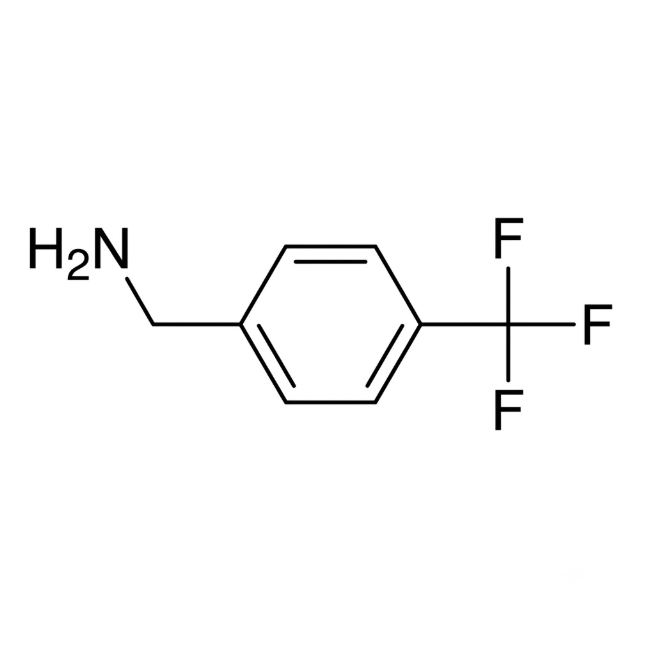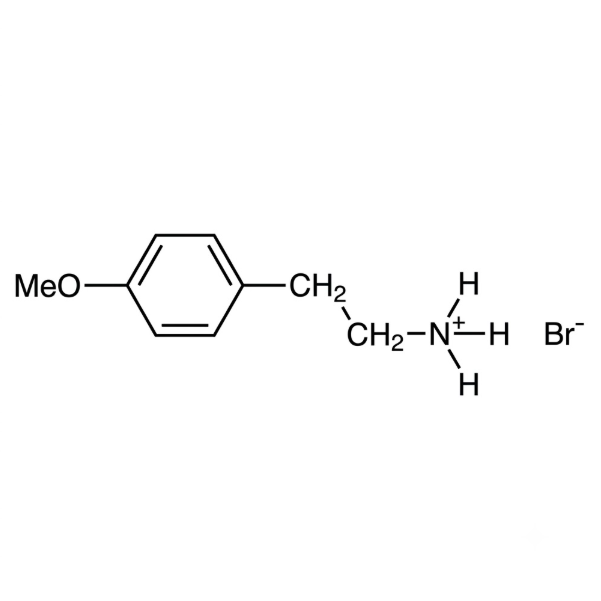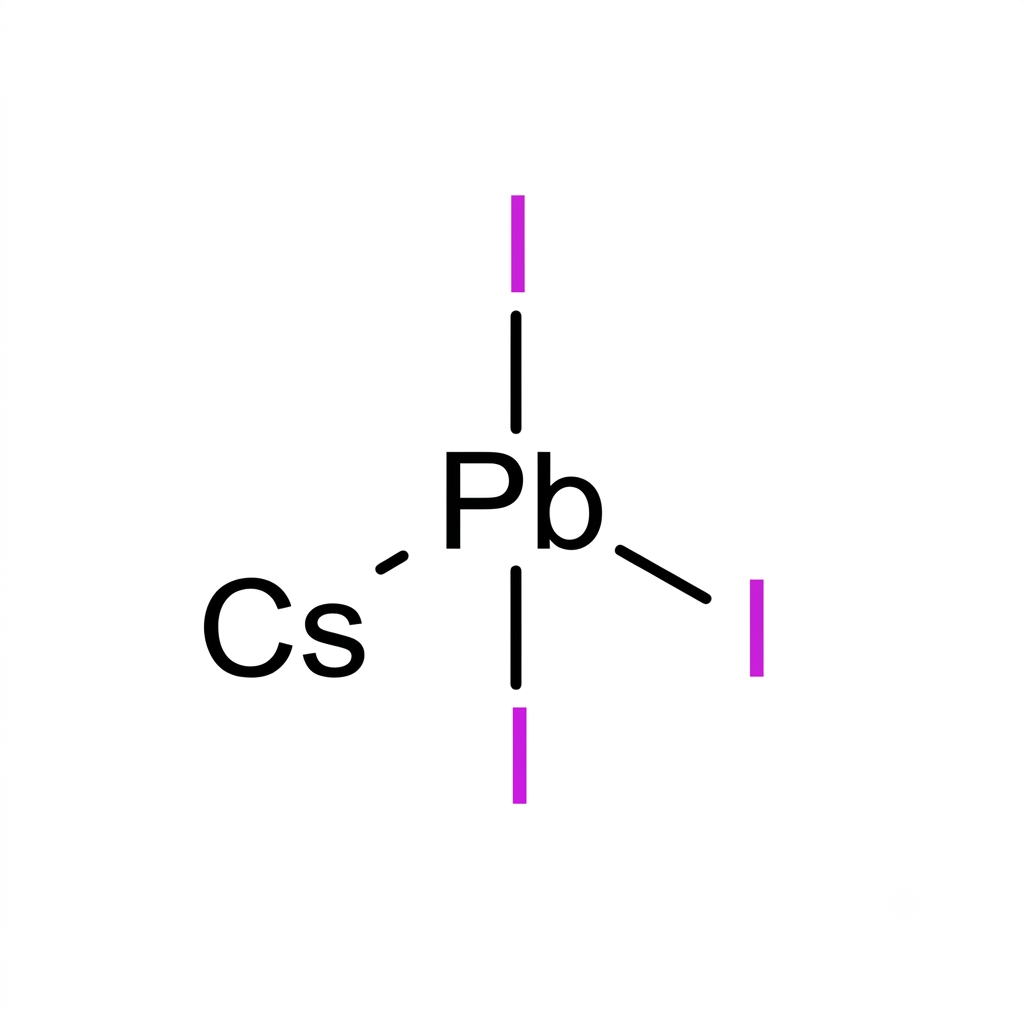
CESIUM LEAD TRIIODIDE CsPbI₃ 99% CAS 18041-25-3RESEARCH GRADE MATERIAL
|
|||||||||||||||||||||||||
|
|||||||||||||||||||||||||
|
TAILORED SOLUTIONS FOR RESEARCH
Contact our engineering team for technical support or official quotations.
EMAIL: inquiry@atomfair.com
|
|||||||||||||||||||||||||
|
Manufacturer: Atomfair LLC
Brand: ATOMFAIR®
|
Store sealed under inert atmosphere, protected from light, at room temperature in a dry environment. Exposure to moisture causes irreversible stoichiometric degradation and requires inert-atmosphere glovebox handling with H₂O < 1 ppm and O₂ < 1 ppm.
- Storage Environment: Maintain the material in a light-protected, moisture-free, sealed container at room temperature, and avoid proximity to strong oxidizing agents or acidic reagents.
- Moisture Sensitivity: Atmospheric moisture will cause irreversible alteration of the material stoichiometry, so the container must be tightly sealed immediately after each use.
- Light Sensitivity: The powder is light-sensitive and must be stored in light-protective packaging to prevent photodegradation.
- Glovebox Requirement: All handling of the powder must be performed inside an inert-atmosphere glovebox with H₂O and O₂ levels below 1 ppm.
- Waste Disposal: All experimental waste containing lead must be disposed of in accordance with heavy metal hazardous waste regulations.
Inspect the sealed packaging upon receipt and transfer immediately to an inert-atmosphere glovebox. All subsequent steps must be performed under strictly controlled moisture and oxygen conditions to preserve material integrity.
Required Equipment: Inert-atmosphere glovebox (H₂O < 1 ppm, O₂ < 1 ppm), Light-protective storage container, Protective gloves, Sealing cap or container closure
- Package Inspection
Inspect the outer packaging for damage and verify the inert atmosphere seal is intact before opening. - Transfer to Glovebox
Transfer the sealed container into an inert-atmosphere glovebox maintained at H₂O < 1 ppm and O₂ < 1 ppm. - Open Container
Open the container only inside the glovebox to avoid any exposure to ambient moisture or oxygen. - Weigh Material
Weigh the required amount of powder using clean, dry tools while keeping the container closed as much as possible. - Reseal Container
Immediately tighten the container cap securely after each use to prevent moisture ingress. - Store Properly
Store the sealed container in a light-protected, dry environment at room temperature, away from strong oxidizing agents and acidic reagents. - Dispose of Waste
Dispose of all lead-containing experimental waste according to heavy metal hazardous waste regulations.
How does the thermal stability of CsPbI₃ compare to organic-inorganic hybrid perovskites?
CsPbI₃ exhibits significantly enhanced thermal stability compared to organic-inorganic hybrid perovskites because its all-inorganic composition lacks volatile organic cations that cause degradation at elevated temperatures. This makes CsPbI₃ the preferred active layer for all-inorganic perovskite solar cell research targeting high-temperature operational stability.
What thin-film fabrication processes are compatible with CsPbI₃ powder?
CsPbI₃ powder is compatible with solution spin-coating and thermal deposition thin-film fabrication processes, as well as single-source thermal evaporation and solution-based spin-coating deposition protocols. It also serves as a precursor for colloidal CsPbI₃ quantum dot and nanocrystal synthesis for light-emitting applications.
What are the required storage and handling conditions for CsPbI₃ to prevent degradation?
CsPbI₃ is hygroscopic and light-sensitive, requiring storage sealed under inert atmosphere, protected from light, and maintained at room temperature. Handling must be performed in an inert-atmosphere glovebox with H₂O < 1 ppm and O₂ < 1 ppm, and the container cap must be tightened immediately after each use to prevent moisture ingress.
Cesium Lead Triiodide (CsPbI₃, 99% purity) is an all-inorganic perovskite precursor offering superior thermal stability over hybrid perovskites, suitable for high-temperature solar cell and optoelectronic research. Its hygroscopic and light-sensitive nature requires inert-atmosphere handling and light-protected storage, and lead content mandates hazardous waste disposal protocols.
Positive
- Superior thermal stability: All-inorganic CsPbI₃ exhibits significantly enhanced thermal stability compared to organic-inorganic hybrid perovskites, making it suitable for high-temperature photovoltaic and optoelectronic device research.
- Ultra-high purity >99%: Refined to >99% purity with low batch impurity content, minimizing extrinsic defects in thin films and supporting reproducible device performance across solution and vapor-phase deposition techniques.
Trade-offs
- Hygroscopic and light-sensitive: Requires strict storage under inert atmosphere, light protection, and immediate transfer to desiccated environment upon receipt; exposure to moisture causes irreversible degradation.
- Lead content requires hazardous waste disposal: Contains lead; all experimental waste must be disposed of in accordance with heavy metal hazardous waste regulations, and handling requires inert-atmosphere glovebox conditions (H₂O < 1 ppm, O₂ < 1 ppm).
Every advanced material, component, equipment, and instrument in our catalog is backed by rigorous testing. We maintain strict internal quality management frameworks and align with CE conformity metrics to deliver transparent, reproducible performance data via our public open-science repository.
To request raw batch performance data, submit formal vendor registration paperwork, or execute a fast-turnaround R&D manufacturing loop, contact us at inquiry@atomfair.com.
Item is dispatched under the Atomfair Shipping & Delivery Framework (Free worldwide shipping on orders over $59 USD excl. heavy equipment). Return is governed by the Atomfair Return & Refund Policy (7-day technical return window).