Magnetic Palladium Working Electrode Series | ATOMFAIRRESEARCH GRADE INSTRUMENT
|
|||||||||||||||||||||||||
|
|||||||||||||||||||||||||
|
TAILORED SOLUTIONS FOR RESEARCH
Contact our engineering team for technical support or official institutional quotations.
EMAIL: inquiry@atomfair.com
|
|||||||||||||||||||||||||
|
Manufacturer: Atomfair LLC
Brand: ATOMFAIR®
|
|||||||||||||||||||||||||
The palladium electrode requires strict anhydrous inert atmosphere handling to prevent surface contamination. Storage must be in sealed protective containers to maintain electrode integrity before electrochemical validation.
- Surface Contamination Sensitivity: The palladium disk is highly sensitive to surface contamination, requiring handling exclusively in an anhydrous inert environment.
- Storage Requirements: The electrode must be kept in its sealed protective container under inert atmosphere to prevent phase contamination or degradation.
- Environmental Constraints: Moisture and oxygen exposure can degrade the palladium surface, necessitating a glovebox or dry environment for all handling steps.
Proper handling of the palladium electrode requires inert atmosphere conditions to avoid surface contamination. The magnetic base enables tool-free mounting on ferromagnetic supports for electrochemical experiments.
Required Equipment: Glovebox, Protective sealed container, Ferromagnetic cell support, Polishing pad
- Verify Storage Conditions
Inspect the sealed protective container to ensure it remains intact and the electrode is stored under inert atmosphere. - Transfer to Inert Environment
Transfer the electrode to a glovebox or dry environment before opening the container. - Mount the Electrode
Attach the electrode to a ferromagnetic cell support via the integrated magnetic base without tools. - Polish the Surface if Needed
Polish the palladium disk surface using a suitable abrasive pad to maintain electrochemical activity after contamination or use.
How does the hydrogen absorption capability of palladium in this working electrode affect its catalytic performance for organic oxidation reactions versus hydrogen evolution reactions?
The palladium working electrode offers unique hydrogen sorption/desorption characteristics that make it particularly effective for hydrogen evolution reactions, but this same property can influence its behavior in organic oxidation reactions. According to the product description, the electrode provides 'unique hydrogen absorption properties and excellent catalytic activity for hydrogen evolution and organic oxidation reactions,' indicating a dual functionality. However, users should note that the hydrogen absorption may introduce a competing process in organic oxidation contexts, requiring careful experimental design. This trade-off is inherent to palladium's material properties and is not a limitation but a consideration for electrochemical studies.
What are the compatibility requirements for the magnetic working electrode regarding cell support materials?
The magnetic palladium working electrode is designed for use on ferromagnetic cell supports or electrode stands, as stated in the product description: 'The electrode utilizes an integrated magnetic base design for rapid attachment and stable electrical contact on ferromagnetic cell supports or electrode stands.' This means it will not magnetically attach to non-ferromagnetic surfaces such as aluminum, copper, or plastic, unless a ferromagnetic plate is added. For standard three-electrode cells and rotating disk setups, the electrode is compatible with those systems, but the magnetic attachment feature specifically requires a ferromagnetic mating surface.
What are the recommended storage and handling procedures to prevent surface contamination of the palladium working electrode?
The product contains an important notice stating that the electrode is 'highly sensitive to surface contamination.' It specifies that containers must be 'tightly sealed' or the electrode must be handled 'exclusively within an anhydrous inert environment to prevent phase contamination or degradation before electrochemical validation.' This indicates that storage in an air-tight container under inert atmosphere (e.g., argon or nitrogen) is essential, and handling should avoid exposure to moisture or atmospheric contaminants. No additional cleaning or preparation procedures are provided, so users should follow standard electrochemical electrode cleaning protocols.
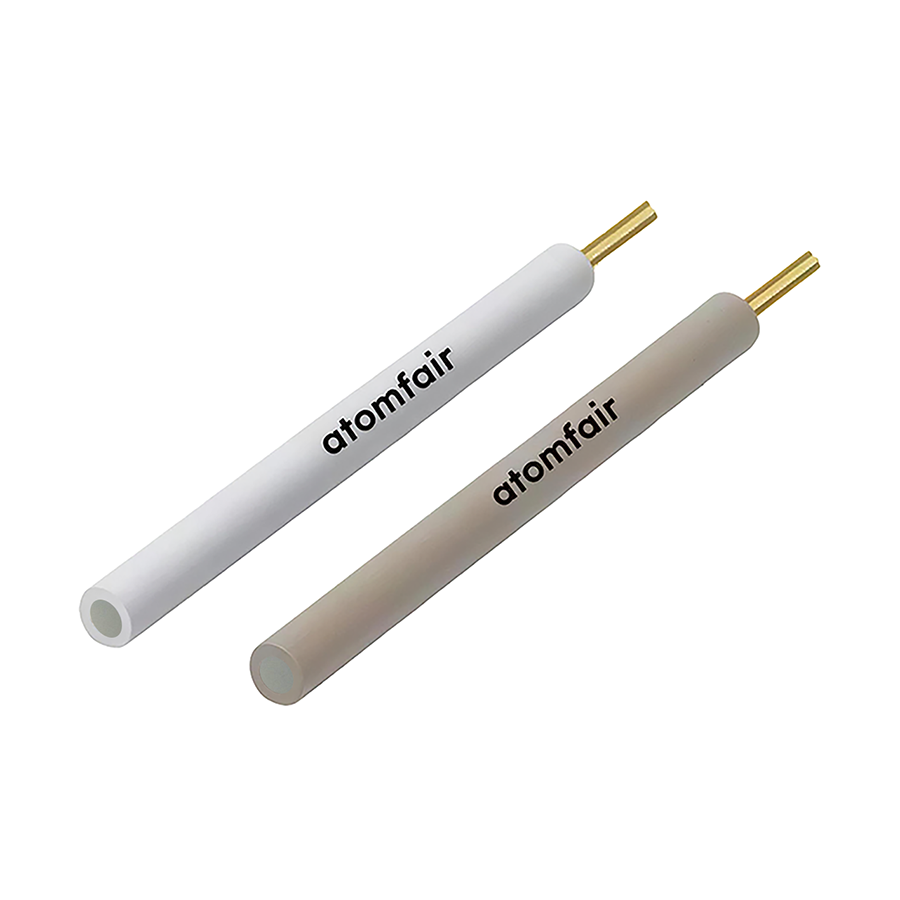
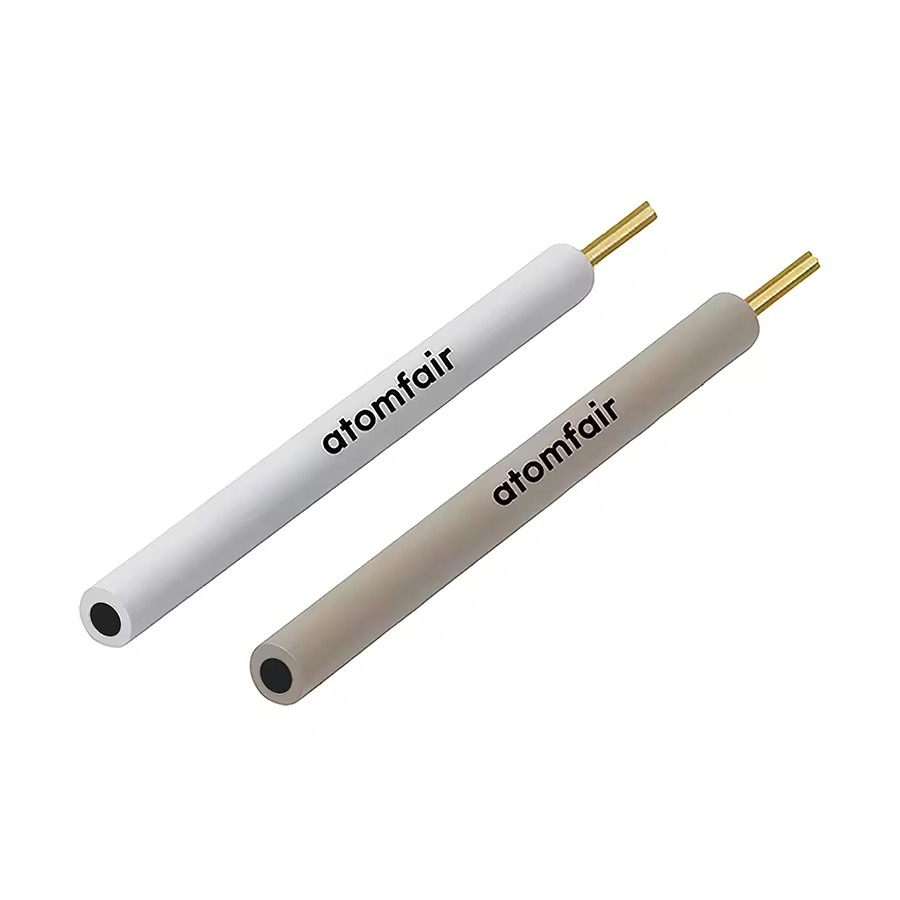
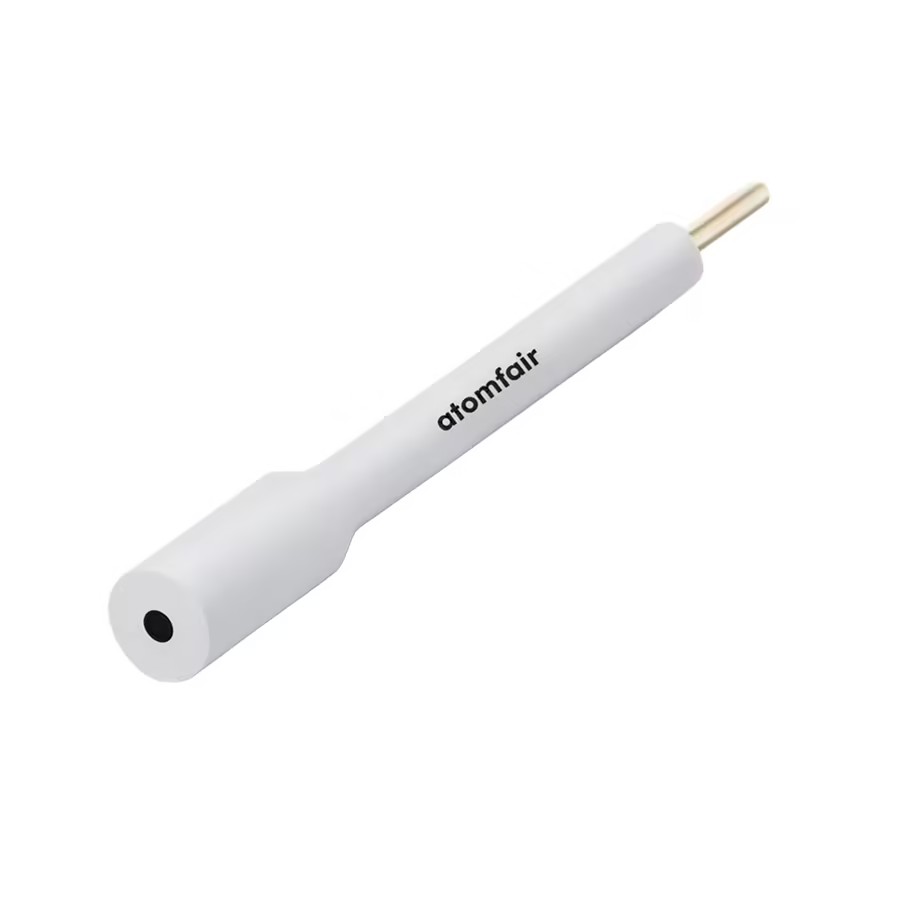
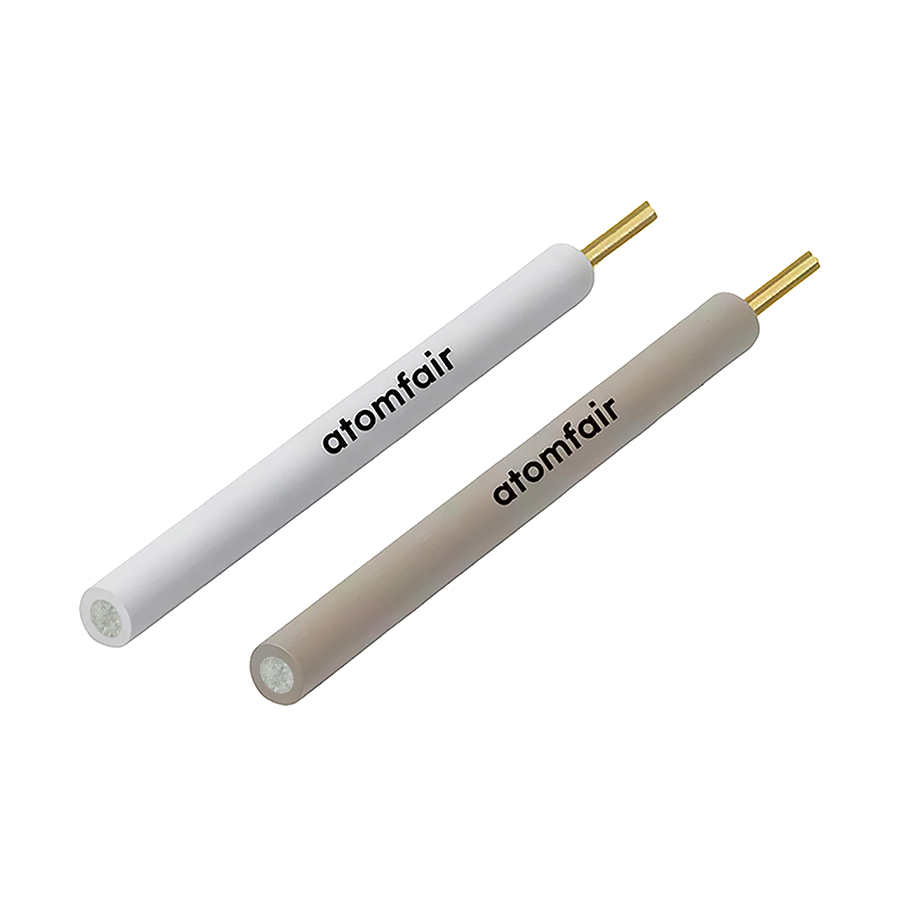
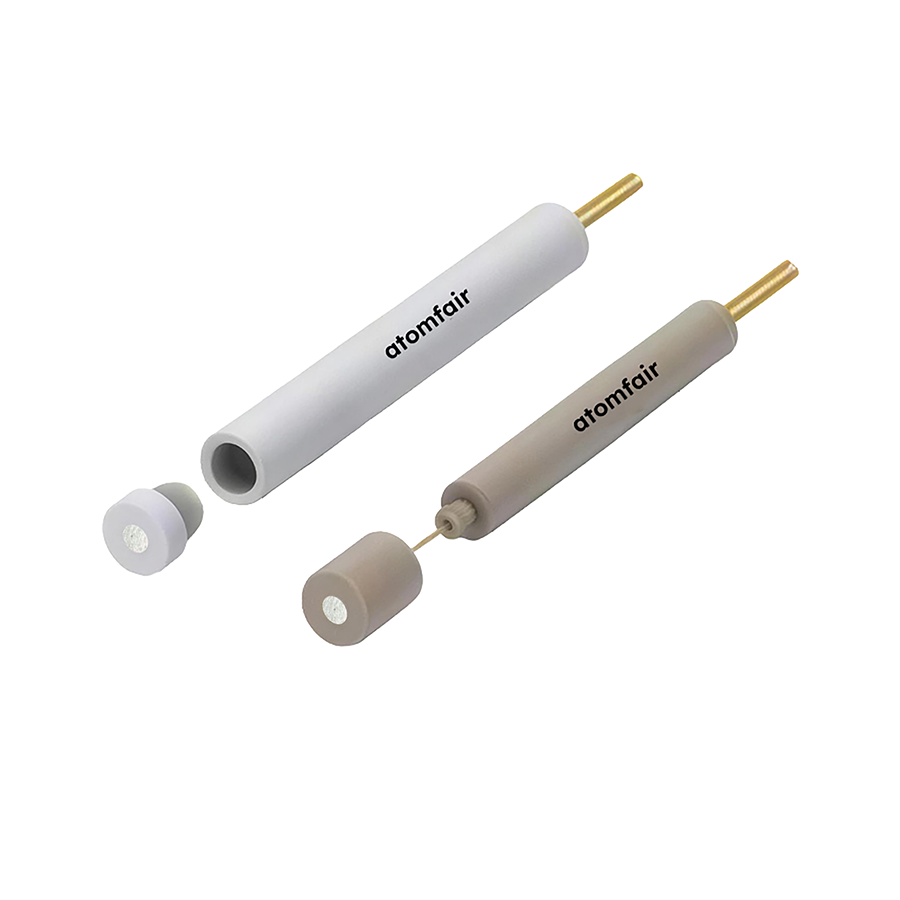
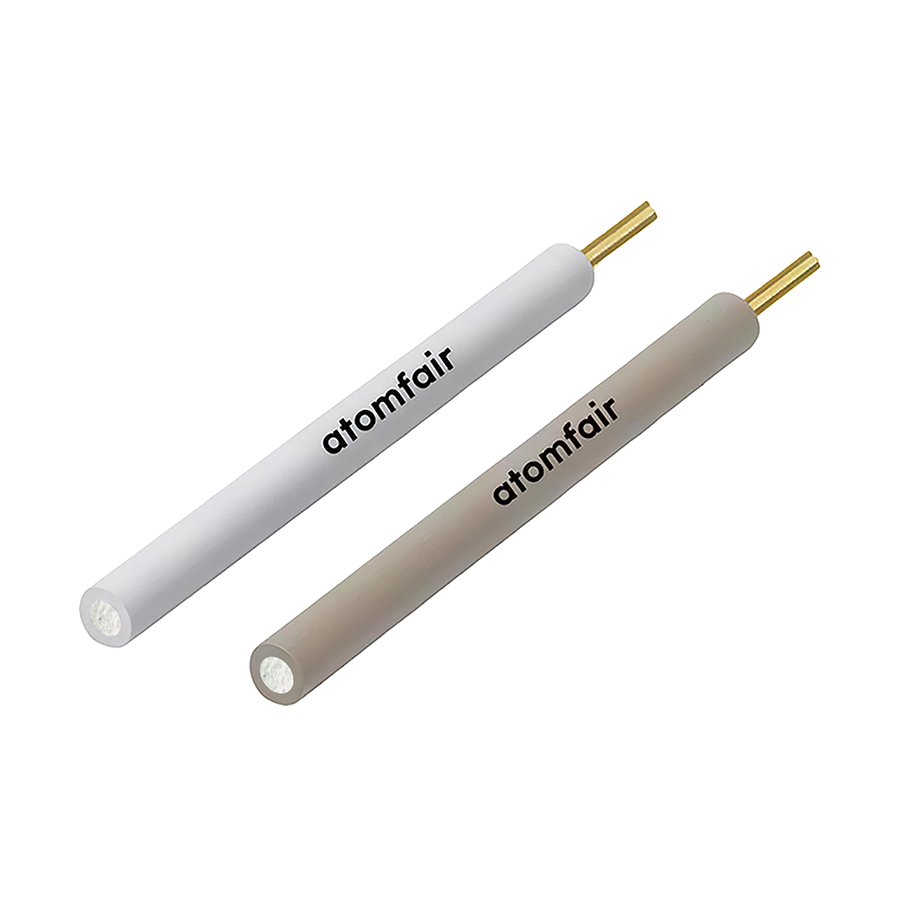
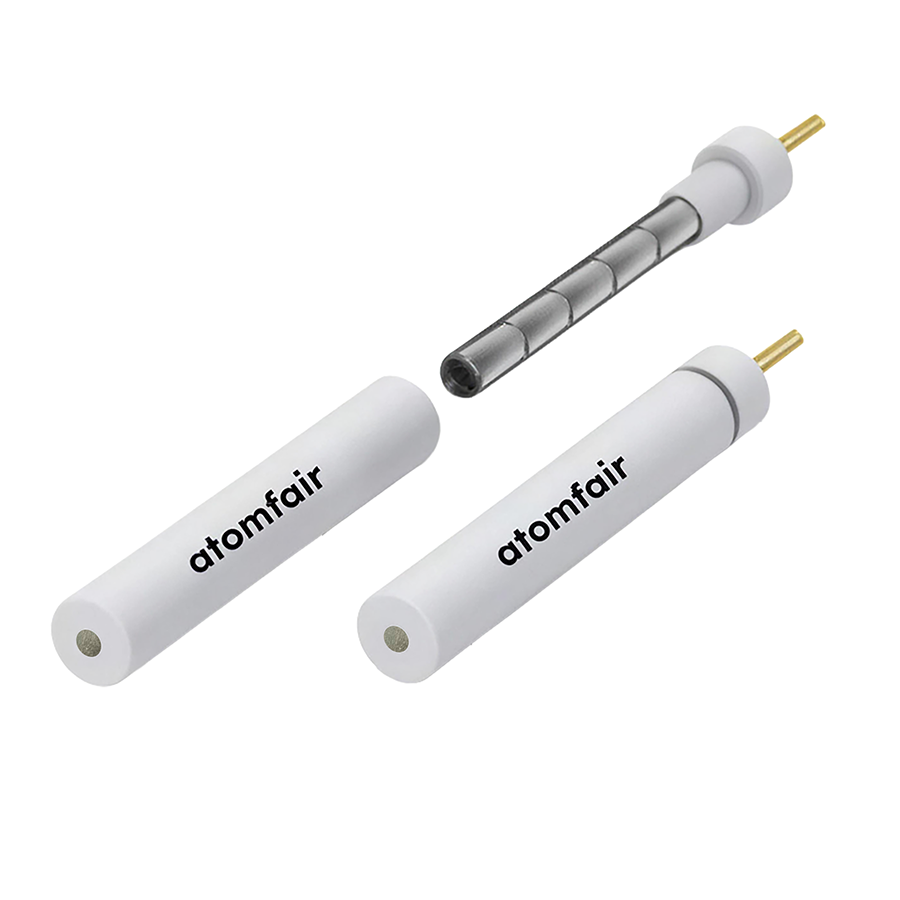
This magnetic palladium working electrode integrates a 3 mm palladium disk with an integrated magnetic base for rapid attachment, featuring PTFE or PEEK insulation and gold-plated copper conductor. Its hydrogen absorption characteristics benefit electrocatalytic studies, but users must account for ferromagnetic support requirements and strict surface contamination controls.
Positive
- Magnetic attachment for rapid exchange: The integrated magnetic base enables tool-free mounting and stable electrical contact on ferromagnetic supports, reducing setup time and facilitating quick electrode changes during experiments.
- Palladium's unique hydrogen properties: High-grade palladium provides exceptional hydrogen absorption/desorption capability and catalytic activity, making it ideal for hydrogen evolution and organic oxidation reactions in electrochemical research.
Trade-offs
- Requires ferromagnetic support surface: The magnetic attachment only functions on ferromagnetic cell supports or electrode stands, limiting compatibility with non-ferromagnetic experimental setups.
- High sensitivity to surface contamination: The palladium surface is highly sensitive to contamination; storage and handling must be performed in an anhydrous inert environment to prevent degradation before use.
Every advanced material, component, equipment, and instrument in our catalog is backed by rigorous testing. We maintain strict internal quality management frameworks and align with CE conformity metrics to deliver transparent, reproducible performance data via our public open-science repository.
To request raw batch performance data, submit formal vendor registration paperwork, or execute a fast-turnaround R&D manufacturing loop, contact us at inquiry@atomfair.com.
Item is dispatched under the Atomfair Shipping & Delivery Framework (Free worldwide shipping on orders over $59 USD excl. heavy equipment). Return is governed by the Atomfair Return & Refund Policy (7-day technical return window).