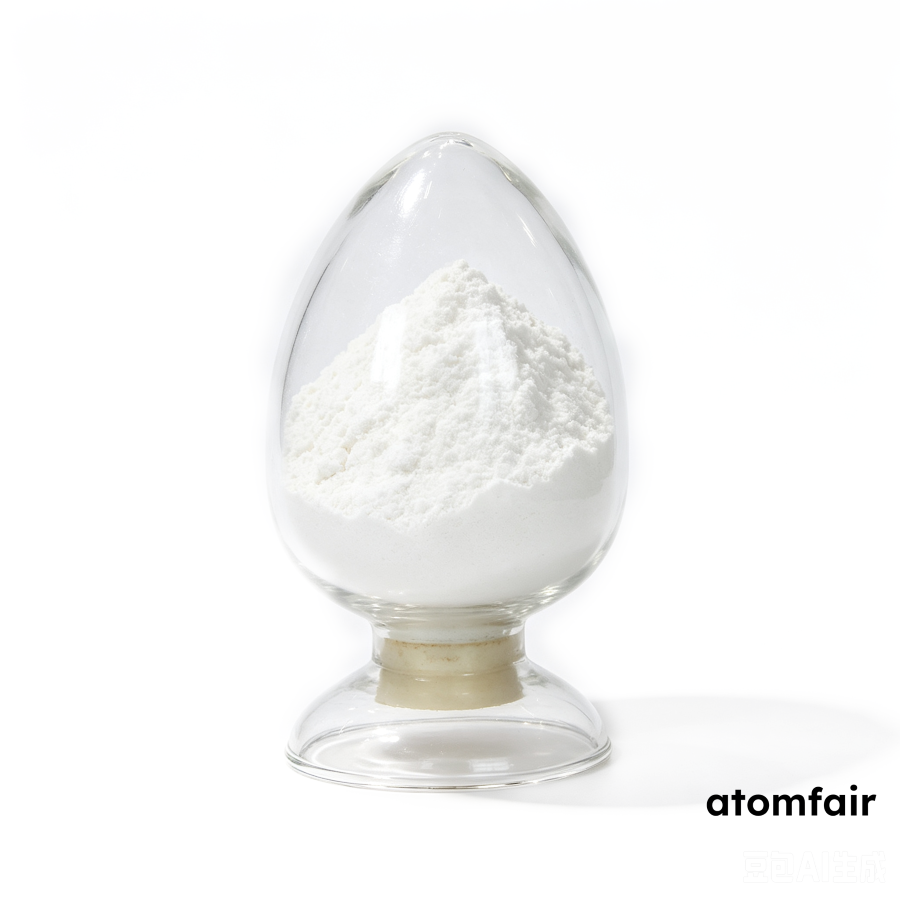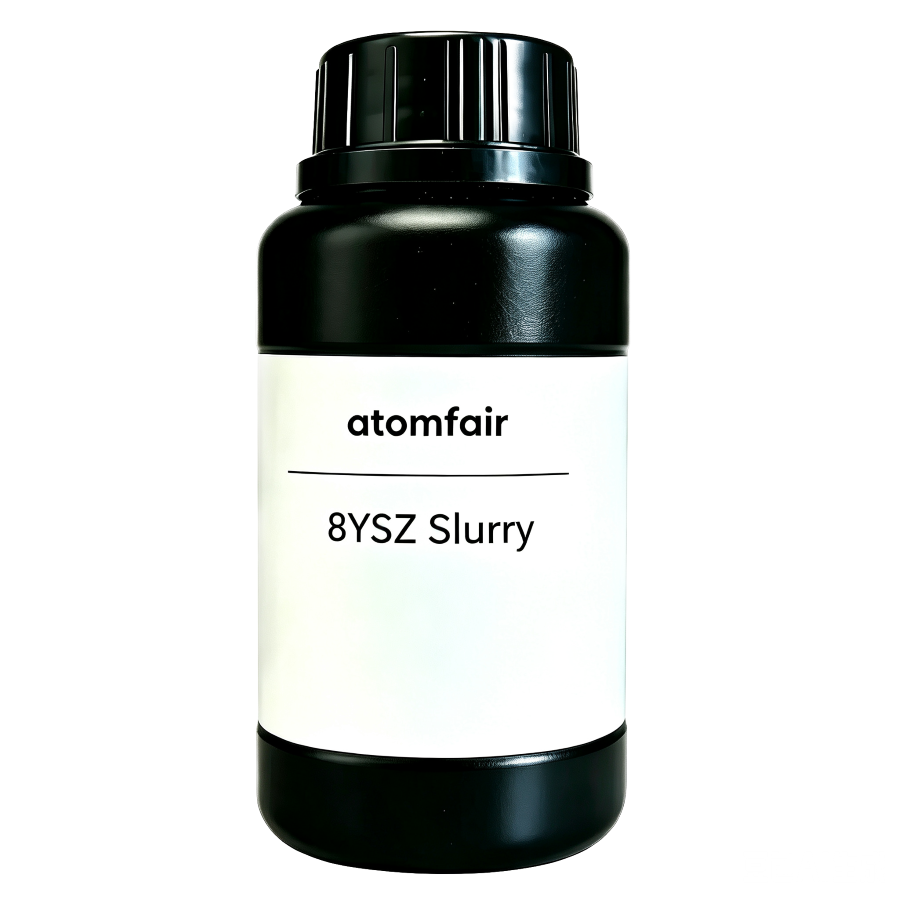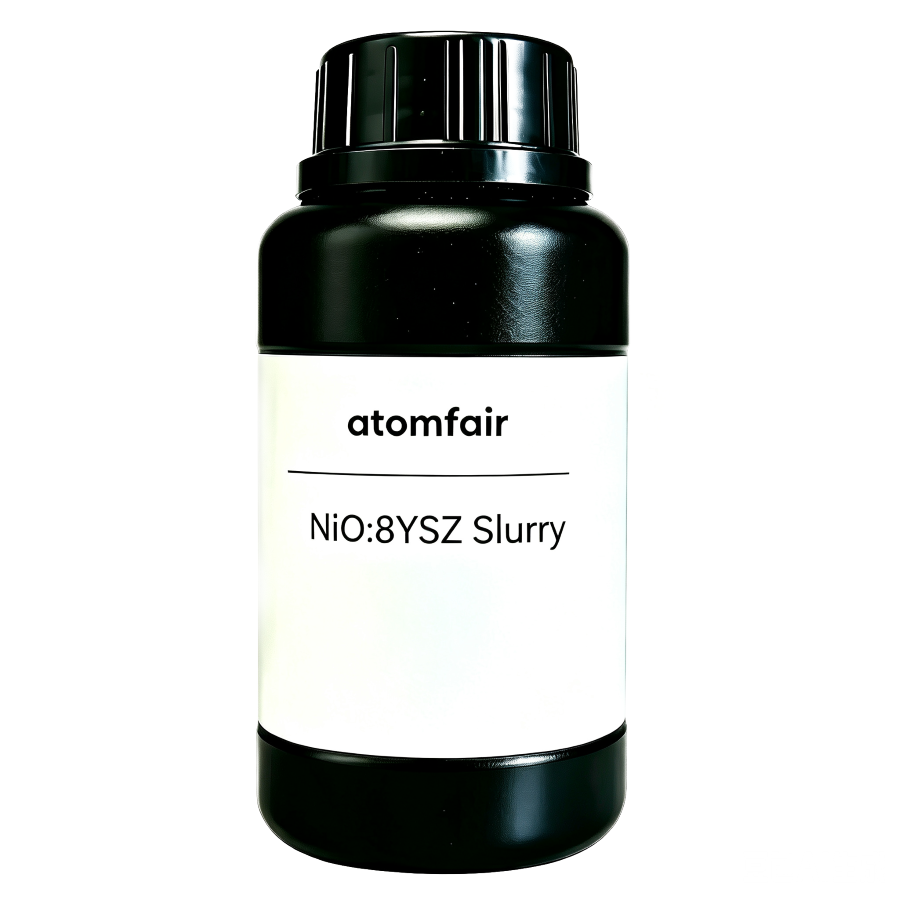
Active Anode Slurry (NiO:8YSZ), 1 kg | ATOMFAIRProduct Type: SOC active anode slurry
Research-grade laboratory product
|
|||||||||||||||||||||||||
|
|||||||||||||||||||||||||
|
LABORATORY PROCUREMENT SUPPORT
For model selection, accessory matching, platform compatibility or configuration confirmation, contact our technical sales team.
E-MAIL: inquiry@atomfair.com
|
|||||||||||||||||||||||||
|
Manufacturer: Atomfair LLC
Brand: ATOMFAIR®
|
Storage in a cool, dry environment and airtight sealing are required to prevent solvent evaporation, viscosity drift, and contamination. Controlled rheology is necessary to avoid cracking and peeling during drying of thin functional layers.
- Storage constraint: Store the slurry in a cool, dry environment and keep the container tightly sealed when not in use.
- Processing constraint: Maintain controlled rheology to prevent cracking and peeling during drying of the applied layer.
- Application constraint: Apply as a thin layer directly adjacent to the electrolyte to ensure proper ionic transport and fuel oxidation.
Apply the slurry onto the electrolyte substrate via screen printing to form a thin functional layer, then dry and reduce it to produce the active cermet anode. Proper handling ensures defect-free microstructure and high electrochemical performance.
Required Equipment: Screen printer
- Store slurry
Store the slurry in a cool, dry environment and keep the container tightly sealed until use. - Verify viscosity
Check that the slurry viscosity falls within the specified range before application. - Print layer
Screen-print the slurry onto the electrolyte substrate to form a thin anode functional layer. - Dry layer
Dry the printed layer under controlled conditions to prevent cracking and peeling. - Reduce to cermet
Reduce the dried NiO-YSZ layer in a reducing atmosphere to form the Ni-YSZ cermet anode.
How does the solids content range of 45–65% in this NiO:8YSZ anode slurry affect the achievable film thickness and cracking risk during drying?
The solids content directly influences viscosity and drying behavior. Higher solids (closer to 65%) yield thicker films with reduced shrinkage but may increase viscosity beyond optimal screen-printing range. Lower solids (closer to 45%) enable thinner films (down to 10–15 μm) but require careful drying to prevent cracking. The specified viscosity of 600–1500 mPa·s and fineness <5 μm are designed to balance these factors for defect-free thin-layer deposition.
Is this NiO:8YSZ active anode slurry compatible with both electrolyte-supported and anode-supported solid oxide cell configurations?
The slurry is optimized for application as the electrochemically active anode layer directly adjacent to the electrolyte, making it suitable for both configurations where a fine Ni-YSZ cermet with high triple-phase boundary density is required. However, the specific rheology and solids content are tailored for screen-printing, so compatibility with other deposition methods (e.g., tape casting) should be verified.
What are the critical storage and handling requirements to maintain the specified viscosity and prevent contamination of this research-grade anode paste?
Store in a cool, dry environment and keep containers tightly sealed when not in use to prevent solvent evaporation, which would increase viscosity beyond the 600–1500 mPa·s specification, and to avoid contamination. The paste is research-grade and sensitive to humidity and dust; proper sealing ensures consistent performance during thin-film deposition.
This active anode slurry (NiO:8YSZ) with 45–65% solids, <5 μm fineness, and 600–1500 mPa·s viscosity is designed for thin-film deposition in solid oxide cell anodes, offering high electrochemical activity and ionic connectivity via a fine Ni–YSZ cermet after reduction, but requires careful storage and is limited to active anode functional layers.
Positive
- High electrochemical activity: Fine microstructures maximize fuel oxidation site density, enabling efficient fuel conversion in the anode.
- Good ionic connectivity: 8YSZ network ensures efficient ion transport within the electrode, supporting high-performance operation.
Trade-offs
- Storage sensitivity: Requires cool, dry storage and tightly sealed containers to prevent solvent evaporation, viscosity drift, and contamination.
- Application specificity: Optimized for active anode functional layers adjacent to the electrolyte in solid oxide cells; not intended for general electrode or support layer use.
Every advanced material, component, equipment, and instrument in our catalog is backed by rigorous testing. We maintain strict internal quality management frameworks and align with CE conformity metrics to deliver transparent, reproducible performance data via our public open-science repository.
To request raw batch performance data, submit formal vendor registration paperwork, or execute a fast-turnaround R&D manufacturing loop, contact us at inquiry@atomfair.com.
Item is dispatched under the Atomfair Shipping & Delivery Framework (Free worldwide shipping on orders over $59 USD excl. heavy equipment). Return is governed by the Atomfair Return & Refund Policy (7-day technical return window).