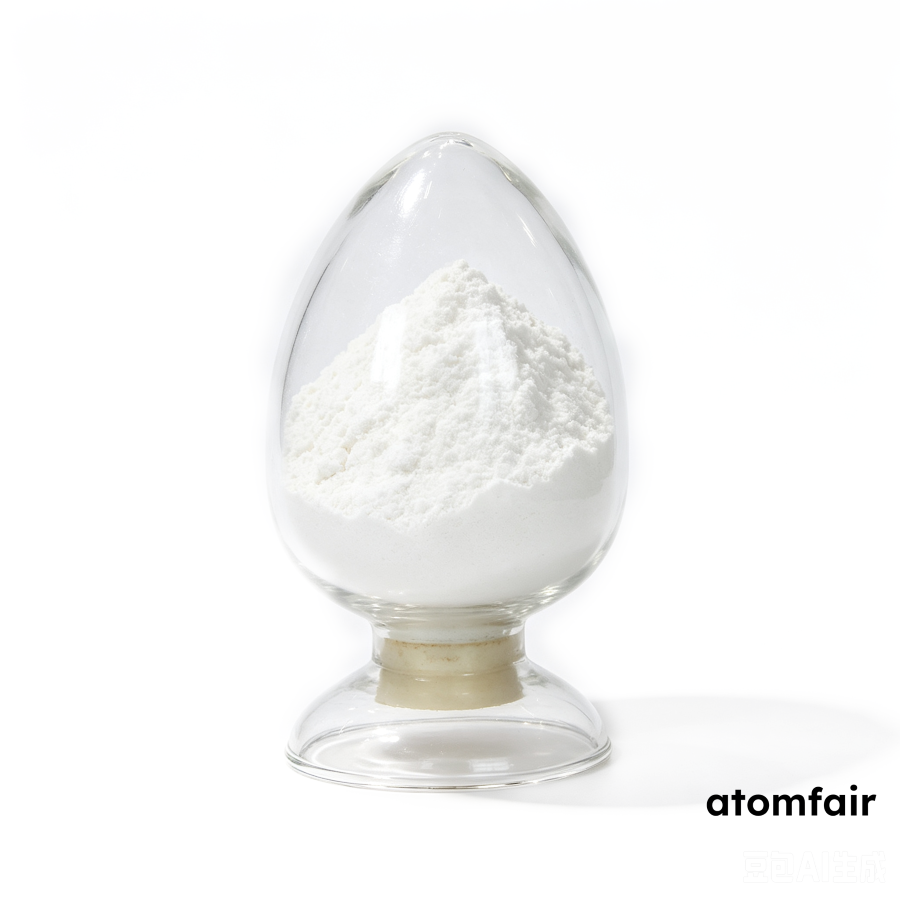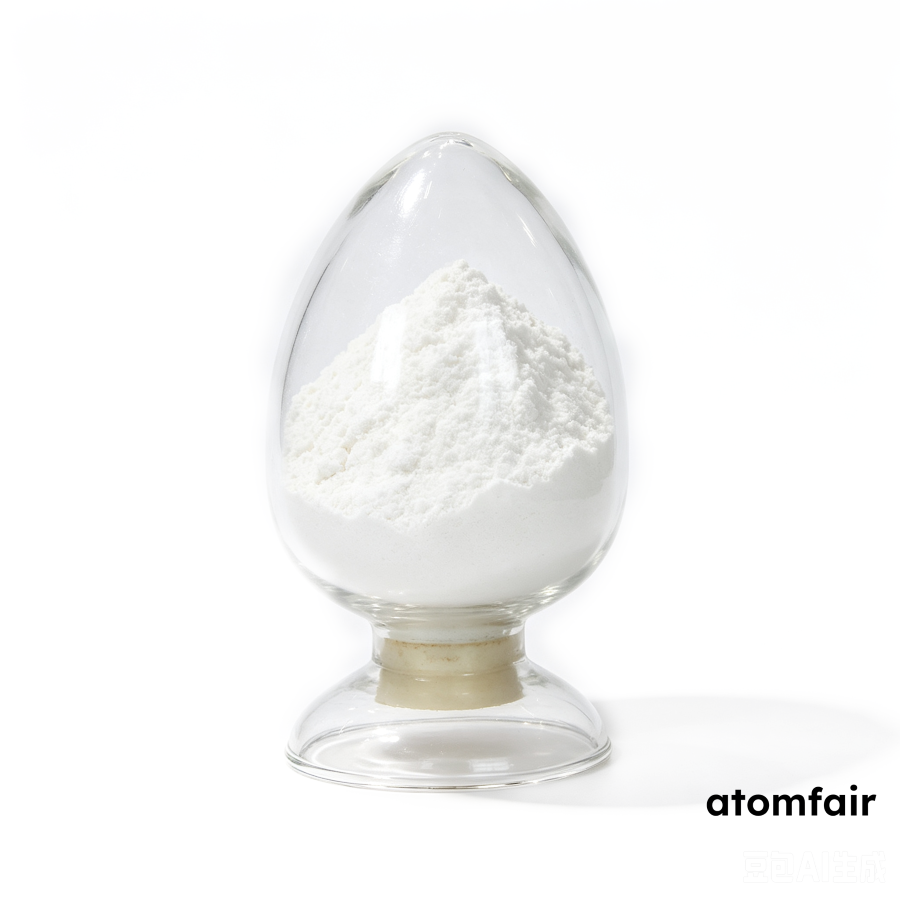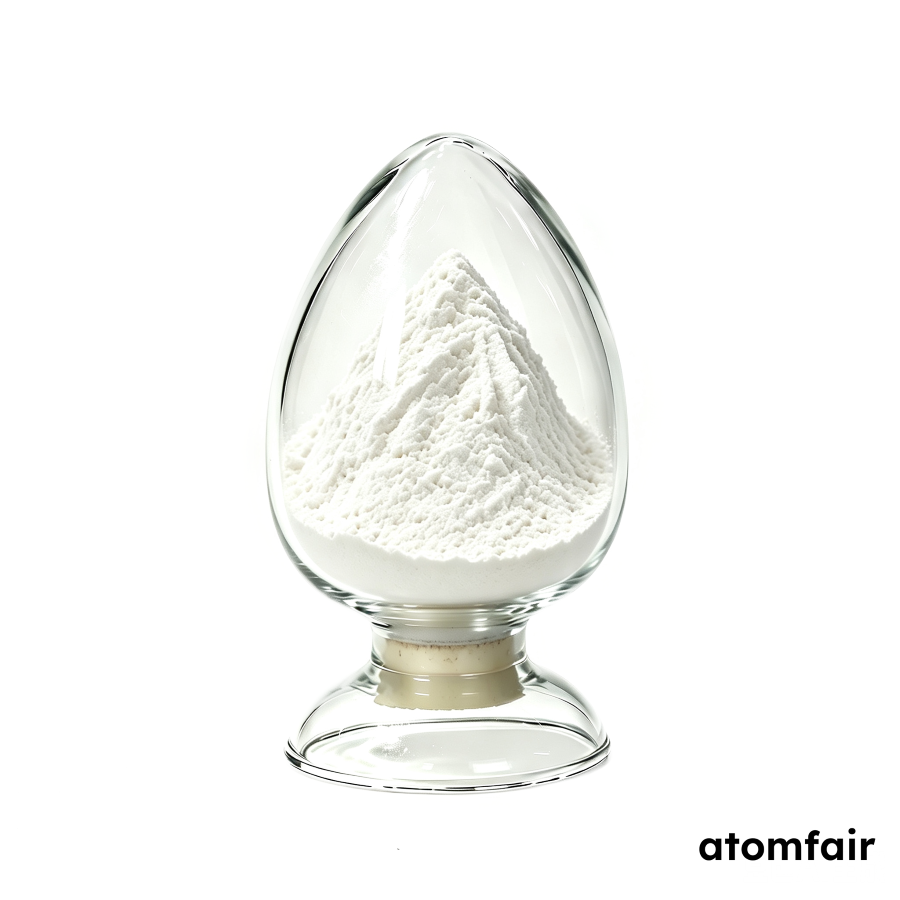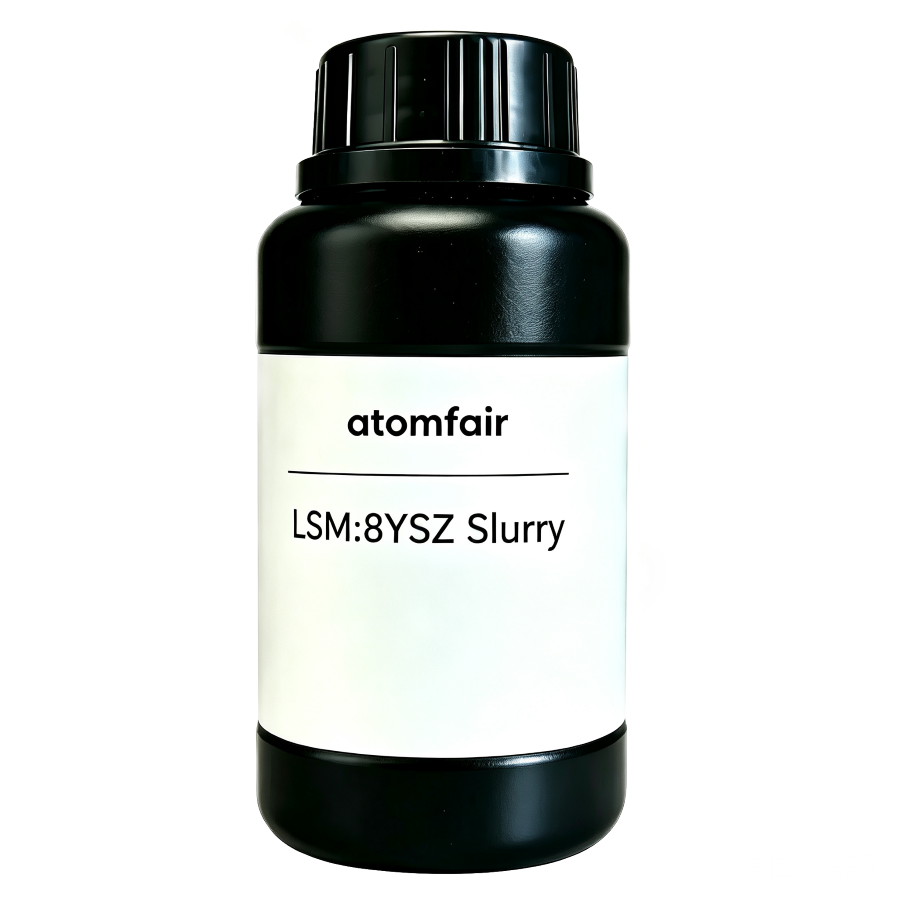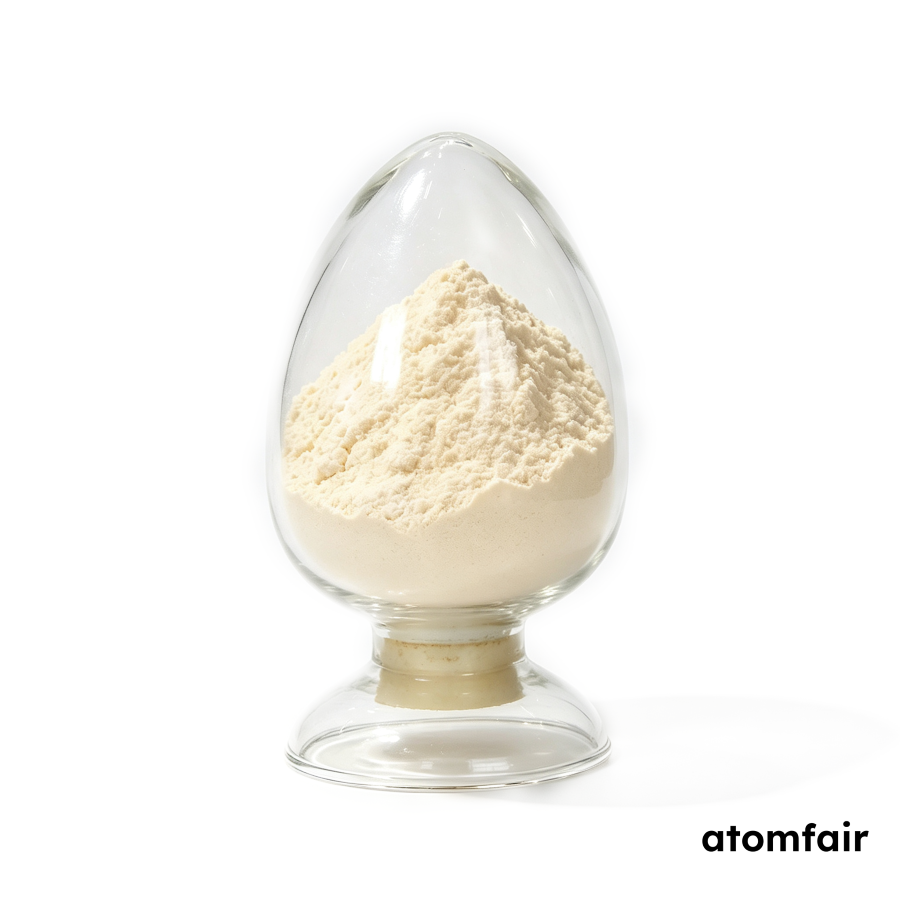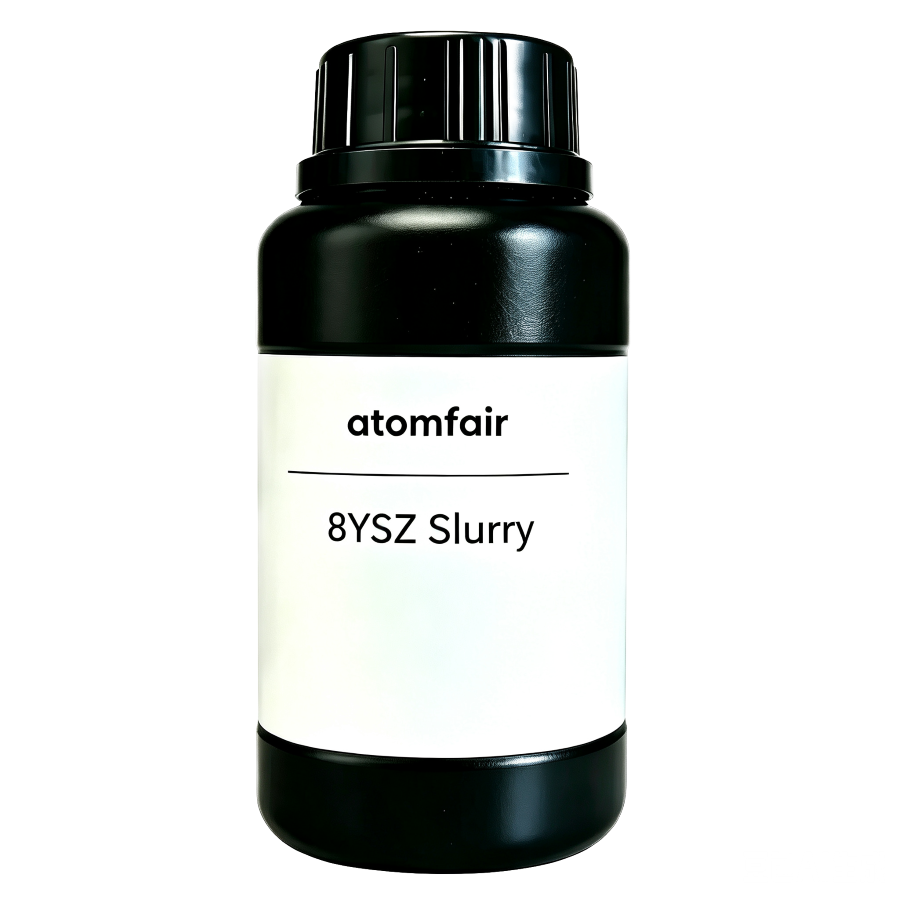
Yttria-Stabilized Zirconia Powder (8 mol% Y₂O₃) Electrolyte Slurry, 1 kg | ATOMFAIRProduct Type: SOC electrolyte slurry
Research-grade laboratory product
|
|||||||||||||||||||||||||
|
|||||||||||||||||||||||||
|
LABORATORY PROCUREMENT SUPPORT
For model selection, accessory matching, platform compatibility or configuration confirmation, contact our technical sales team.
E-MAIL: inquiry@atomfair.com
|
|||||||||||||||||||||||||
|
Manufacturer: Atomfair LLC
Brand: ATOMFAIR®
|
This document outlines the storage and processing constraints for the 8YSZ electrolyte slurry to ensure optimal film quality. It covers environmental requirements, application methods, and potential failure modes.
- Storage and Environmental Conditions: Store the slurry in a cool, dry environment and keep the container tightly sealed to prevent solvent evaporation, viscosity drift, and contamination.
- Application Methods: Apply the slurry via screen-printing or spin-coating to achieve thin, dense electrolyte films with low viscosity and fine solids.
- Film Quality Requirements: Maintain proper processing to avoid pinholes and surface defects, ensuring gas-tightness and high ionic conductivity after sintering.
This procedure describes the deposition of a dense 8YSZ electrolyte layer using screen-printing or spin-coating. It covers preparation, application, and sintering steps.
Required Equipment: Screen printer or spin coater, Substrate, Drying oven, Sintering furnace
- Prepare Substrate
Clean and dry the substrate to ensure proper wetting and adhesion of the slurry. - Apply Slurry
Deposit the slurry onto the substrate using screen-printing or spin-coating to achieve the desired thickness. - Dry Film
Dry the coated substrate to remove solvents and prevent defects during sintering. - Sinter Electrolyte
Sinter the dried film at an appropriate temperature to densify the electrolyte and achieve gas-tightness.
What is the optimal viscosity range for achieving pinhole-free electrolyte films with this 8YSZ slurry?
The slurry has a viscosity of 250–400 mPa·s, which is relatively low to enable deposition of thin, dense electrolyte films via screen-printing or spin-coating. This low viscosity ensures excellent leveling and coverage, minimizing pinholes and surface defects after sintering.
Can this 8YSZ electrolyte slurry be used for both anode-supported and electrolyte-supported solid oxide cell configurations?
Yes, it is widely used in both anode-supported and electrolyte-supported cell configurations. The slurry provides high ionic conductivity and gas-tightness essential for maintaining open-circuit voltage and overall cell efficiency.
What storage conditions are required to prevent viscosity drift and solvent evaporation in this 8YSZ slurry?
Store the slurry in a cool, dry environment and keep containers tightly sealed when not in use. This prevents solvent evaporation, viscosity drift, and contamination, ensuring consistent performance during application.
This 8YSZ electrolyte slurry (45–55 wt% solids, <5 μm fineness, 250–400 mPa·s) is formulated for screen-printing or spin-coating thin, dense electrolyte layers in solid oxide cells, with low viscosity enabling pinhole-free films and high oxygen-ion conduction, though it requires controlled storage and sintering conditions to maintain stability and achieve sub-20 μm thickness.
Positive
- Low viscosity for thin dense films: Rheology of 250–400 mPa·s with fine solids (<5 μm) promotes leveling and coverage, reducing pinholes and surface defects after sintering, enabling electrolyte layers under 20 μm.
- High oxygen-ion conduction: 8YSZ composition delivers excellent ionic transference, providing the gas-tightness and ionic conductivity required for efficient open-circuit voltage and cell performance.
Trade-offs
- Sensitive to solvent evaporation: Containers must be tightly sealed and stored in a cool, dry environment; solvent loss causes viscosity drift and contamination, altering deposition behavior and film quality.
- Processing-dependent thickness control: Achieving sub-20 μm pinhole-free films requires optimized screen-printing or spin-coating parameters and proper sintering; deviations can compromise density and gas-tightness.
Every advanced material, component, equipment, and instrument in our catalog is backed by rigorous testing. We maintain strict internal quality management frameworks and align with CE conformity metrics to deliver transparent, reproducible performance data via our public open-science repository.
To request raw batch performance data, submit formal vendor registration paperwork, or execute a fast-turnaround R&D manufacturing loop, contact us at inquiry@atomfair.com.
Item is dispatched under the Atomfair Shipping & Delivery Framework (Free worldwide shipping on orders over $59 USD excl. heavy equipment). Return is governed by the Atomfair Return & Refund Policy (7-day technical return window).