
Electrodes & Sensor Probes
Electrodes & Sensor Probes are essential components for electrochemical testing, materials research, corrosion analysis, electrocatalysis, battery research, environmental monitoring, and sensor development. This category includes electrodes and probes that directly contact the sample, electrolyte, or tested medium.
Products can be selected according to electrode function, material, geometry, measurement parameter, sample type, mounting method, operating environment, and instrument connection. The collection is suitable for laboratory research, quality control, process monitoring, and customized electrochemical applications.
This category focuses on electrodes and sensor probes themselves. Electrochemical instruments and software, electrochemical cells and reactors, consumables and spare parts, and experimental accessories should be organized under their corresponding categories.
Show More About Electrodes & Sensor Probes
Product Range
| Product Category | Main Product Types | Typical Applications |
|---|---|---|
| Working Electrodes | Glassy carbon, graphite, carbon paste, gold, platinum, silver, palladium, copper, iron, nickel, cobalt, titanium, tungsten, zinc, aluminum, stainless steel, carbon steel, and other metal electrodes | Cyclic voltammetry, materials research, electrocatalysis, corrosion studies, and sensor development |
| Counter / Auxiliary Electrodes | Platinum wire, plate, mesh and coil electrodes; gold wire and plate electrodes; graphite rods; glassy carbon and large-area auxiliary electrodes | Completing the current circuit in three-electrode testing, electrodeposition, electrocatalysis, and battery research |
| Reference Electrodes | Ag/AgCl, saturated calomel, double-junction, refillable, maintenance-free, miniature, organic-solvent, and special-environment reference electrodes | Providing a stable potential reference for electrochemical measurements |
| Combination Electrodes | pH, ORP, ion-selective, and temperature-compensated combination probes | Simplified installation for routine laboratory and field measurements |
| pH Probes | Standard, micro-volume, semi-micro, flat-surface, piercing, high-temperature, high-viscosity, and low-ionic-strength pH electrodes | Acidity and alkalinity measurement |
| ORP Probes | Platinum ORP electrodes, gold ORP electrodes, and combination oxidation-reduction potential probes | Redox monitoring, water treatment, chemical processing, and laboratory analysis |
| Ion-Selective Electrodes | Fluoride, chloride, calcium, nitrate, ammonium, sodium, potassium, and metal-ion selective electrodes | Selective ion concentration or activity measurement |
| Conductivity Probes | Two-electrode, four-electrode, low-conductivity, high-conductivity, immersion, and flow-through conductivity probes | Solution conductivity, water quality, and process-liquid monitoring |
| Dissolved Oxygen Probes | Polarographic, galvanic, membrane-type, miniature, immersion, and flow-through dissolved oxygen probes | Water, culture media, fermentation, and environmental sample analysis |
| Specialty Electrodes | Microelectrodes, printed electrodes, transparent conductive electrodes, rotating disk electrodes, rotating ring-disk electrodes, thin-film electrodes, and electrode arrays | Microanalysis, portable sensing, electrocatalysis, photoelectrochemistry, thin-film research, and high-throughput testing |
Electrode Materials
| Material Family | Key Characteristics | Common Uses |
|---|---|---|
| Glassy Carbon | Stable conductive surface that can be polished and renewed | Voltammetry, sensors, electrocatalysis, and materials research |
| Graphite | Available in rod, plate, and large-area formats | Counter electrodes, working electrodes, and general electrochemical testing |
| Carbon Paste | Refillable and surface-renewable electrode material | Chemical sensors, ion detection, and surface modification |
| Gold | Stable metal surface suitable for functionalization | Biosensors, surface chemistry, thin films, and electrochemical detection |
| Platinum | Good conductivity and chemical stability | Counter electrodes, ORP measurements, electrocatalysis, and demanding tests |
| Engineering Metals | Copper, iron, nickel, cobalt, titanium, tungsten, aluminum, zinc, cadmium, lead, stainless steel, and carbon steel | Corrosion, electrodeposition, battery materials, structural-metal research, and applied electrochemistry |
| Transparent Conductive Materials | ITO, FTO, and other transparent conductive substrates | Photoelectrochemistry, semiconductors, thin films, and solar-energy materials |
Geometry and Mounting Options
| Format | Product Characteristics | Suitable Applications |
|---|---|---|
| Disk Electrodes | Clearly defined exposed area and controlled surface geometry | Voltammetry, electrocatalysis, and surface-reaction studies |
| Rod Electrodes | Robust structure and larger active surface options | Graphite, glassy carbon, and auxiliary electrodes |
| Wire Electrodes | Can be configured as coils, meshes, or miniature electrodes | Counter electrodes, microelectrodes, and custom assemblies |
| Plate and Mesh Electrodes | Larger surface area for sample contact and current distribution | Electrodeposition, electrocatalysis, and high-current testing |
| PTFE-Sealed Electrodes | Insulated body and protected electrical connection | Routine immersion electrochemistry |
| L-Shaped and T-Shaped Electrodes | Designed for special positioning and limited-access cells | Custom cells, fixtures, and narrow working spaces |
| Magnetic Electrodes | Quick attachment, removal, and repeatable positioning | Modular testing and rapid electrode exchange |
| Detachable Electrodes | Replaceable electrode heads or renewable working surfaces | Long-term testing, surface maintenance, and multi-material experiments |
| Clip-Style Electrodes | Secure contact with sheets, foils, films, and irregular samples | Direct sample testing and non-standard specimens |
| Flow-Through Probes | Designed for pipeline, flow-cell, or continuous monitoring installation | Online testing and process monitoring |
Sensor Probe Selection
| Measurement | Suitable Probes | Important Selection Factors |
|---|---|---|
| pH | Glass-membrane pH electrodes, flat pH electrodes, piercing pH electrodes, and pH combination electrodes | Sample volume, viscosity, temperature, contamination risk, and calibration method |
| ORP | Platinum ORP electrodes, gold ORP electrodes, and ORP combination probes | Medium composition, redox conditions, reference system, and temperature |
| Ion Concentration | Ion-selective electrodes, ISE half-cells, and ISE combination electrodes | Target ion, measurement range, interfering ions, and reference electrode |
| Conductivity | Two-electrode, four-electrode, immersion, and flow-through conductivity probes | Cell constant, measurement range, temperature compensation, and installation method |
| Dissolved Oxygen | Polarographic, galvanic, membrane-type, miniature, immersion, and flow-through probes | Membrane type, maintenance, temperature compensation, pressure, and flow rate |
Specialty Electrodes
| Product Family | Main Features | Application Areas |
|---|---|---|
| Microelectrodes | Small active areas and low sample requirements | Microfluidics, cells, local corrosion, and microenvironment research |
| Printed Electrodes | Suitable for batch production and disposable testing | Portable testing, food safety, and biosensors |
| Rotating Disk Electrodes | Controlled mass transfer through rotation | Electrocatalysis, reaction kinetics, and transport studies |
| Rotating Ring-Disk Electrodes | Allows investigation of reaction intermediates and secondary reactions | Catalytic mechanisms and reaction pathway analysis |
| Transparent Conductive Electrodes | Supports simultaneous optical and electrochemical testing | Photoelectrochemistry, semiconductors, and solar-energy materials |
| Electrode Arrays | Multiple channels for parallel or high-throughput measurement | Sensor chips, microfluidics, and multi-point analysis |
| Custom Electrodes | Custom materials, geometry, dimensions, connection, and mounting | Specialized cells, dedicated instruments, and non-standard samples |
Typical Applications
| Application Area | Recommended Product Types |
|---|---|
| General Electrochemical Testing | Working electrodes, reference electrodes, counter electrodes, and combination electrodes |
| Electrochemical Impedance Spectroscopy | Stable working electrodes, reference electrodes, and counter electrodes |
| Corrosion and Protection | Metal working electrodes, stainless steel, carbon steel, and reference electrodes |
| Electrocatalysis | Glassy carbon, platinum, gold, rotating disk, and rotating ring-disk electrodes |
| Battery and Energy Materials | Metal electrodes, plate electrodes, sample clips, current-contact electrodes, and auxiliary electrodes |
| Water and Environmental Testing | pH, ORP, conductivity, and dissolved oxygen probes |
| Ion Analysis | Ion-selective electrodes and compatible reference electrodes |
| Biosensor and Chemical Sensor Development | Gold, platinum, glassy carbon, printed, modified-surface, and array electrodes |
| Photoelectrochemical Research | ITO, FTO, transparent conductive, thin-film, and coated electrodes |
Selection Checklist
| Selection Item | What to Confirm |
|---|---|
| Measurement Parameter | Current, potential, impedance, pH, ORP, ion concentration, conductivity, or dissolved oxygen |
| Electrode Function | Working, counter, reference, combination electrode, or sensor probe |
| Material | Glassy carbon, graphite, gold, platinum, silver, engineering metal, or transparent conductive material |
| Active Dimensions | Disk diameter, exposed area, wire diameter, length, thickness, and insertion depth |
| Sample Type | Liquid, suspension, thin film, metal sheet, foil, solid, or semi-solid sample |
| Mounting Method | Immersion, clip-style, magnetic, flow-through, threaded, flange-mounted, or custom installation |
| Operating Environment | Temperature, pressure, pH, solvent, salt concentration, and corrosive conditions |
| Instrument Connection | BNC, banana plug, alligator clip, coaxial connection, dedicated connector, or custom cable |
| Maintenance | Cleaning, polishing, electrolyte refilling, membrane replacement, electrode-head replacement, or calibration |
| Customization | Material, shape, dimensions, cable length, connector, active area, and mounting structure |
Frequently Asked Questions
What is the difference between a working electrode, reference electrode, and counter electrode?
The working electrode is where the primary electrochemical reaction occurs. The reference electrode provides a stable potential reference, while the counter electrode completes the current circuit.
Should I use a two-electrode or three-electrode system?
Three-electrode systems are commonly used for electrochemical research involving electrode reactions, potential control, or impedance measurements. Batteries, conductivity measurements, and some sensor applications may use two-electrode or integrated probes.
How should I choose between a glassy carbon electrode and a platinum electrode?
Glassy carbon is commonly used for voltammetry, materials research, electrocatalysis, and sensor development. Platinum is often selected for counter electrodes, ORP measurements, electrocatalysis, and applications requiring a stable conductive surface. The electrolyte and target reaction should also be considered.
Can a pH electrode be used as an ORP electrode?
No. A pH electrode measures acidity or alkalinity using a pH-sensitive glass membrane, while an ORP electrode measures oxidation-reduction potential using a suitable inert metal surface. Their measurement principles and constructions are different.
How do I choose the correct electrode size?
Confirm the required active area, electrochemical cell space, sample volume, immersion depth, and distance between electrodes. A larger electrode is not always better because it may require more sample volume or produce a different current response.
Why should I check the cell constant when buying a conductivity probe?
The cell constant affects the measurement range and the conversion of the electrical signal into conductivity. Low-conductivity, high-conductivity, and concentrated solutions may require different cell constants.
Does a pH electrode require calibration?
Yes. A pH electrode should generally be calibrated with suitable standard buffer solutions before use, after long-term storage, when changing sample types, or whenever the readings become unstable.
Why does a reference electrode show drifting readings?
Possible causes include a clogged liquid junction, insufficient filling solution, contamination, incorrect storage, aging, or damage to the reference electrode. Inspecting the filling solution and liquid junction is a useful first step.
Do dissolved oxygen probes require membrane replacement?
Some electrochemical dissolved oxygen probes require periodic membrane or internal electrolyte replacement. Maintenance requirements depend on the probe construction, sample type, temperature, and frequency of use.
Can I use an electrode with a different connector?
Not always. The connector, cable, pin configuration, shielding, signal type, and instrument input must all be compatible. Confirm the instrument model and electrode connection before ordering.
Can one electrode be used with different samples?
Some general-purpose electrodes can be reused after suitable cleaning, but cross-contamination and surface adsorption must be considered. Dedicated electrodes are recommended for trace analysis, biological samples, and high-accuracy measurements.
When should an electrode be replaced?
Replacement may be required when response becomes slow, readings drift, calibration fails, the active surface is damaged, the liquid junction is blocked, or performance does not recover after cleaning and maintenance.
What should I do if I cannot find a standard electrode size?
Custom solutions may be available for special materials, active areas, shapes, body dimensions, cable lengths, connectors, and mounting structures. Provide the measurement method, sample type, operating medium, required dimensions, and instrument interface when making an inquiry.
Showing 129–144 of 197 results
-
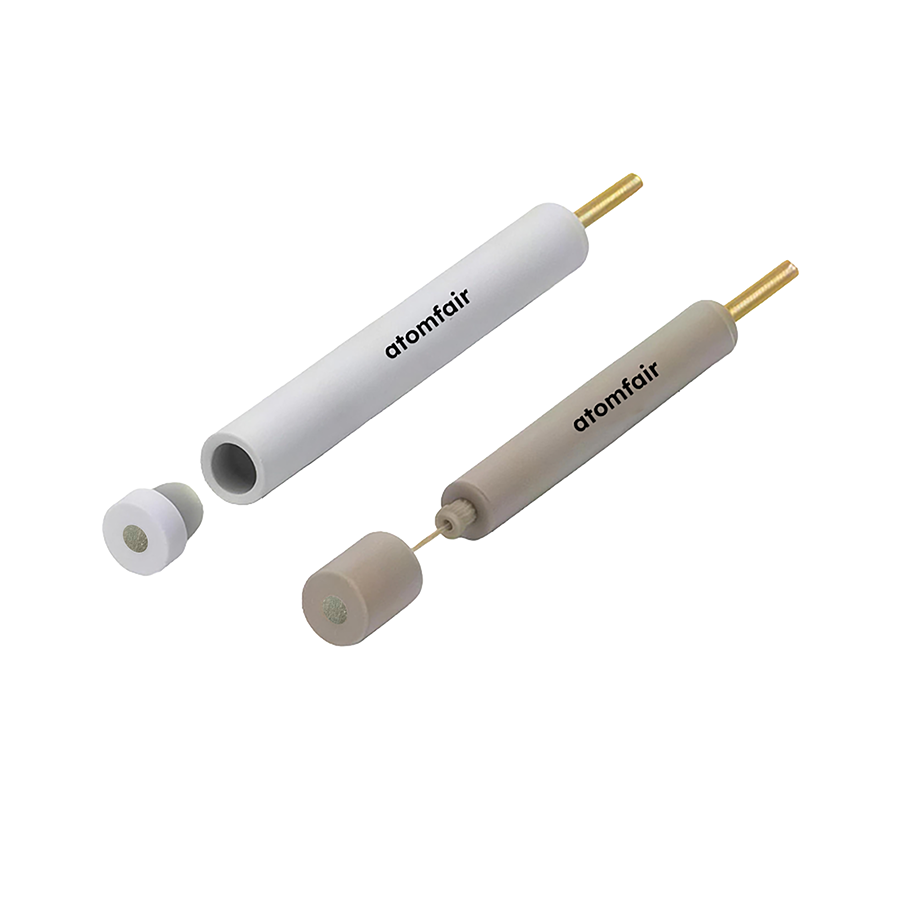
Palladium Working Electrode 3mm Detachable ATOMFAIR®
$91.00 -
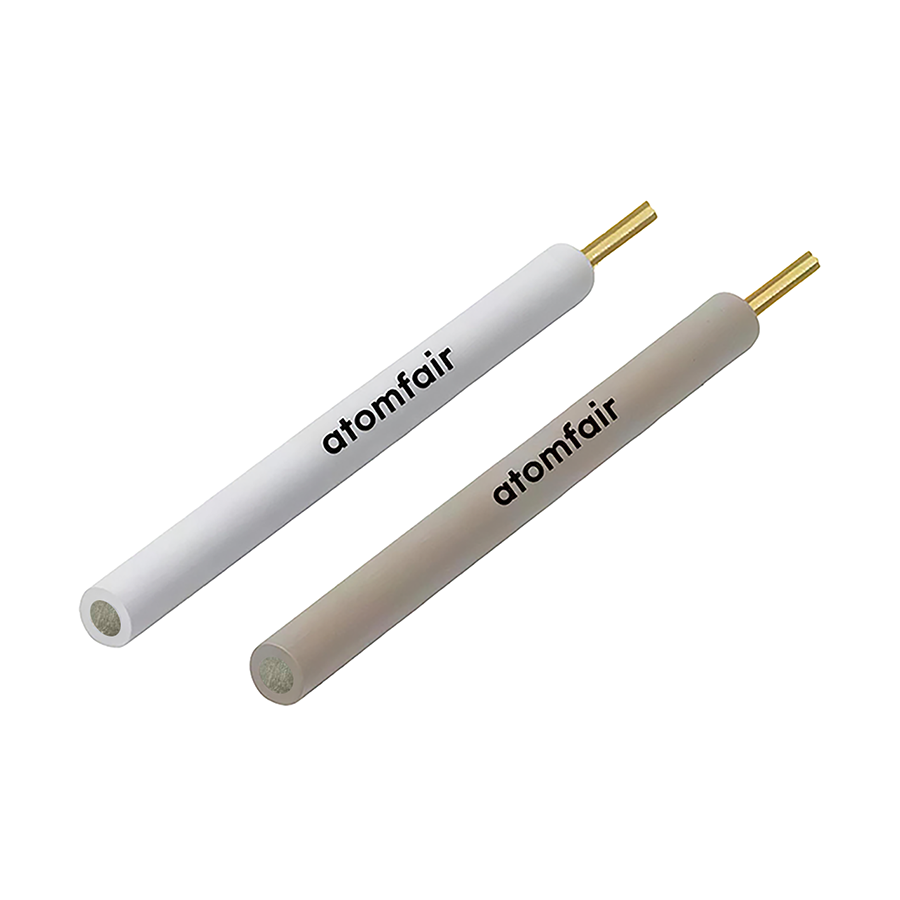
Palladium Working Electrode 3mm PTFE-Sealed ATOMFAIR®
$84.00 -
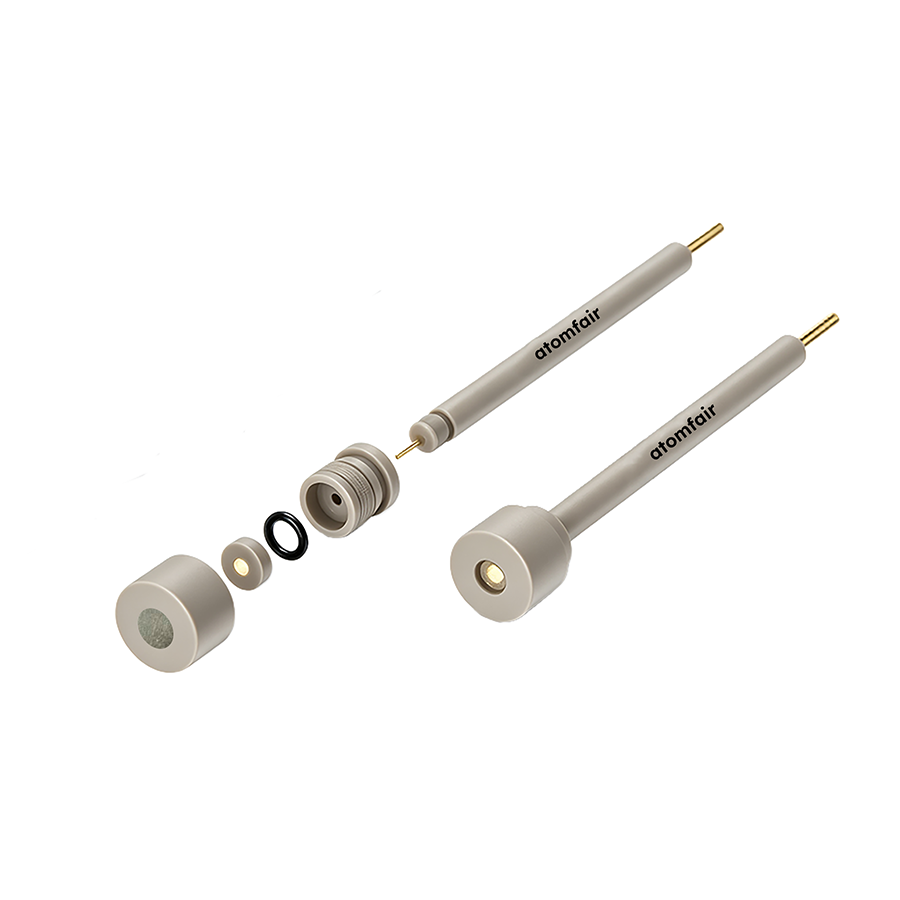
Palladium Working Electrode Series 3mm <4mm ATOMFAIR®
$124.00 -
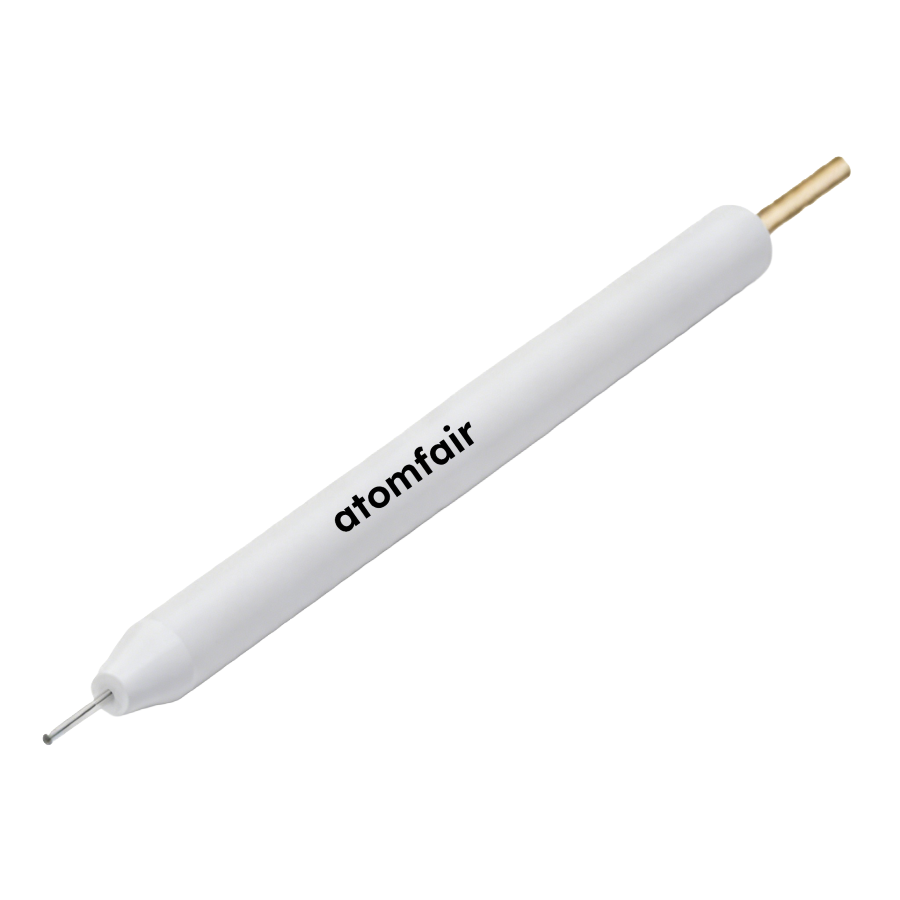
Platinum Column Counter Electrode 99.99%, 1.0mm ATOMFAIR®
Price range: $72.00 through $102.00 -
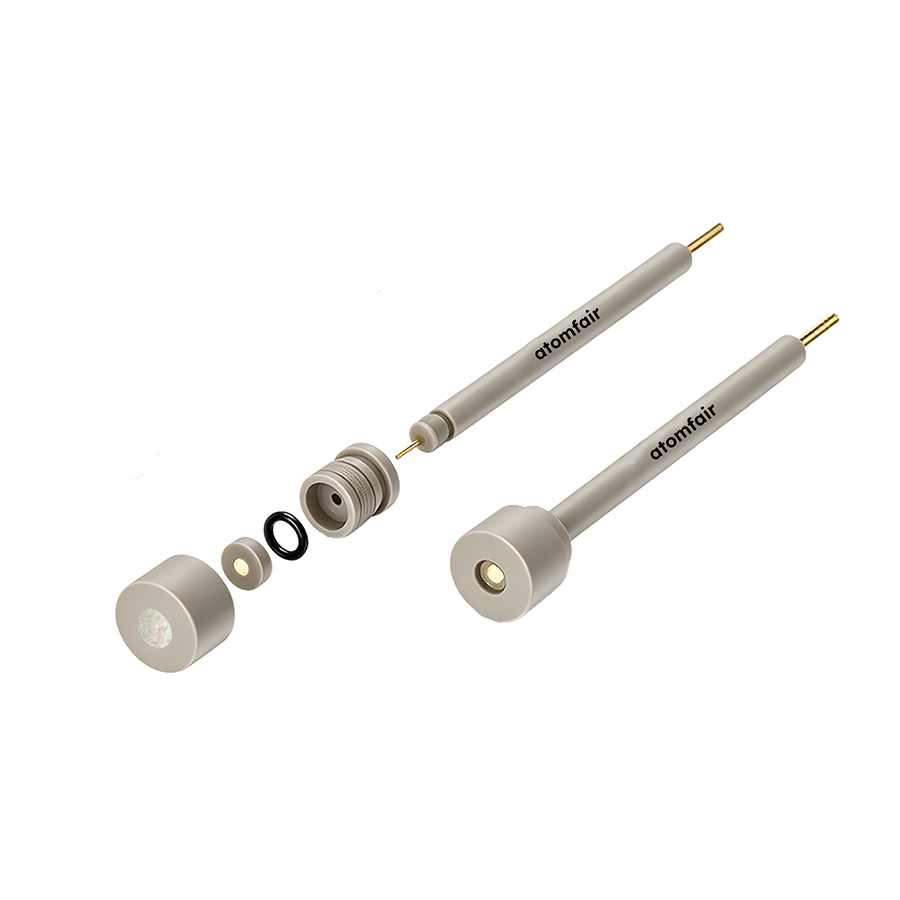
Platinum Disk Working Electrode 0.5-6 mm Series ATOMFAIR®
Price range: $100.00 through $302.00 -
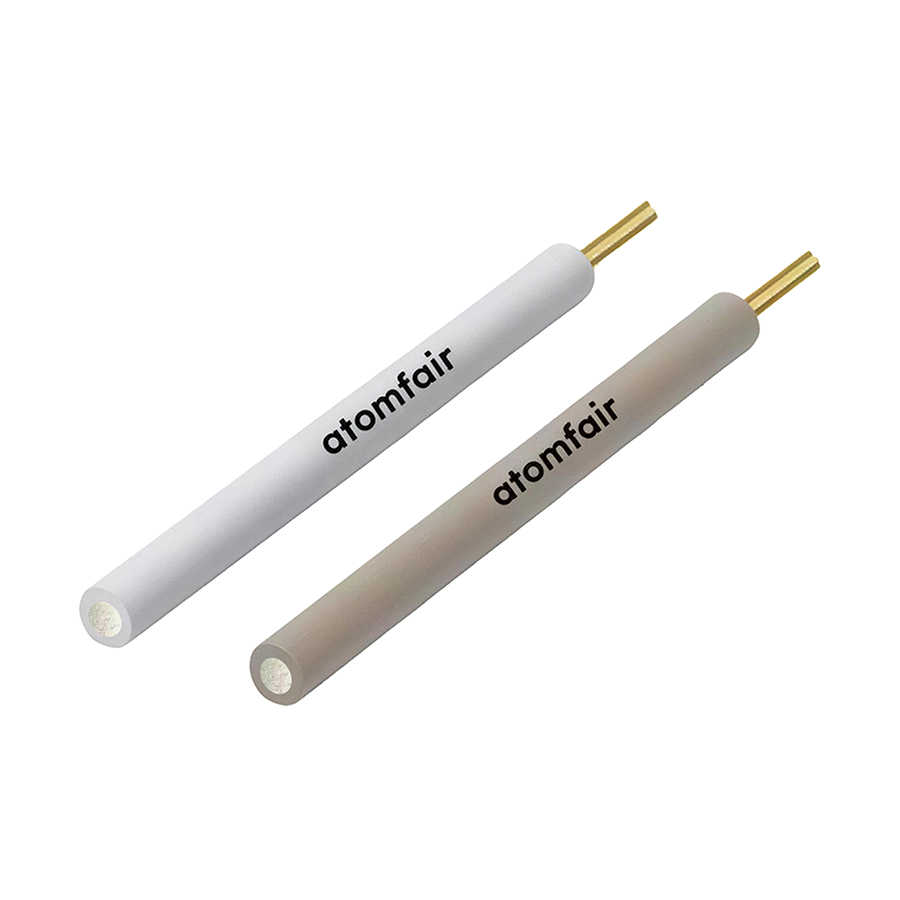
Platinum Disk Working Electrode 99.99% 0.5-6 mm ATOMFAIR®
Price range: $47.00 through $327.00 -
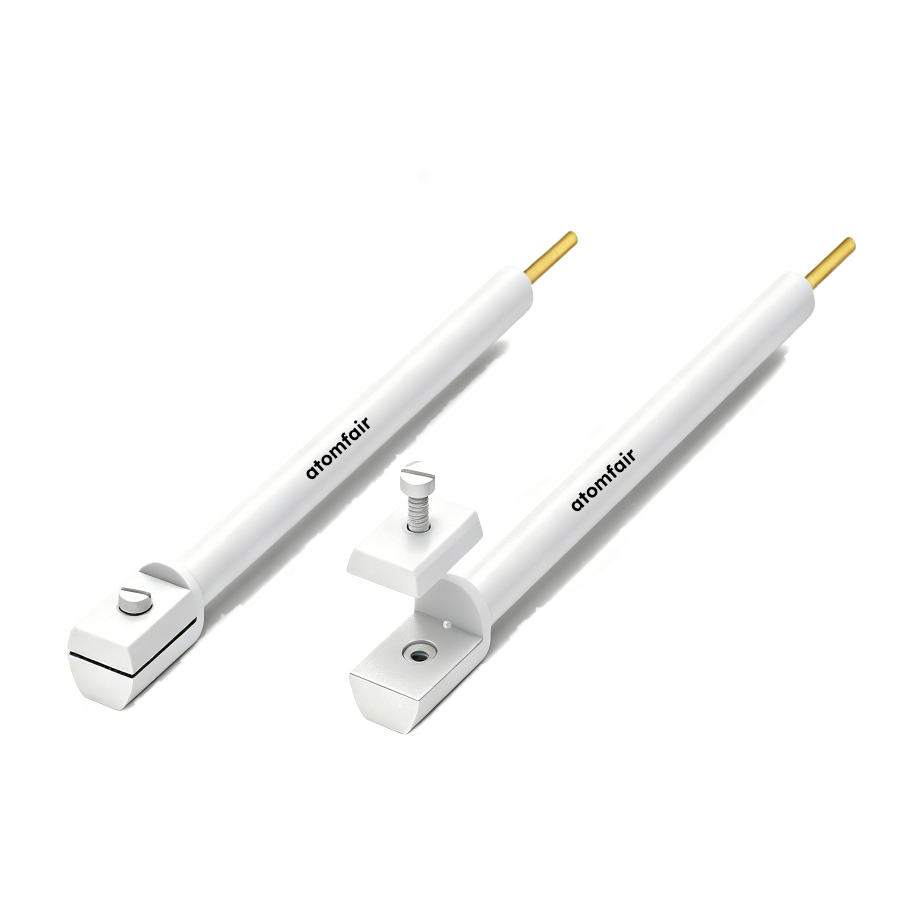
Platinum Electrode Clip 99.99% Pt PTFE Shell ATOMFAIR®
$115.00 -
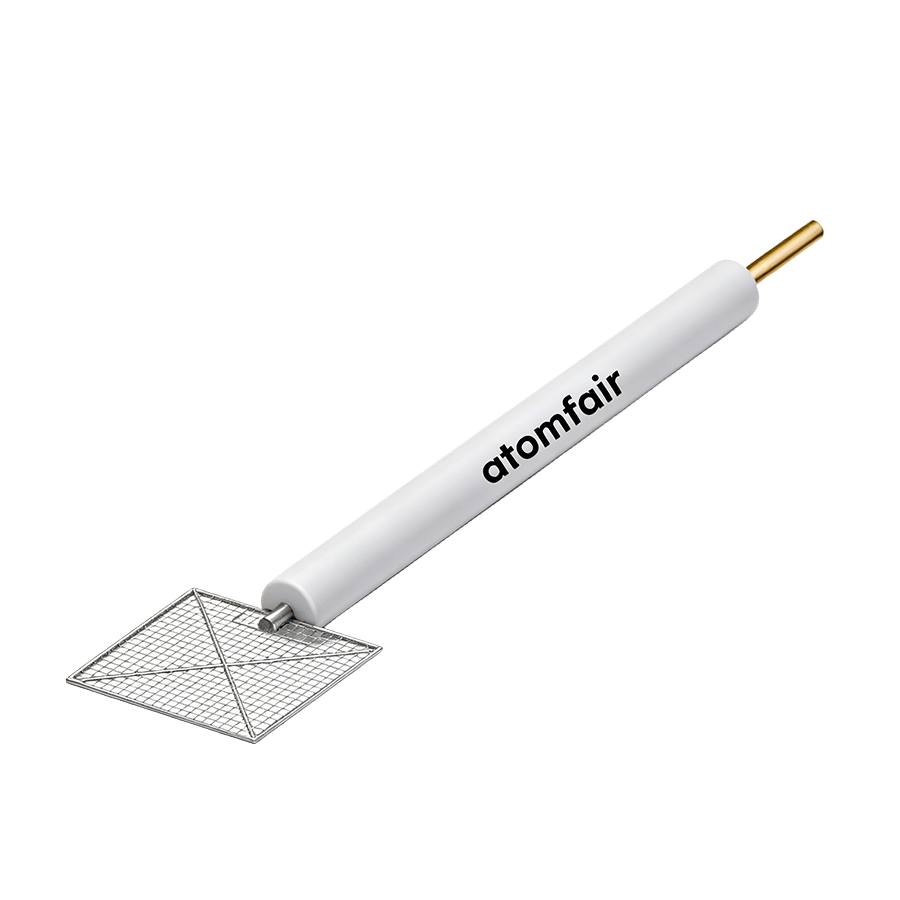
Platinum Net Counter Electrode 99.99% 52 Mesh ATOMFAIR®
Price range: $102.00 through $277.00 -
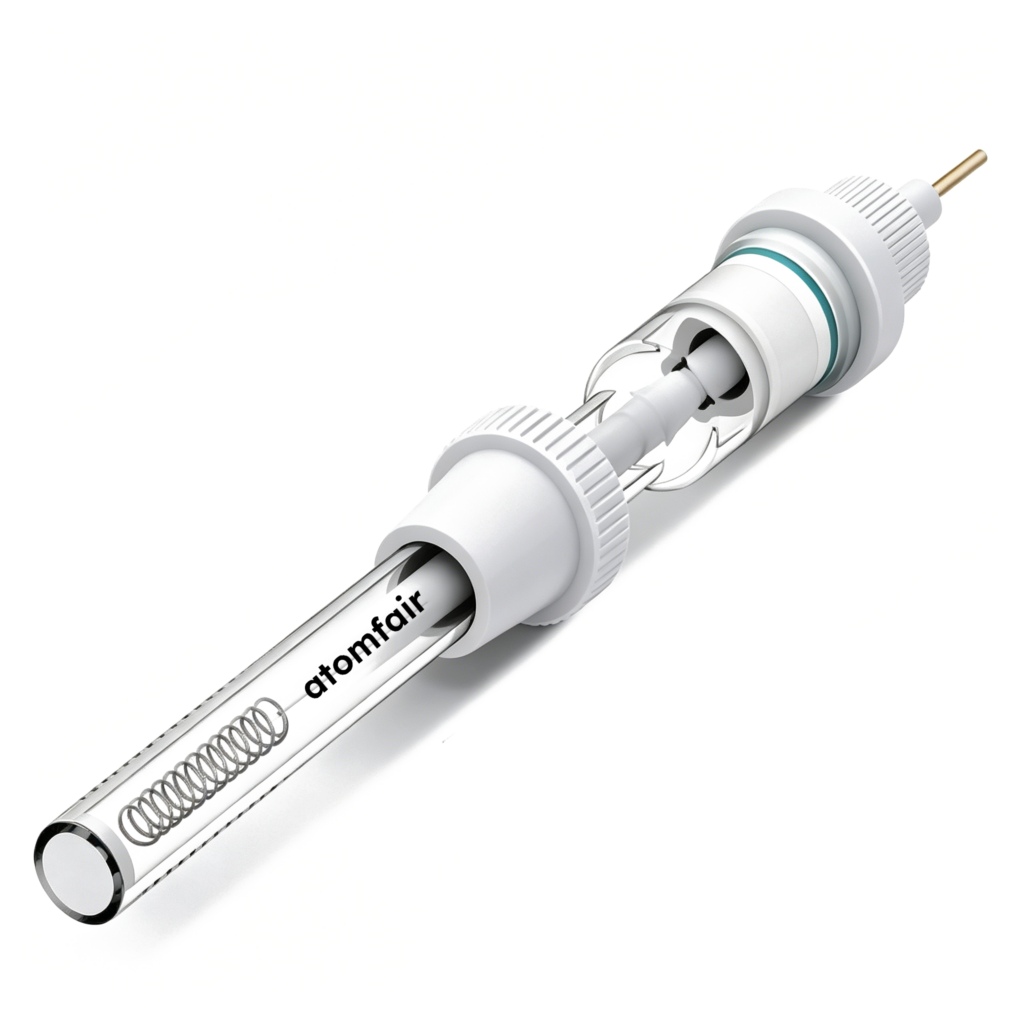
Platinum Salt Bridge Counter Electrode 0.5×230mm ATOMFAIR®
$277.00 -
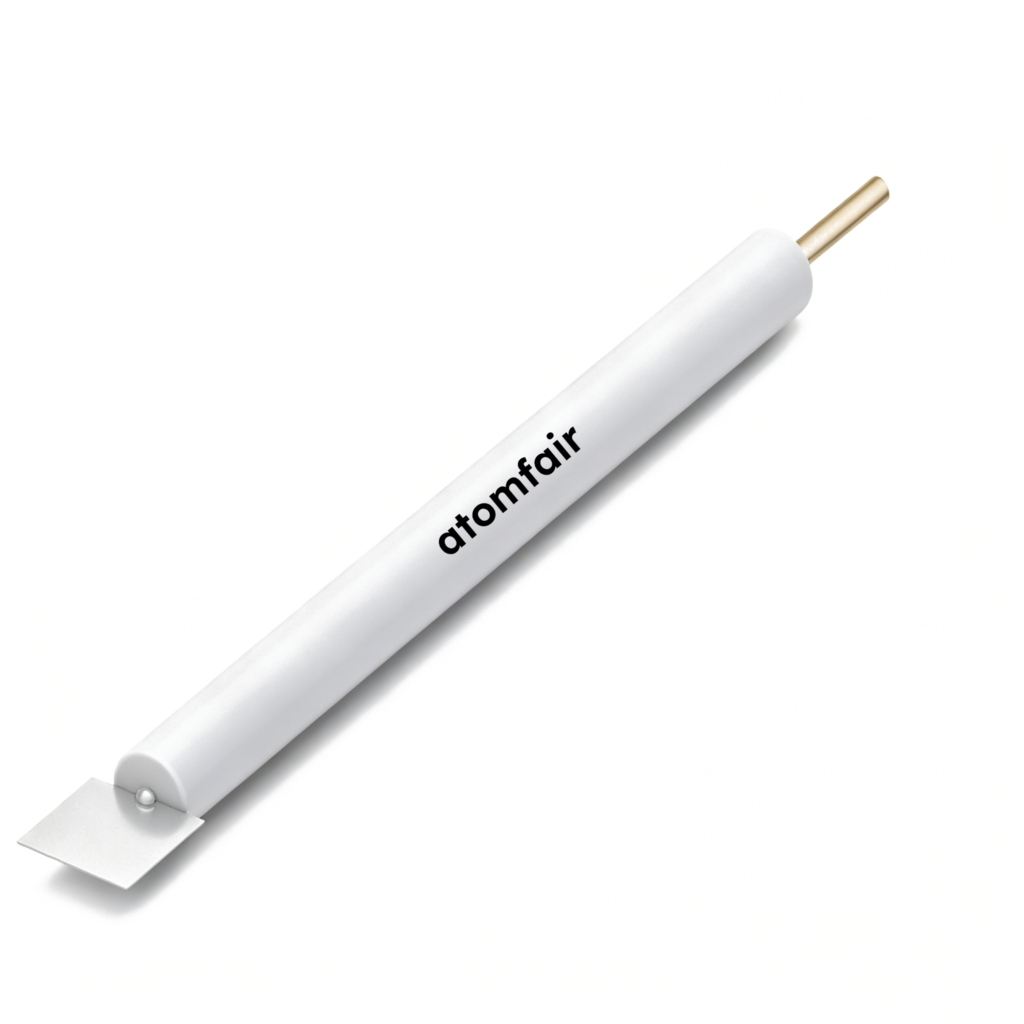
Platinum Sheet Counter Electrode 0.3 mm 99.99% ATOMFAIR®
Price range: $93.00 through $765.00 -
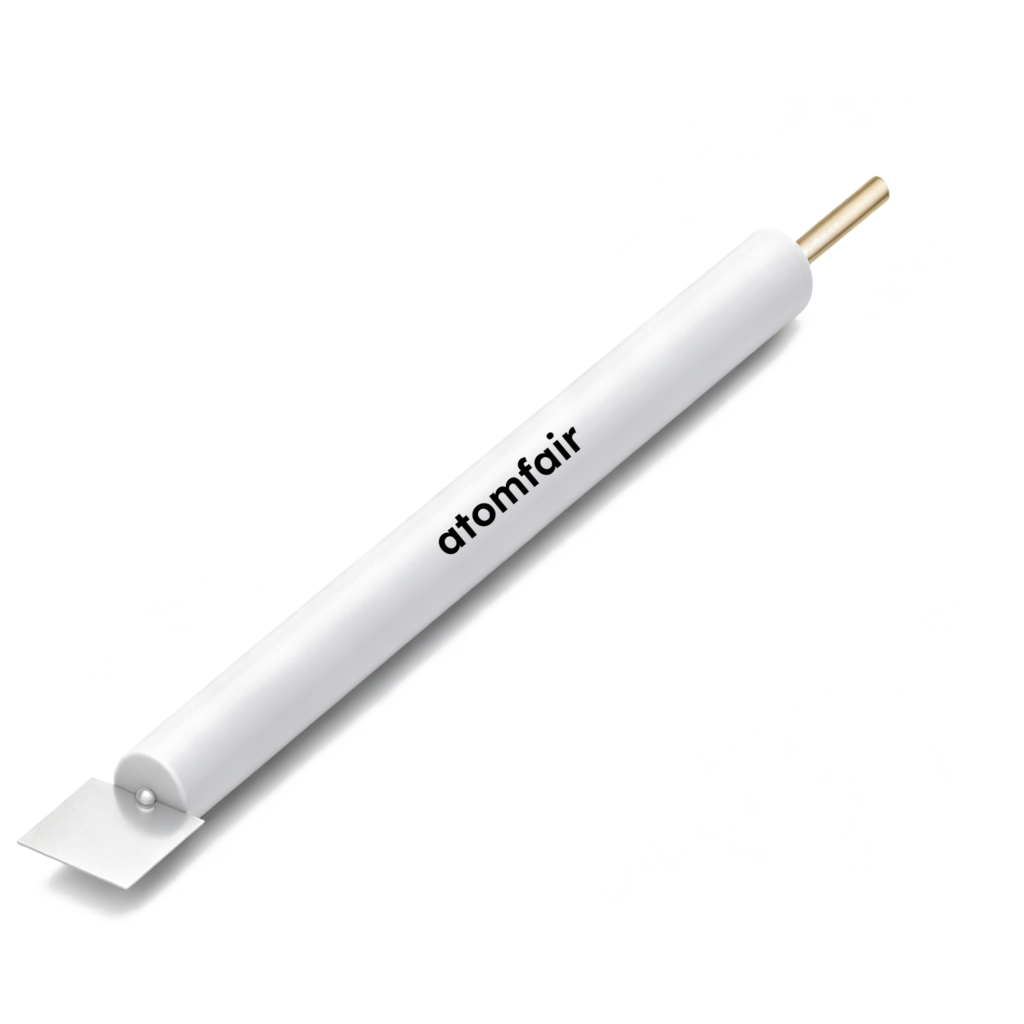
Platinum Sheet Counter Electrode 0.5mm 99.99% ATOMFAIR®
Price range: $214.00 through $588.00 -
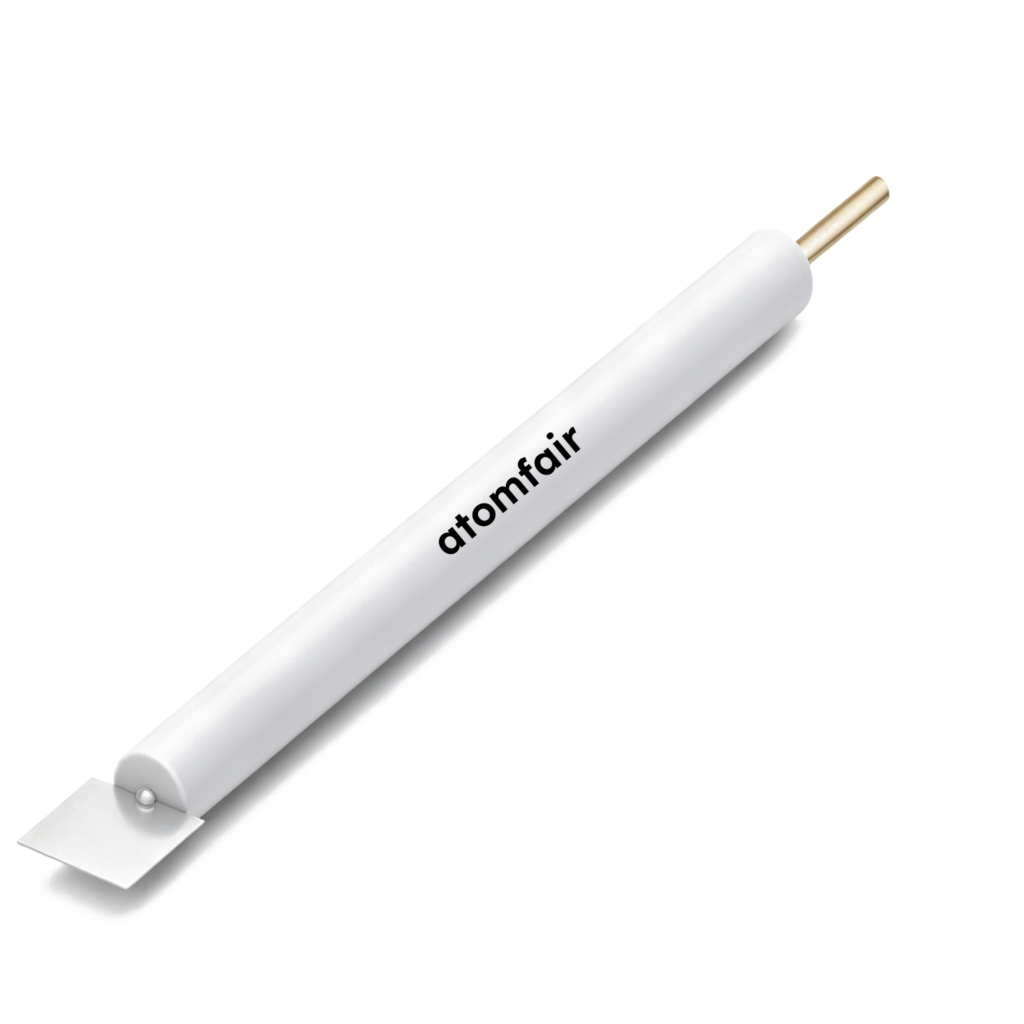
Platinum Sheet Counter Electrode 99.99% 0.1mm ATOMFAIR®
Price range: $72.00 through $313.00 -
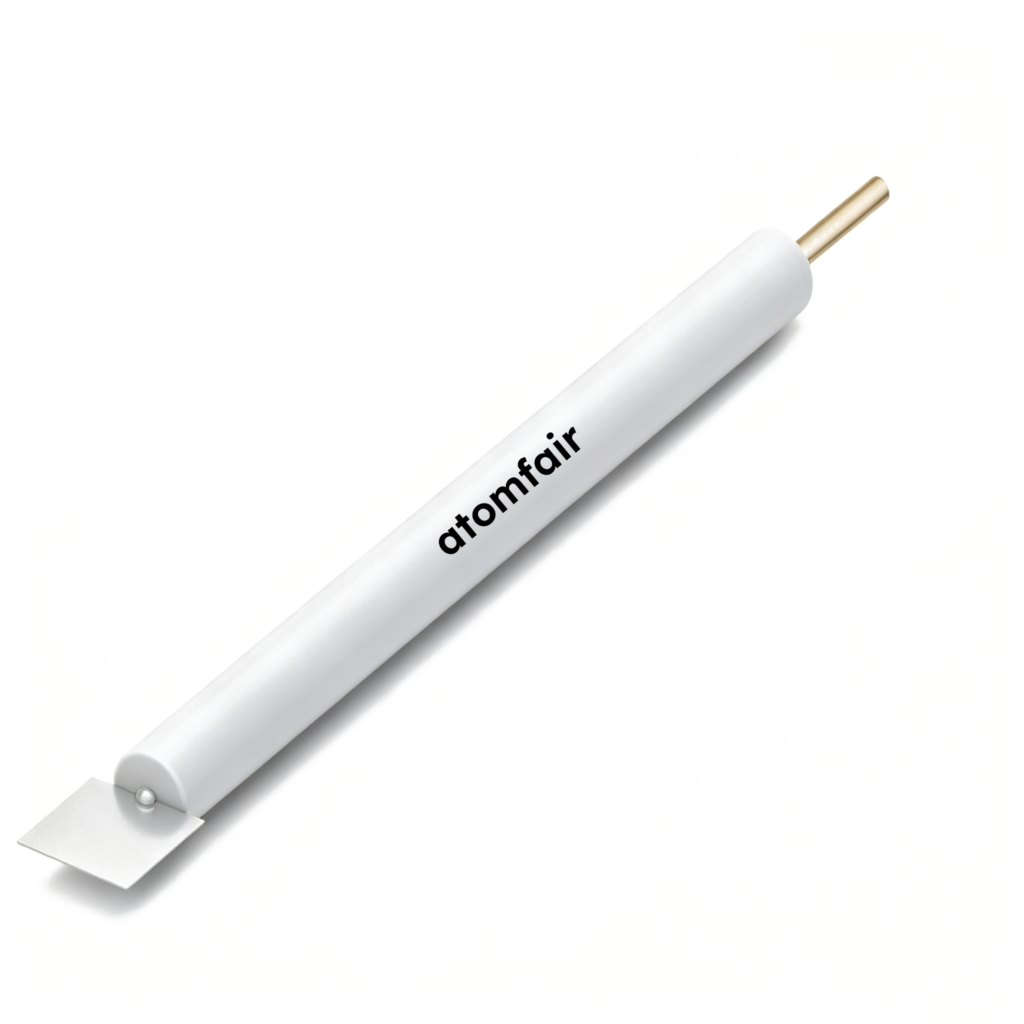
Platinum Sheet Counter Electrode 99.99%, 0.2mm ATOMFAIR®
Price range: $84.00 through $538.00 -
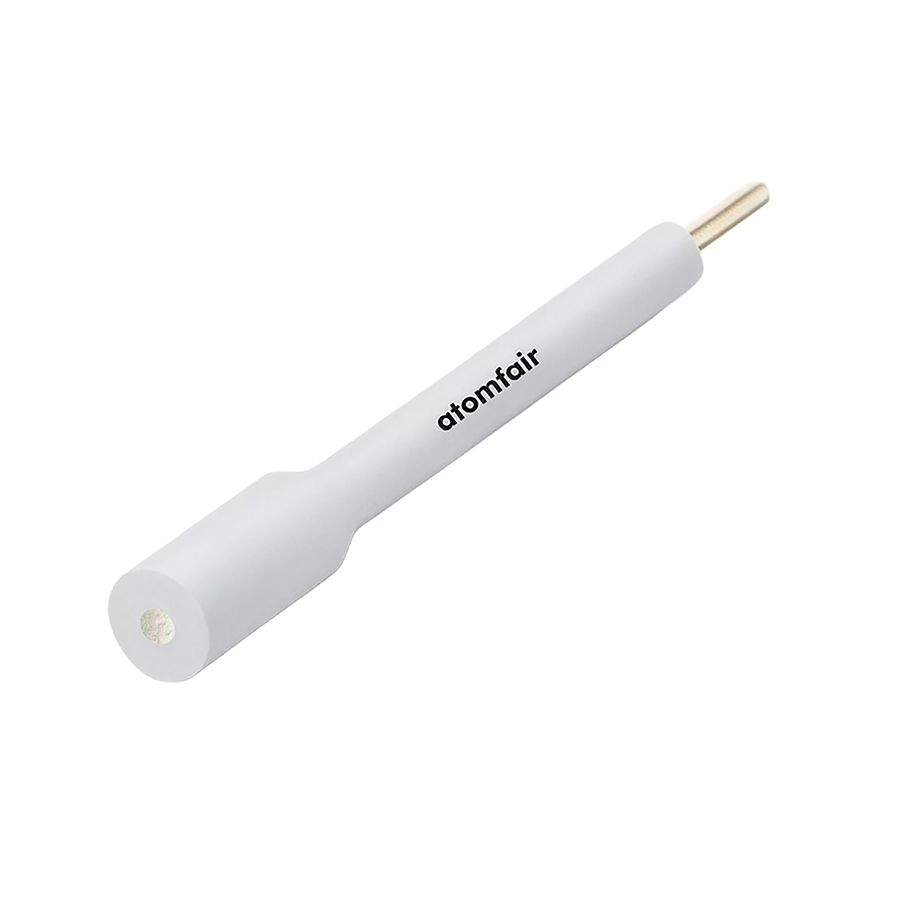
Platinum T-Shaped Disk Working Electrode 0.5-6mm ATOMFAIR®
Price range: $67.00 through $268.00 -
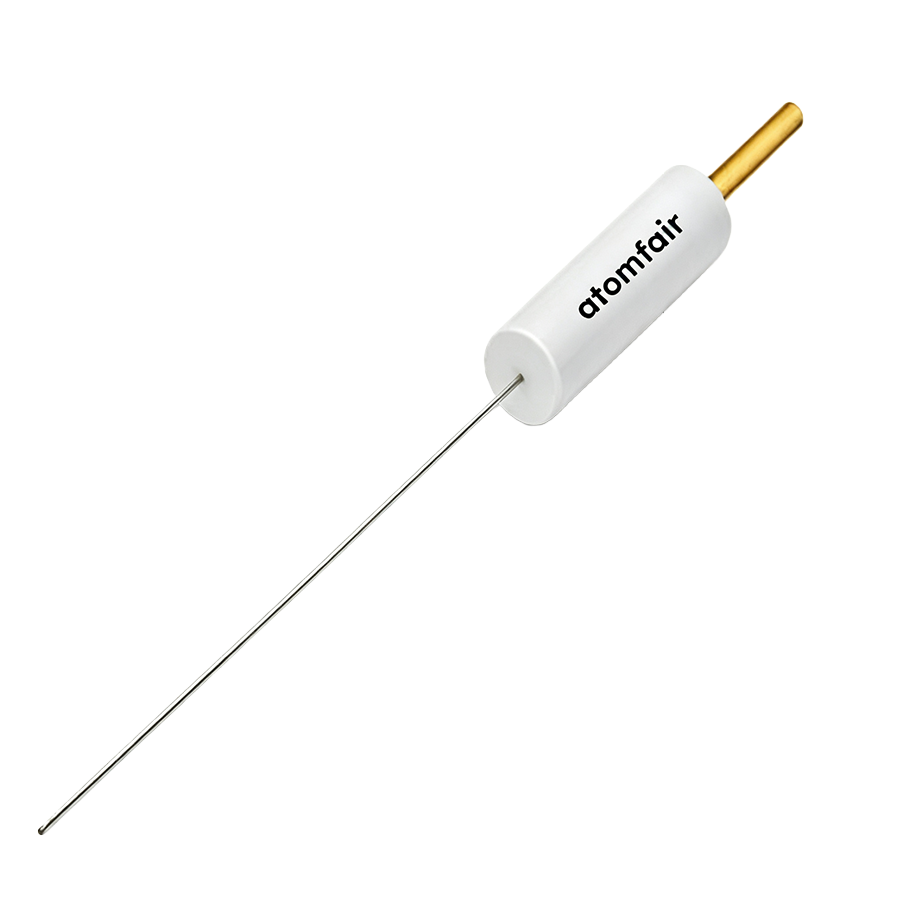
Platinum Wire Counter Electrode 99.99% 0.5–1mm ATOMFAIR®
Price range: $72.00 through $225.00 -
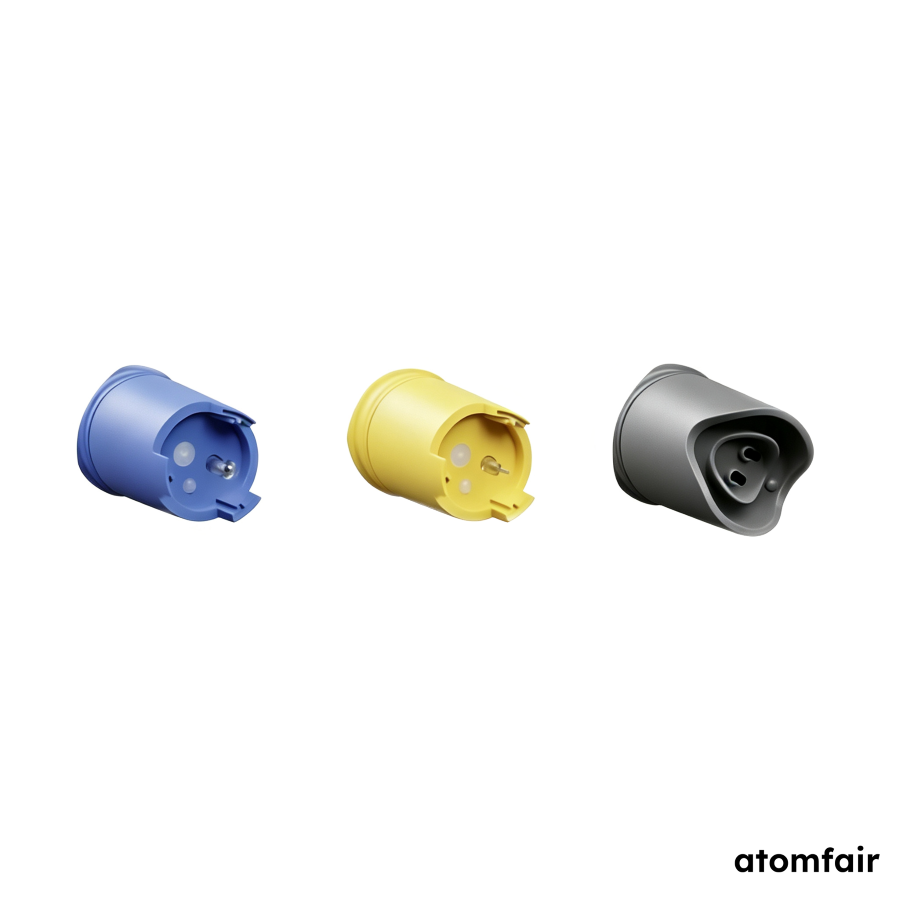
Polarographic Dissolved Oxygen Electrode 0-20 mg/L ATOMFAIR®
$105.00