
Battery Test Cells, Cell Components & Lab Consumables
Battery Test Cells, Cell Components & Lab Consumables is a comprehensive category for battery research, cell assembly, electrochemical testing, and laboratory operations. Whether you are conducting coin cell material screening, pouch cell cycling tests, solid-state battery pressure research, or replenishing tabs, seals, conductive spacers, and packaging materials, this category provides a practical starting point for finding the right products.
This category supports lithium-ion batteries, lithium-metal batteries, sodium-ion batteries, solid-state batteries, polymer batteries, and other research-oriented electrochemical systems. Products can be used in university and research laboratories, battery R&D centers, materials research facilities, glove box workstations, pilot-scale assembly environments, and battery testing laboratories.
From complete test cells and specialized fixtures to replacement components and everyday laboratory consumables, this category helps customers find suitable products according to battery format, experimental task, testing conditions, and assembly requirements. Please refer to the individual product page for detailed dimensions, materials, interfaces, package contents, and operating limits.
Show More: Explore Battery Test Cells, Components & Laboratory Supplies
Explore Products by Research Need
| Product Category | Typical Applications |
|---|---|
| Coin Cell Parts & Assembly Kits | Coin cell assembly, half-cell and full-cell testing, symmetric cells, reference cells, and materials screening. |
| Pouch Cell Test Fixtures | Pouch cell clamping, cycling tests, thickness change observation, stack pressure control, and mechanical positioning. |
| In-Situ & Operando Battery Test Cells | Real-time Raman, optical, X-ray, CT, microscopy, gas analysis, and other synchronized characterization during battery operation. |
| Research Test Cells & Specialized Fixtures | Special pressure, temperature, atmosphere, mechanical boundary conditions, and non-standard sample structures. |
| Cell Components & Lab Consumables | Battery assembly, electrical connection, sealing, insulation, packaging, replacement parts, sample storage, and laboratory operations. |
Coin Cell Parts & Assembly Kits
These products are designed for coin cells and small research batteries. They are suitable for half cells, full cells, symmetric cells, reference cells, and material screening experiments. Common purchasing needs include coin cell cases, covers, springs, spacers, sealing structures, and complete assembly kits.
Pouch Cell Test Fixtures
Pouch cell test fixtures are used for clamping, positioning, cycling tests, and mechanical boundary control. They are useful when the pouch cell must remain stable during testing, when thickness changes need to be observed, or when stack pressure and cell expansion need to be managed.
Selection usually depends on pouch cell dimensions, tab position, clamping method, pressure range, and available expansion space.
In-Situ & Operando Battery Test Cells
These test cells are designed for synchronized observation and real-time analysis while a battery is charging, discharging, or undergoing an electrochemical reaction. Typical applications include Raman spectroscopy, optical observation, X-ray and CT analysis, microscopy, gas analysis, and other external characterization methods.
The main focus of these products is real-time observation and instrument integration during operation, rather than simply holding a battery sample.
Research Test Cells & Specialized Fixtures
This product direction covers research test cells and specialized fixtures for unusual pressure, temperature, atmosphere, mechanical boundary conditions, or non-standard sample structures. Typical applications include solid-state batteries, advanced electrolytes, pressure-coupled experiments, elevated-temperature research, controlled-atmosphere testing, and experiments that cannot be completed with standard battery fixtures.
Cell Components & Lab Consumables
This product direction includes independent components and consumables for battery assembly, electrical connection, packaging, sealing, insulation, replacement, and routine laboratory work. Product families may include cylindrical cell components, pouch cell packaging materials, battery tabs, conductive spacers, insulating parts, sealing rings, replacement components, sample storage products, and packaging supplies used in battery research.
If you only need to replace a specific part or replenish materials that are regularly consumed during battery assembly and testing, this product direction is a practical place to start.
Key Battery Research Applications
Battery Assembly and Packaging
Research batteries commonly require cases, covers, tabs, conductive parts, insulating components, sealing parts, and packaging materials. Different battery formats have different requirements for dimensions, tolerances, materials, electrolyte compatibility, and assembly processes.
Coin cell assembly typically focuses on case dimensions, internal space, spacer and spring structures. Pouch cell assembly requires attention to aluminum-plastic film, tab position, heat-sealing areas, and package dimensions. Cylindrical cell assembly requires additional confirmation of the case, cap, sealing structure, insulating components, and internal connection method.
Electrochemical Testing and Cycling
Test cells and fixtures must provide stable mechanical and electrical connections between the battery sample, battery tester, temperature-control equipment, and other laboratory instruments. Important selection factors include sample dimensions, terminal type, test current, temperature conditions, sealing requirements, and installation method.
For repeated assembly or long-term cycling experiments, it is also useful to prepare replacement sealing rings, insulating parts, conductive spacers, tabs, and other consumables that may be affected by pressure, temperature, or electrolyte exposure.
Solid-State Battery and Special-Condition Research
Solid-state batteries, lithium-metal batteries, and other advanced electrochemical systems may require pressure control, heating, controlled atmospheres, vacuum conditions, or non-standard sample structures. Important considerations include loading method, pressure stability, material compatibility, insulation design, sealing method, and assembly or transfer inside a glove box.
In-Situ and Synchronized Characterization
When research requires observation of structural changes, interfaces, strain, gas evolution, or spectral behavior during charge and discharge, the test cell must work with external characterization equipment. Key factors include observation windows, optical paths, X-ray access, sensor interfaces, cable routing, sample positioning, and compatibility with the existing testing system.
Parameters to Confirm Before Purchasing
Before purchasing a battery test cell, fixture, component, or consumable, prepare the following information whenever possible:
- Battery or sample type, dimensions, and active testing area.
- Specifications of the electrode, tab, case, or packaging material.
- Required pressure, clamping force, displacement, or expansion space.
- Operating temperature, atmosphere, vacuum, and sealing conditions.
- Electrical terminals, cables, gas lines, liquid lines, or instrument interfaces.
- Whether the product will be used inside a glove box, dry room, or controlled environment.
- Expected test duration, number of assembly cycles, and replacement quantity.
- Whether a standard product, adjustable structure, or customized dimension is required.
Frequently Asked Questions
How can I confirm that a test cell or fixture will fit my battery?
Check the battery length, width, thickness, diameter, tab position, and active testing area. Compare these measurements with the internal space, opening dimensions, and installation method listed on the product page. If the battery expands during cycling, also confirm that sufficient movement or expansion space is available.
What is usually included in the product package?
Package contents vary by product. A test cell or fixture may include the main body, terminals, pressure plates, connectors, or basic sealing parts. An assembly kit may include a case, cover, spring, spacer, and seal. Electrodes, separators, electrolyte, sensors, cables, and special tools should be confirmed from the product details and should not be assumed from the product image alone.
Are coin cell assembly kits intended for one-time use?
This depends on the specific design, material, and testing conditions. Some components can be disassembled, cleaned, and reused, while sealing parts, spacers, or components exposed to crimping and electrolyte may be better treated as replacement items. For long-term experiments, it is recommended to prepare spare components in advance.
What should I check when purchasing battery tabs besides length and width?
Confirm the tab material, thickness, surface treatment, welding method, packaging method, polarity requirements, and compatibility with the electrolyte and packaging film. For pouch cells, also check tab position, heat-sealing area, and protruding length to avoid connection or sealing problems during assembly.
How can I determine whether aluminum-plastic film or sealing parts suit my packaging process?
Confirm the material structure, thickness, dimensions, temperature resistance, heat-sealing conditions, seal dimensions, and target electrolyte system. Different packaging equipment and heat-sealing parameters may require different specifications, so a small-scale sealing trial is recommended before purchasing in large quantities.
Can these products be placed directly inside a glove box?
This cannot be determined from the product name alone. Check the material, surface treatment, packaging cleanliness, presence of lubricants or adhesives, and whether pre-cleaning, drying, or vacuum treatment is required. Products should be processed according to the laboratory’s moisture-control and contamination-control procedures before entering the glove box.
Can the test cell be connected to my battery tester?
Check the terminal type, cable connection method, polarity, rated current, insulation design, and installation space. If the test cell includes temperature, pressure, gas, or optical interfaces, also confirm that these interfaces are compatible with the existing sensors, controllers, or characterization equipment.
Can I purchase a product if my battery has a non-standard size?
Some research test cells, fixtures, and assembly components may support non-standard dimensions or customization. When making an inquiry, provide sample drawings, overall dimensions, tolerances, tab positions, operating temperature, pressure conditions, and interface requirements to help confirm a suitable design.
What spare parts should I prepare for long-term cycling tests?
Depending on the test duration and number of assembly cycles, prepare sealing rings, insulating parts, conductive spacers, tabs, packaging materials, and other components that may be affected by pressure, temperature, electrolyte, or repeated disassembly. For critical experiments, confirm in advance whether replacement parts can be purchased separately.
Showing 65–80 of 143 results
-
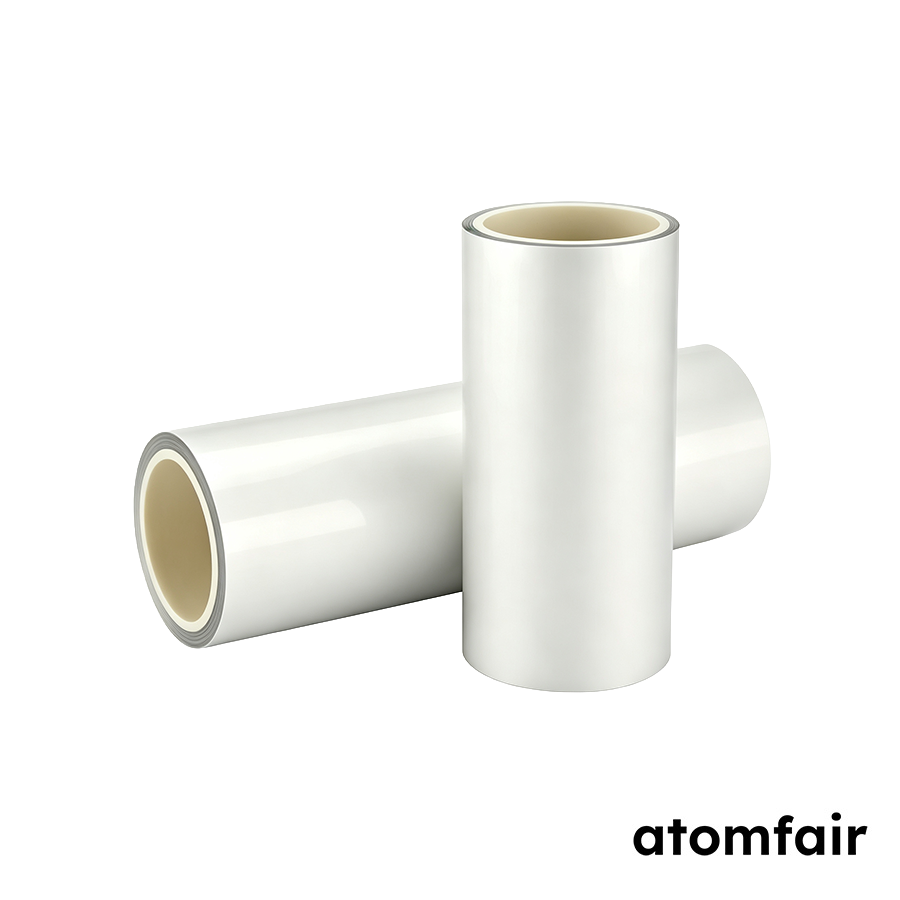
Aluminum-Plastic Pouch Cell Film 152μm 400mm×10m
$149.00 -
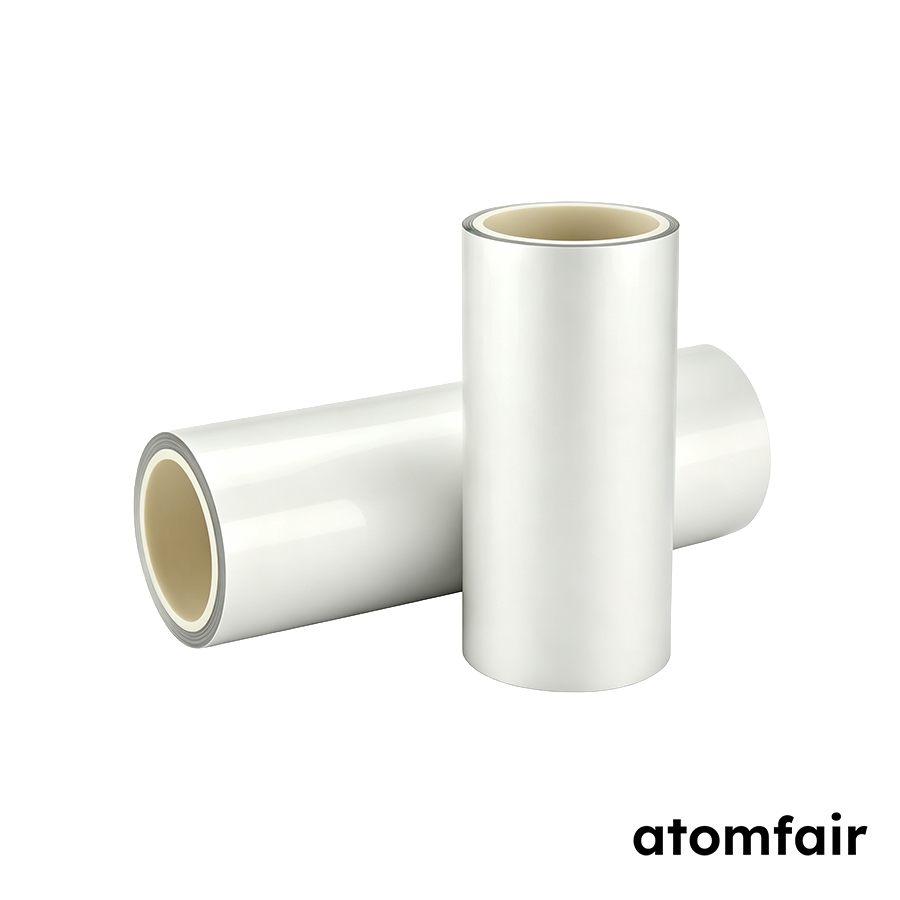
Aluminum-Plastic Pouch Cell Film 152μm 400mm×1m
$109.00 -
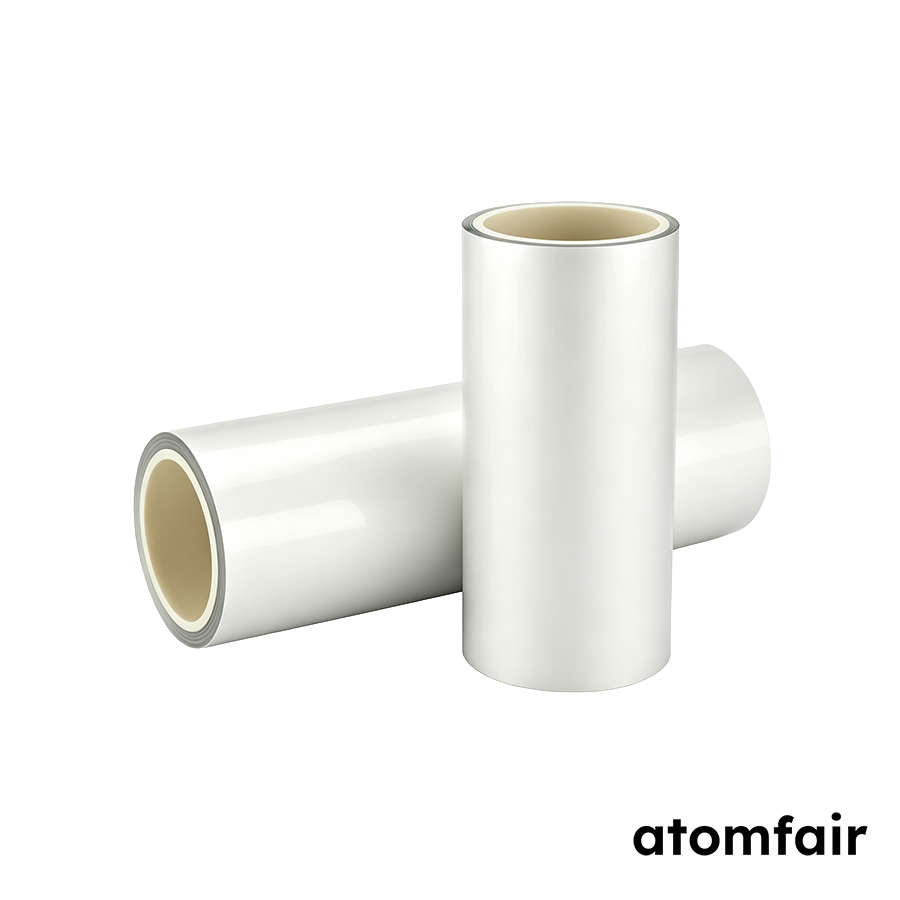
Aluminum-Plastic Pouch Cell Film 86μm 200mm×1m Roll
$89.00 -
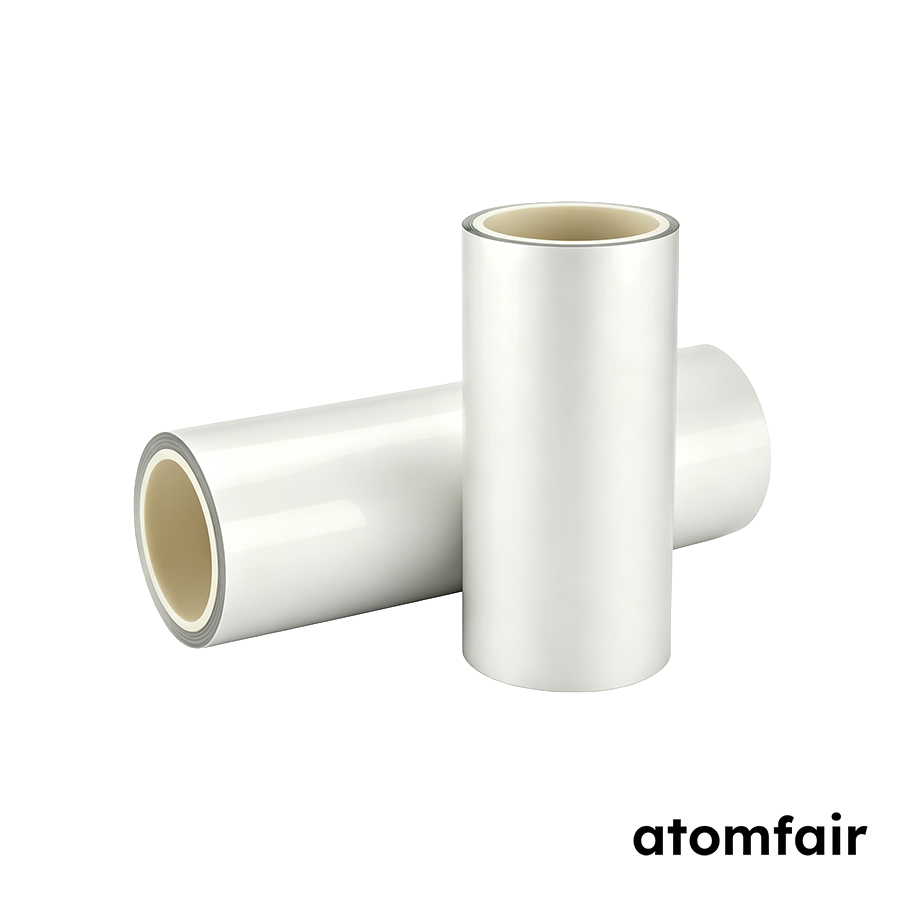
Aluminum-Plastic Pouch Film 113μm 200mm×1m Roll
$89.00 -
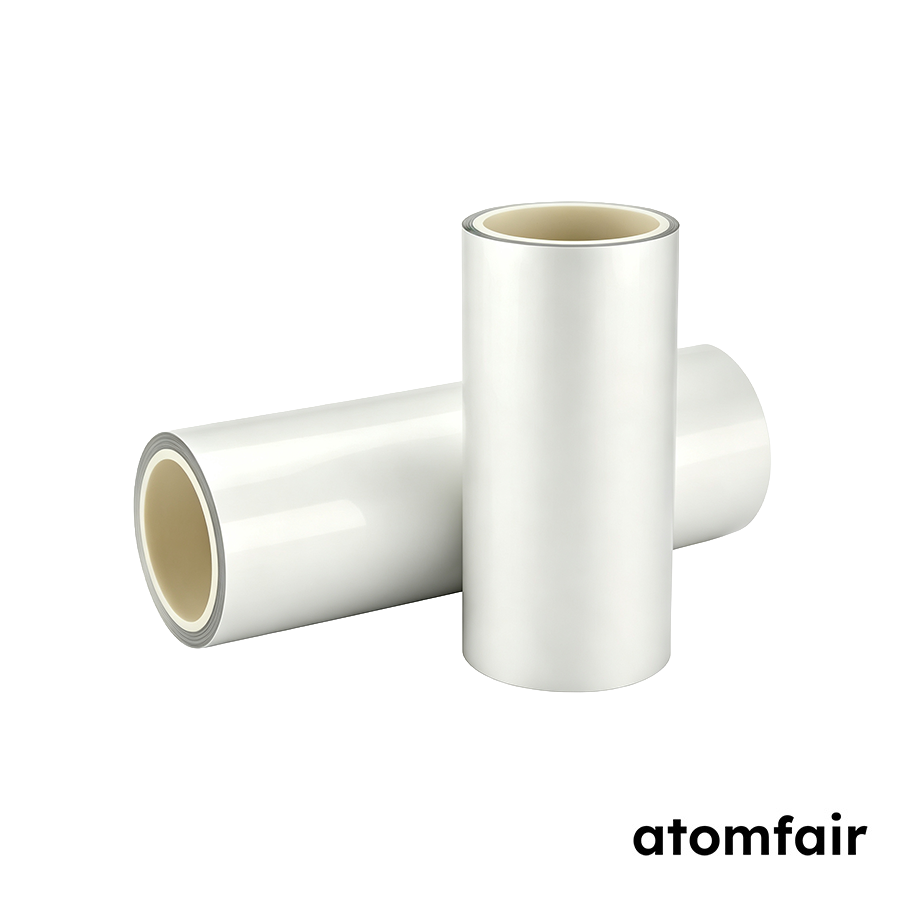
Aluminum-Plastic Pouch Film 113μm 200mm×20m
$119.00 -
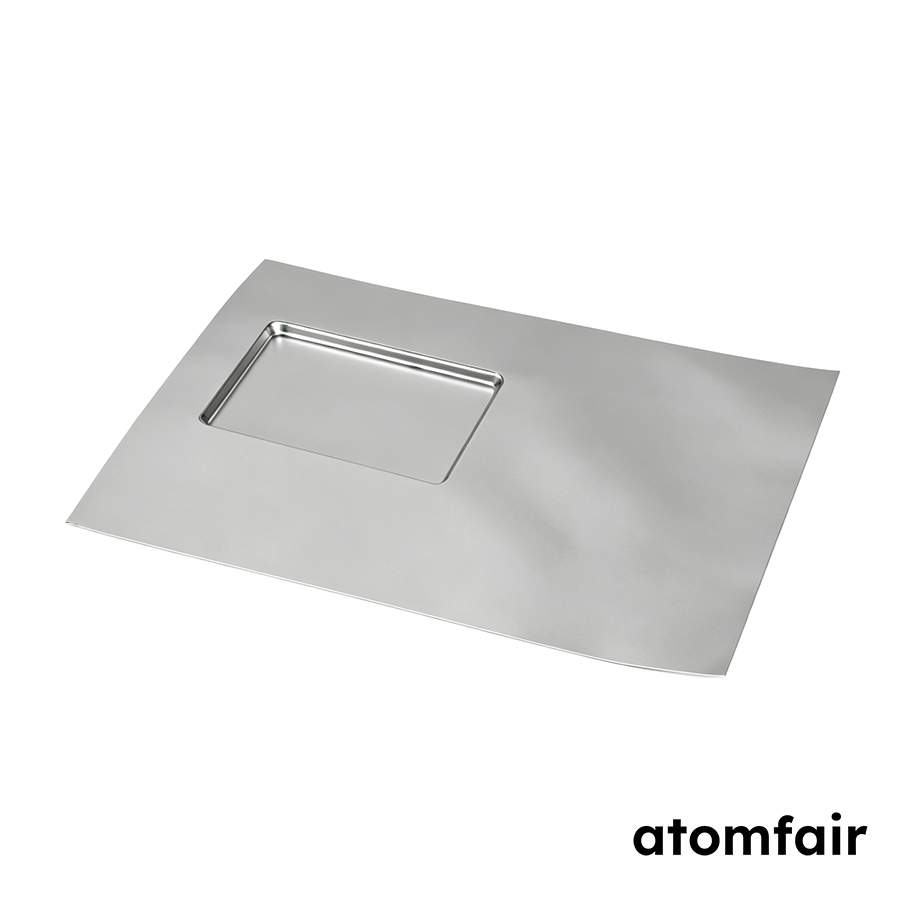
Aluminum-Plastic Pouch Film 62×46×2 mm 50 pcs
$159.00 -
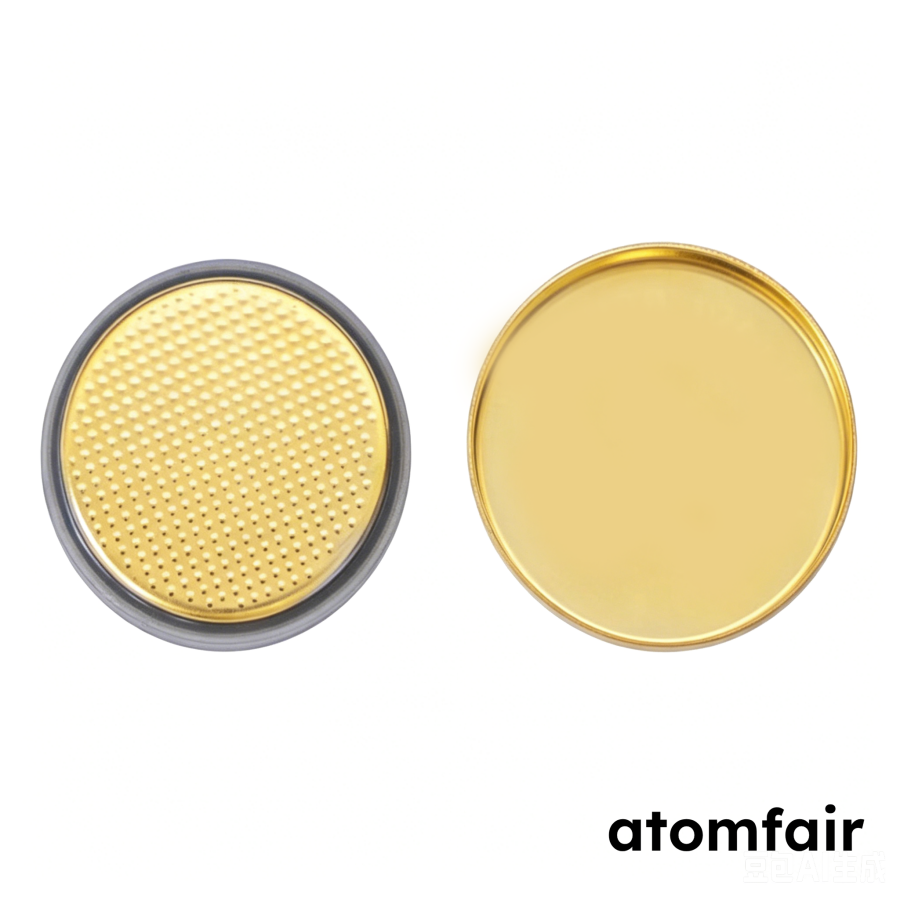
Au-Coated CR20 Coin Cell Case Sets 0.5–2 μm
$100.00 -
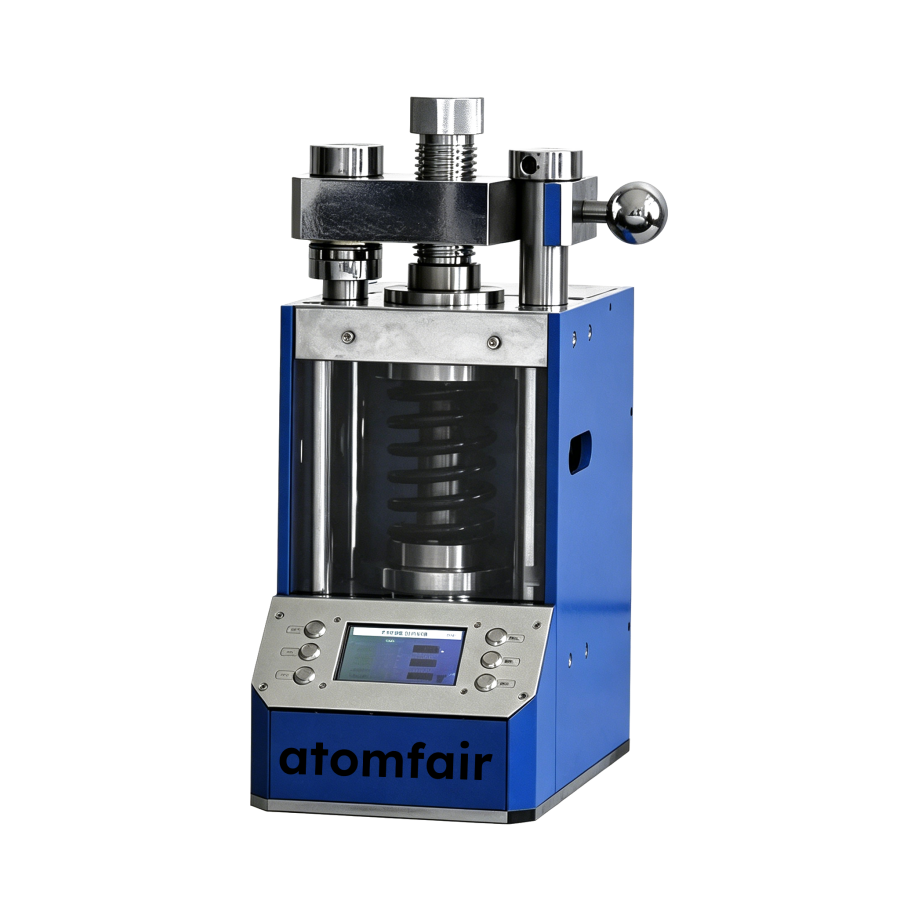
Automatic Fluorescence Pellet Press AFP-749 60 Ton ATOMFAIR®
$7,103.00 -
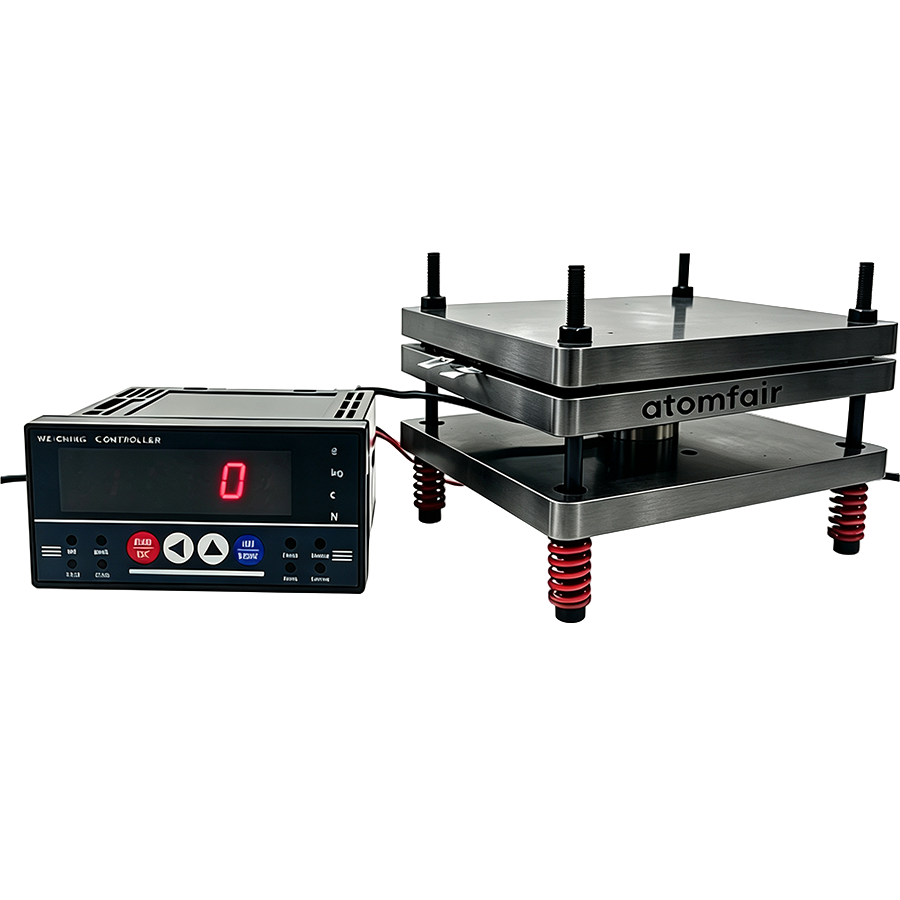
Carbon Steel 3-Layer Pouch Cell Fixture 650kg ATOMFAIR®
Price range: $354.00 through $510.00 -

Cathode Material & Dry Cell
$4,000.00 -
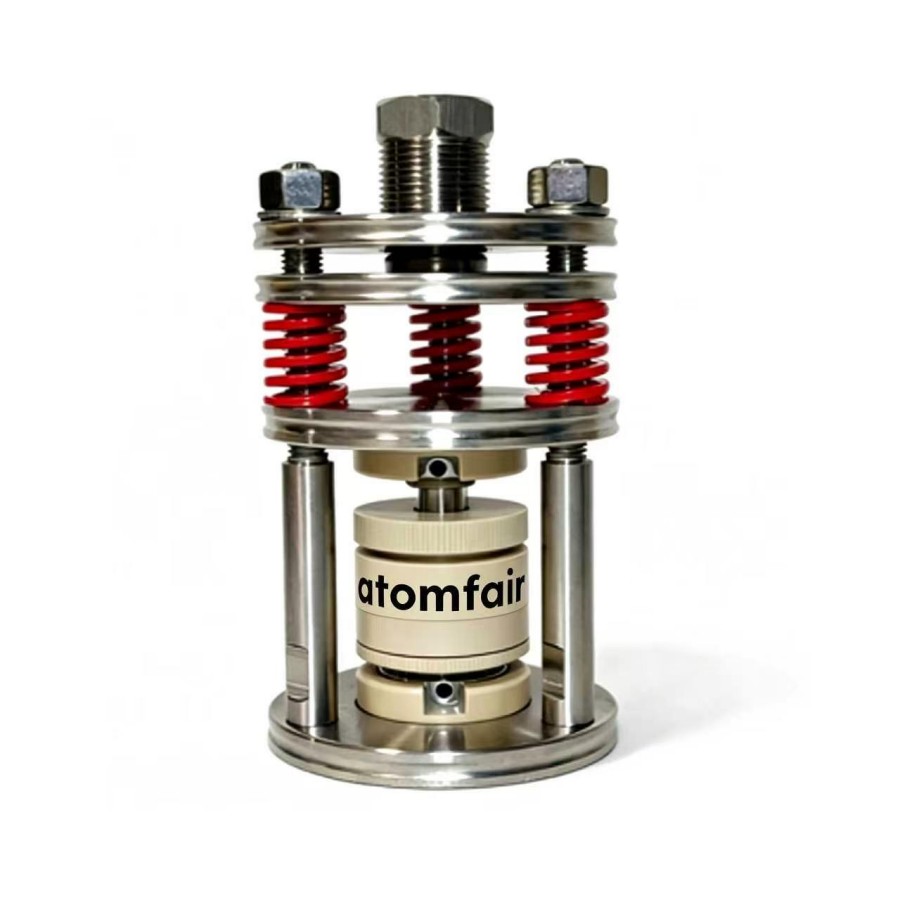
Constant-Pressure Battery Test Mold 0–20 MPa ATOMFAIR®
$280.00 -
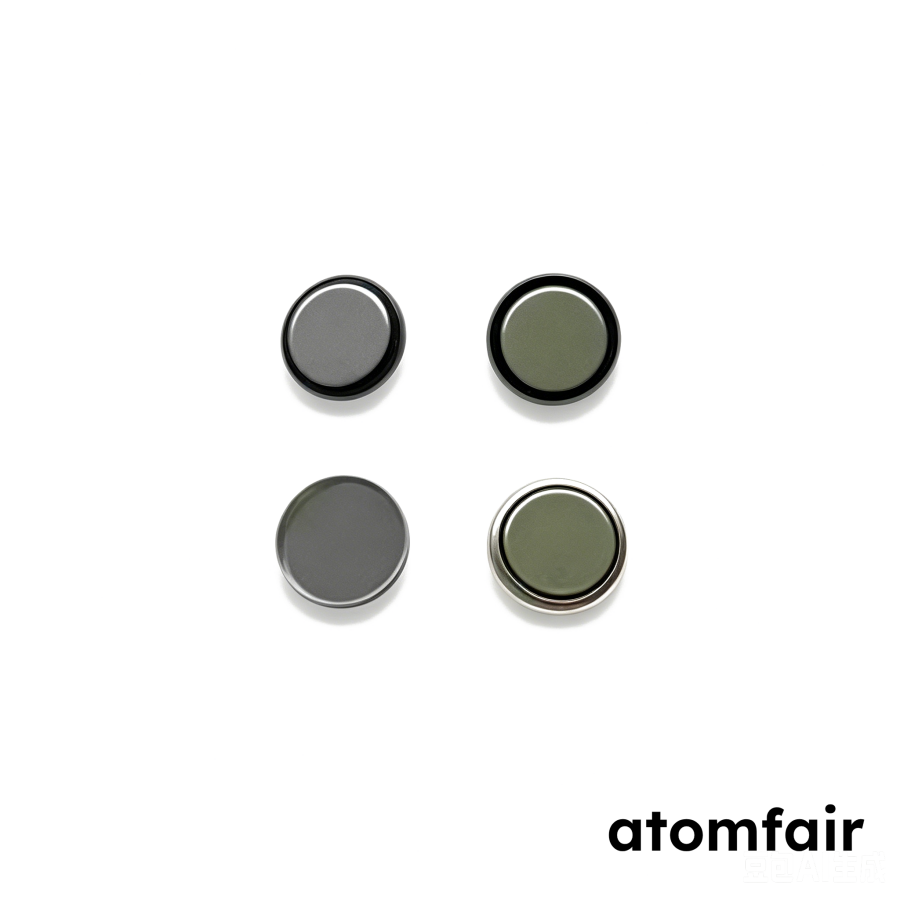
CR1016 Coin Cell Case 304 Stainless Steel
$190.00 -
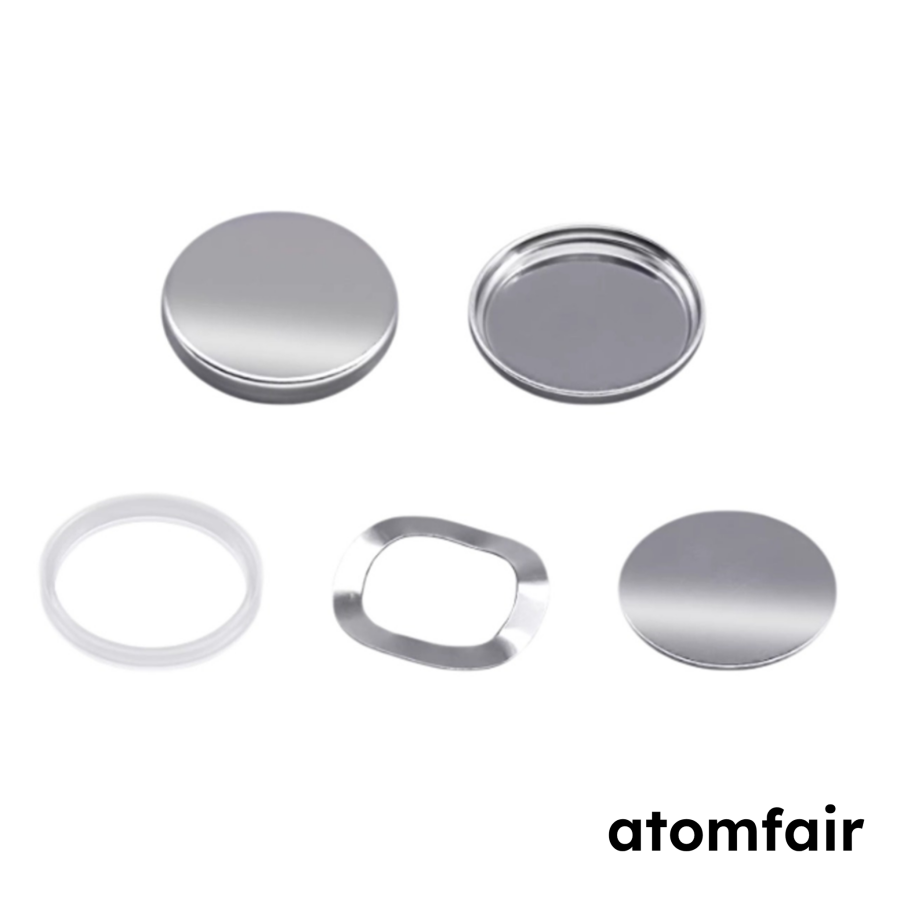
CR2025 304/316L Stainless Steel Coin Cell Case
Price range: $190.00 through $290.00 -
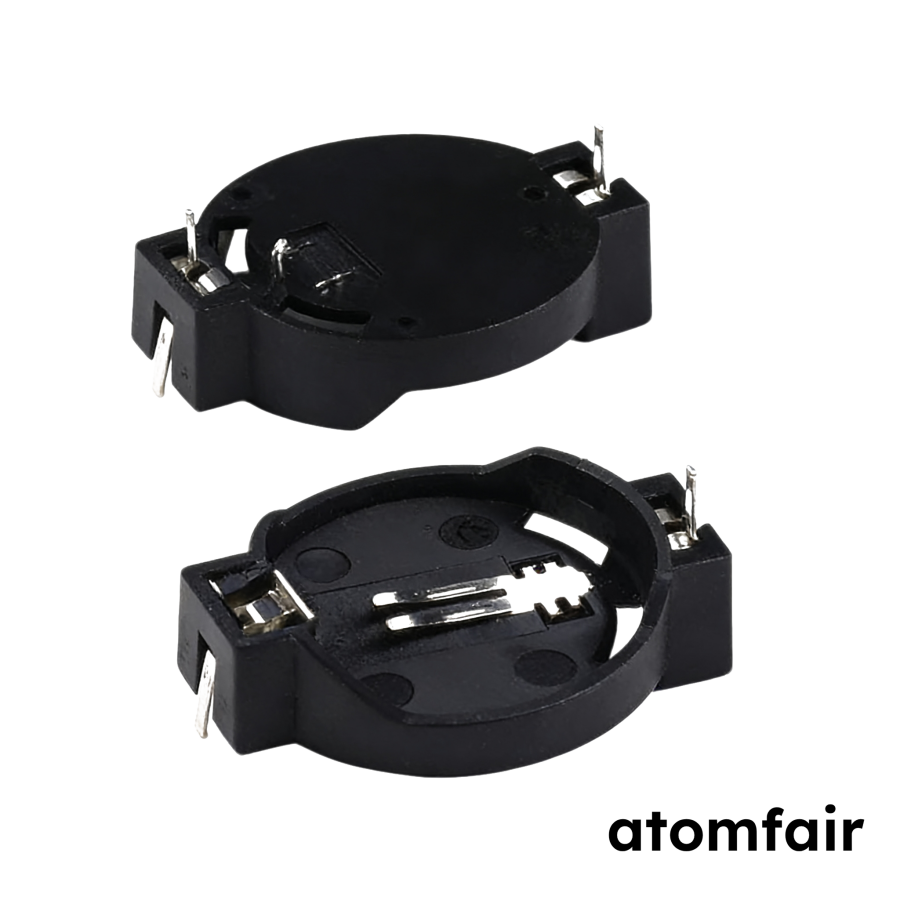
CR2032 20 mm PTH Coin Cell Battery Holder 200 °C
$130.00 -
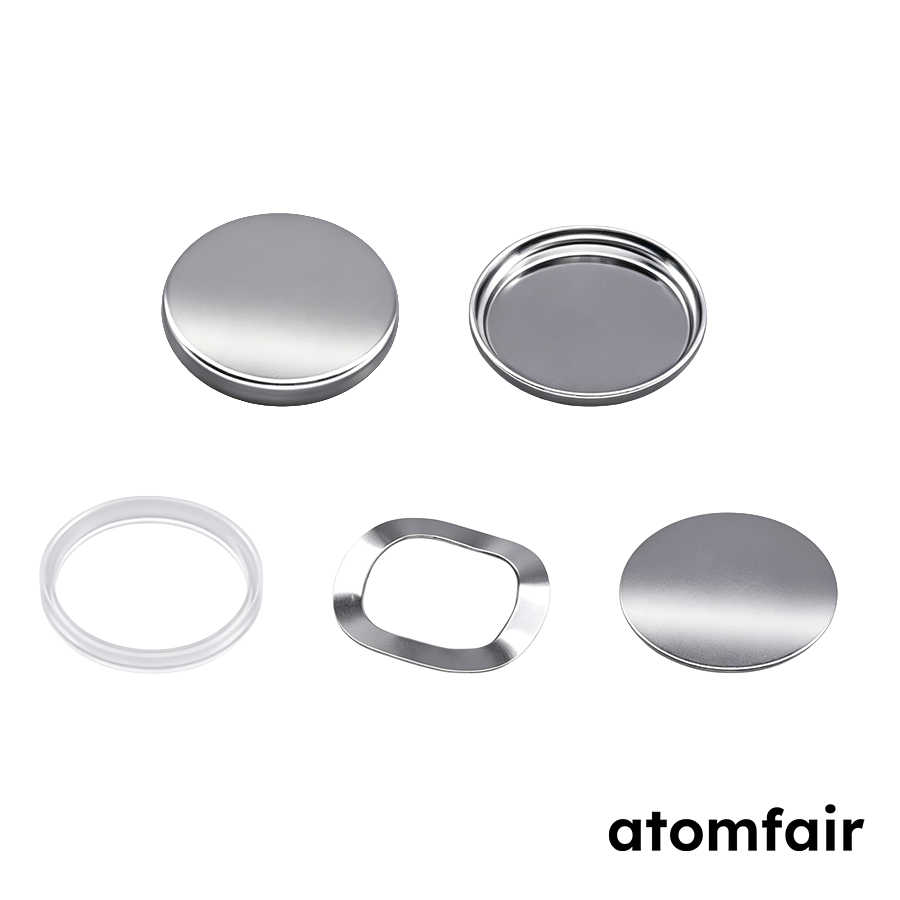
CR2032 304/316L SS Coin Cell Case Sets ±0.02mm
Price range: $190.00 through $290.00 -
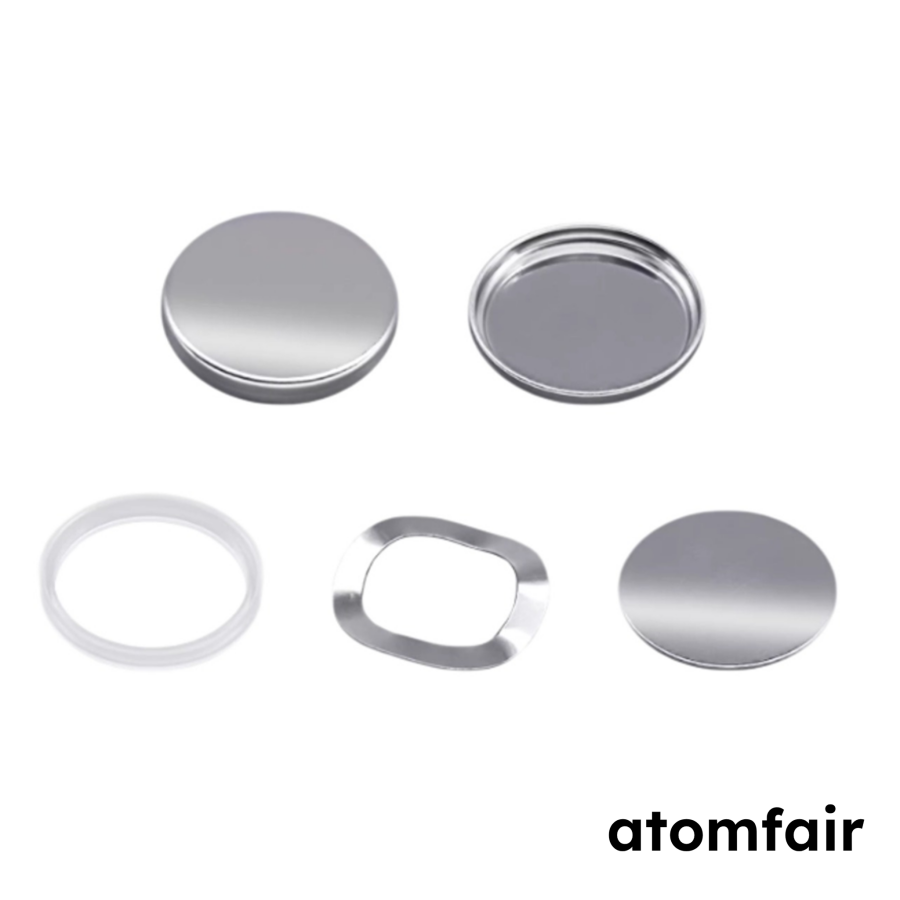
CR2032 Al-Clad Coin Cell Case Sets 100-Pack
$200.00