
Advanced Metals & Alloys
Advanced Metals & Alloys brings together a broad range of metallic materials, from high-purity elemental metals to high-performance engineering alloys. These materials support research and development, precision manufacturing, electronic interconnection, energy, aerospace, medical devices, vacuum deposition, and high-temperature industrial applications.
This category includes pure metals, high-purity metals, refractory metals, rare earth metals, precious metals, and metal alloys, together with bonding wires, metal wires and rods, metal foils, sheets, and related material forms. Customers can select materials according to composition, purity, form, dimensions, processing method, and service environment.
Whether the application requires conductivity, thermal performance, corrosion resistance, high-temperature stability, strength, ductility, or specialized functional properties, this category provides a clear route to identify the appropriate metal material system.
Show More
Select by Material System
| Material Category | Key Characteristics | Typical Application Areas |
|---|---|---|
| Pure Metals | Defined elemental composition for applications requiring fundamental material properties, conductivity, thermal performance, or processability. | Metal processing, research, electronics, alloy preparation, and thermal management. |
| High-Purity Metals | Tighter impurity control for processes sensitive to material consistency and chemical purity. | Semiconductors, vacuum deposition, scientific research, electronic materials, and advanced manufacturing. |
| Refractory Metals | High melting points and strong stability in demanding thermal environments. | High-temperature furnaces, vacuum environments, heat treatment, aerospace, and heat-resistant components. |
| Rare Earth Metals | Distinct magnetic, optical, electrochemical, and alloying properties. | Permanent magnets, catalysis, hydrogen storage, specialty alloys, and functional-material research. |
| Precious Metals | Excellent chemical stability, conductivity, catalytic performance, or optical properties depending on the material. | Catalysis, electrodes, sensing, electronic interconnection, and precision research applications. |
| Metal Alloys | Engineered compositions designed for strength, corrosion resistance, heat resistance, wear resistance, or specialized functionality. | Additive manufacturing, mechanical engineering, tooling, energy, aerospace, and medical devices. |
Select by Product Form
| Product Form | Suitable Requirements | Key Selection Factors |
|---|---|---|
| Metal Powders | Powder metallurgy, additive manufacturing, spraying, sintering, and formulation development. | Composition, particle-size range, morphology, flowability, and process compatibility. |
| Granules, Pieces, and Ingots | Melting, alloy preparation, laboratory material processing, and bulk material use. | Purity, dimensions, unit weight, and surface condition. |
| Bonding Wires | Semiconductor packaging, microelectronic interconnection, and precision joining. | Metal type, wire diameter, ductility, and bonding-process compatibility. |
| Metal Wires and Rods | Machining, welding, conductive connections, and structural-component manufacturing. | Diameter, length, hardness, surface condition, and workability. |
| Metal Foils and Sheets | Electronics, batteries, shielding, thermal management, stamping, and structural applications. | Thickness, width, flatness, surface treatment, and conductivity or corrosion-resistance requirements. |
| Metal Strips and Plates | Precision stamping, connectors, decorative applications, and industrial fabrication. | Thickness tolerance, composition, formability, and surface quality. |
Select by Application Requirement
| Application Requirement | Material Properties to Prioritize | Relevant Material Directions |
|---|---|---|
| High-Temperature Service | Melting point, thermal stability, oxidation resistance, and creep resistance. | Refractory metals, high-temperature alloys, nickel-based alloys, and cobalt-based alloys. |
| Lightweight Structures | Strength-to-weight ratio, fatigue resistance, and corrosion resistance. | Aluminum alloys, titanium alloys, magnesium alloys, and related materials. |
| Electrical and Thermal Conductivity | Electrical conductivity, thermal conductivity, surface condition, and processability. | Copper, silver, gold, aluminum, and copper-based alloys. |
| Corrosion Resistance | Chemical stability, media compatibility, and passivation behavior. | Stainless steels, nickel-based alloys, titanium alloys, and precious metals. |
| Precision Electronic Interconnection | Conductivity, stable diameter, ductility, and bonding-process compatibility. | Gold, silver, copper, and aluminum bonding wires and precision metal wires. |
| Catalysis and Functional-Material Research | Composition, particle size, surface characteristics, and dispersion behavior. | Precious metals, rare earth metals, high-purity metals, and nanometal materials. |
Information to Confirm Before Ordering
| Selection Item | Information to Define |
|---|---|
| Material Type | Pure metal, alloy, precious metal, refractory metal, or rare earth metal. |
| Chemical Composition | Element, alloy grade, target composition, or impurity-control requirements. |
| Purity Requirement | Standard industrial grade, high-purity grade, or a higher research-grade requirement. |
| Product Form | Powder, wire, rod, foil, sheet, plate, granule, piece, ingot, or another specified form. |
| Dimensions | Particle size, wire diameter, rod diameter, thickness, width, length, or unit weight. |
| Processing Method | Melting, sintering, 3D printing, deposition, stamping, welding, bonding, machining, or other processes. |
| Service Environment | High temperature, vacuum, corrosive media, high-conductivity, magnetic, or precision electronic environments. |
Frequently Asked Questions
How do I choose between pure metals, high-purity metals, and alloys?
Pure metals are suitable when a defined elemental composition is required. High-purity metals are better suited to research, electronic, vacuum, and deposition processes that are sensitive to impurities. Metal alloys are generally selected when the application requires a combination of strength, heat resistance, corrosion resistance, wear resistance, or other engineered properties.
What are metal powders commonly used for?
Metal powders are widely used in additive manufacturing, powder metallurgy, thermal spraying, sintering, coatings, electrodes, catalysis, and material-formulation development. Particle size, morphology, chemical composition, and compatibility with the intended process should be confirmed before selection.
What should I consider when selecting metal foils, sheets, or strips?
Confirm the material type, thickness, width, length, surface condition, and downstream processing method. For electronic, conductive, shielding, or thermal-management applications, conductivity, flatness, and surface treatment may also be important. For stamping or bending, ductility and formability should be considered.
What is the difference between bonding wire and standard metal wire?
Bonding wire is designed for semiconductor packaging and microelectronic interconnection, where stable diameter, ductility, conductivity, and compatibility with the bonding process are especially important. Standard metal wire is more commonly used for conductive connections, welding, machining, or structural purposes.
Which materials are suitable for high-temperature applications?
High-temperature applications typically require consideration of melting point, thermal stability, oxidation resistance, and thermal-cycle performance. Refractory metals, high-temperature alloys, nickel-based alloys, and cobalt-based alloys are common material directions. Final selection should account for operating temperature, atmosphere, load, and processing conditions.
What are precious metals typically used for?
Precious metals are commonly used in catalysis, electrodes, sensors, precision electronic interconnection, conductive materials, and research applications. Their suitability depends on the required conductivity, chemical stability, catalytic activity, optical behavior, and cost considerations.
Can materials be selected by specified dimensions, purity, or composition?
Yes. For accurate specification matching, define the target material, intended application, required form, dimensions, purity or alloy composition, quantity, and relevant processing requirements.
Showing 17–32 of 69 results
-

Gold Nanoshells Research Grade 40-60 nm 50 μg/mL ATOMFAIR®
$726.07 -

Gold Nanostar Dispersion 10mL Water Based ATOMFAIR®
$770.38 -

Gold Nanotriangle Dispersion 10 mL Research Grade ATOMFAIR®
$637.44 -
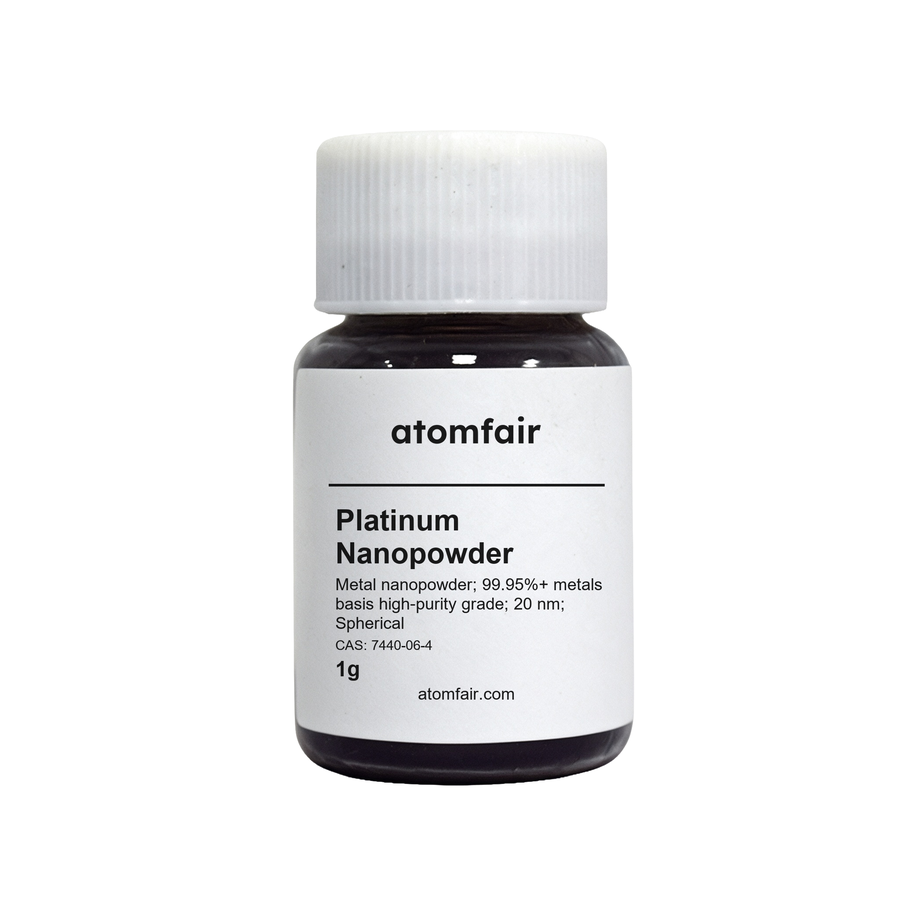
High-Purity Nano Tin Powder 99.95% 20 nm Grade ATOMFAIR®
$438.04 -
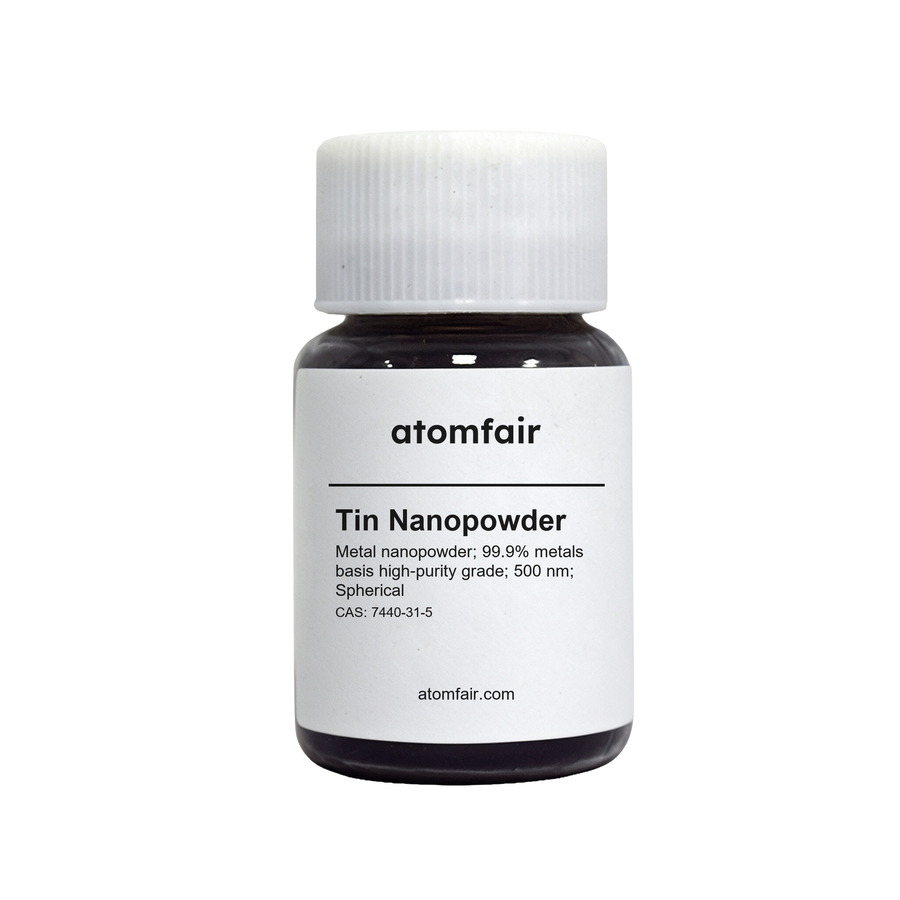
High-Purity Nano Tin Powder Sn 99.9% 500 nm ATOMFAIR®
Price range: $173.49 through $318.83 -
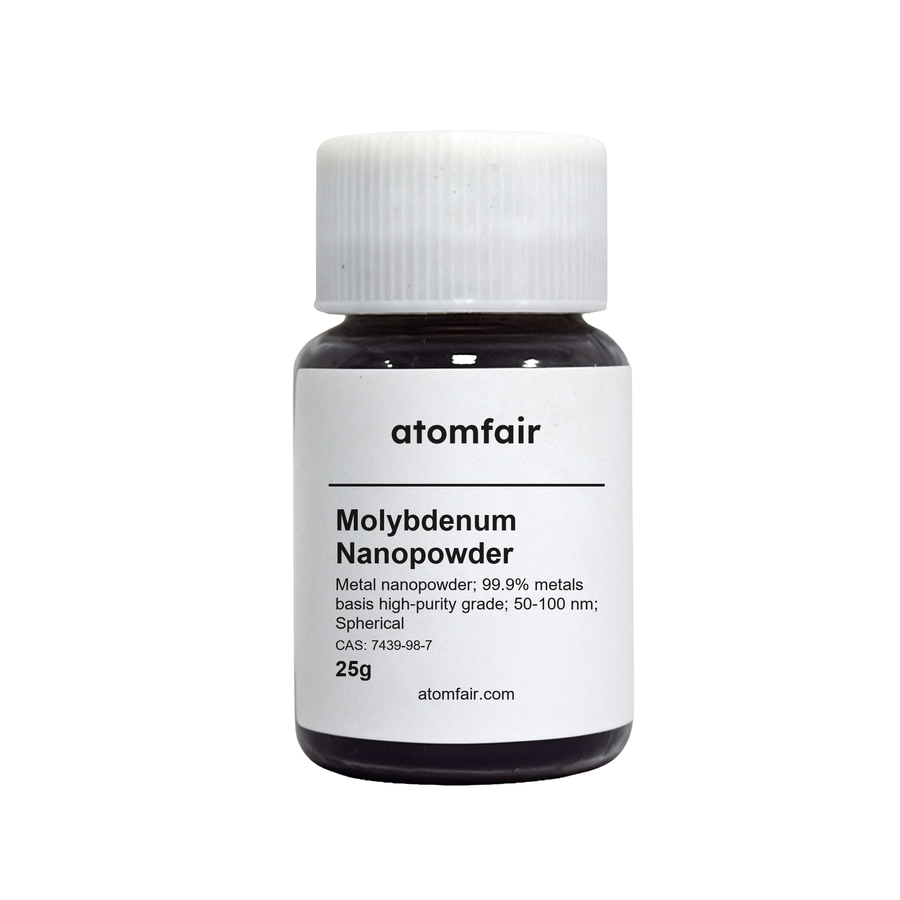
Molybdenum Nano Powder 99.9% 80nm Spherical ATOMFAIR®
Price range: $207.39 through $341.43 -
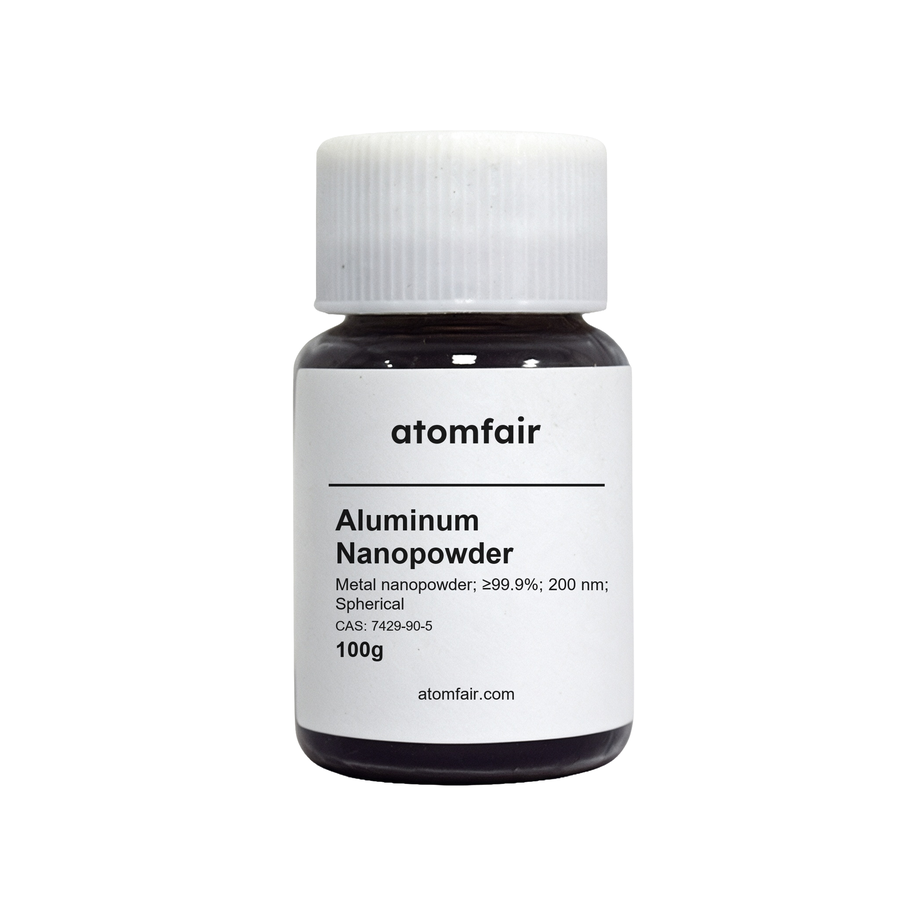
Nano Aluminum Powder ≥99.9% 200nm Spherical ATOMFAIR®
$305.10 -
Nano Aluminum Powder ≥99.9% 80 nm Spherical ATOMFAIR®
$316.17 -
Nano Aluminum Powder 100 nm ≥99.9% Spherical ATOMFAIR®
$316.17 -
Nano Aluminum Powder 50 nm ≥99.9% Spherical ATOMFAIR®
$327.25 -
Nano Bismuth Powder 99.9% 40nm Spherical Grade ATOMFAIR®
Price range: $218.46 through $794.76 -
Nano Bismuth Powder AF-BI8012 99.9% 80-120nm ATOMFAIR®
Price range: $206.28 through $353.40 -
Nano Chromium Powder 99.9% 60nm Spherical ATOMFAIR®
Price range: $242.84 through $522.90 -
Nano Cobalt Powder 99.6% 300nm Research Grade ATOMFAIR®
Price range: $172.60 through $377.99 -
Nano Cobalt Powder 99.9% 30 nm Research Grade ATOMFAIR®
Price range: $176.37 through $379.10 -
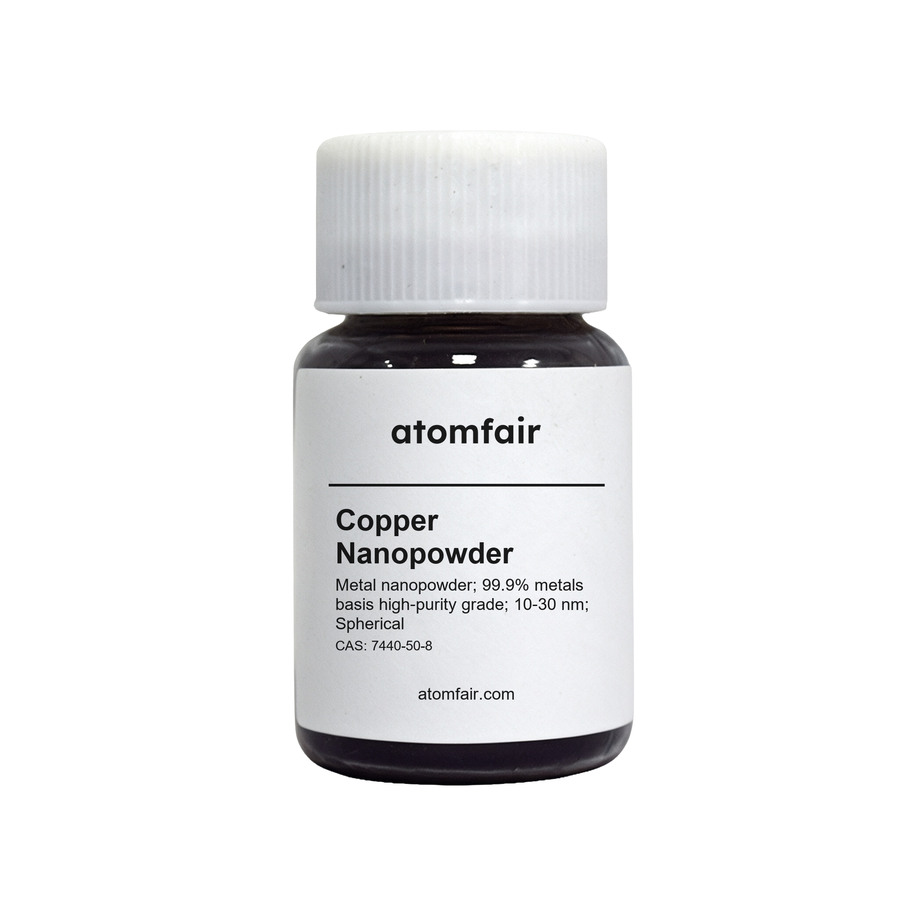
Nano Copper Powder 99.9% 10-30 nm Spherical ATOMFAIR®
Price range: $187.44 through $734.27