RDE electron microscopy rotating disk electrode | ATOMFAIRRESEARCH GRADE INSTRUMENT
|
|||||||||||||||||||
|
This document defines the environmental and handling constraints for the ATOMFAIR RDE Electron Microscopy Rotating Disk Electrode to preserve its electrochemical and surface integrity. The electrode is highly sensitive to surface contamination and must be protected from phase contamination or degradation prior to electrochemical validation.
- Contamination Control: Keep the electrode container tightly sealed or handle the electrode exclusively within an anhydrous inert environment to prevent surface contamination or degradation.
- Material Compatibility: The PEEK body provides chemical resistance and thermal stability, but the electrode surface must not be exposed to incompatible solvents or reactive atmospheres that could alter its electrochemical response.
This procedure outlines the steps to safely handle and prepare the ATOMFAIR RDE for electrochemical and SEM analysis. The electrode must be kept free of contamination and handled in an inert environment when not in use.
Required Equipment: Anhydrous inert environment (e.g., glovebox), Sealed storage container
- Inspect the electrode
Inspect the electrode upon receipt for any visible damage or contamination on the disk surface. - Transfer to inert environment
Transfer the electrode to an anhydrous inert environment before opening its sealed container. - Mount the electrode
Mount the electrode onto the RDE setup, ensuring the disk surface is clean and free from any particulate matter. - Perform electrochemical measurements
Perform the electrochemical measurements according to your experimental protocol, avoiding any contact with the disk surface. - Clean the electrode
Clean the electrode surface after use using a procedure compatible with the disk material to remove any residual electrolyte or contaminants. - Store the electrode
Store the electrode in its sealed container within the inert environment to prevent contamination before subsequent use.
How does the choice of disk material (glassy carbon vs. gold vs. platinum) affect electrochemical performance in the RDE electron microscopy rotating disk electrode?
The disk material directly impacts electrochemical behavior: glassy carbon provides a wide potential window with low background current, gold is suited for specific redox reactions, and platinum offers high catalytic activity for many electrocatalytic studies. The ATOMFAIR RDE is available in all three materials, allowing researchers to select the optimal electrode surface for their specific application, and the source confirms that the disk material can be customized to meet experimental requirements.
Can the rotating disk electrode be transferred directly into an SEM for surface morphology analysis without sample handling?
Yes, the dual-purpose design serves as both a standard RDE for electrochemical measurements and an SEM-compatible sample holder, eliminating the need for sample transfer. The PEEK body construction provides vacuum compatibility for SEM, and the integrated workflow preserves sample integrity by enabling direct correlation between electrochemical performance and surface morphology without repositioning.
What handling and storage conditions are critical to prevent surface contamination before electrochemical validation?
The product is highly sensitive to surface contamination; containers must be kept tightly sealed or handled exclusively within an anhydrous inert environment to prevent phase contamination or degradation. Packaging consists of secure individual research-grade protective containers with shock-absorption parameters, and the electrode should be stored under these conditions until ready for use.
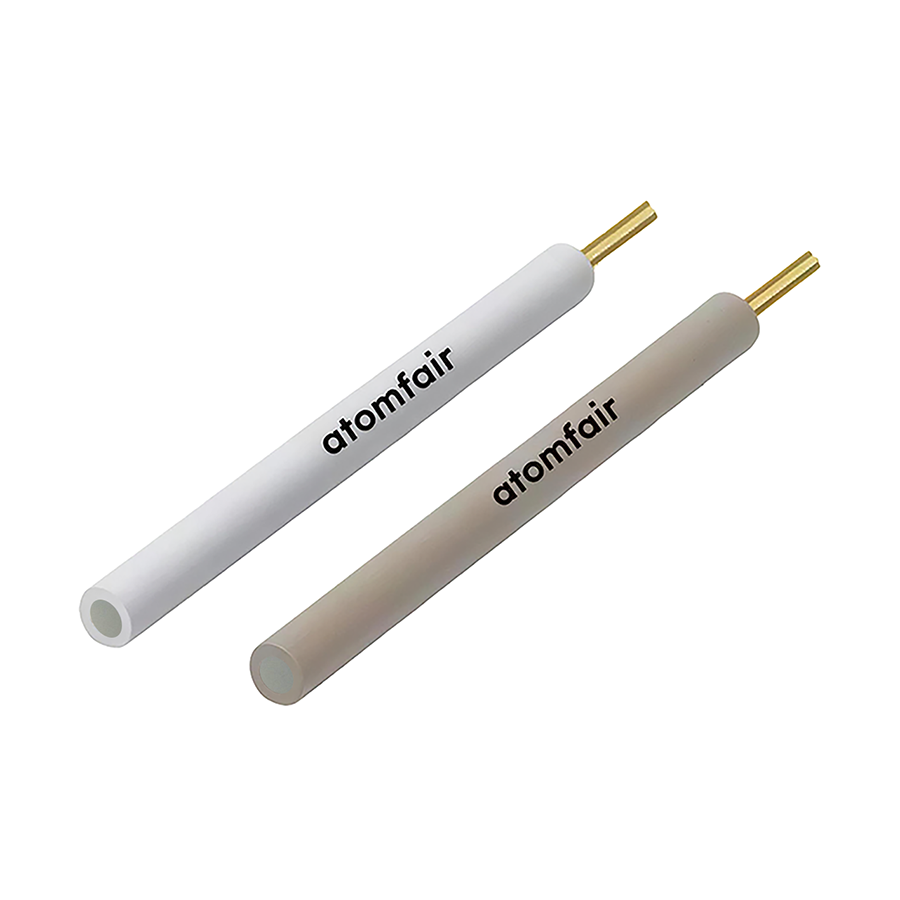
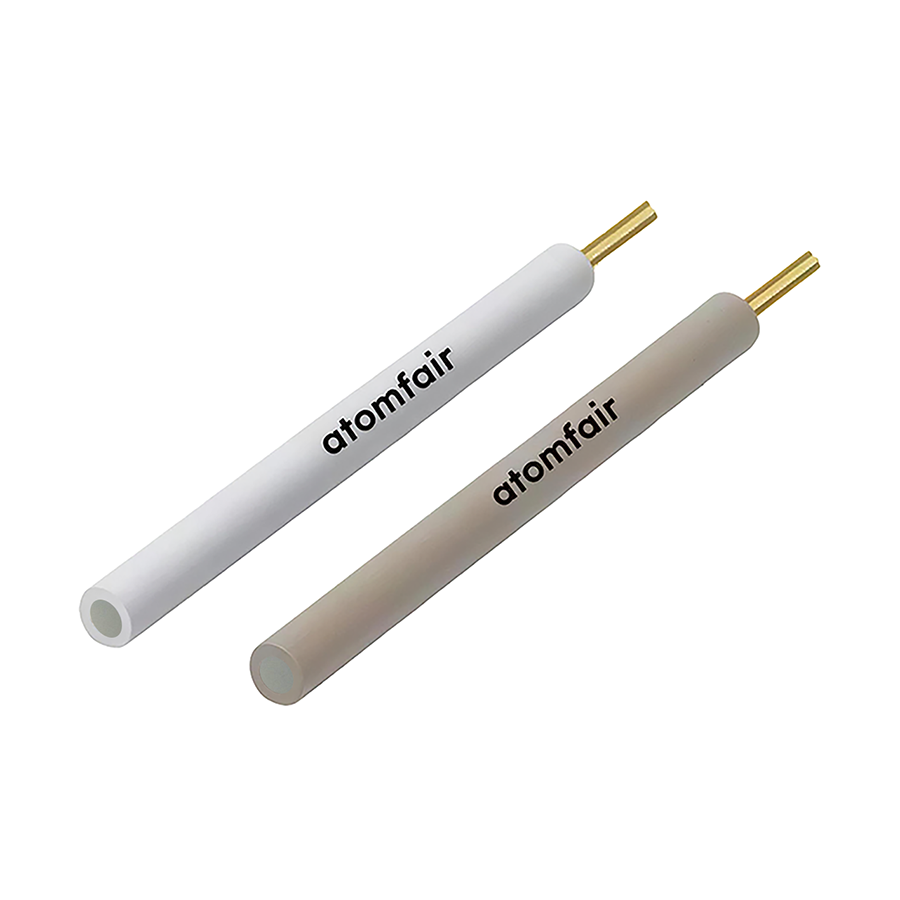
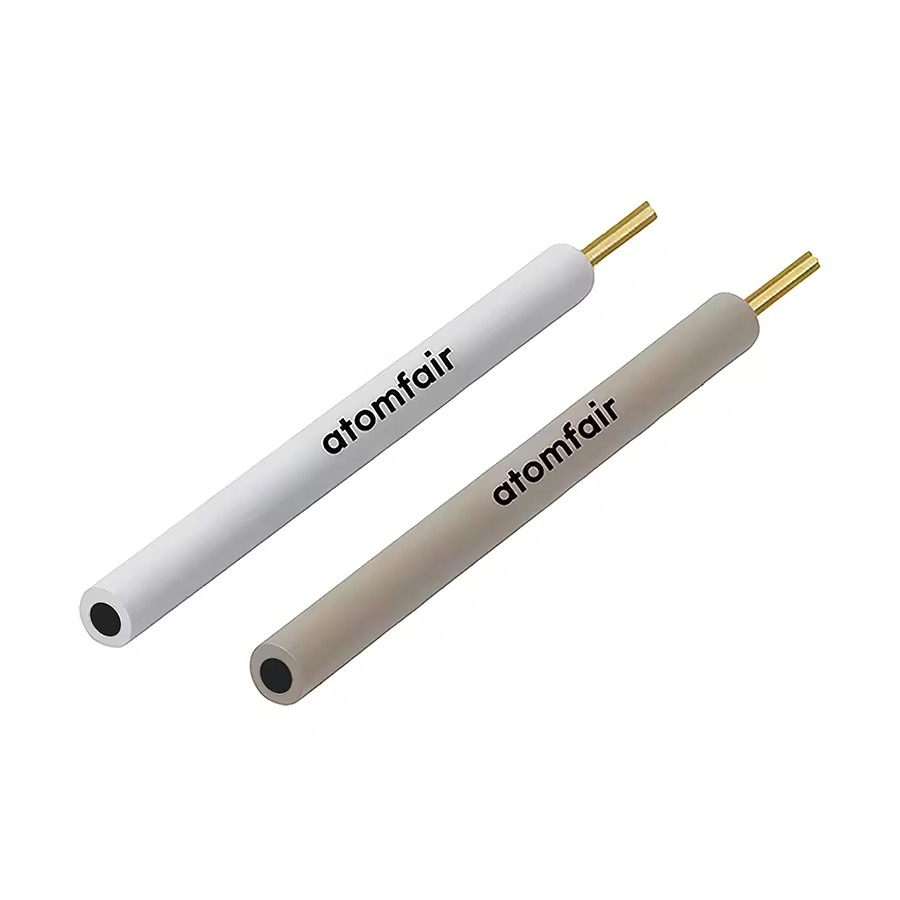
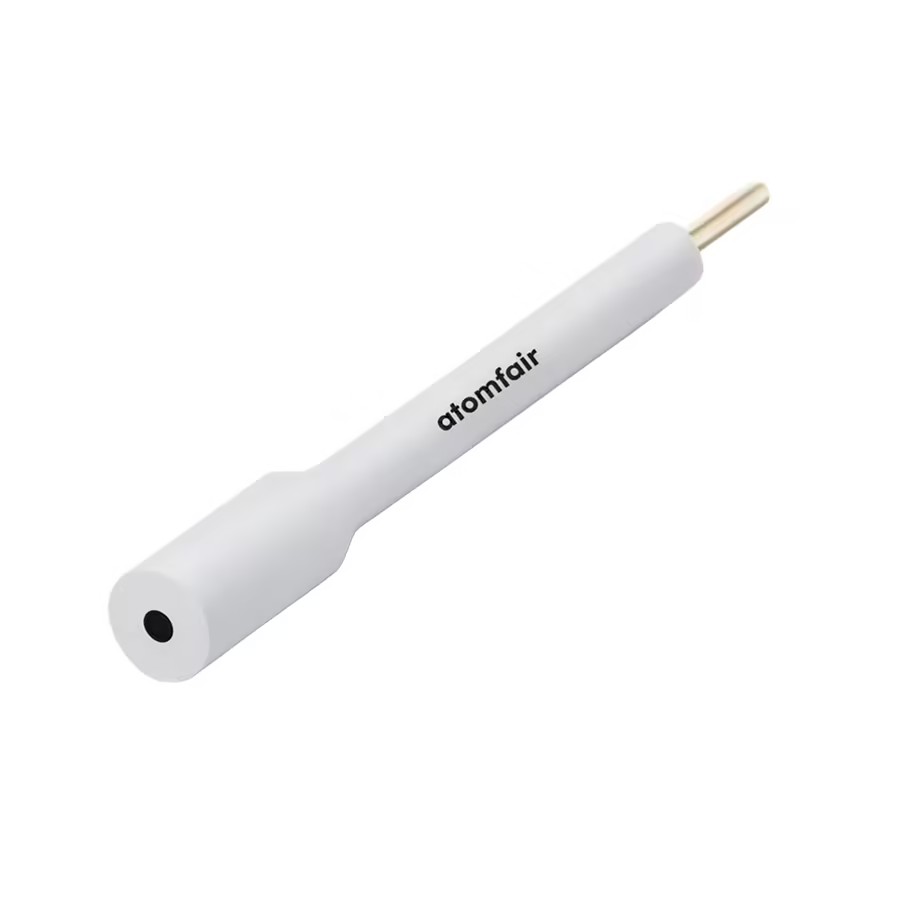
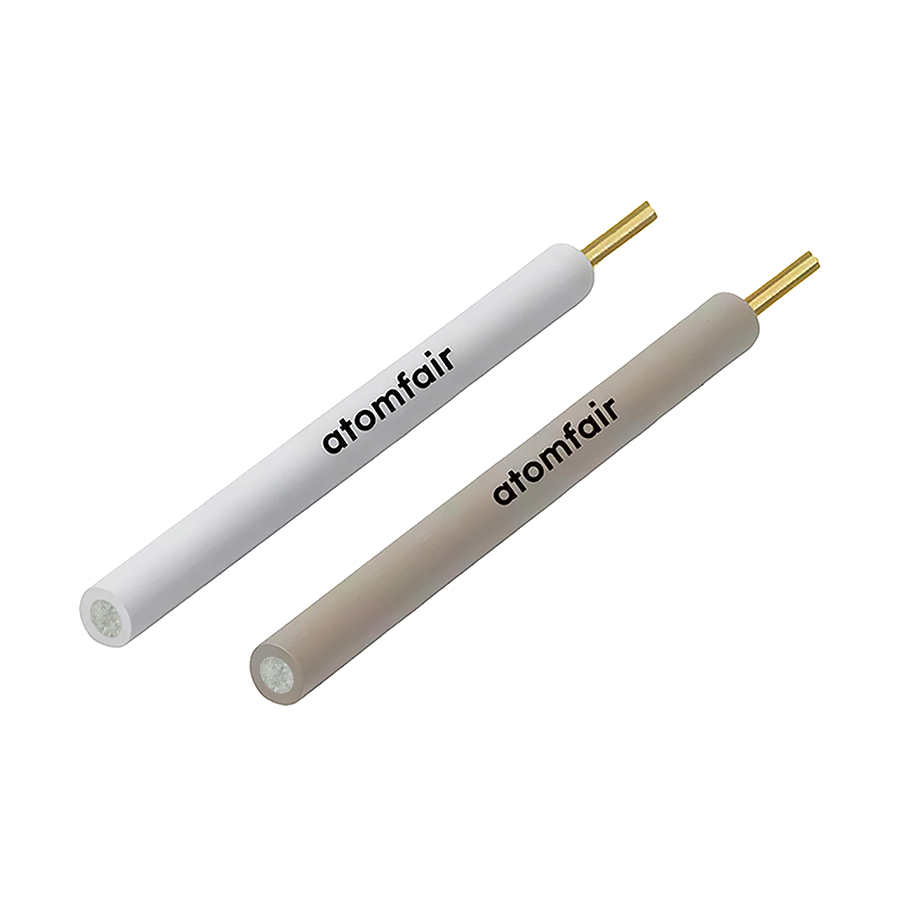
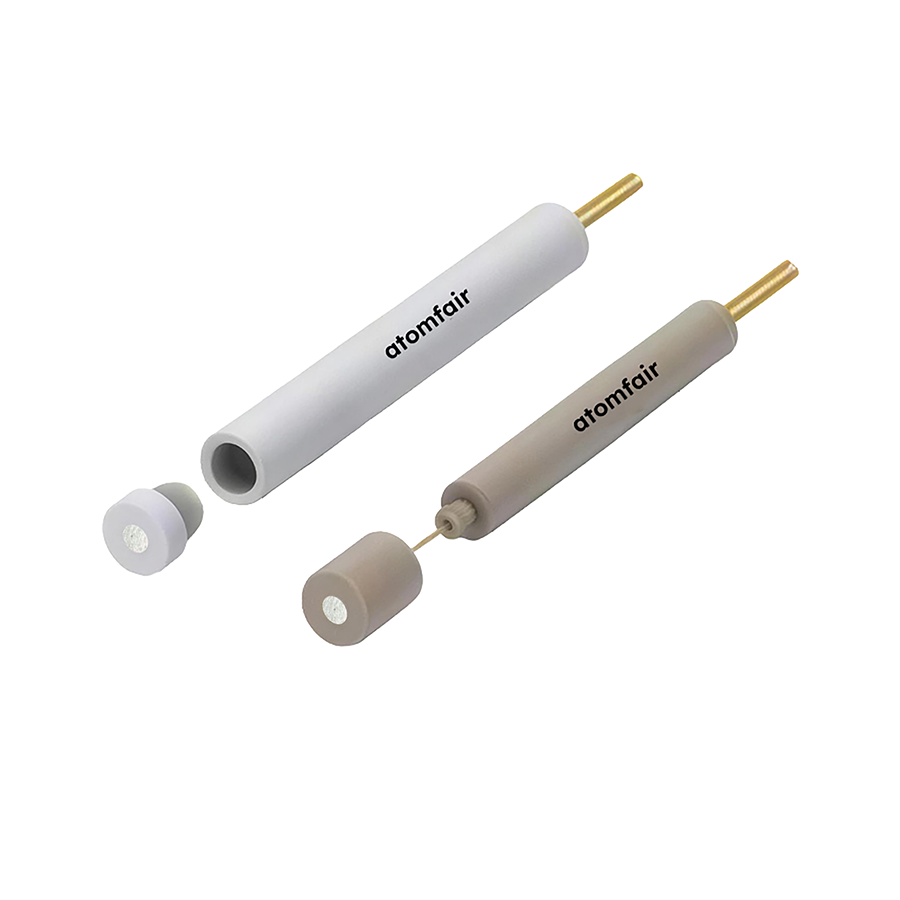
The ATOMFAIR RDE Electron Microscopy Rotating Disk Electrode combines a standard rotating disk electrode (RDE) with an SEM-compatible sample holder, available in glassy carbon, platinum, or gold disk materials with a PEEK body. This dual-purpose design eliminates sample transfer between electrochemical and microscopy setups, enabling direct structure-activity correlation, but the electrode is highly sensitive to surface contamination and requires handling in anhydrous inert environments to prevent degradation.
Positive
- Dual-purpose RDE and SEM holder: Serves as both a standard rotating disk electrode for electrochemical measurements and an SEM-compatible sample holder, enabling seamless correlation between electrochemical performance and surface morphology without sample transfer.
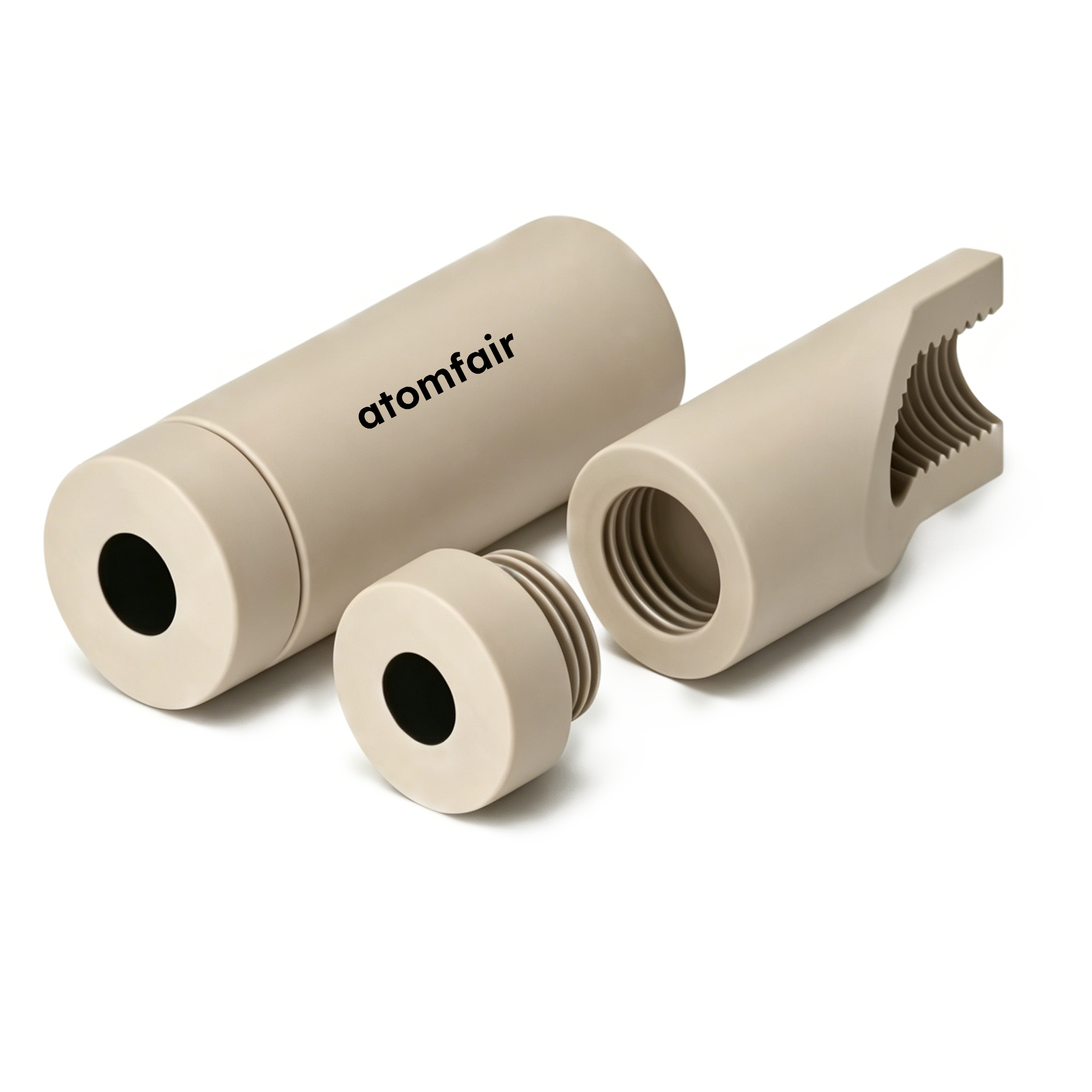
- PEEK body with chemical resistance: The polyether ether ketone encapsulation provides excellent chemical resistance and thermal stability, suitable for demanding experimental conditions.
Trade-offs
- Surface contamination sensitivity: The electrode is highly sensitive to surface contamination; containers must be kept tightly sealed or handled exclusively within an anhydrous inert environment to prevent phase contamination or degradation before electrochemical validation.
Every advanced material, component, equipment, and instrument in our catalog is backed by rigorous testing. We maintain strict internal quality management frameworks and align with CE conformity metrics to deliver transparent, reproducible performance data via our public open-science repository.
To request raw batch performance data, submit formal vendor registration paperwork, or execute a fast-turnaround R&D manufacturing loop, contact us at inquiry@atomfair.com.
Item is dispatched under the Atomfair Shipping & Delivery Framework (Free worldwide shipping on orders over $59 USD excl. heavy equipment). Return is governed by the Atomfair Return & Refund Policy (7-day technical return window).