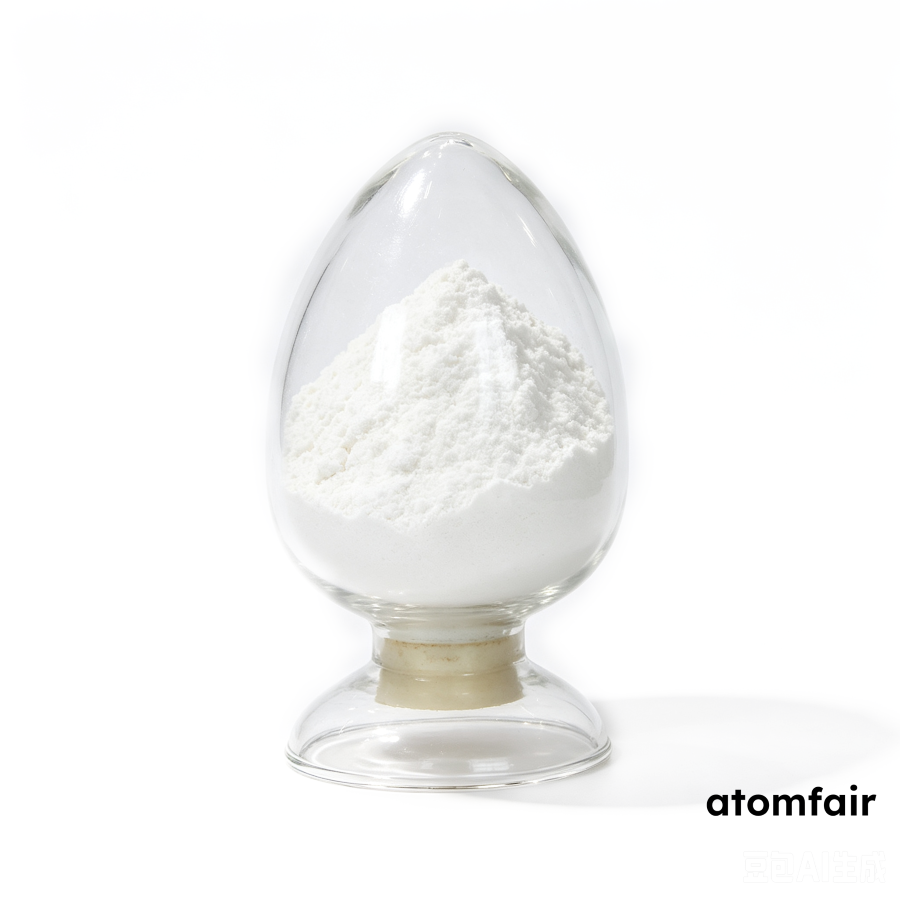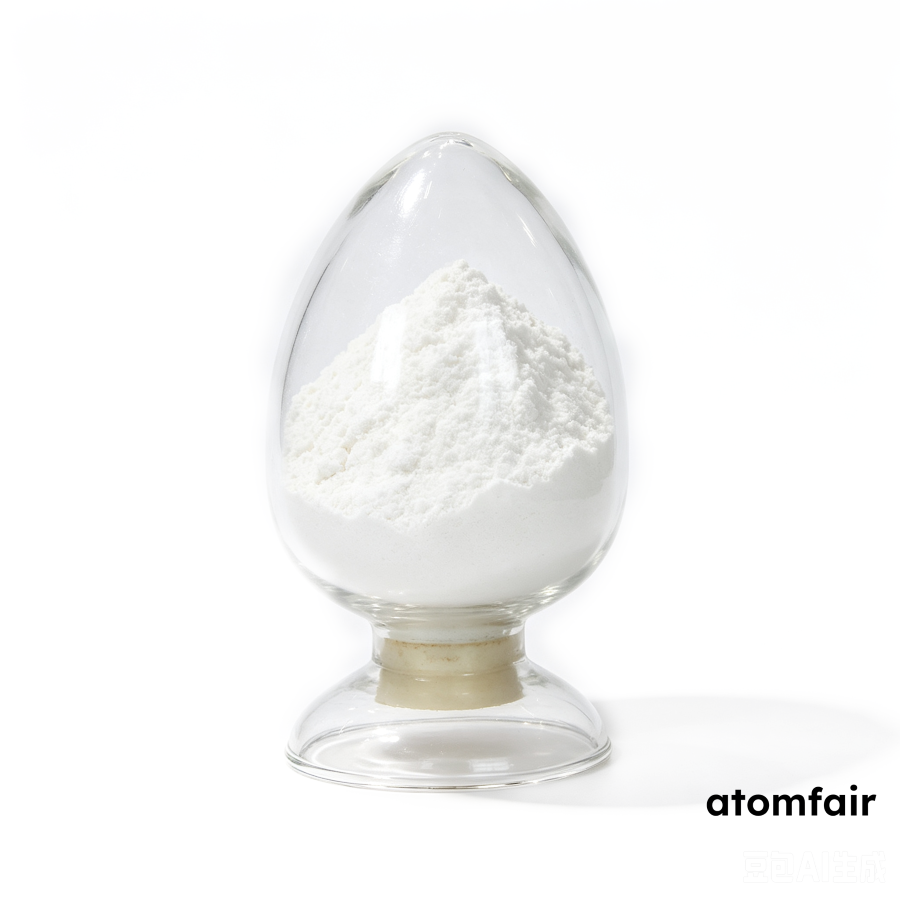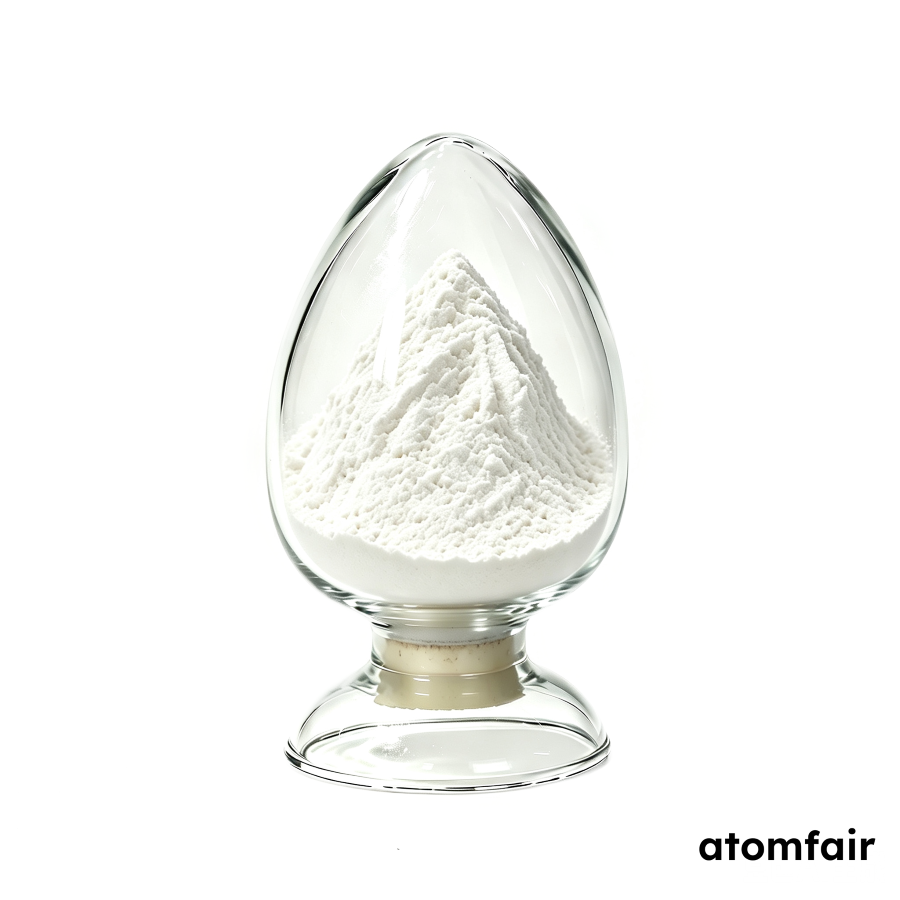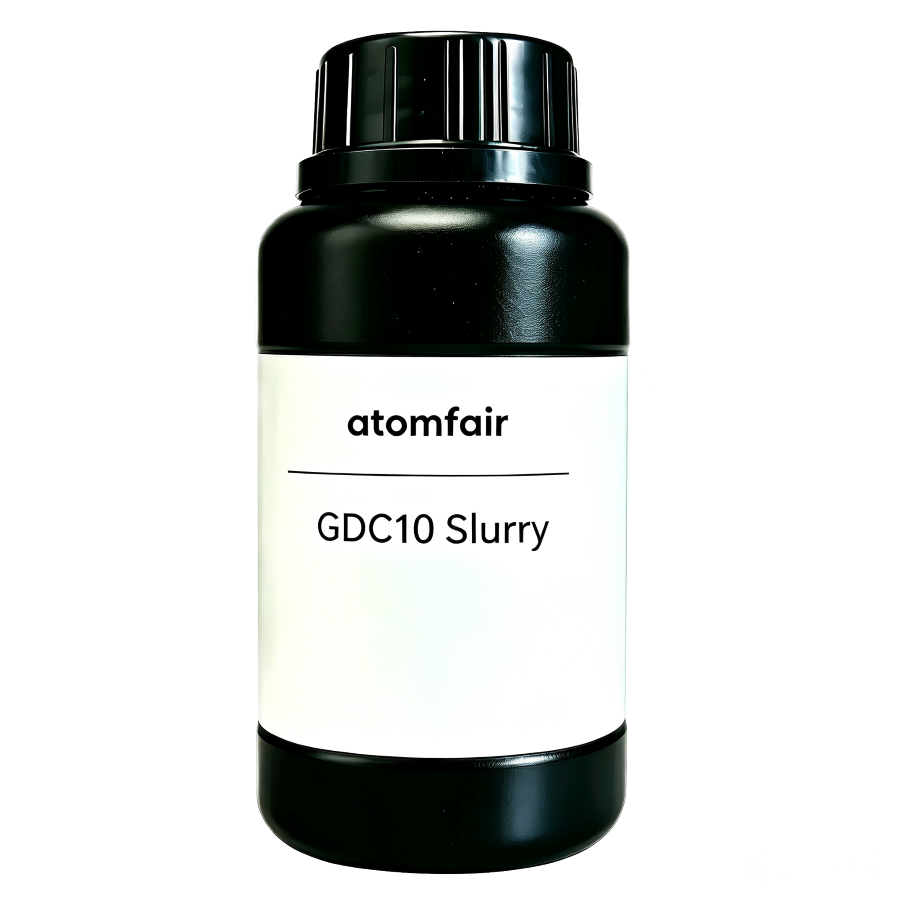
Gadolinium-Doped Ceria (GDC10) Electrolyte Slurry, 1 kg | ATOMFAIRProduct Type: SOC electrolyte slurry
Research-grade laboratory product
|
|||||||||||||||||||||||||
|
|||||||||||||||||||||||||
|
LABORATORY PROCUREMENT SUPPORT
For model selection, accessory matching, platform compatibility or configuration confirmation, contact our technical sales team.
E-MAIL: inquiry@atomfair.com
|
|||||||||||||||||||||||||
|
Manufacturer: Atomfair LLC
Brand: ATOMFAIR®
|
The GDC10 electrolyte slurry must be stored in a cool, dry environment with containers tightly sealed to prevent solvent evaporation and viscosity drift. During screen printing, the high-viscosity formulation prevents penetration into porous electrodes and requires controlled sintering to achieve gas-tight densification.
- Storage Conditions: Store in airtight containers at cool, dry conditions to avoid solvent loss and maintain viscosity stability.
- Viscosity Stability: The high-viscosity formulation maintains shape and line definition during screen printing and prevents wicking into porous electrode structures.
- Cation Barrier Function: The slurry forms a dense interlayer that suppresses cation interdiffusion between cathode and zirconia electrolyte.
- Sintering Requirement: Moderate sintering temperatures are required to achieve full densification without cracking or delamination.
- Contamination Prevention: Keep containers sealed when not in use to prevent contamination and viscosity drift from airborne moisture or particulates.
Why is the GDC10 electrolyte slurry viscosity higher than typical 8YSZ slurries?
The ATOMFAIR GDC10 slurry is formulated with a viscosity of 2300–3000 mPa·s, significantly thicker than 8YSZ slurries, to enable controlled deposition over large areas during screen printing. This higher viscosity prevents penetration into porous electrodes while still allowing good densification, making it suitable for intermediate-temperature SOFC electrolyte and barrier layer applications.
Can this GDC10 slurry be used as a protective interlayer between cathode and zirconia electrolyte?
Yes, the GDC10 slurry is specifically designed for use as a protective interlayer to suppress cathodic contamination and prevent interdiffusion between the cathode and zirconia electrolyte. It acts as an effective cation barrier, enabling stable low-to-intermediate temperature SOFC operation.
What storage conditions are required to maintain the GDC10 slurry's viscosity and performance?
Store the slurry in a cool, dry environment and keep containers tightly sealed when not in use to prevent solvent evaporation, viscosity drift, and contamination. Proper storage ensures the specified viscosity range of 2300–3000 mPa·s and solids content of 40–55 wt.% are maintained for reliable screen printing.
This GDC10 electrolyte slurry exhibits a high viscosity (2300–3000 mPa·s) and fine particle size (<5 μm) for controlled screen-printing deposition, providing an effective cation barrier for intermediate-temperature SOFCs. Storage requires a cool, dry environment with sealed containers to prevent solvent evaporation and viscosity drift, and the formulation is tailored for low-to-intermediate temperature platforms rather than high-temperature operation.
Positive
- Effective cation barrier: Prevents interdiffusion between cathode and zirconia electrolyte, suppressing cathodic contamination and enabling stable LT-SOFC operation.
- High viscosity stability for screen printing: Viscosity of 2300–3000 mPa·s maintains shape and line definition during deposition, preventing penetration into porous electrodes while allowing good densification.
Trade-offs
- Storage sensitivity to solvent evaporation: Requires storage in a cool, dry environment with containers tightly sealed to prevent solvent evaporation, viscosity drift, and contamination.
- Optimized for intermediate-temperature platforms: Designed specifically for low-to-intermediate temperature SOFCs, limiting its use in high-temperature solid oxide cell applications.
Every advanced material, component, equipment, and instrument in our catalog is backed by rigorous testing. We maintain strict internal quality management frameworks and align with CE conformity metrics to deliver transparent, reproducible performance data via our public open-science repository.
To request raw batch performance data, submit formal vendor registration paperwork, or execute a fast-turnaround R&D manufacturing loop, contact us at inquiry@atomfair.com.
Item is dispatched under the Atomfair Shipping & Delivery Framework (Free worldwide shipping on orders over $59 USD excl. heavy equipment). Return is governed by the Atomfair Return & Refund Policy (7-day technical return window).