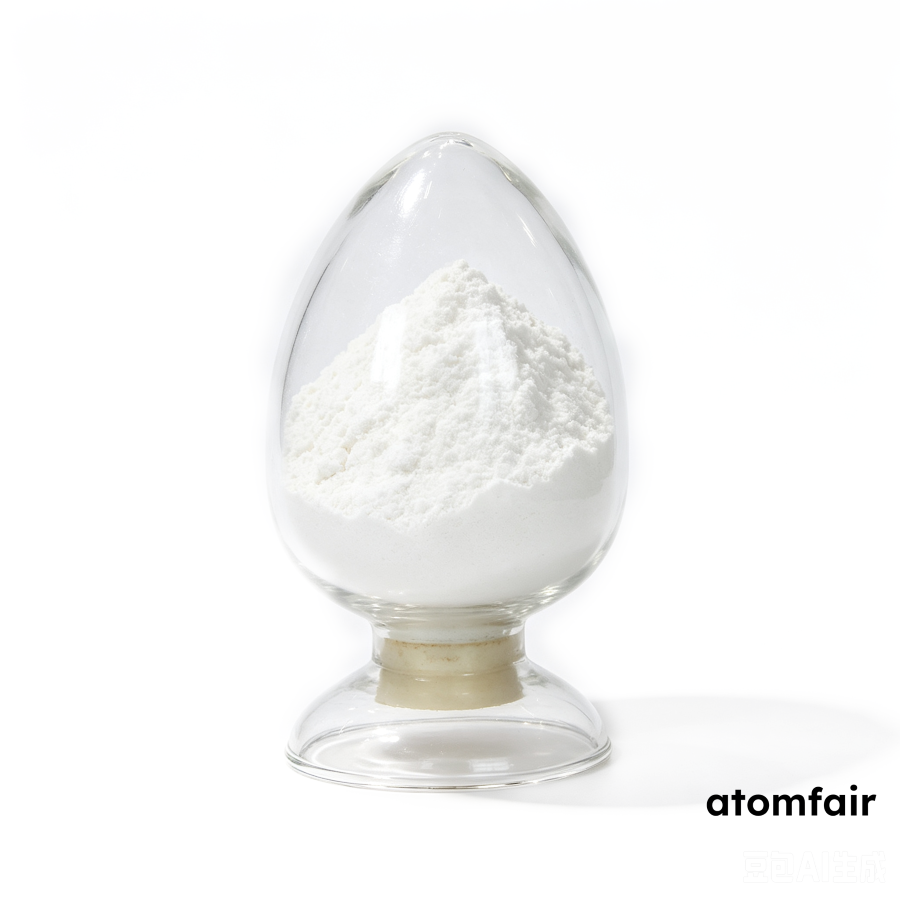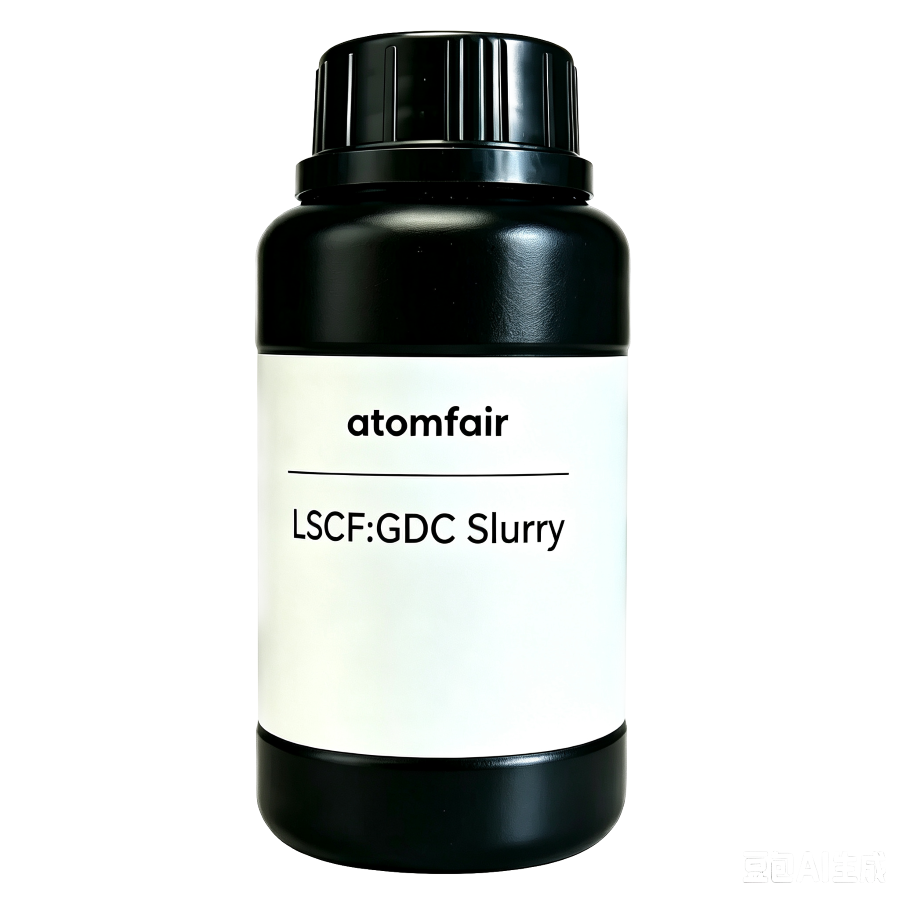
Composite Cathode Slurry (LSCF:GDC=1:1), 1 kg | ATOMFAIRProduct Type: SOC composite cathode slurry
Research-grade laboratory product
|
|||||||||||||||||||||||||
|
|||||||||||||||||||||||||
|
LABORATORY PROCUREMENT SUPPORT
For model selection, accessory matching, platform compatibility or configuration confirmation, contact our technical sales team.
E-MAIL: inquiry@atomfair.com
|
|||||||||||||||||||||||||
|
Manufacturer: Atomfair LLC
Brand: ATOMFAIR®
|
This document outlines the environmental and processing constraints for the safe and effective use of the ATOMFAIR LSCF:GDC (1:1) composite cathode slurry. Adherence to these constraints is critical to prevent solvent evaporation, viscosity drift, and contamination during storage and application.
- Storage Environment: Store the slurry in a cool, dry environment to prevent solvent evaporation and viscosity drift.
- Container Sealing: Keep the container tightly sealed when not in use to avoid contamination and solvent loss.
- Co-firing Compatibility: The slurry is engineered for co-sintering with both zirconia and ceria-based electrolytes, requiring adherence to specified sintering profiles.
What is the optimal solids content range for this LSCF:GDC composite cathode slurry and how does it affect screen-printing performance?
The slurry has a solids content of 60–75 wt.%, which directly influences its viscosity of 2200–3000 mPa·s and fineness below 5 μm. This range ensures good screen-printability and uniform layer deposition for cathode functional layers in solid oxide cells.
Can this LSCF:GDC composite cathode slurry be co-sintered with both YSZ and GDC electrolytes?
Yes, the slurry is engineered for co-sintering with both zirconia (YSZ) and ceria-based (GDC) electrolytes. The GDC phase in the composite also suppresses Sr segregation and extends the triple-phase boundary region, enhancing compatibility and electrochemical performance in intermediate-temperature cells.
What storage conditions are required to prevent viscosity drift and solvent evaporation for this slurry?
Store the slurry in a cool, dry environment and keep containers tightly sealed when not in use. This prevents solvent evaporation, viscosity drift, and contamination, ensuring consistent screen-printing properties and performance.
This composite cathode slurry (LSCF:GDC=1:1) offers a balanced combination of high oxygen reduction activity from LSCF and extended triple-phase boundary from GDC, with suppressed Sr segregation for improved durability. However, it requires careful storage and screen-printing process control to maintain performance.
Positive
- Extended Triple-Phase Boundary Area: GDC addition substantially increases active reaction sites, enhancing oxygen reduction activity in the cathode functional layer.
- Suppressed Sr Segregation: The GDC phase stabilizes the perovskite structure, inhibiting strontium segregation and prolonging operational lifetime.
Trade-offs
- Strict Storage Requirements: The slurry must be stored in a cool, dry environment with containers tightly sealed to prevent solvent evaporation, viscosity drift, and contamination.
- Screen-Printing Process Sensitivity: The viscosity range of 2200–3000 mPa·s and fineness <5 μm require precise screen-printing parameters and co-sintering profile optimization to achieve uniform film quality.
Every advanced material, component, equipment, and instrument in our catalog is backed by rigorous testing. We maintain strict internal quality management frameworks and align with CE conformity metrics to deliver transparent, reproducible performance data via our public open-science repository.
To request raw batch performance data, submit formal vendor registration paperwork, or execute a fast-turnaround R&D manufacturing loop, contact us at inquiry@atomfair.com.
Item is dispatched under the Atomfair Shipping & Delivery Framework (Free worldwide shipping on orders over $59 USD excl. heavy equipment). Return is governed by the Atomfair Return & Refund Policy (7-day technical return window).