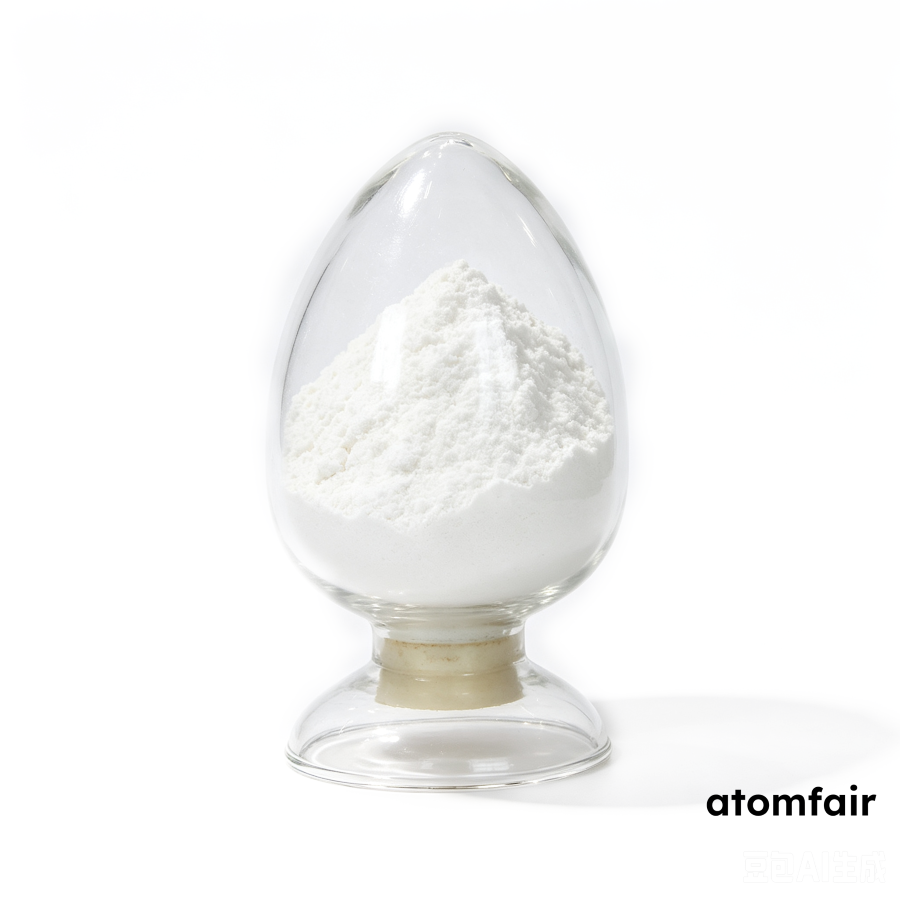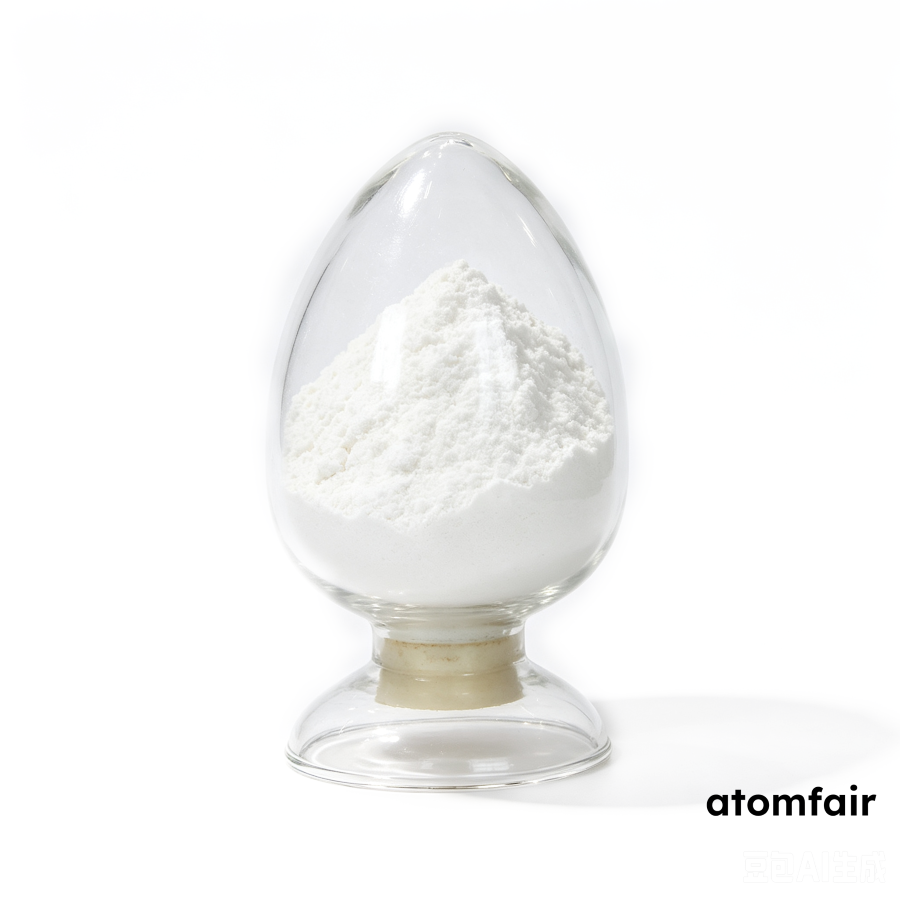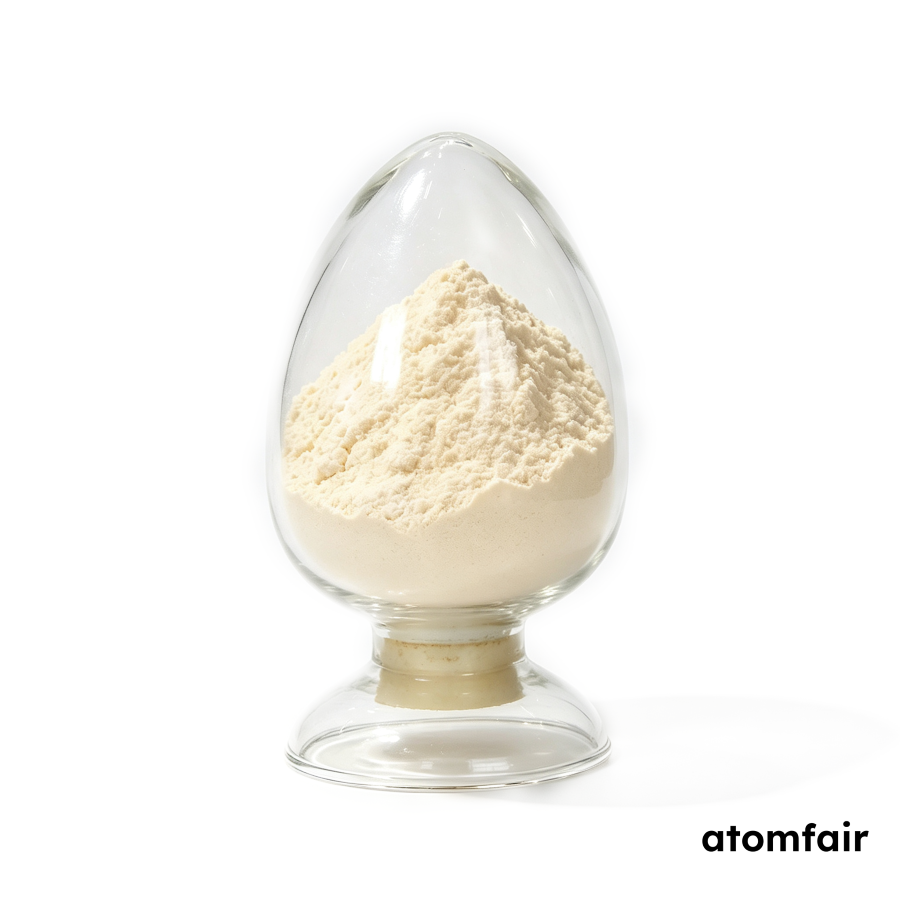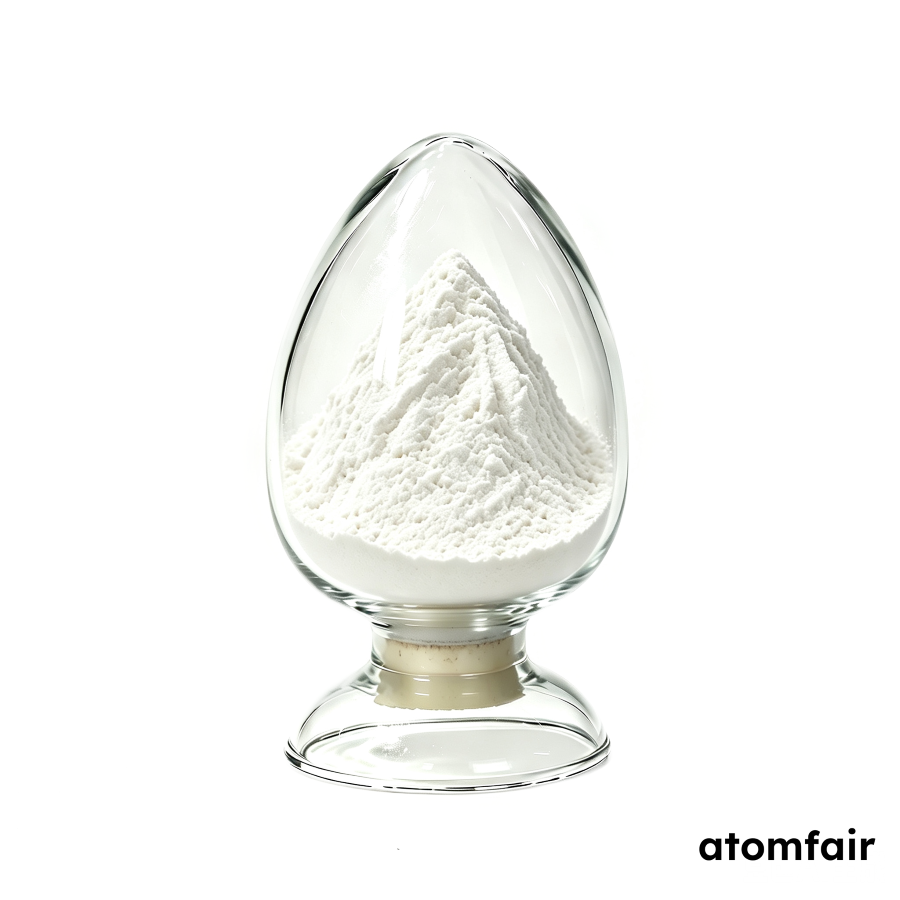
BCZYYb Electrolyte Powder, D50 0.2-0.6 μm, 1 kg | ATOMFAIRProduct Type: SOC electrolyte material powder
Research-grade laboratory product
|
|||||||||||||||||||||||||
|
|||||||||||||||||||||||||
|
LABORATORY PROCUREMENT SUPPORT
For model selection, accessory matching, platform compatibility or configuration confirmation, contact our technical sales team.
E-MAIL: inquiry@atomfair.com
|
|||||||||||||||||||||||||
|
Manufacturer: Atomfair LLC
Brand: ATOMFAIR®
|
This proton-conducting ceramic powder requires strict moisture control during storage and handling to maintain its performance. Successful application depends on proper sintering to achieve a dense, gas-tight electrolyte layer.
- Moisture Sensitivity: Store the powder in a dry environment and keep containers tightly sealed to prevent moisture uptake, as moisture content above 1 wt.% can degrade performance.
- Sintering Requirement: Sinter the powder at appropriate high temperatures to form a dense ceramic film, as incomplete sintering leads to porosity and reduced proton conductivity.
How does the Zr co-doping in BCZYYb electrolyte powder affect the balance between proton conductivity and chemical stability?
The Zr co-doping in BaCe₀.₇Zr₀.₁Y₀.₁Yb₀.₁O₃₋δ improves resistance to CO₂ and steam atmospheres while maintaining high proton conductivity, providing an excellent balance for low-to-intermediate temperature protonic ceramic cells. This composition is specifically optimized to maximize both conductivity and durability, as stated in the product description.
How does the D50 particle size of 0.2–0.6 μm influence the sintering behavior of BCZYYb electrolyte powder?
The fine particle size (D50 0.2–0.6 μm) supports good sinterability, enabling dense electrolyte film fabrication for protonic ceramic fuel cells and electrolysis cells. The spray-dried granulated morphology further aids in handling and uniform film deposition, as noted in the product specifications.
What storage conditions are required to maintain the performance of BCZYYb electrolyte powder?
Store the powder in a dry environment and keep containers tightly sealed when not in use to prevent moisture uptake and contamination. The as-supplied moisture content is <1 wt.%, and proper storage ensures the powder remains suitable for proton-conducting ceramic cell applications.
The Atomfair BCZYYb electrolyte powder (AF-SO-P-POWD-BCZY-D026) is a proton-conducting ceramic composition (BaCe0.7Zr0.1Y0.1Yb0.1O3−δ) engineered for PCFC/PCEC electrolyte layers, with a D50 of 0.2–0.6 μm and a specific surface area of 10–15 m²/g, balancing proton conductivity, CO2/H2O stability, and sinterability for dense film fabrication.
Positive
- High proton conductivity for low-temp cells: The Ce-rich B-site composition delivers high proton conductivity enabling efficient operation of protonic ceramic fuel and electrolysis cells at low-to-intermediate temperatures.
- Zr co-doping enhances CO2/H2O stability: Zirconium substitution improves chemical resistance to CO2 and steam atmospheres, extending operational durability in realistic cell environments without sacrificing conductivity.
- Fine particle size promotes dense sintering: A D50 of 0.2–0.6 μm with a specific surface area of 10–15 m²/g supports the fabrication of dense electrolyte films via improved sintering behavior.
Trade-offs
- Moisture-sensitive storage required: The powder has a moisture content below 1 wt.% and must be stored in a dry environment with tightly sealed containers to prevent moisture uptake and contamination, which could degrade protonic performance.
- Granulated morphology may affect slurry processing: The spray-dried granulated powder form requires careful handling and dispersion for tape casting or screen printing, as granule breakdown and binder removal steps must be optimized to avoid defects in thin electrolyte layers.
Every advanced material, component, equipment, and instrument in our catalog is backed by rigorous testing. We maintain strict internal quality management frameworks and align with CE conformity metrics to deliver transparent, reproducible performance data via our public open-science repository.
To request raw batch performance data, submit formal vendor registration paperwork, or execute a fast-turnaround R&D manufacturing loop, contact us at inquiry@atomfair.com.
Item is dispatched under the Atomfair Shipping & Delivery Framework (Free worldwide shipping on orders over $59 USD excl. heavy equipment). Return is governed by the Atomfair Return & Refund Policy (7-day technical return window).