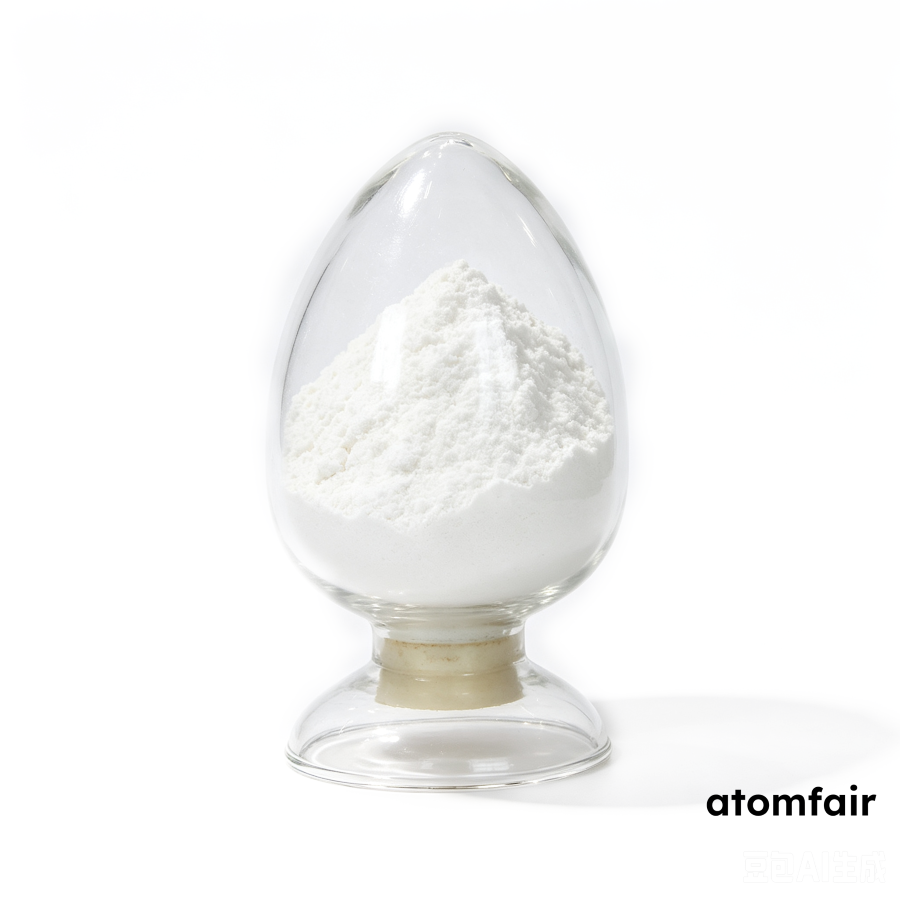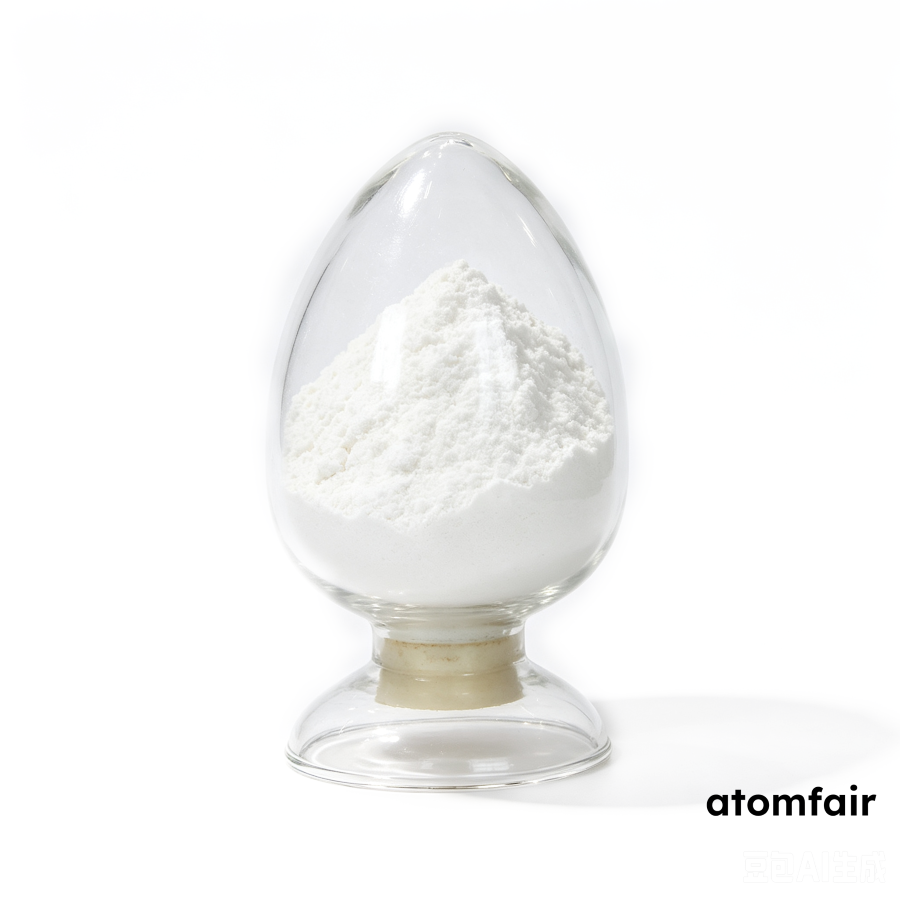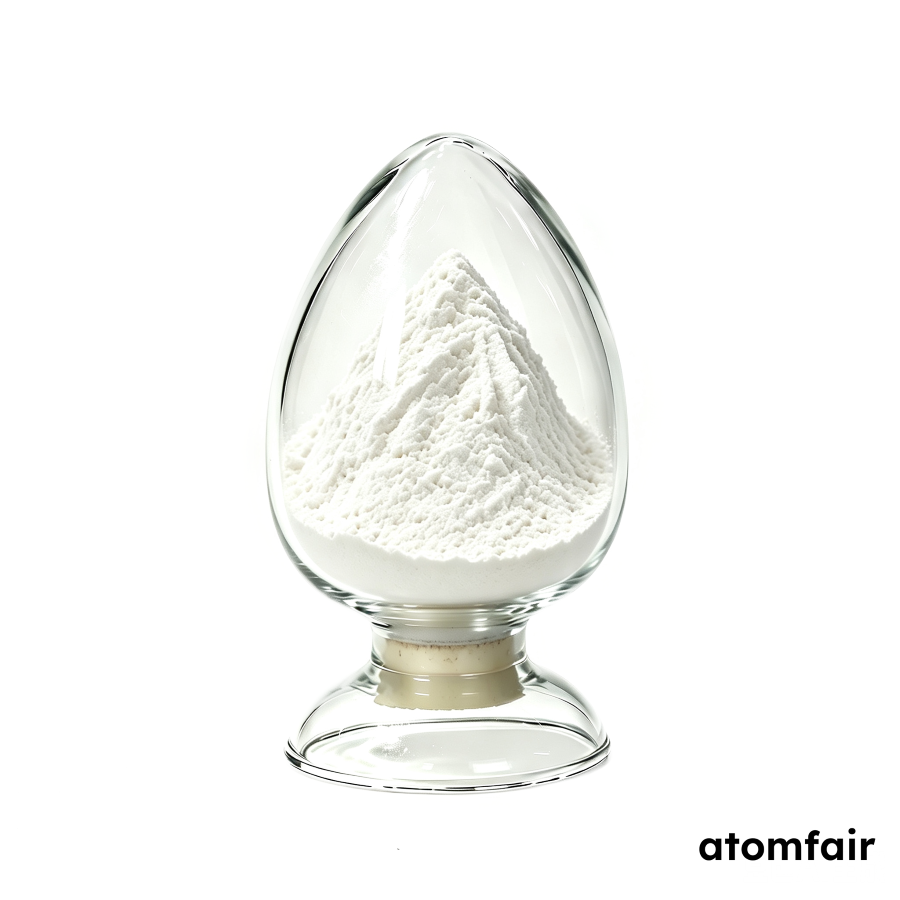
NiO Nickel Oxide Powder (Course), D50 8-10 μm, 1 kg | ATOMFAIRProduct Type: SOC current collecting layer
Research-grade laboratory product
|
|||||||||||||||||||||||||
|
|||||||||||||||||||||||||
|
LABORATORY PROCUREMENT SUPPORT
For model selection, accessory matching, platform compatibility or configuration confirmation, contact our technical sales team.
E-MAIL: inquiry@atomfair.com
|
|||||||||||||||||||||||||
|
Manufacturer: Atomfair LLC
Brand: ATOMFAIR®
|
This nickel oxide powder must be stored in a dry environment and in tightly sealed containers to prevent moisture uptake and contamination. The spray-dried granulated powder is processed by screen printing or slurry-based deposition, followed by sintering and reduction to form the intended porous current collector layer.
- Storage Environment: Store the material in a dry environment to prevent moisture uptake.
- Container Sealing: Keep the container tightly sealed when not in use to prevent moisture uptake and contamination.
- Deposition Compatibility: Screen-printing and slurry-based deposition methods are the stated deposition routes for this powder.
- Sintering and Reduction: The deposited layer must be sintered and reduced to develop the pore channels required for the current collector structure.
Store and process this NiO powder under dry conditions to preserve its current collector layer performance. Screen print or slurry-deposit the granulated powder, then sinter and reduce the layer to achieve the intended porous structure.
Required Equipment: Screen printer, Slurry deposition equipment, Sintering furnace
- Dry Storage
Store the unopened powder container in a dry environment to prevent moisture uptake. - Container Sealing
Keep the container tightly sealed after each use to avoid moisture uptake and contamination. - Slurry or Paste Preparation
Dispense the required amount of powder for slurry or screen-printing paste formulation. - Layer Deposition
Deposit the current collector layer onto the electrode by screen printing or slurry-based deposition. - Sintering and Reduction
Sinter and reduce the deposited layer to develop the intended open pore architecture.
Why is a coarse NiO powder with D50 8–10 μm and specific surface area 8–12 m²/g preferred for solid oxide cell current collector layers over finer powders?
The coarse particle size (D50 8–10 μm) and high surface area (8–12 m²/g) are deliberately engineered to create open, interconnected pore channels after sintering and reduction. This architecture minimizes concentration polarization losses by reducing gas diffusion resistance, while maintaining sufficient electronic conductivity for efficient current collection—a balance that finer powders cannot achieve without compromising porosity or gas permeability.
What deposition methods are compatible with this NiO powder, and how does the spray-dried granulated morphology affect processing?
The product is designed for screen-printing and slurry-based deposition methods. The spray-dried granulated form provides consistent rheology and excellent pattern definition during paste formulation and printing, enabling uniform coating over large electrode areas with reproducible layer thickness and adhesion.
What are the storage and handling requirements for this NiO powder to prevent moisture uptake and contamination?
Store in a dry environment and keep containers tightly sealed when not in use to prevent moisture uptake, as the product specification limits moisture to <1 wt.%. The professional research-grade packaging is designed to maintain integrity during storage and transport, but adherence to these handling guidelines is essential to preserve the powder's performance characteristics for solid oxide cell fabrication.
Atomfair NiO powder (D50 8-10 μm, specific surface area 8-12 m²/g) is a spray-dried granulated material designed for solid oxide cell current collector layers, where its coarse particle size promotes open pore architecture and reduces gas diffusion resistance, while the granulated morphology ensures screen-printing compatibility; however, it requires dry storage to maintain its <1 wt.% moisture specification.
Positive
- Open pore architecture: Coarse particles (D50 8-10 μm) create highly interconnected porosity after sintering and reduction, minimizing concentration polarization losses and improving gas diffusion in SOC current collector layers.
- Screen-print ready granulation: Spray-dried granulated form provides consistent rheology and pattern definition, enabling uniform coating over large electrode areas via screen-printing or slurry-based deposition.
Trade-offs
- Moisture sensitive handling: The powder has a moisture specification of <1 wt.% and must be stored in a dry environment with containers tightly sealed when not in use to prevent moisture uptake and contamination, requiring disciplined lab storage practices.
Every advanced material, component, equipment, and instrument in our catalog is backed by rigorous testing. We maintain strict internal quality management frameworks and align with CE conformity metrics to deliver transparent, reproducible performance data via our public open-science repository.
To request raw batch performance data, submit formal vendor registration paperwork, or execute a fast-turnaround R&D manufacturing loop, contact us at inquiry@atomfair.com.
Item is dispatched under the Atomfair Shipping & Delivery Framework (Free worldwide shipping on orders over $59 USD excl. heavy equipment). Return is governed by the Atomfair Return & Refund Policy (7-day technical return window).