|
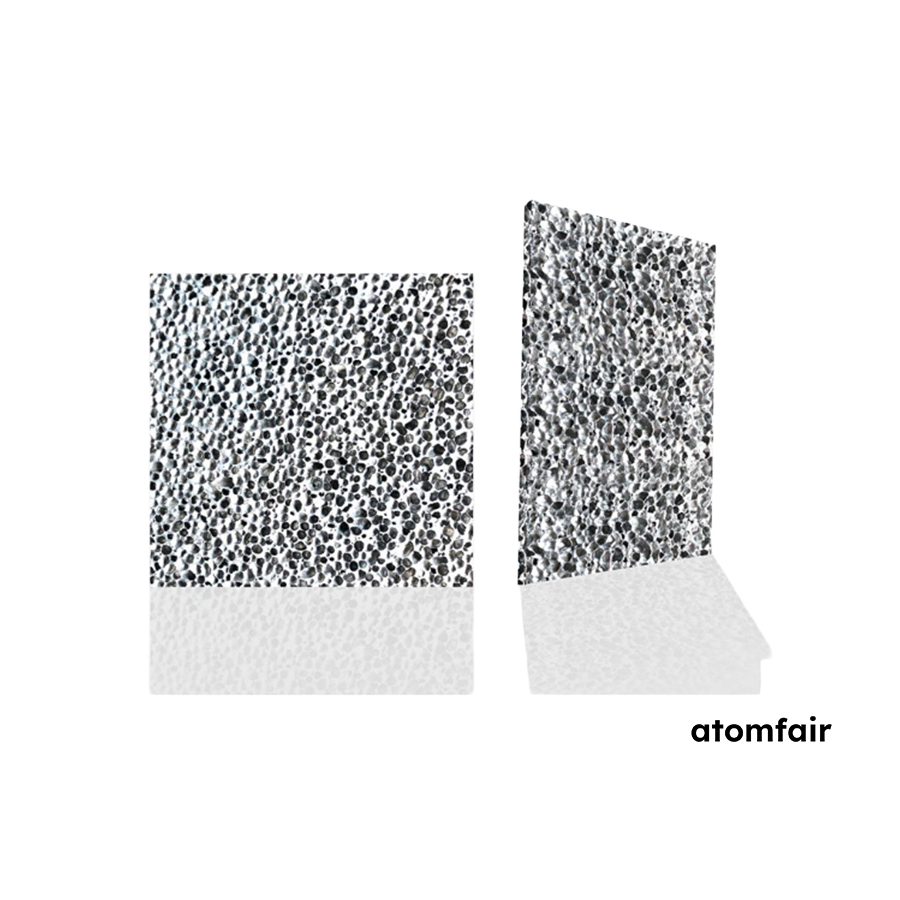
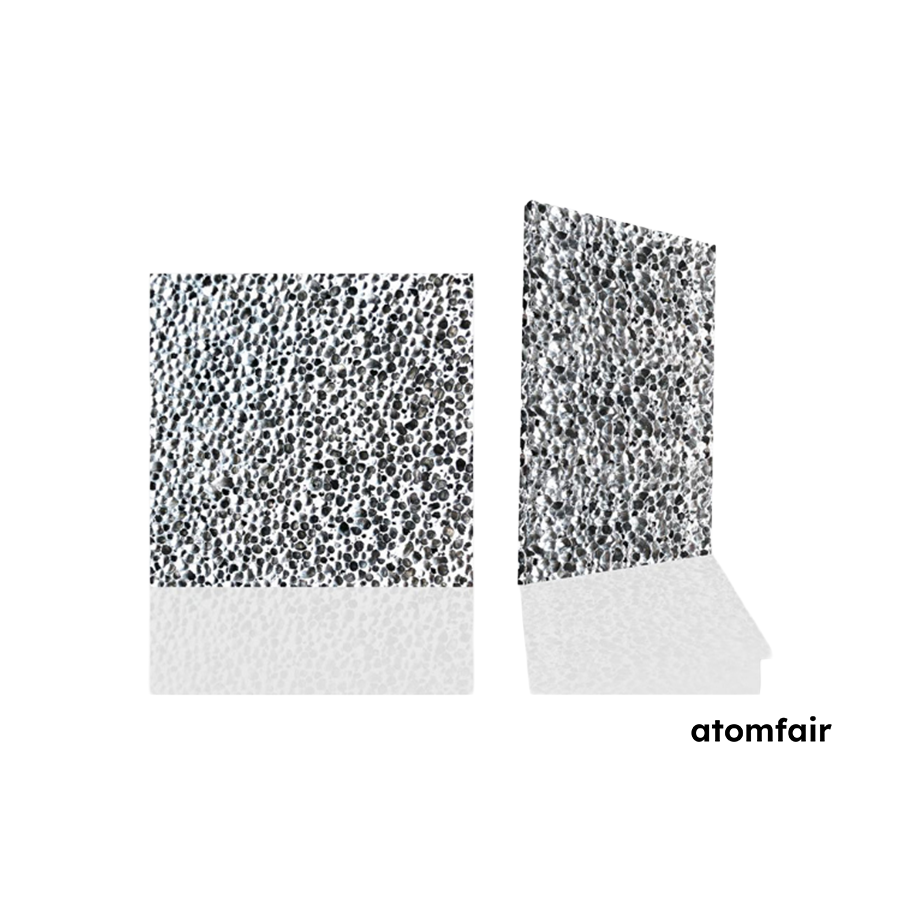
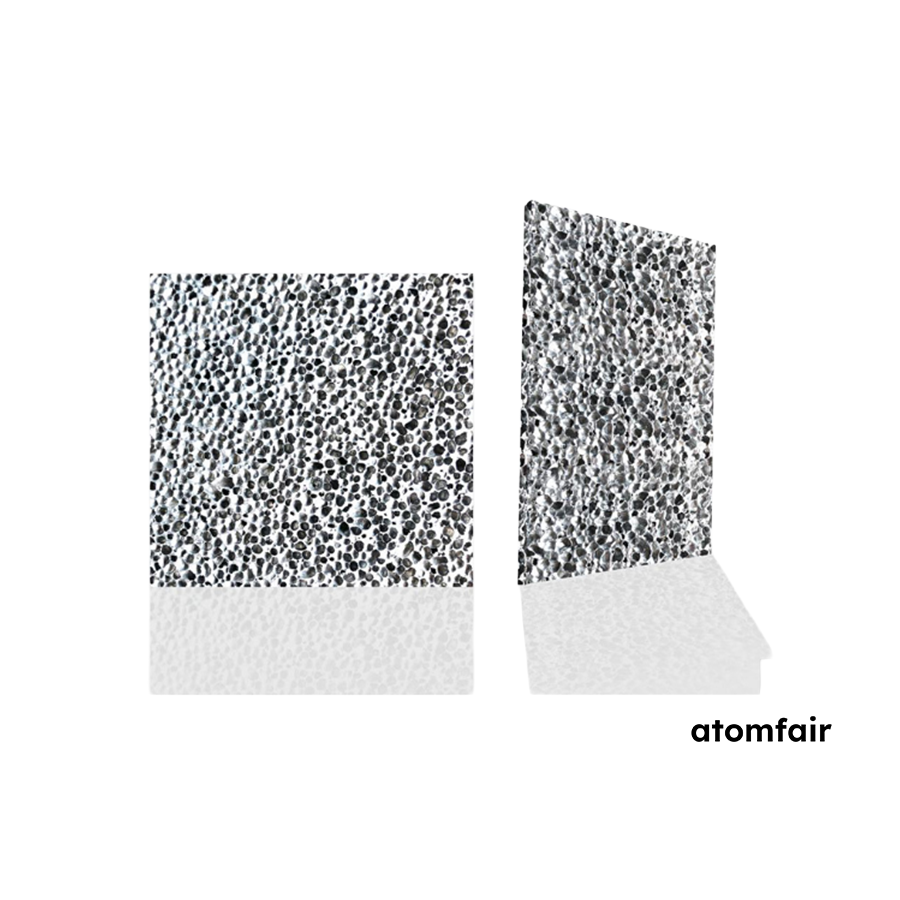
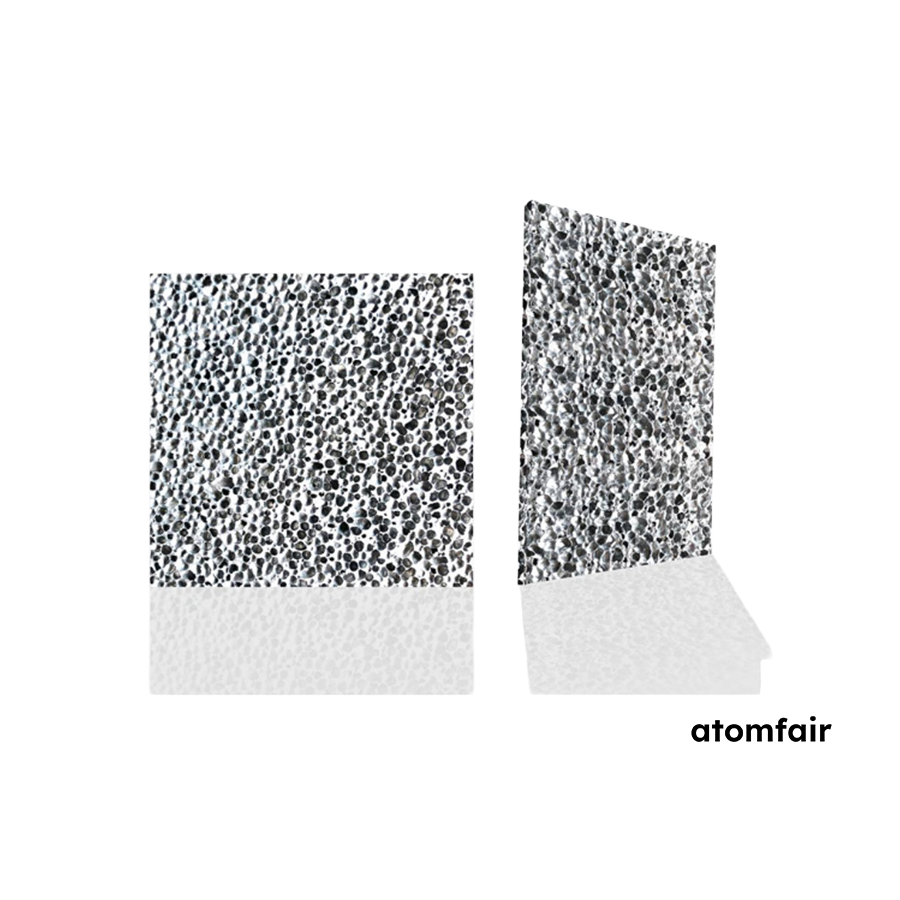
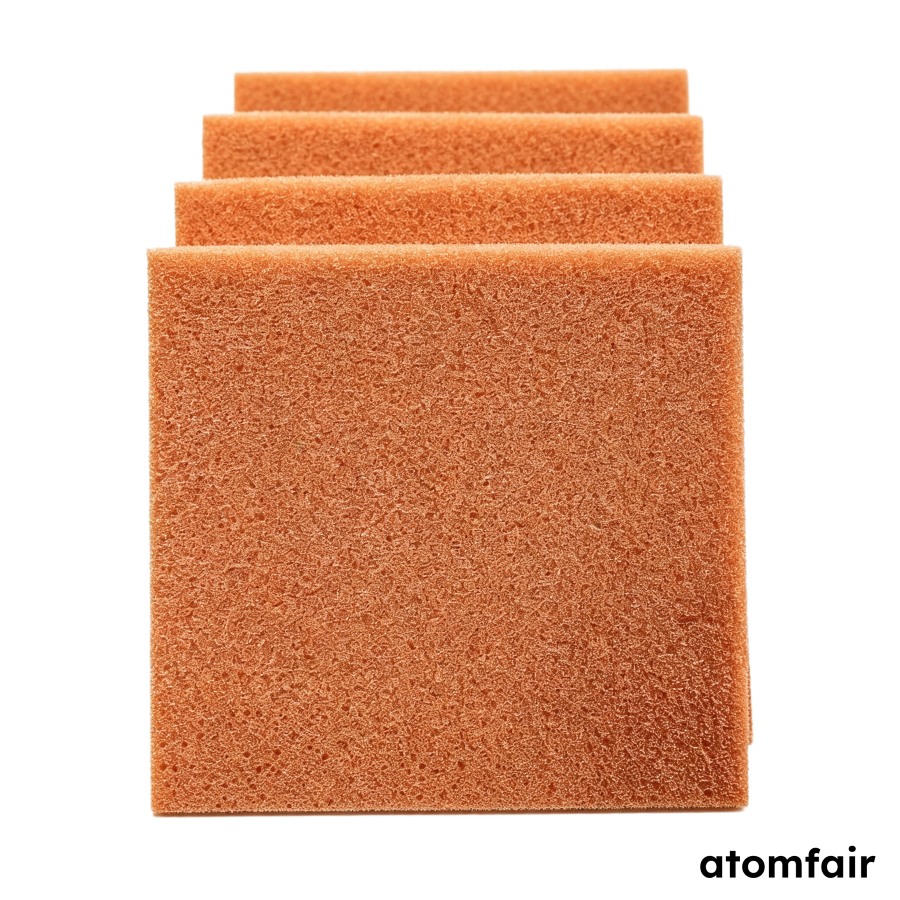
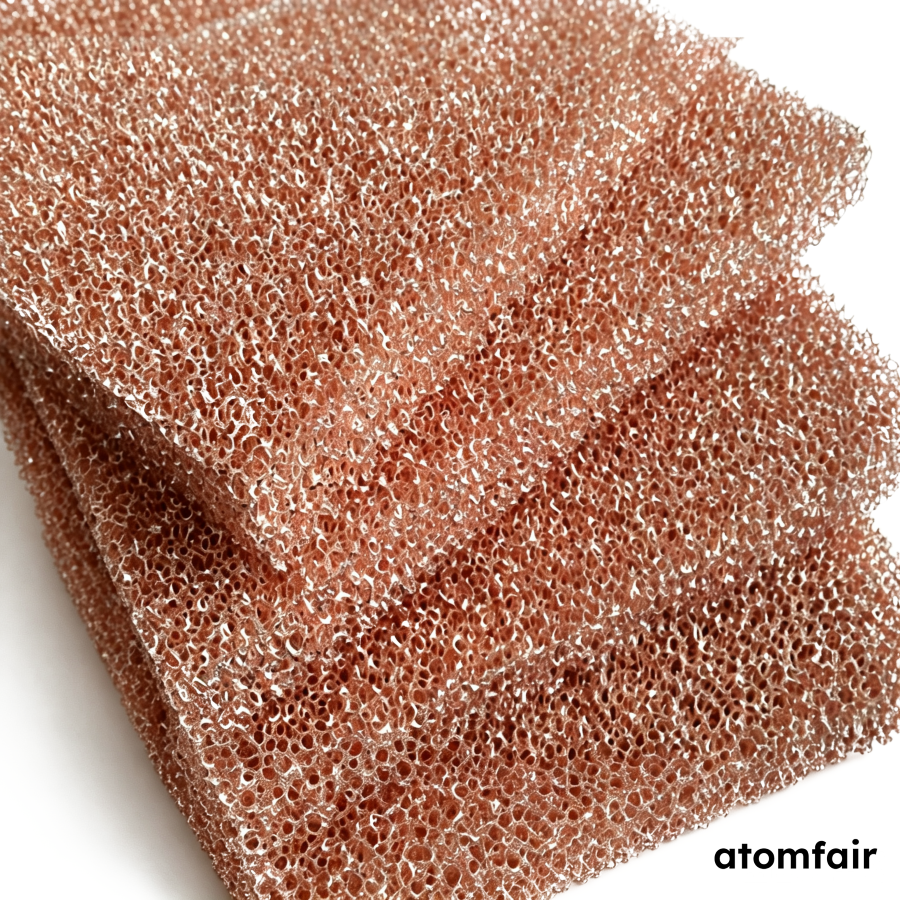
Laboratory Open-Cell Copper Foam, 20 PPI, 100 × 100 × 3 mm, 1/5 pcs
Research-grade laboratory product
|
|||||||||||||||||||||||||||||||||||||||
|
|||||||||||||||||||||||||||||||||||||||
|
LABORATORY PROCUREMENT SUPPORT
For PPI selection, sheet-dimension confirmation, package support or application-specific configuration review, contact our technical sales team.
E-MAIL: inquiry@atomfair.com
|
|||||||||||||||||||||||||||||||||||||||
|
Manufacturer: Atomfair LLC
Brand: ATOMFAIR®
|
The open-cell copper structure is susceptible to crushing and contamination if subjected to heavy impact or exposure to particulates. Environmental moisture may promote surface oxidation, reducing electrical and thermal performance over time.
- Storage Condition: Store the sheet in a clean, dry area to prevent surface contamination and avoid crushing of the open cellular structure.
- Inspection Requirement: Inspect the package condition and sheet dimensions upon delivery to confirm the pore structure and material integrity before further processing.
- Handling Constraint: Protect the foam from heavy impact and crushing during handling, cutting, bonding, or installation to preserve the interconnected pore network.
After receiving the 20 PPI copper foam sheet, verify its physical dimensions and pore structure before integration. Protect the material from mechanical damage and contamination during all subsequent handling steps.
Required Equipment: Clean, contamination-free work surface, Calibrated digital caliper for dimension check, Visual inspection station with controlled lighting
- Inspect Packaging and Material
Check the delivered package for signs of crushing, moisture damage, or contamination before opening. - Verify Sheet Dimensions
Measure the sheet length, width, and thickness with a digital caliper to confirm they match the 100 × 100 × 3 mm specification. - Examine Pore Structure
Visually inspect the open-cell network under controlled lighting to confirm the through-pore rate and absence of deformed or collapsed regions. - Store in Controlled Environment
Place the sheet in a clean, dry area at ambient temperature to minimize surface oxidation prior to use. - Handle with Care During Integration
Support the foam uniformly during cutting, bonding, or mechanical fastening to avoid local crushing of the cellular network.
What is the significance of the ≥98% through-pore rate for filtration and fluid-pressure buffering applications?
The through-pore rate of at least 98% ensures that nearly all pores are interconnected, which is critical for applications requiring uniform fluid flow or pressure transmission. This high interconnectivity supports consistent performance in filtration media, where blocked pores would reduce efficiency, and in pressure-instrument buffering components, where uninterrupted fluid communication is necessary for accurate damping.
Can this copper foam sheet be cut or bonded to custom geometries for integration into existing electrode or filtration assemblies?
Yes, the sheet can be cut, bonded, or otherwise modified for integration, as indicated by the handling guidance that recommends inspecting the pore structure before cutting or installing. Additionally, custom dimensions are available upon consultation by providing target length, width, thickness, PPI, and estimated quantity, allowing adaptation to specific assembly requirements.
What storage and handling precautions are necessary to preserve the open-cell structure of this copper foam?
Store the sheets in a clean, dry area and protect the open cellular surface from heavy impact, crushing, and contamination. After delivery, inspect the package condition, sheet dimensions, and visible pore structure before cutting, bonding, or installing to ensure the interconnected network remains intact for laboratory evaluations.
The 20 PPI open-cell copper foam sheet (100×100×3 mm) provides an interconnected porous network with ≥98% through-pore rate, supporting electrode, catalyst, filtration, and thermal management applications. Its copper framework offers electrical and thermal conductivity, but requires careful handling and specification confirmation to match application requirements.
Positive
- High through-pore connectivity: With a stated through-pore rate of at least 98% and porosity of 50–80%, the open-cell network ensures efficient fluid flow and high internal surface exposure, critical for electrode and catalyst carrier performance.
- Conductive copper framework: The foamed copper structure retains thermal and electrical conduction properties, making it suitable for heat-transfer components, current collectors, and electromagnetic shielding applications.
Trade-offs
- Handling sensitivity: The open cellular surface must be stored in a clean, dry area and protected from heavy impact, crushing, and contamination, as structural damage could compromise pore integrity and performance.
- Specification confirmation required: Given the fixed 20 PPI, 100×100×3 mm dimensions, users must verify that these parameters meet their application needs; custom sizes require consultation for feasibility review.
Every advanced material, component, equipment, and instrument in our catalog is backed by rigorous testing. We maintain strict internal quality management frameworks and align with CE conformity metrics to deliver transparent, reproducible performance data via our public open-science repository.
To request raw batch performance data, submit formal vendor registration paperwork, or execute a fast-turnaround R&D manufacturing loop, contact us at inquiry@atomfair.com.
Item is dispatched under the Atomfair Shipping & Delivery Framework (Free worldwide shipping on orders over $59 USD excl. heavy equipment). Return is governed by the Atomfair Return & Refund Policy (7-day technical return window).