Graphite rod counter electrode Series – Purity 98% | ATOMFAIRRESEARCH GRADE INSTRUMENT
|
|||||||||||||||||||||||||
|
|||||||||||||||||||||||||
|
TAILORED SOLUTIONS FOR RESEARCH
Contact our engineering team for technical support or official institutional quotations.
EMAIL: inquiry@atomfair.com
|
|||||||||||||||||||||||||
|
Manufacturer: Atomfair LLC
Brand: ATOMFAIR®
|
|||||||||||||||||||||||||
This electrode is highly sensitive to surface contamination and must be stored and handled in an anhydrous inert environment. Proper storage and handling are critical to prevent degradation and ensure reliable electrochemical performance.
- Storage Constraint: Store the electrode in a tightly sealed container under an anhydrous inert atmosphere to prevent surface contamination and degradation.
- Handling Constraint: Handle the electrode exclusively within an anhydrous inert environment, such as a glovebox, to maintain phase integrity before electrochemical validation.
- Contamination Sensitivity: Avoid any contact with atmospheric moisture, oxygen, or other contaminants that could compromise the electrode surface.
What is the advantage of choosing the 100 mm exposed length over the 75 mm for high-current bulk electrolysis experiments?
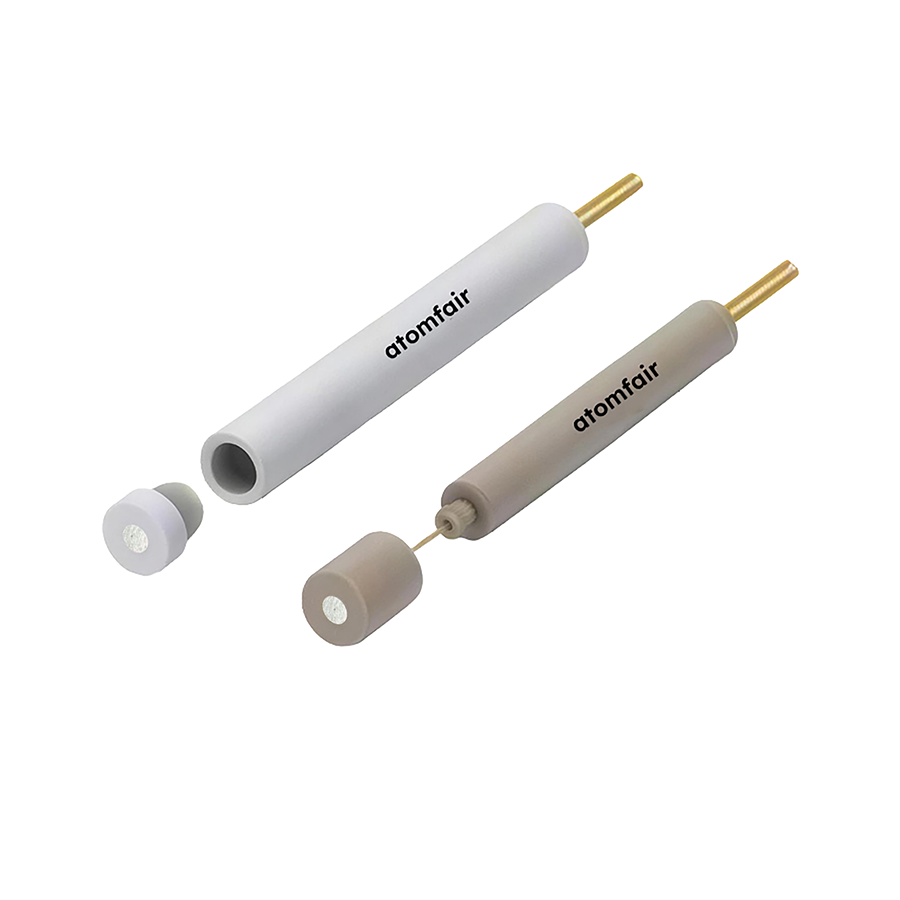
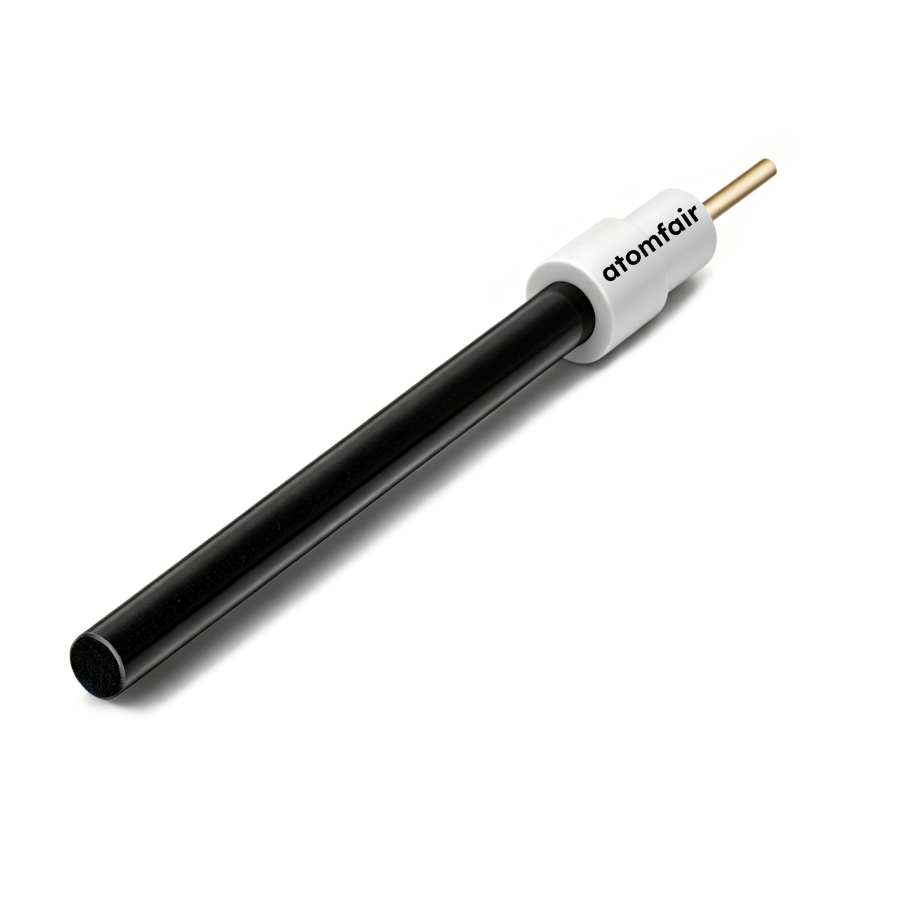
The 100 mm exposed length provides a larger active surface area on the 6 mm diameter graphite rod, enabling higher current capacity and stable operation in large-scale cells. The trade-off is that the longer rod may require a deeper cell geometry to fully immerse the active region, as the PTFE jacket defines the exposed graphite portion.
Is the graphite rod counter electrode compatible with non-aqueous electrolyte systems such as organic lithium-ion battery electrolytes?
Yes, the graphite rod exhibits broad electrochemical stability in many non-aqueous electrolyte systems. The high-density graphite (98% purity) and PTFE jacket provide chemical inertness, making it suitable for non-aqueous environments. However, the product is highly sensitive to surface contamination; handling in an anhydrous inert environment is critical to prevent performance degradation.
What special handling procedures are required for the graphite rod counter electrode to prevent contamination?
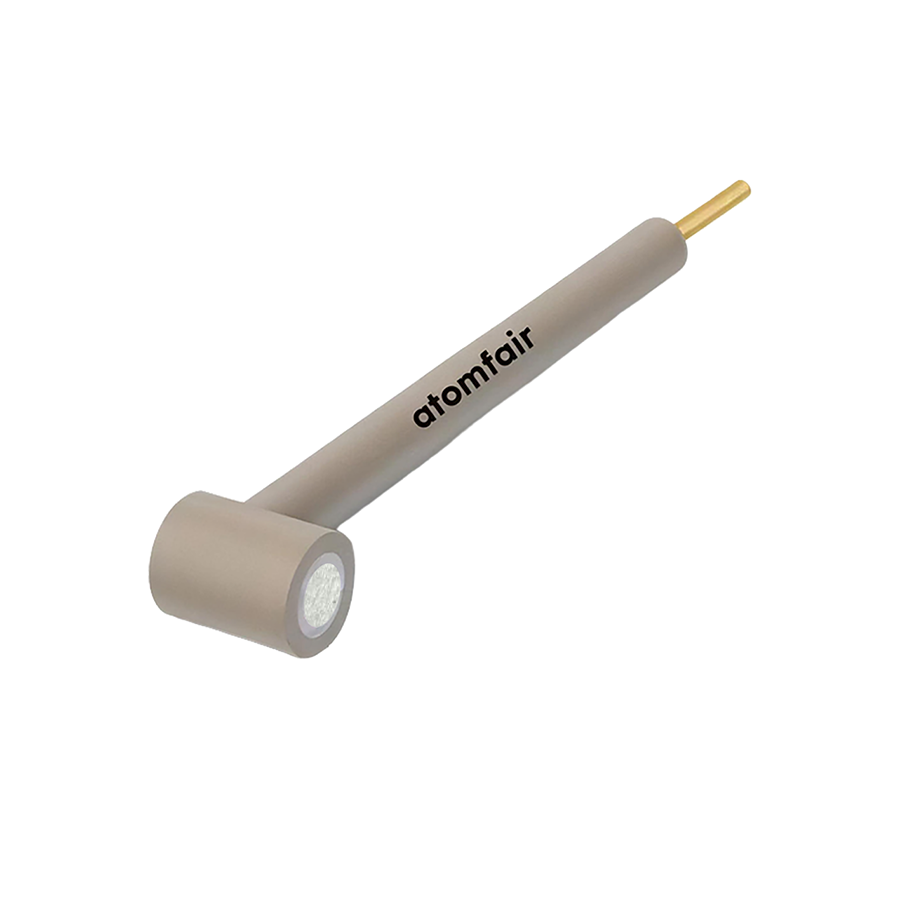
The graphite rod is highly sensitive to surface contamination. It must be kept in sealed containers or handled exclusively within an anhydrous inert environment to prevent phase contamination or degradation before electrochemical validation. The PTFE jacket protects the electrical connection but does not shield the exposed graphite from airborne contaminants.
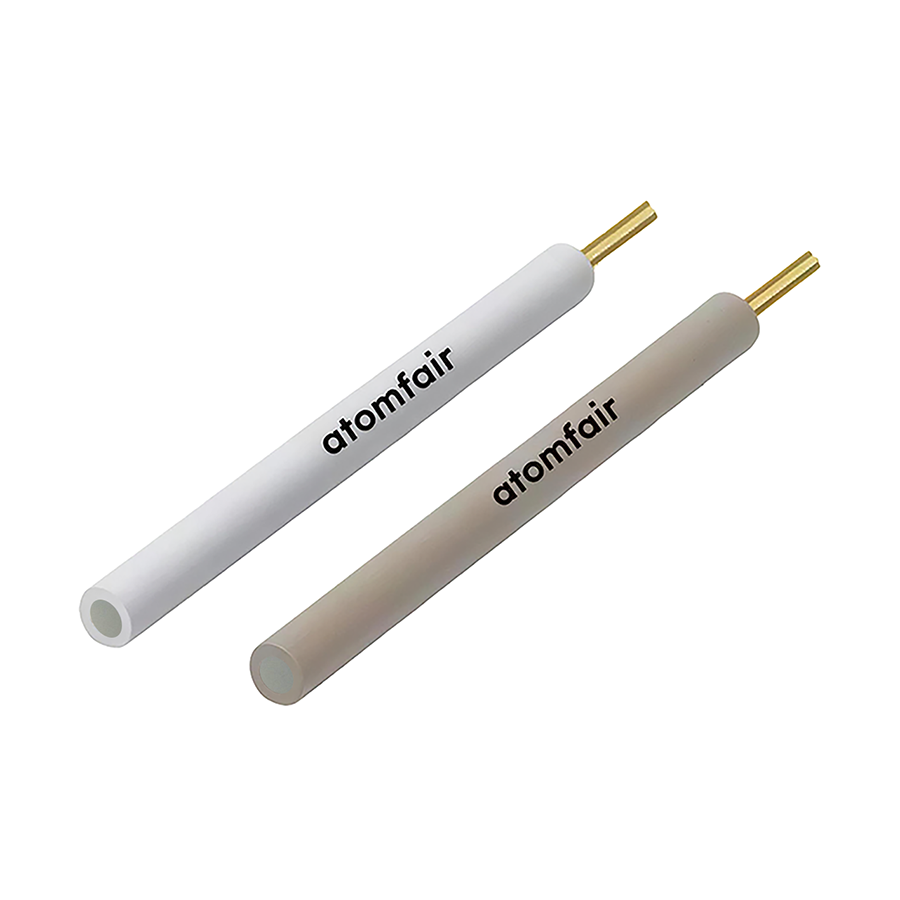
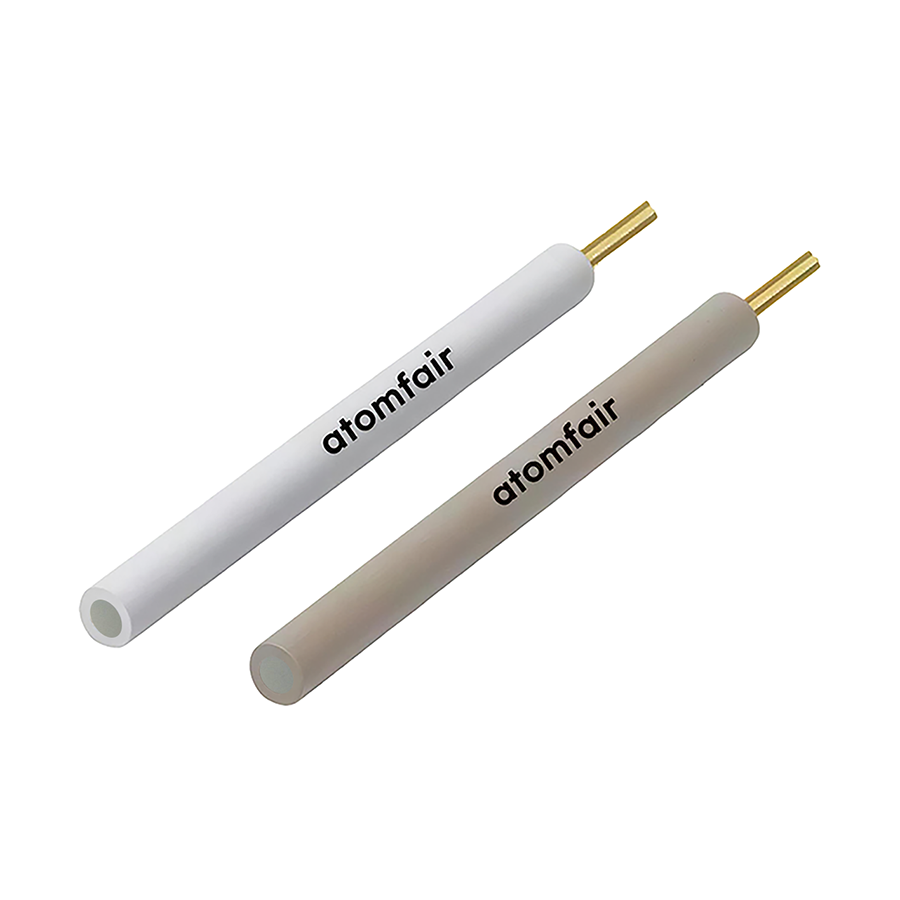
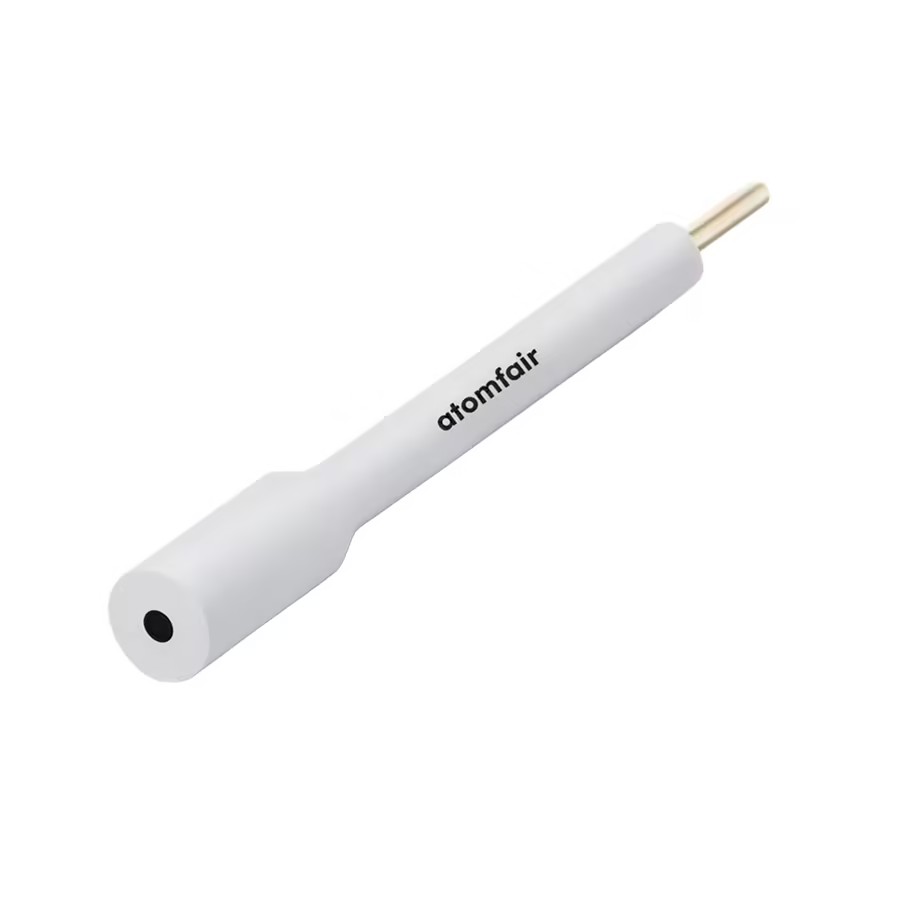
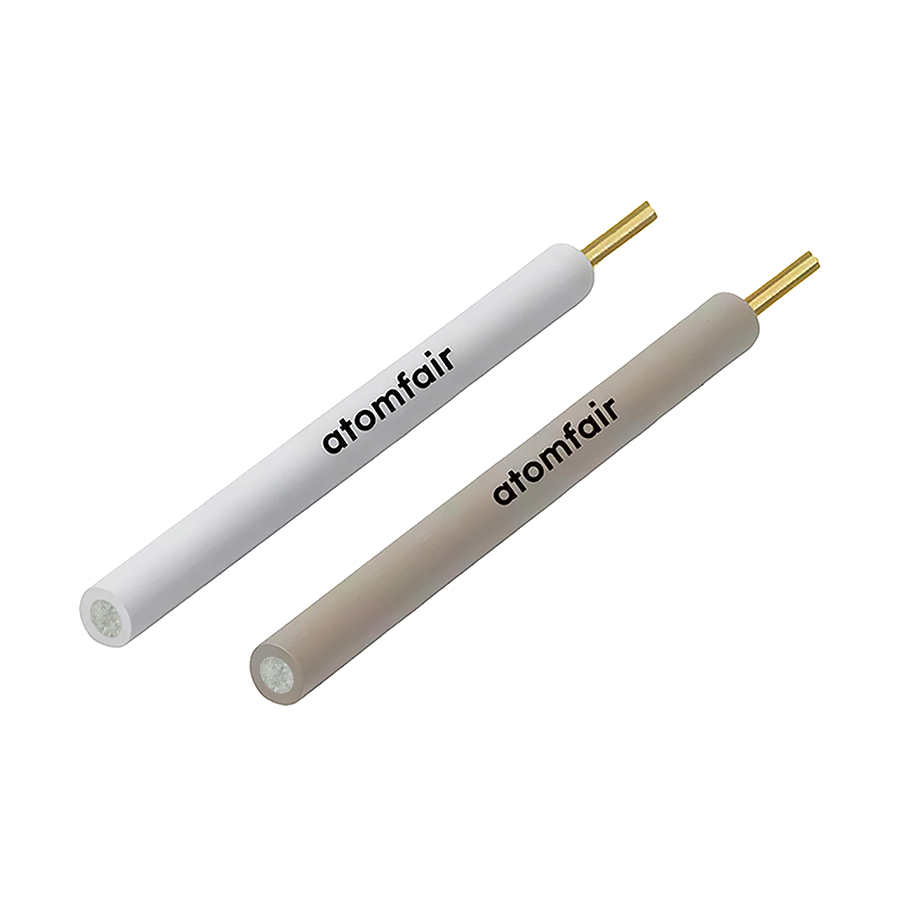
The ATOMFAIR Graphite Rod Counter Electrode (98% purity, 6 mm diameter, 75 mm or 100 mm exposed length) provides a large active surface area and cost-effective alternative to noble metals for bulk electrolysis, but requires strict handling to avoid surface contamination and standard lengths are limited to two options.
Positive
- Large Active Surface Area: The 6 mm diameter rod with 75 mm or 100 mm exposed length offers substantial surface area for high current capacity and stable operation in bulk electrolysis and large-scale cells.
- Cost-Effective Alternative: Graphite provides comparable counter electrode performance to noble metals such as platinum or gold at a fraction of the cost, making it ideal for high-throughput or routine electrochemical measurements.
Trade-offs
- Surface Contamination Sensitivity: The electrode is highly sensitive to surface contamination; containers must be kept tightly sealed or the electrode handled exclusively within an anhydrous inert environment to prevent degradation before use.
- Limited Standard Length Options: Only 75 mm and 100 mm exposed lengths are available as standard; other dimensions require special request, which may extend lead time and complicate rapid prototyping.
Every advanced material, component, equipment, and instrument in our catalog is backed by rigorous testing. We maintain strict internal quality management frameworks and align with CE conformity metrics to deliver transparent, reproducible performance data via our public open-science repository.
To request raw batch performance data, submit formal vendor registration paperwork, or execute a fast-turnaround R&D manufacturing loop, contact us at inquiry@atomfair.com.
Item is dispatched under the Atomfair Shipping & Delivery Framework (Free worldwide shipping on orders over $59 USD excl. heavy equipment). Return is governed by the Atomfair Return & Refund Policy (7-day technical return window).