Platinum sheet counter electrode series – thickness 0.3 mm | ATOMFAIRRESEARCH GRADE INSTRUMENT
|
|||||||||||||||||||||||||||||
|
|||||||||||||||||||||||||||||
This document details the environmental and handling requirements for the ATOMFAIR Platinum sheet counter electrode. Adherence to these constraints is necessary to prevent contamination and ensure reliable electrochemical performance.
- Contamination Sensitivity: The electrode is highly sensitive to surface contamination and must be stored in a tightly sealed container or handled exclusively within an anhydrous inert environment to prevent degradation before use.
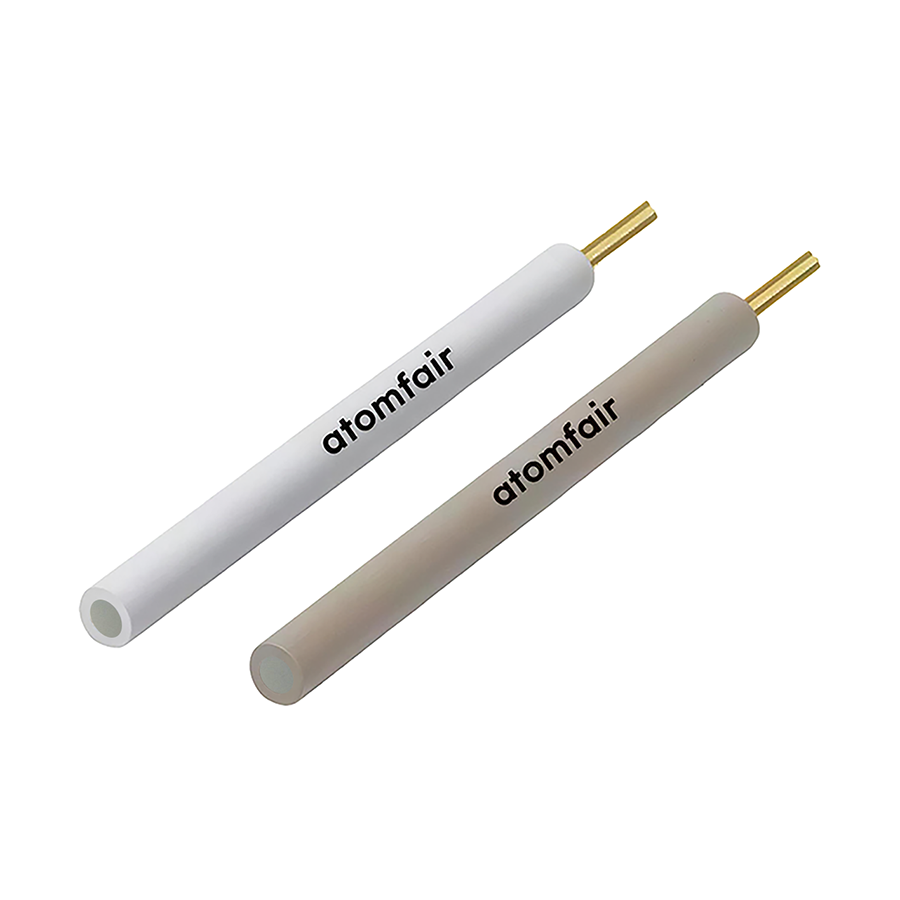
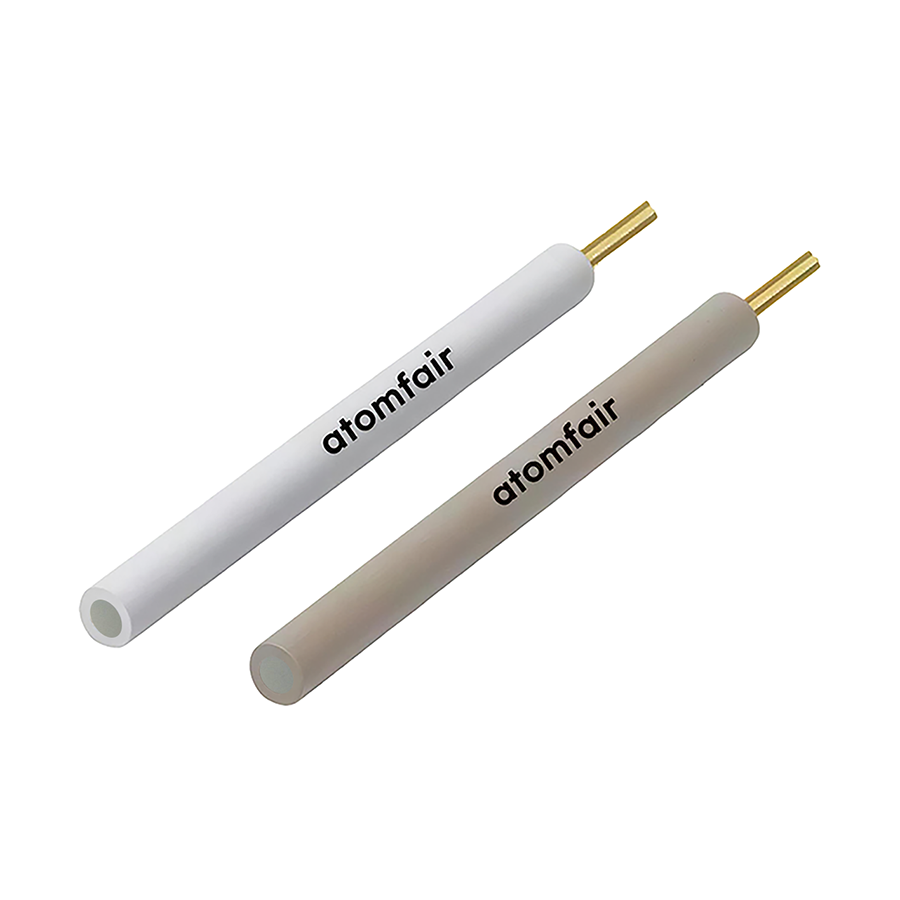
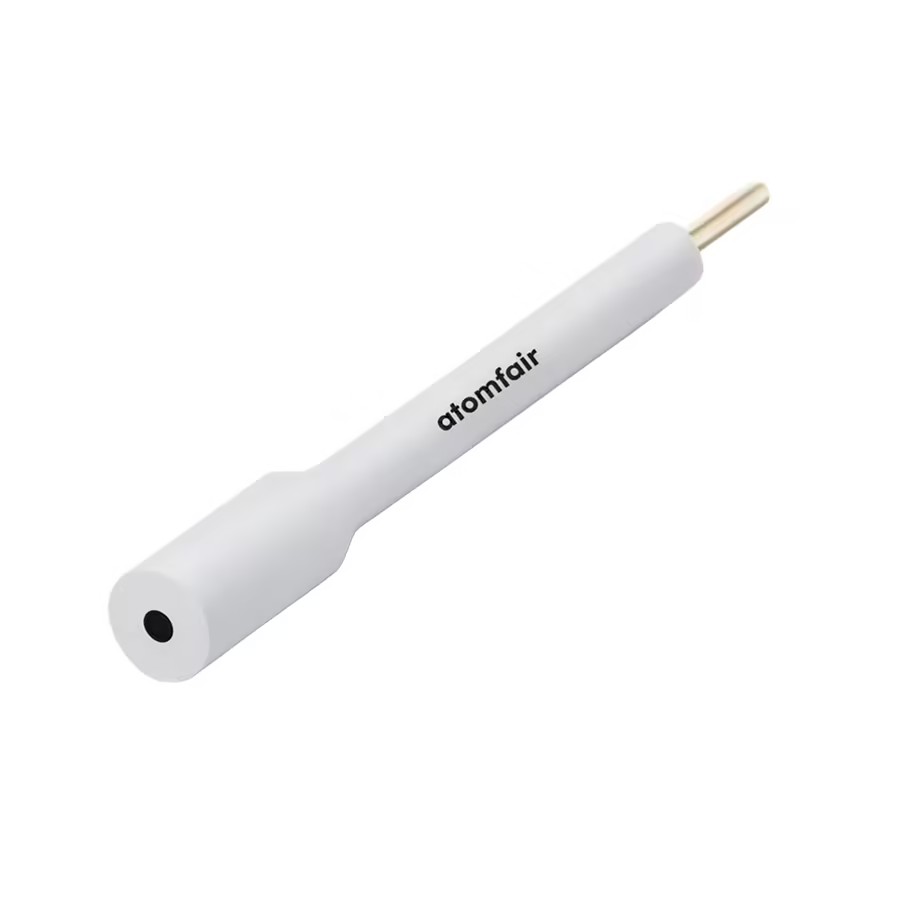
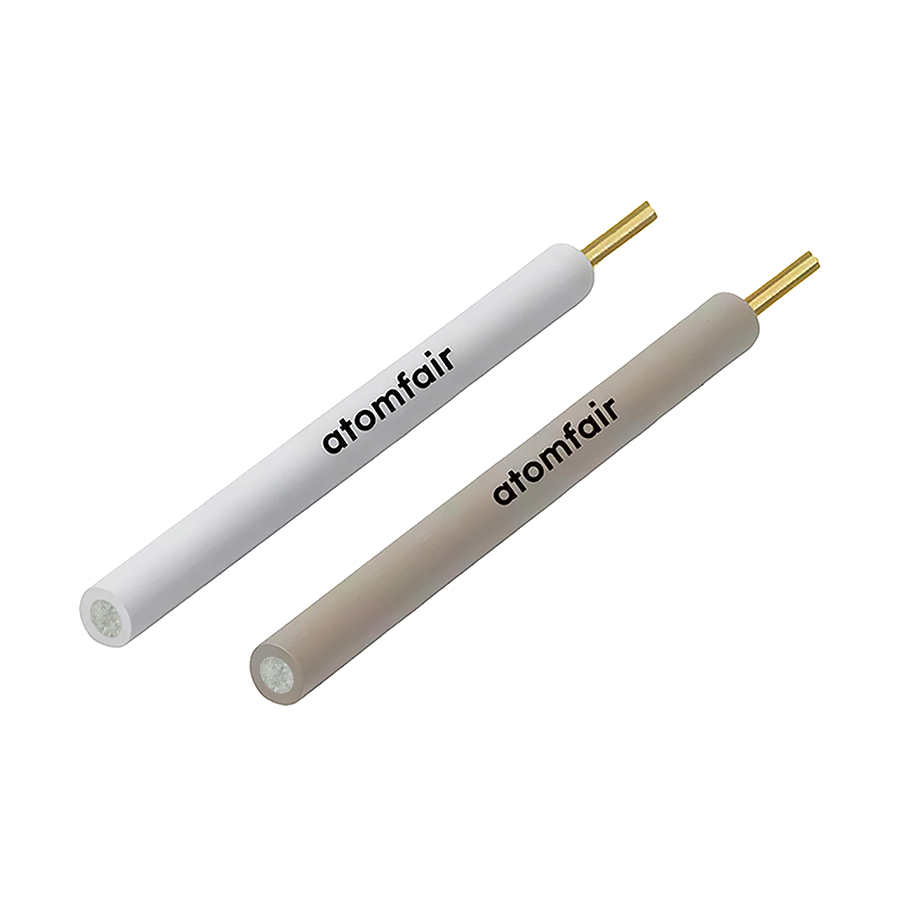
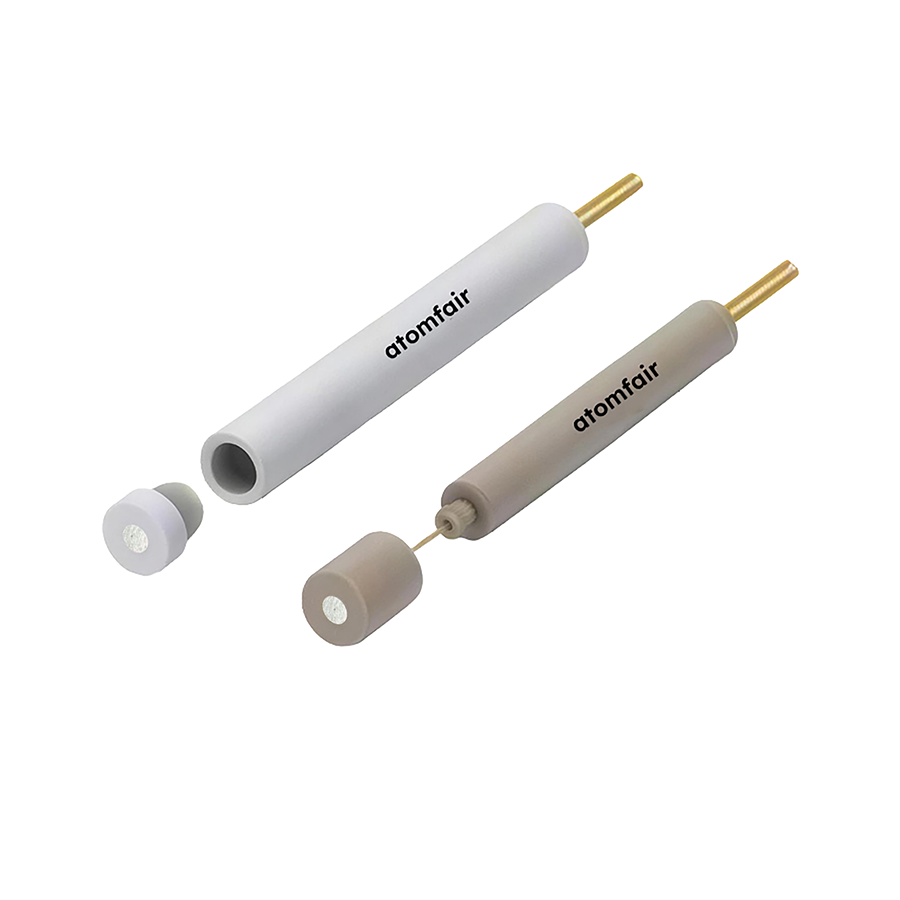
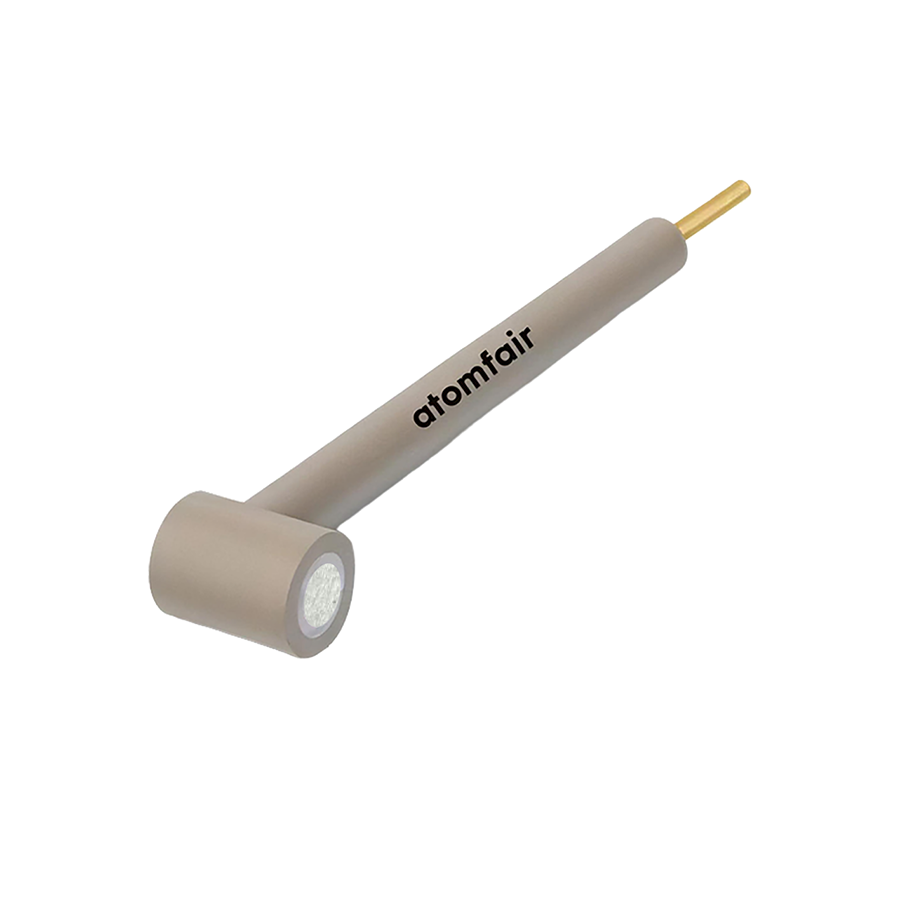
- Working Region Definition: The PTFE jacket defines the working region of the electrode, and immersion depth must not exceed the jacket boundary to avoid short-circuiting or damage.
How does the 0.3 mm sheet thickness of the ATOMFAIR platinum counter electrode affect its mechanical stability and current distribution compared to foil or mesh alternatives?
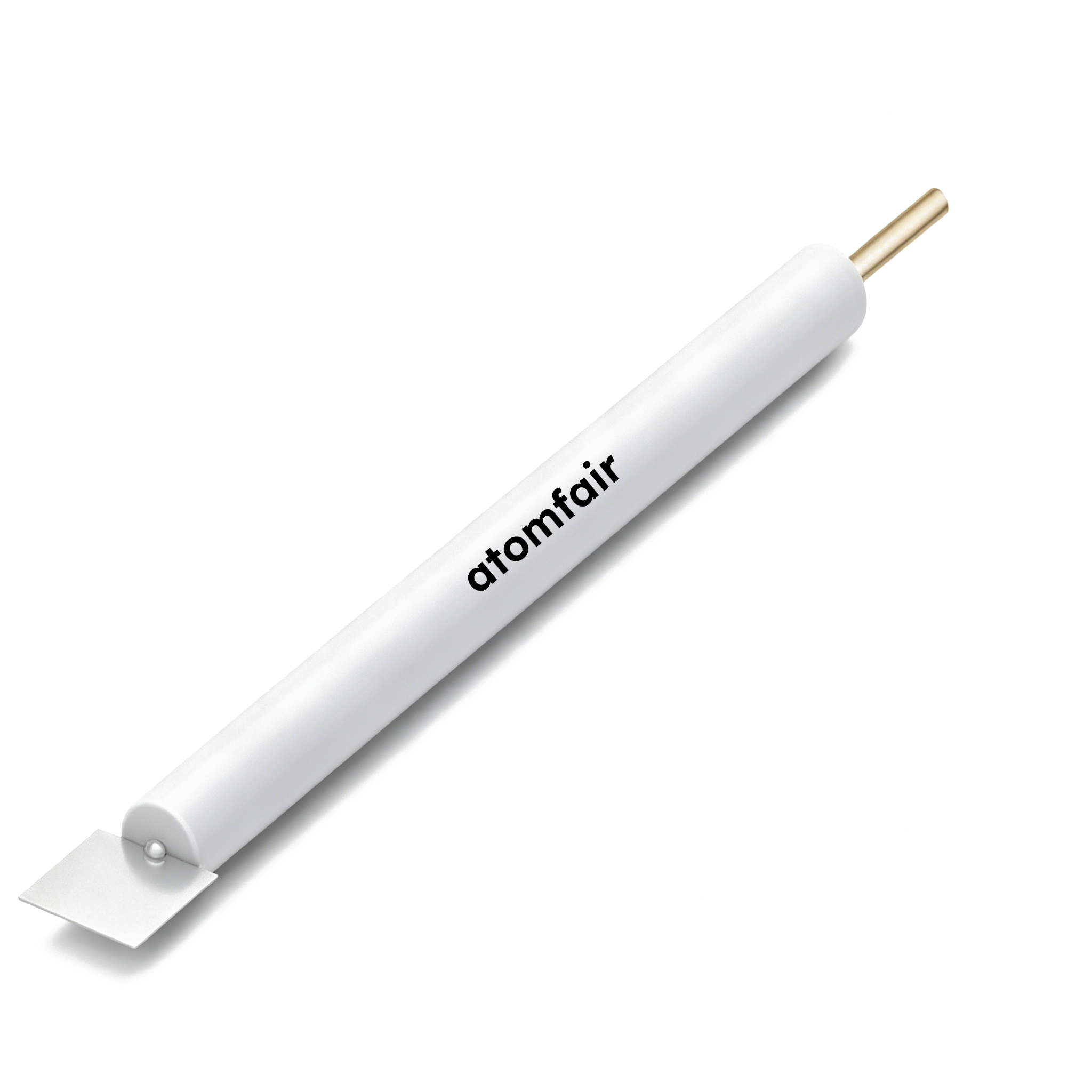
The 0.3 mm thick platinum sheet (99.99% purity) provides superior mechanical stability over wire or mesh designs while maintaining a large, stable surface area for efficient current distribution. The sheet geometry minimizes bending or deformation under high current density, and the PTFE jacket defines the working region and protects the electrical connection, ensuring reproducible performance in two- and three-electrode systems.
How do I select the correct platinum sheet dimension from the 5×5 mm to 30×30 mm range for my three-electrode cell configuration?
The selection should match the working electrode area and desired current capacity. The available dimensions (5×5, 5×10, 10×10, 10×15, 10×20, 10×30, 15×15, 20×20, 30×30 mm) allow precise matching to virtually any cell configuration. For most experiments, use a counter electrode area at least equal to the working electrode area to avoid current limitations. Custom dimensions are also available for specialized setups.
What are the recommended storage and handling conditions for the ATOMFAIR platinum sheet counter electrode to prevent contamination?
The product is highly sensitive to surface contamination. Keep containers tightly sealed or handle exclusively within an anhydrous inert environment to prevent phase contamination or degradation before electrochemical validation. The PTFE jacket protects the electrical connection, but any contamination on the platinum surface can compromise reproducibility and increase background currents.
The ATOMFAIR Platinum Sheet Counter Electrode (0.3 mm thick, 99.99% purity) provides a large, stable surface area across dimensions from 5×5 mm to 30×30 mm for efficient current distribution in two- and three-electrode systems, but requires strict handling in anhydrous inert environments to prevent surface contamination.
Positive
- Large Geometric Surface Area: Sheet configuration provides substantial active area, enabling high current capacity and stable performance over extended experiments.
- High-Purity Platinum (99.99%): Minimizes contamination and ensures highly reproducible electrochemical behavior across experiments.
Trade-offs
- Surface Contamination Sensitivity: This product is highly sensitive to surface contamination; must be handled exclusively within an anhydrous inert environment to prevent degradation before use.
Every advanced material, component, equipment, and instrument in our catalog is backed by rigorous testing. We maintain strict internal quality management frameworks and align with CE conformity metrics to deliver transparent, reproducible performance data via our public open-science repository.
To request raw batch performance data, submit formal vendor registration paperwork, or execute a fast-turnaround R&D manufacturing loop, contact us at inquiry@atomfair.com.
Item is dispatched under the Atomfair Shipping & Delivery Framework (Free worldwide shipping on orders over $59 USD excl. heavy equipment). Return is governed by the Atomfair Return & Refund Policy (7-day technical return window).