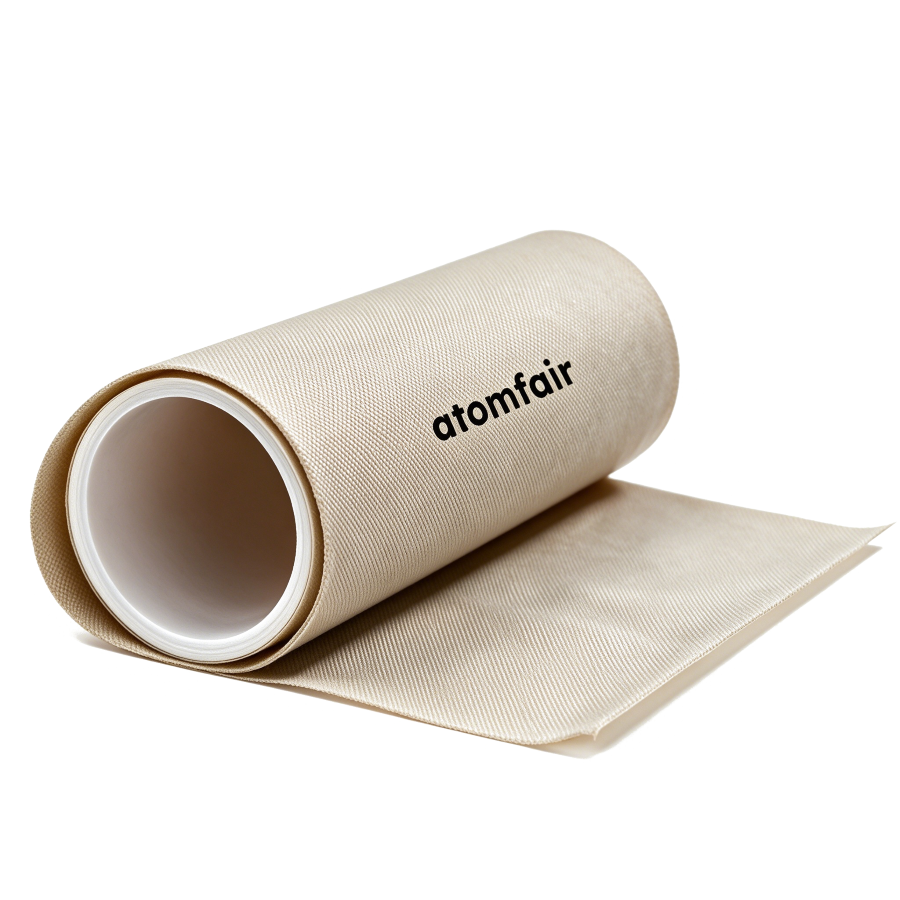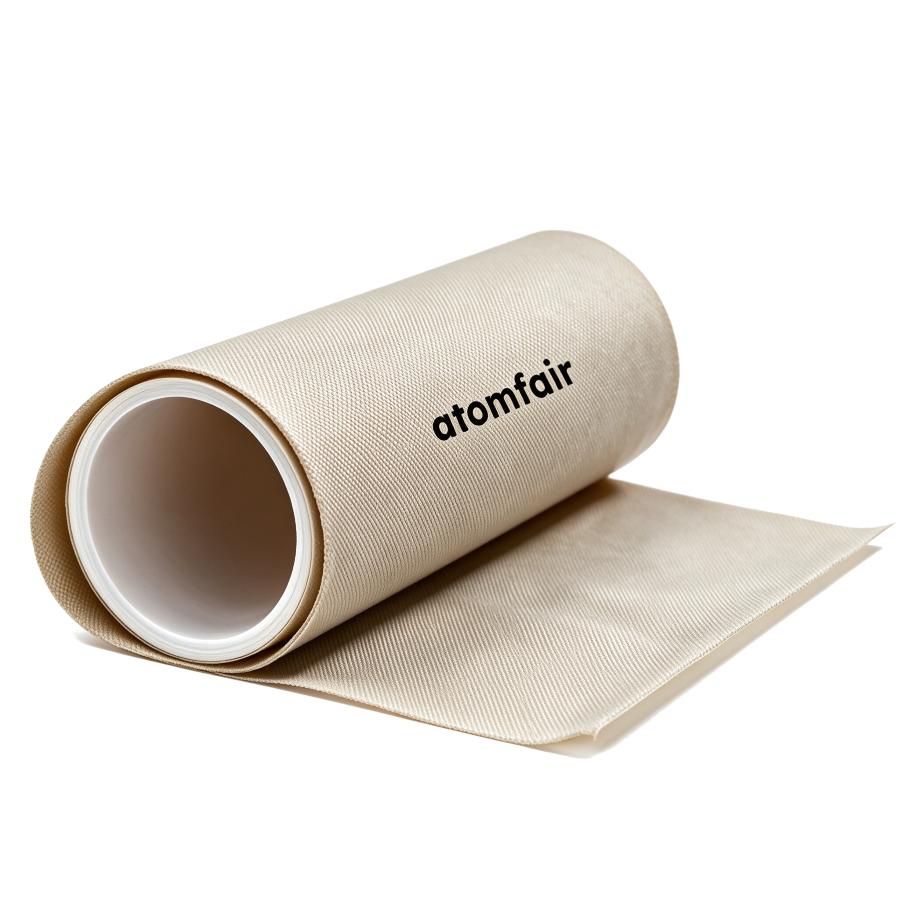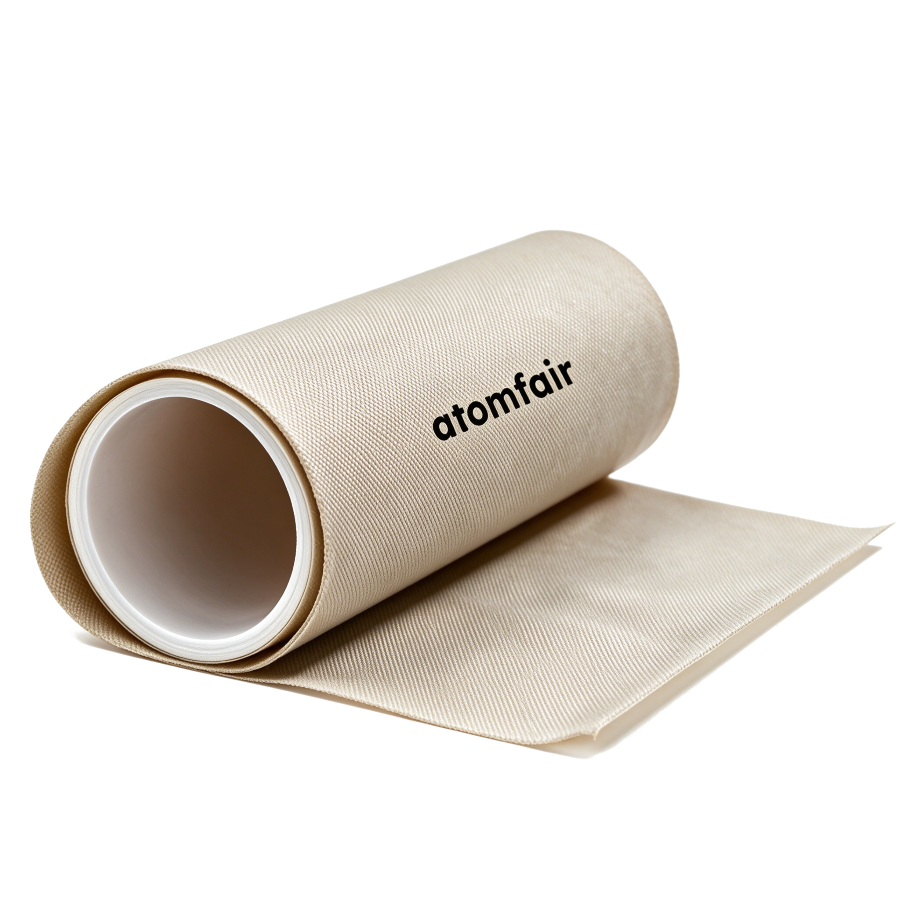
PPS Alkaline Water Electrolysis Separator Membrane – Heavy Duty TypeProduct Type: AEM membrane
commercial-grade product
|
|||||||||||||||||||||||||||||||||||||||||
|
|||||||||||||||||||||||||||||||||||||||||
|
LABORATORY PROCUREMENT SUPPORT
For model selection, accessory matching, platform compatibility or configuration confirmation, contact our technical sales team.
E-MAIL: inquiry@atomfair.com
|
|||||||||||||||||||||||||||||||||||||||||
|
Manufacturer: Atomfair LLC
Brand: ATOMFAIR®
|
The membrane requires confirmation of construction type and cut size before procurement to ensure compatibility with electrolyzer assembly. Permanent hydrophilic treatment enables rapid wetting, but exposure to incompatible solvents or mechanical abrasion may compromise gas barrier performance.
- Construction confirmation: Confirm the required weave construction (plain-weave single-layer or twill double-layer/multilayer) during quotation to avoid mechanical mismatch in electrolyzer stack assembly.
- Size specification: Specify the exact sheet dimensions (width and length) before ordering, as non-standard cuts require separate engineering approval.
- Alkaline environment stability: This membrane is optimized for alkaline electrolysis and may degrade in acidic or organic electrolyte environments without explicit compatibility testing.
- Gas barrier integrity: Maintain airtightness above 500 mm H2O by avoiding punctures, folds, or compressive damage during handling and stack assembly.
Inspect the membrane for physical damage before installation to ensure airtightness and mechanical integrity. Align the sheet in the electrolyzer stack with consistent tension to prevent wrinkling or distortion.
Required Equipment: Clean, lint-free gloves, Flat, non-abrasive work surface
- Inspect membrane
Inspect the PPS membrane sheet for visible tears, creases, or contamination before handling. - Transfer to work surface
Transfer the membrane onto a clean, dry, non-abrasive work surface to avoid mechanical damage. - Cut to size if needed
Cut the membrane to the required dimensions using a sharp, clean blade if non-standard size is needed. - Pre-wet the membrane
Immerse the membrane in deionized water or 30% KOH solution for at least 10 seconds to achieve complete wetting. - Position in stack
Align the wetted membrane centrally within the electrolyzer stack frame, ensuring no folds or air pockets. - Clamp and tension
Apply uniform clamping pressure across the stack to maintain consistent membrane tension and gas seal.
How does the membrane resistance of the AF-PPS-1100 at 60°C affect alkaline electrolyzer efficiency?
The AF-PPS-1100 membrane offers a membrane resistance of ≤0.8 Ω·cm² at 60°C, which minimizes ohmic losses and supports high ionic conductivity in alkaline electrolysis. This low resistance directly contributes to improved energy efficiency by reducing voltage drop across the separator, a critical parameter for electrolyzer stack performance.
What are the mechanical and gas barrier constraints when integrating this PPS membrane into an alkaline electrolyzer stack?
The AF-PPS-1100 provides warp/weft tensile strength ≥3500 N/5cm and airtightness ≥500 mmH₂O, ensuring robust mechanical integrity and effective gas separation under operating pressures. Its heavy-duty plain-weave or twill construction resists metal particle penetration, but the maximum effective width is ≤2500 mm and piece length ≤2000 mm, which may constrain stack design for larger-scale systems.
What handling and wetting requirements are needed for the AF-PPS-1100 membrane before installation?
The membrane features a permanent hydrophilic surface with a water absorption time ≤10 seconds, enabling rapid wetting and sustained electrolyte retention without pre-treatment. However, its 1.7 mm thickness and 1100 g/m² grammage require careful handling to avoid creasing or damage, and non-standard cut sizes must be confirmed via email quotation before procurement.
The AF-PPS-1100 heavy-duty PPS separator membrane delivers a balanced combination of high gas barrier (≥500 mmH₂O), low membrane resistance (≤0.8 Ω·cm² at 60°C), and rapid wetting (≤10 s water absorption), making it suitable for alkaline electrolyzer applications requiring mechanical robustness and sustained electrolyte retention.
Positive
- High gas barrier and low resistance: Airtightness ≥500 mmH₂O ensures effective gas separation, while membrane resistance ≤0.8 Ω·cm² at 60°C supports efficient ion transport, reducing ohmic losses in the electrolyzer.
- Permanent hydrophilic treatment for wetting: Water absorption time ≤10 seconds confirms rapid and sustained electrolyte wetting, critical for maintaining consistent ionic conductivity and preventing dry spots during operation.
Trade-offs
- Thick membrane increases cell spacing: At 1.7 mm thickness, this heavy-duty separator increases electrode gap compared to thinner alternatives, potentially raising overall cell voltage and reducing system efficiency in compact stack designs.
- Construction variability requires pre-order confirmation: Available in plain-weave single-layer or twill double-layer/multilayer constructions; the unspecified default means buyers must confirm construction type before quotation, adding a step to procurement.
Every advanced material, component, equipment, and instrument in our catalog is backed by rigorous testing. We maintain strict internal quality management frameworks and align with CE conformity metrics to deliver transparent, reproducible performance data via our public open-science repository.
To request raw batch performance data, submit formal vendor registration paperwork, or execute a fast-turnaround R&D manufacturing loop, contact us at inquiry@atomfair.com.
Item is dispatched under the Atomfair Shipping & Delivery Framework (Free worldwide shipping on orders over $59 USD excl. heavy equipment). Return is governed by the Atomfair Return & Refund Policy (7-day technical return window).