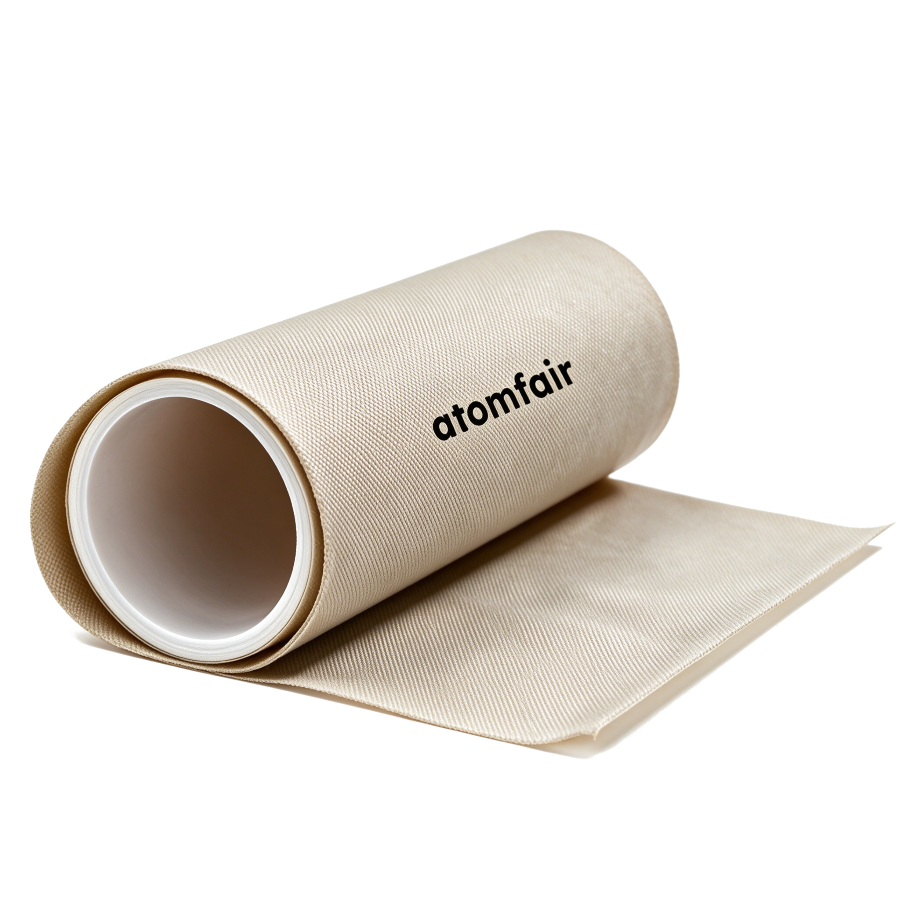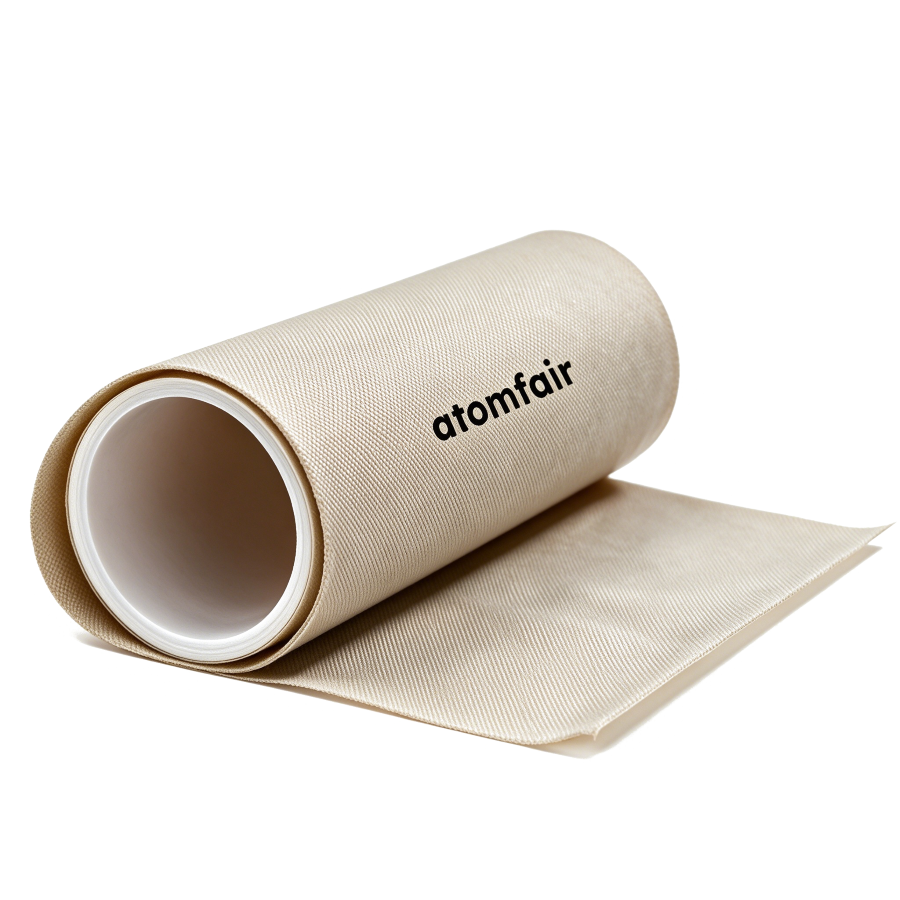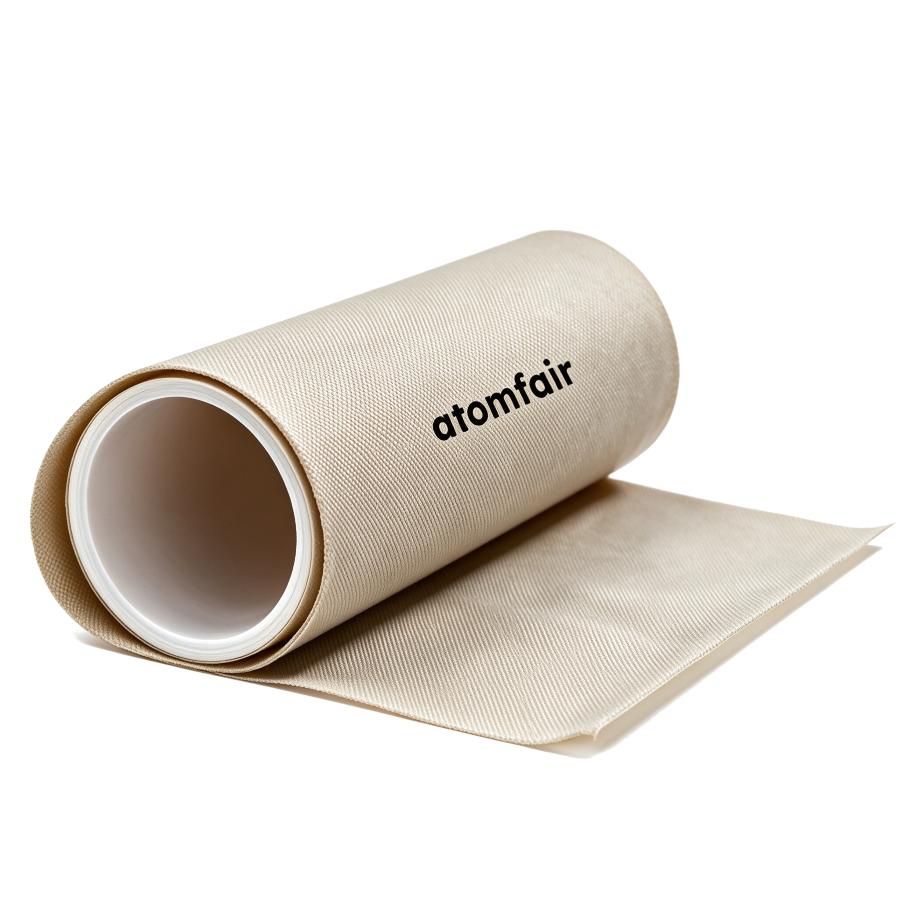
PPS Alkaline Water Electrolysis Separator Membrane – Medium Thickness TypeProduct Type: AEM membrane
commercial-grade product
|
|||||||||||||||||||||||||||||||||||||||||
|
|||||||||||||||||||||||||||||||||||||||||
|
LABORATORY PROCUREMENT SUPPORT
For model selection, accessory matching, platform compatibility or configuration confirmation, contact our technical sales team.
E-MAIL: inquiry@atomfair.com
|
|||||||||||||||||||||||||||||||||||||||||
|
Manufacturer: Atomfair LLC
Brand: ATOMFAIR®
|
The membrane must be stored in a dry, clean environment to prevent contamination or mechanical damage to the hydrophilic surface. Permanent hydrophilic modification ensures consistent wetting, but prolonged exposure to high humidity or direct UV light may degrade the PPS fiber matrix.
- Alkaline Electrolyte Compatibility: Confirm membrane compatibility with the specific alkaline electrolyte concentration and operating temperature, as permanent hydrophilic treatment may degrade under extreme pH or thermal cycling beyond the stated limits.
- Mechanical Handling Risk: Avoid creasing, folding, or puncturing the membrane during installation, as the woven PPS structure can delaminate or tear under sharp bending stress.
This procedure describes the safe handling and positioning of a 1 m x 1 m PPS separator membrane sheet into an alkaline electrolyzer stack. Proper installation ensures optimal gas barrier performance and prevents mechanical damage during assembly.
Required Equipment: Clean, non-abrasive work surface, Electrolyzer stack frame with gasket, Deionized water spray bottle
- Inspect the received membrane sheet
Inspect the membrane for visible defects, creases, or contamination before unpacking it on a clean, dry surface. - Pre-wet the membrane
Spray the membrane evenly with deionized water until fully saturated and allow it to rest until water absorption time under 10 seconds is confirmed. - Position the membrane onto the frame
Align the pre-wetted membrane centrally over the electrolyzer stack frame, ensuring it lays flat without wrinkles or folds. - Secure the membrane with gasket
Place the gasket uniformly over the membrane edges and tighten the frame bolts to the manufacturer-specified torque to avoid over-compression. - Verify gas barrier integrity
Conduct an airtightness test to confirm a pressure hold of at least 700 mmH₂O before introducing electrolyte.
How does the 1.0 mm thickness of the PPS membrane affect the trade-off between gas barrier and ionic conductivity?
The 1.0 mm medium-thickness design provides a balanced combination of high gas barrier and low ionic resistance. The source specifies airtightness ≥700 mmH₂O for effective hydrogen/oxygen separation and membrane resistance ≤0.28 Ω·cm² at 60°C for efficient ion conduction. This thickness also supports tensile strength ≥1800 N/5cm in both machine and cross directions, ensuring mechanical robustness.
What construction options are available for this PPS membrane and how should they be selected for an alkaline electrolyzer?
The membrane is available in plain-weave single-layer or twill double-layer/multilayer constructions. The source states that the required construction must be confirmed before quotation, indicating that the choice depends on specific electrolyzer requirements such as gas barrier, mechanical strength, and durability. The product listing supplies a single-layer sheet, but other constructions can be quoted upon request.
What wetting and operational characteristics should be considered when handling this hydrophilic PPS membrane?
The membrane features permanent hydrophilic modification with a water absorption time of ≤10 seconds, ensuring rapid electrolyte penetration. The source specifies membrane resistance at 60°C, suggesting typical operation around that temperature for optimal ion conduction. Standard packaging and shipping conditions apply, and the membrane should be stored dry to maintain its hydrophilic properties until use.
This 1.0 mm thick PPS alkaline water electrolysis separator membrane offers a balanced combination of mechanical strength (≥1800 N/5 cm tensile), low membrane resistance (≤0.28 Ω·cm² at 60°C), and high gas barrier (≥700 mmH₂O airtightness), making it suitable for efficient hydrogen/oxygen separation in alkaline electrolyzers.
Positive
- High gas barrier for gas separation: Airtightness ≥700 mmH₂O ensures superior hydrogen/oxygen separation, critical for electrolyzer safety and efficiency.
- Low membrane resistance at 60°C: Membrane resistance ≤0.28 Ω·cm² at 60°C enables efficient ionic conduction, reducing ohmic losses during operation.
Trade-offs
- Thickness tolerance may affect stack uniformity: Thickness of 1.0±0.10 mm introduces variability that could impact compression uniformity in multi-cell stack assemblies.
- Standard sheet size limits direct integration: Supplied as a 1 m x 1 m sheet; non-standard sizes require separate quotation, potentially delaying procurement for custom electrolyzer designs.
Every advanced material, component, equipment, and instrument in our catalog is backed by rigorous testing. We maintain strict internal quality management frameworks and align with CE conformity metrics to deliver transparent, reproducible performance data via our public open-science repository.
To request raw batch performance data, submit formal vendor registration paperwork, or execute a fast-turnaround R&D manufacturing loop, contact us at inquiry@atomfair.com.
Item is dispatched under the Atomfair Shipping & Delivery Framework (Free worldwide shipping on orders over $59 USD excl. heavy equipment). Return is governed by the Atomfair Return & Refund Policy (7-day technical return window).