Multifunctional Combination Nickel Working Electrode Series | ATOMFAIRRESEARCH GRADE INSTRUMENT
|
|||||||||||||||||||||||
|
|||||||||||||||||||||||
|
TAILORED SOLUTIONS FOR RESEARCH
Contact our engineering team for technical support or official institutional quotations.
EMAIL: inquiry@atomfair.com
|
|||||||||||||||||||||||
|
Manufacturer: Atomfair LLC
Brand: ATOMFAIR®
|
|||||||||||||||||||||||
The electrode surface is highly sensitive to contamination and must be stored in a sealed container or handled exclusively within an anhydrous inert environment. Exposure to ambient moisture or oxygen prior to electrochemical validation can cause surface degradation and compromise experimental data.
- Surface Contamination Sensitivity: Keep containers tightly sealed or handle exclusively within an anhydrous inert environment to prevent phase contamination or degradation before electrochemical validation.
This procedure describes the safe handling and mounting of the multifunctional nickel working electrode for electrochemical or microscopic analysis. Proper surface preparation and inert environment handling are critical to maintain electrode integrity.
Required Equipment: Anhydrous inert gas glovebox or sealed transfer vessel, Polishing pad and alumina slurry (0.05 µm), Ultrasonic bath with deionized water, Electrode holder or mounting adapter for SEM/AFM
- Inspect the electrode surface
Inspect the nickel disk surface under an optical microscope for scratches, pits, or contamination before use. - Polish the electrode surface
Polish the nickel disk on a clean polishing pad with 0.05 µm alumina slurry using a figure-eight motion for 2 minutes. - Clean the electrode ultrasonically
Rinse the electrode with deionized water and sonicate in fresh deionized water for 5 minutes to remove residual alumina. - Dry under inert atmosphere
Dry the electrode under a stream of anhydrous inert gas and transfer immediately to a sealed container or glovebox. - Mount the electrode for measurement
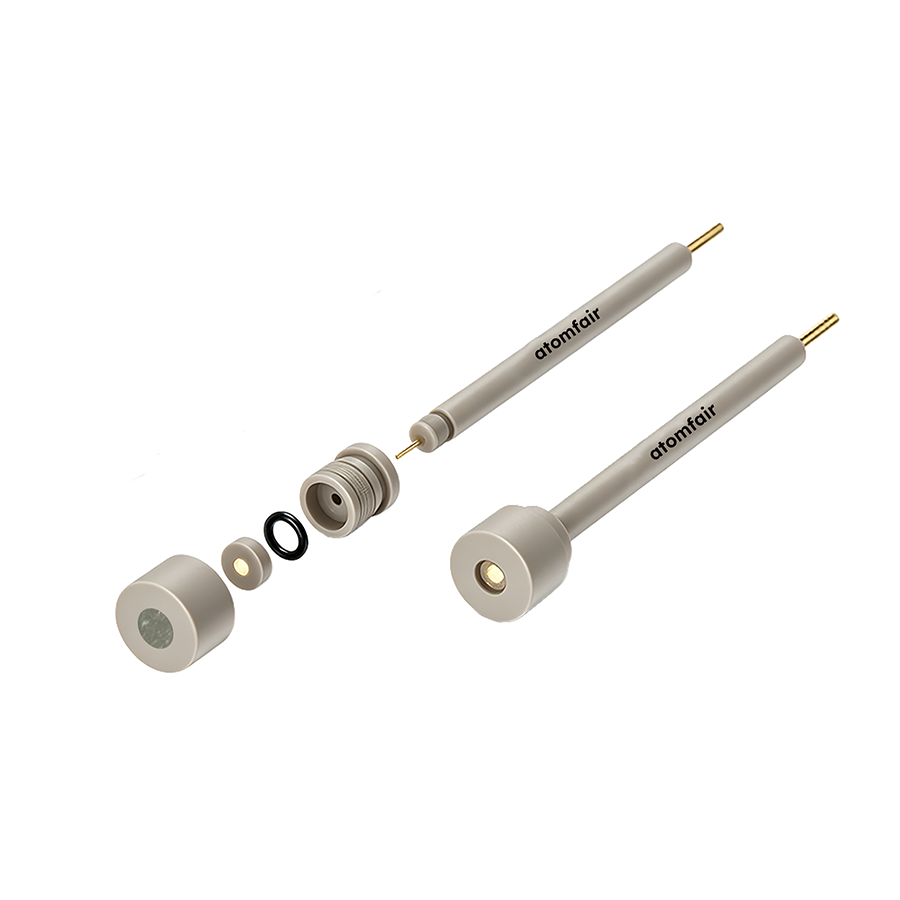
Mount the electrode head into the electrochemical cell or SEM/AFM stage using the appropriate adapter, ensuring electrical contact via the gold-plated copper rod. - Verify electrical continuity
Verify electrical continuity between the electrode surface and the potentiostat or microscope ground using a multimeter.
What are the practical trade-offs between selecting a 2 mm versus a 4 mm diameter for this nickel working electrode in correlative electrochemistry and microscopy experiments?
The diameter choice directly balances spatial resolution against signal strength: a 2 mm disk is optimized for micro‑electrode sensing and high‑resolution surface characterization, while a 4 mm disk delivers higher currents for macro‑electrode bulk electrolysis. The source explicitly states the electrode head thickness is less than 4 mm to support both conventional electrochemistry and direct SEM/AFM integration, so diameter selection should align with the dominant analytical mode.
Can this nickel working electrode be used with any commercial SEM or AFM stage, or are hardware modifications required?
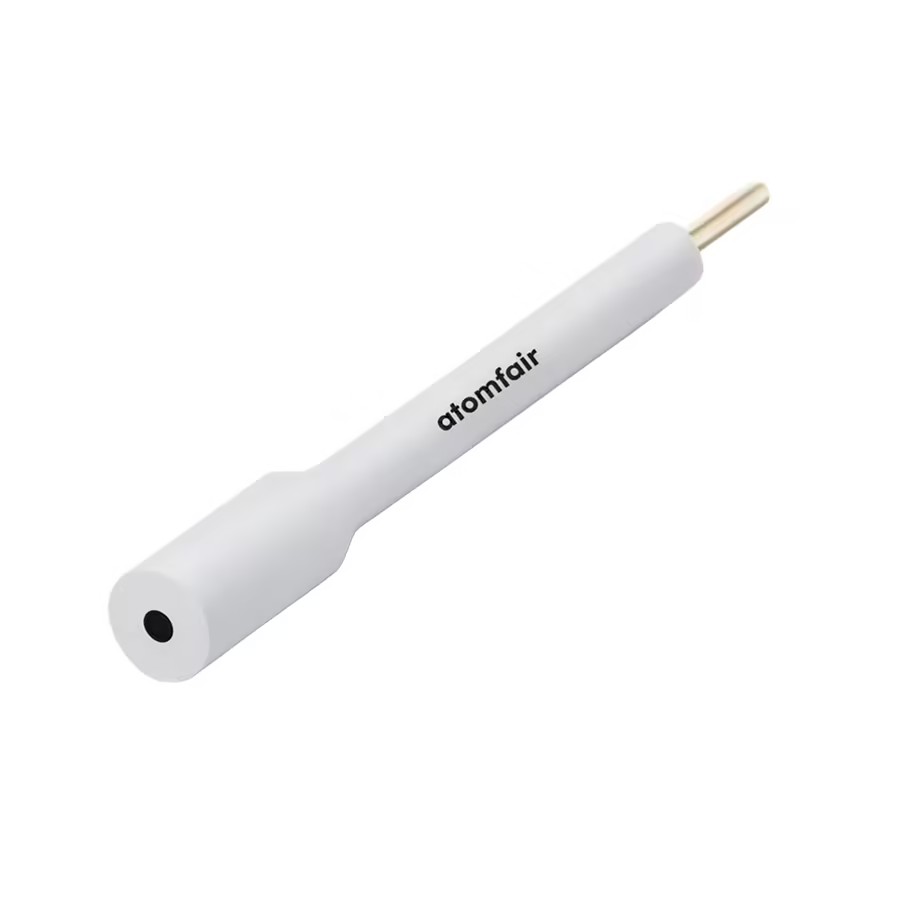
The electrode head thickness of less than 4 mm is designed to fit standard SEM and AFM mounting hardware, enabling direct integration without sample transfer. However, the gold‑plated copper connection rod (1.5×15 mm) may require compatible collets or adapters on specific stages. The source confirms dual‑purpose compatibility for conventional electrochemistry and high‑resolution microscopy, but does not guarantee universal fit, so researchers should verify stage clearance and connector dimensions.
What specific storage and handling protocols are required to preserve the nickel electrode surface integrity before electrochemical use?
The electrode is highly sensitive to surface contamination and must be kept sealed in its individual shock‑absorbing container at all times. Handling should be performed exclusively within an anhydrous inert environment (e.g., glovebox) to prevent phase contamination or degradation prior to electrochemical validation. The source explicitly states these protocols as mandatory to avoid compromising catalytic performance.
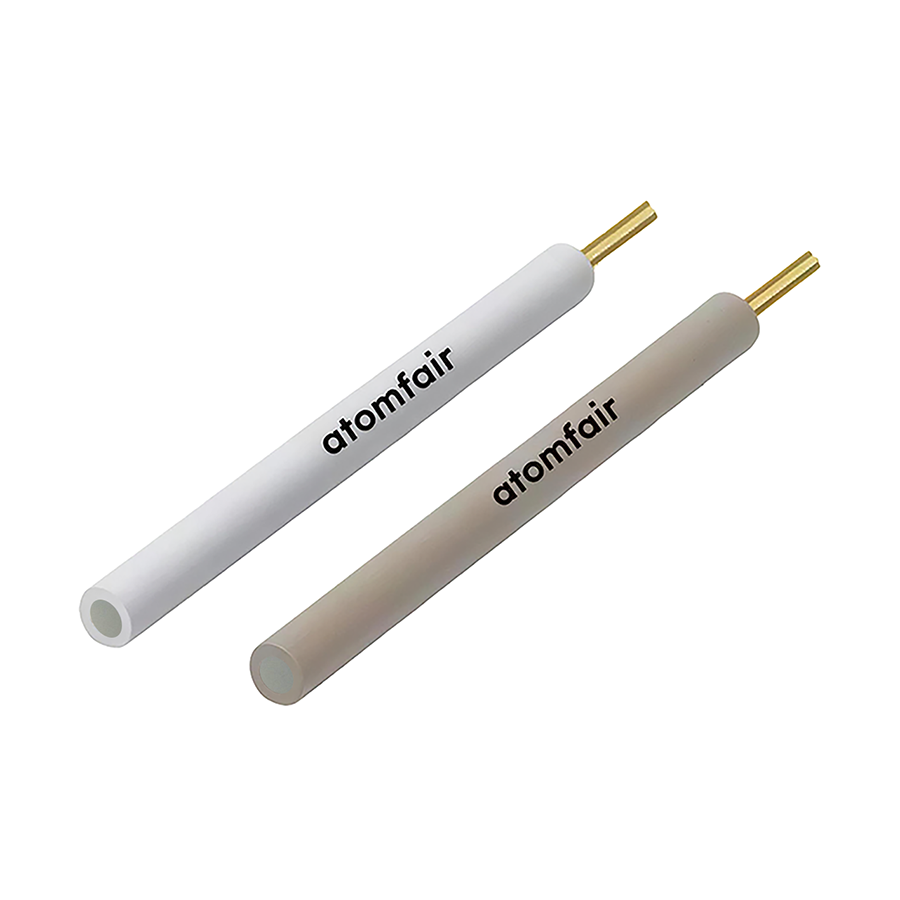
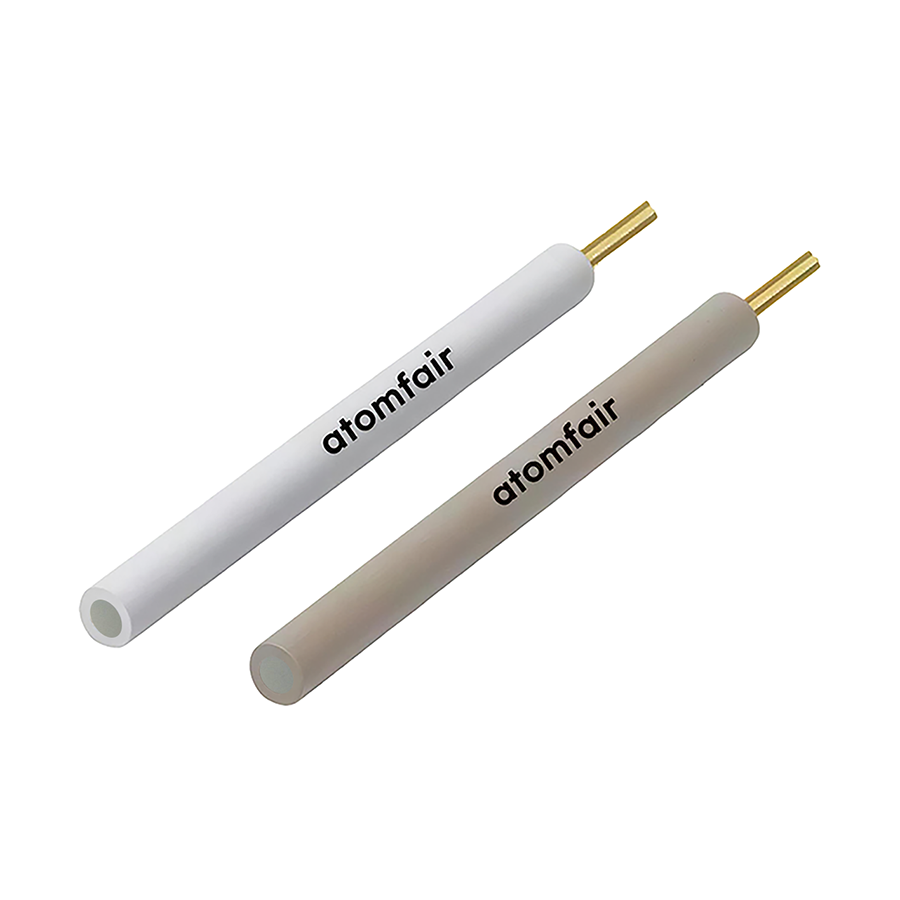
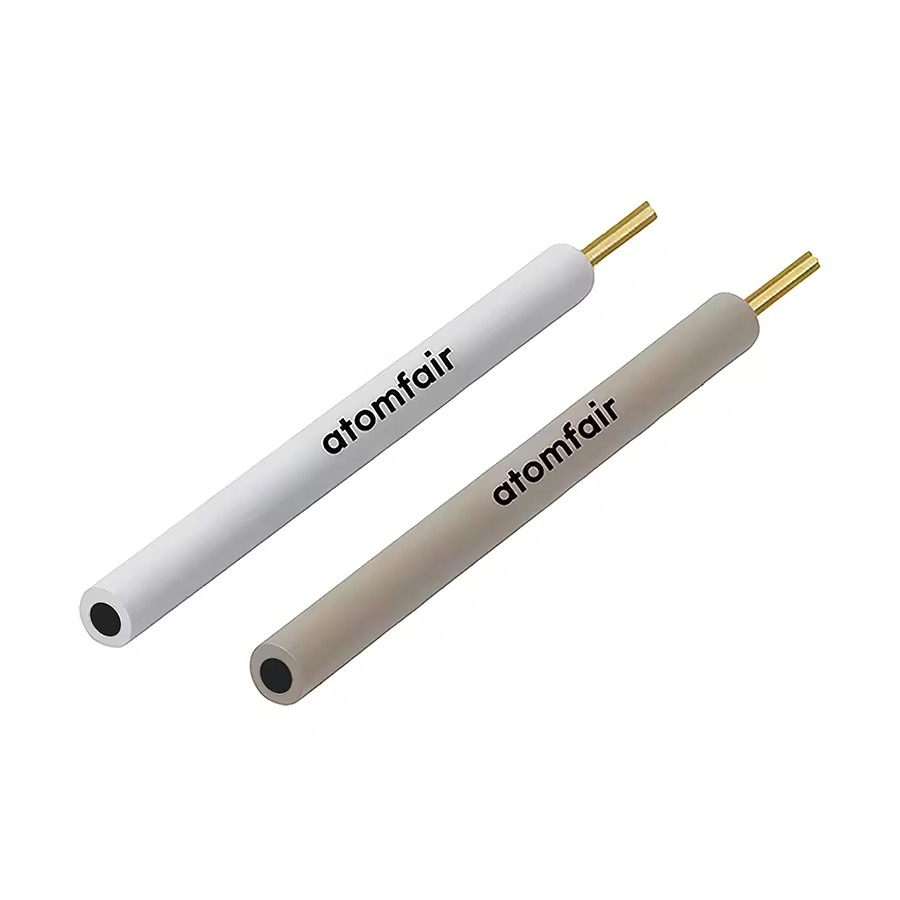
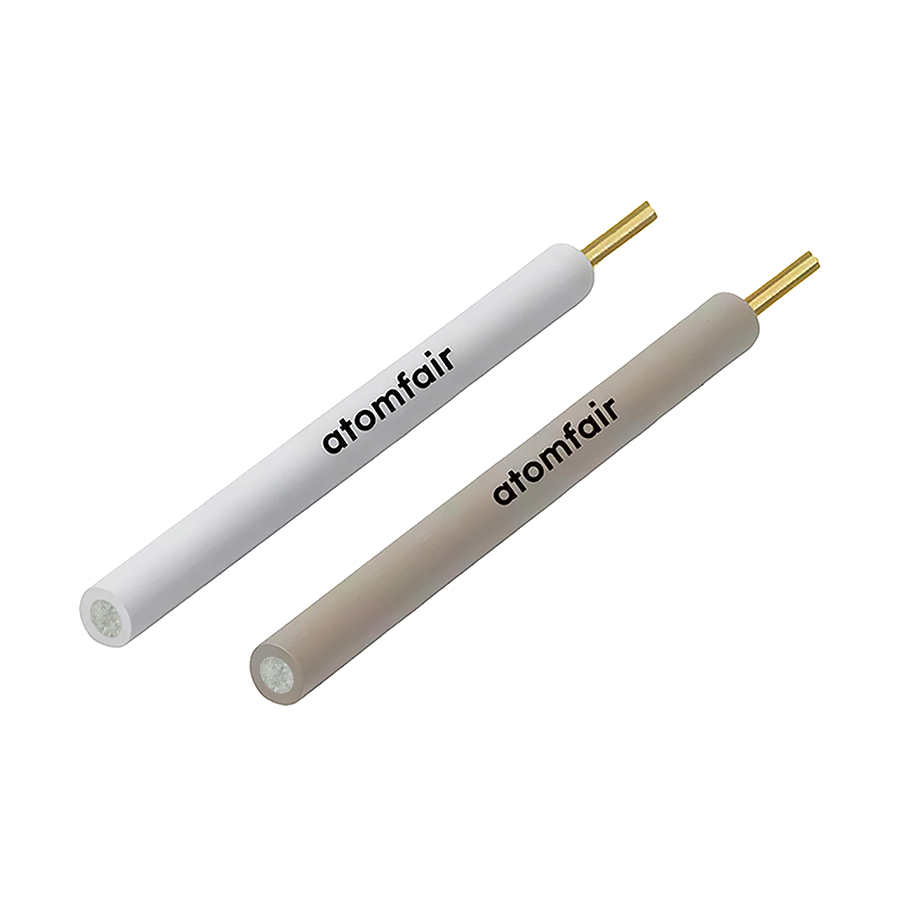
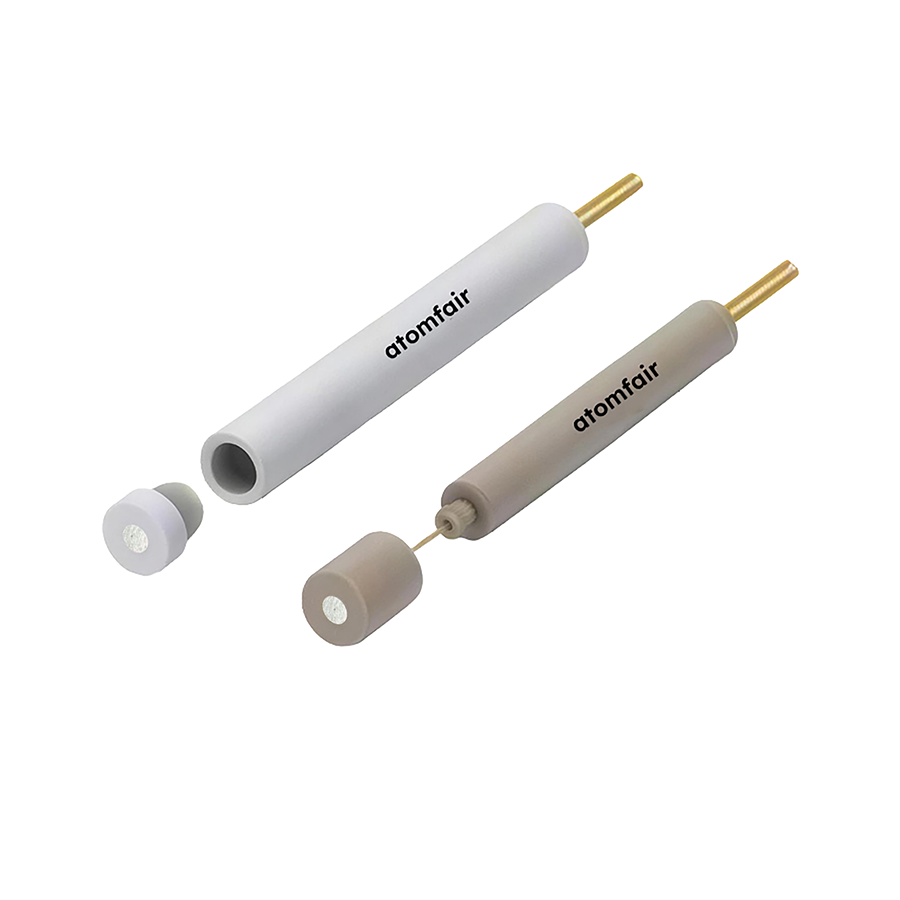
The ATOMFAIR Multifunctional Combination Nickel Working Electrode (SKU: AF-EC-E-NID8-CONF-STD2) is a simple-type product featuring a high-purity nickel disk (2–4 mm diameter) with a head thickness under 4 mm, enabling direct correlative electrochemical and SEM/AFM characterization on the same electrode surface without sample transfer.
Positive
- Correlative electrochemistry and microscopy: The electrode head thickness of less than 4 mm allows direct integration with SEM or AFM systems, enabling structural and topographical correlation with electrochemical data from the identical electrode location without sample transfer.
- Nickel catalytic activity for OER and alkaline systems: The high-performance nickel disk provides excellent catalytic activity for oxygen evolution and alkaline battery applications, making it suitable for demanding electrocatalytic research and battery development.
Trade-offs
- Surface contamination sensitivity: The product is highly sensitive to surface contamination; containers must be kept tightly sealed or handled exclusively within an anhydrous inert environment to prevent phase contamination or degradation before electrochemical validation.
- Limited diameter range for macro-scale electrolysis: The available diameter range of 2–4 mm restricts the electrode to micro-electrode sensing and small-scale bulk electrolysis, which may not be suitable for experiments requiring larger active surface areas.
Every advanced material, component, equipment, and instrument in our catalog is backed by rigorous testing. We maintain strict internal quality management frameworks and align with CE conformity metrics to deliver transparent, reproducible performance data via our public open-science repository.
To request raw batch performance data, submit formal vendor registration paperwork, or execute a fast-turnaround R&D manufacturing loop, contact us at inquiry@atomfair.com.
Item is dispatched under the Atomfair Shipping & Delivery Framework (Free worldwide shipping on orders over $59 USD excl. heavy equipment). Return is governed by the Atomfair Return & Refund Policy (7-day technical return window).