Multifunctional Combination Titanium Working Electrode Series | ATOMFAIRRESEARCH GRADE INSTRUMENT
|
|||||||||||||||||||||||
|
|||||||||||||||||||||||
|
TAILORED SOLUTIONS FOR RESEARCH
Contact our engineering team for technical support or official institutional quotations.
EMAIL: inquiry@atomfair.com
|
|||||||||||||||||||||||
|
Manufacturer: Atomfair LLC
Brand: ATOMFAIR®
|
|||||||||||||||||||||||
The titanium working electrode is highly sensitive to surface contamination, requiring storage in sealed containers and handling within an anhydrous inert environment. Phase contamination or degradation may occur if exposed to ambient atmosphere before electrochemical validation.
- Surface Contamination Sensitivity: The titanium disk surface must remain free of organic, particulate, or oxide contaminants to ensure accurate electrochemical measurements.
- Inert Atmosphere Handling: All opening and mounting steps must be performed inside an anhydrous inert glovebox to prevent atmospheric degradation.
- Storage Integrity: The electrode must be retained in its original sealed protective container at controlled room temperature and low humidity until use.
Follow these steps to safely prepare the titanium working electrode while maintaining surface integrity within an inert environment. Proper handling prevents contamination and ensures reliable electrochemical data.
Required Equipment: Anhydrous inert glovebox, Clean non-metallic tweezers, Electrochemical cell assembly
- Inspect container
Inspect the sealed protective container for any signs of damage or prior opening before transferring it into the inert environment. - Open under inert atmosphere
Open the container solely within an anhydrous inert glovebox to avoid exposing the titanium surface to moisture or oxygen. - Mount electrode
Mount the titanium working electrode into the electrochemical cell using clean tools, ensuring no direct contact with the sensing surface.
What is the performance trade-off between using a 2 mm versus a 4 mm diameter titanium working electrode in electrochemical measurements?
The trade-off is between spatial resolution and total current. A 2 mm diameter supports micro-electrode sensing with higher current density sensitivity, while a 4 mm diameter provides larger total current for macro-electrode bulk electrolysis. The product description specifies a diameter range of 2 mm to 4 mm to accommodate these different experimental scales.
Can the ATOMFAIR Multifunctional Combination Titanium Working Electrode be used directly in scanning electron microscopy (SEM) and atomic force microscopy (AFM) systems?
Yes, the electrode head thickness is less than 4 mm, which enables direct integration with SEM or AFM systems. According to the product description, this design allows correlative electrochemical-microscopic analysis on the identical electrode surface without sample transfer, bridging bulk electrochemistry and high-resolution surface characterization.
What storage and handling conditions are required to prevent surface contamination of the titanium working electrode?
The electrode is highly sensitive to surface contamination. The product important notice states that it must be stored in tightly sealed containers or handled exclusively within an anhydrous inert environment to prevent phase contamination or degradation before electrochemical validation.
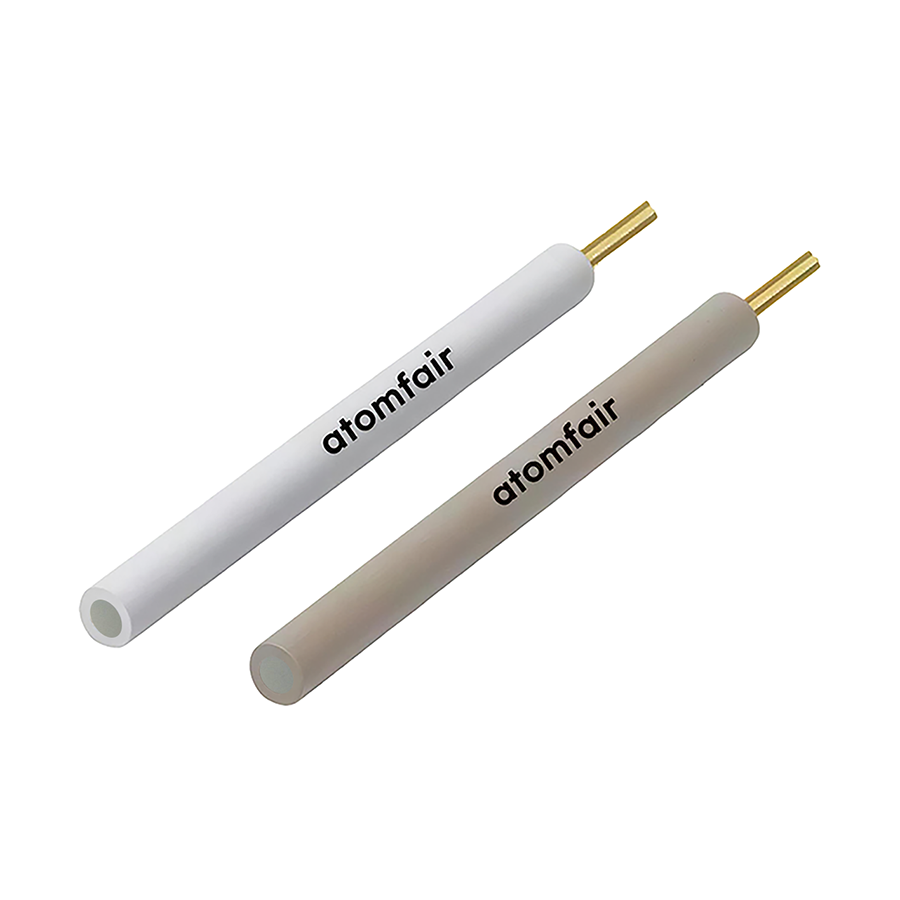
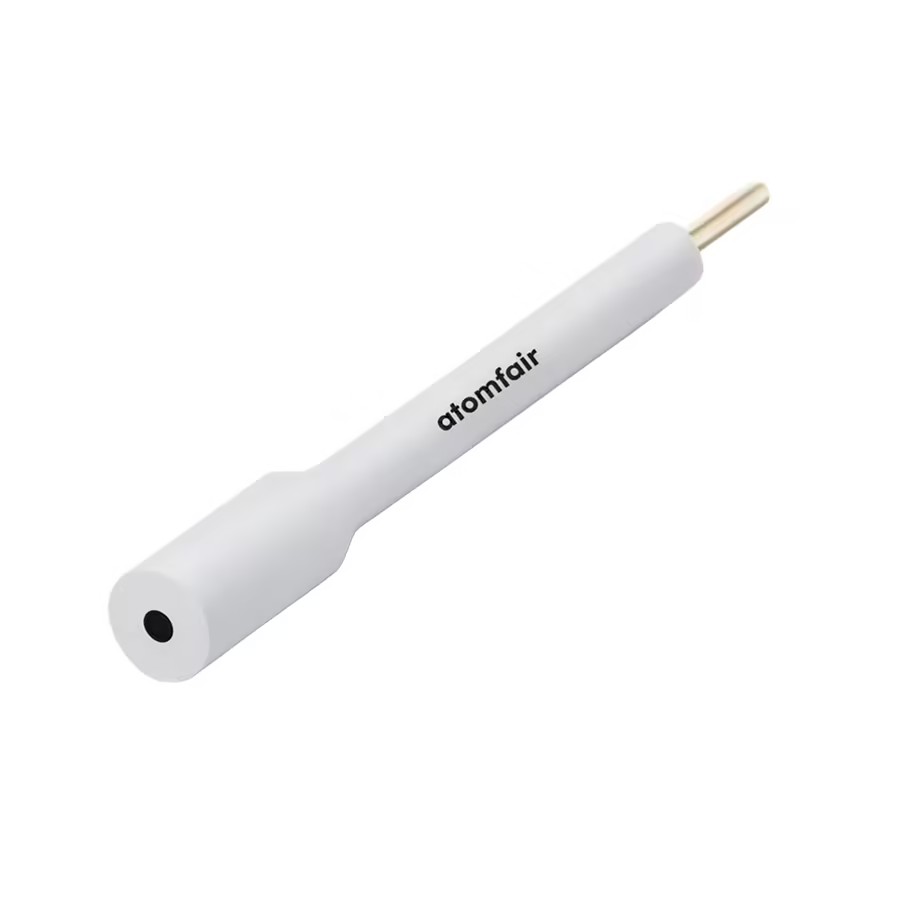
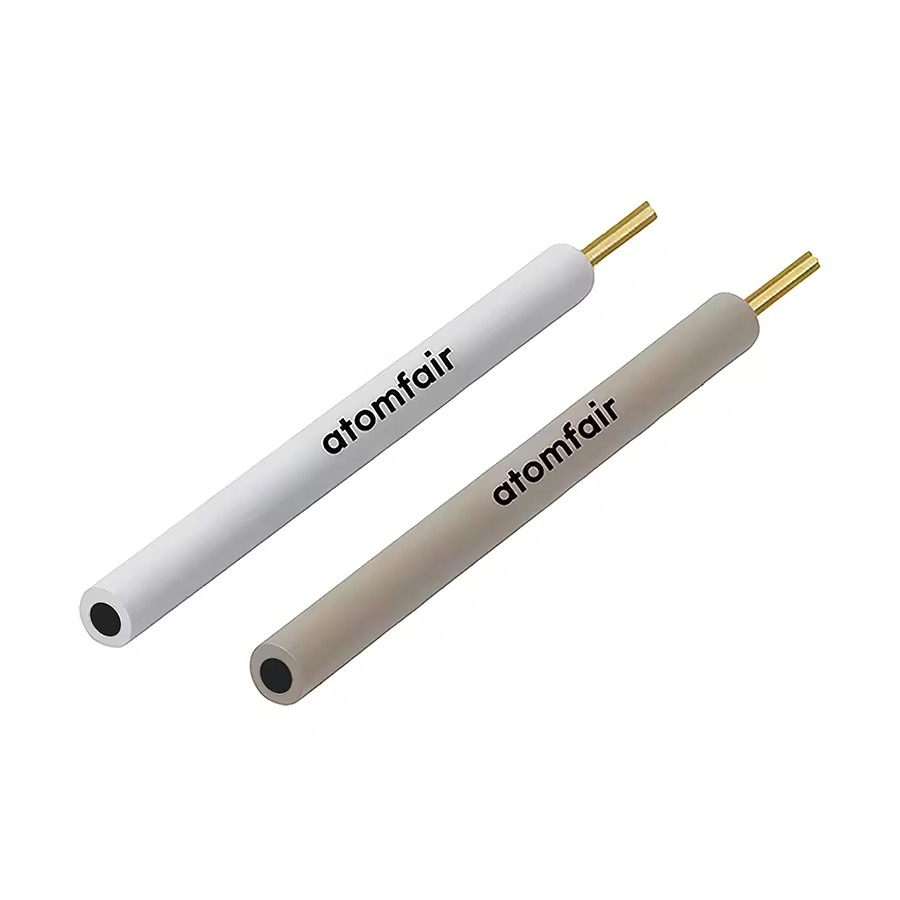
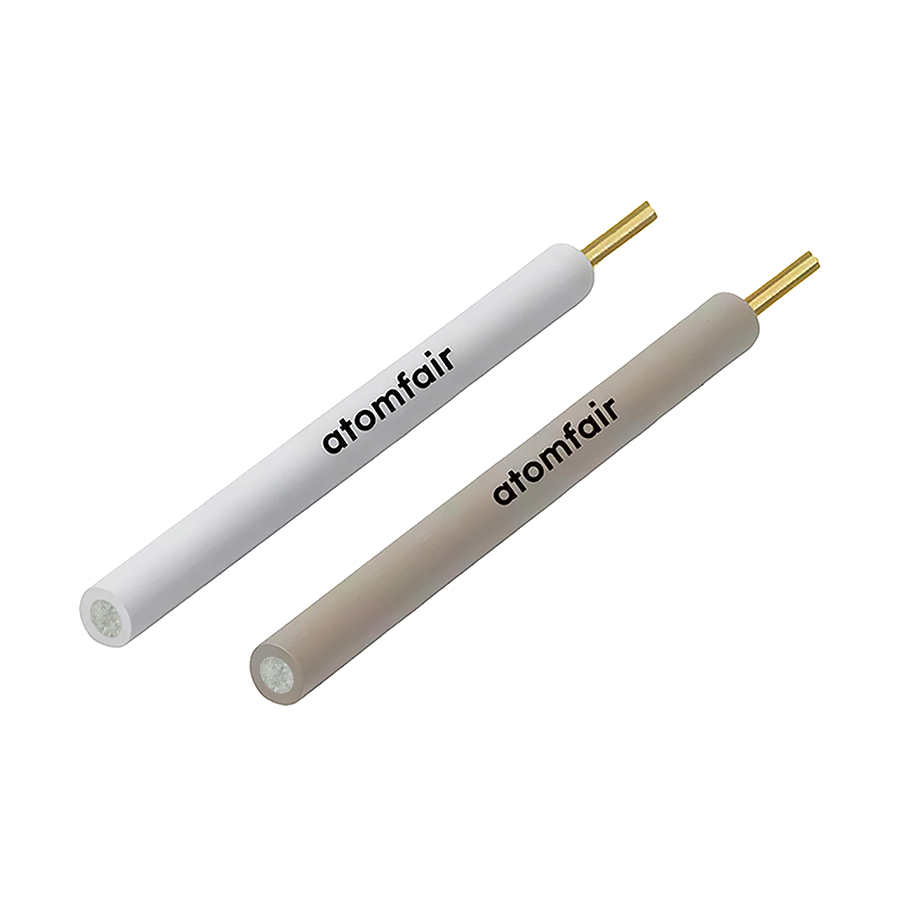
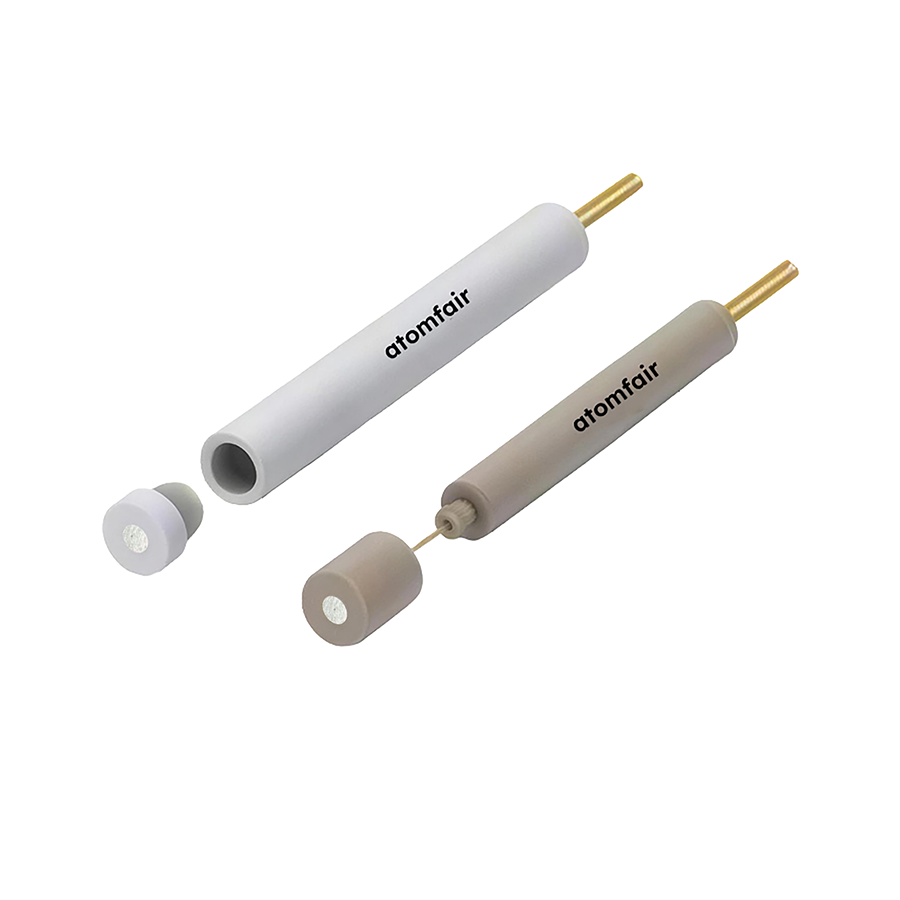
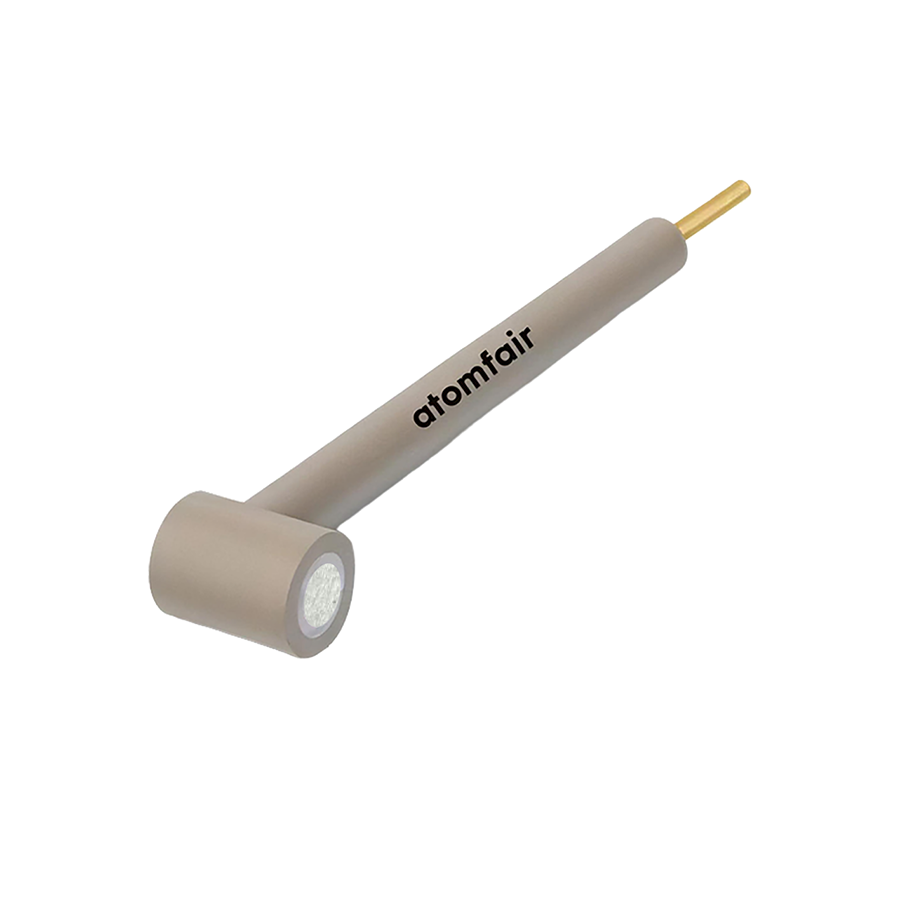
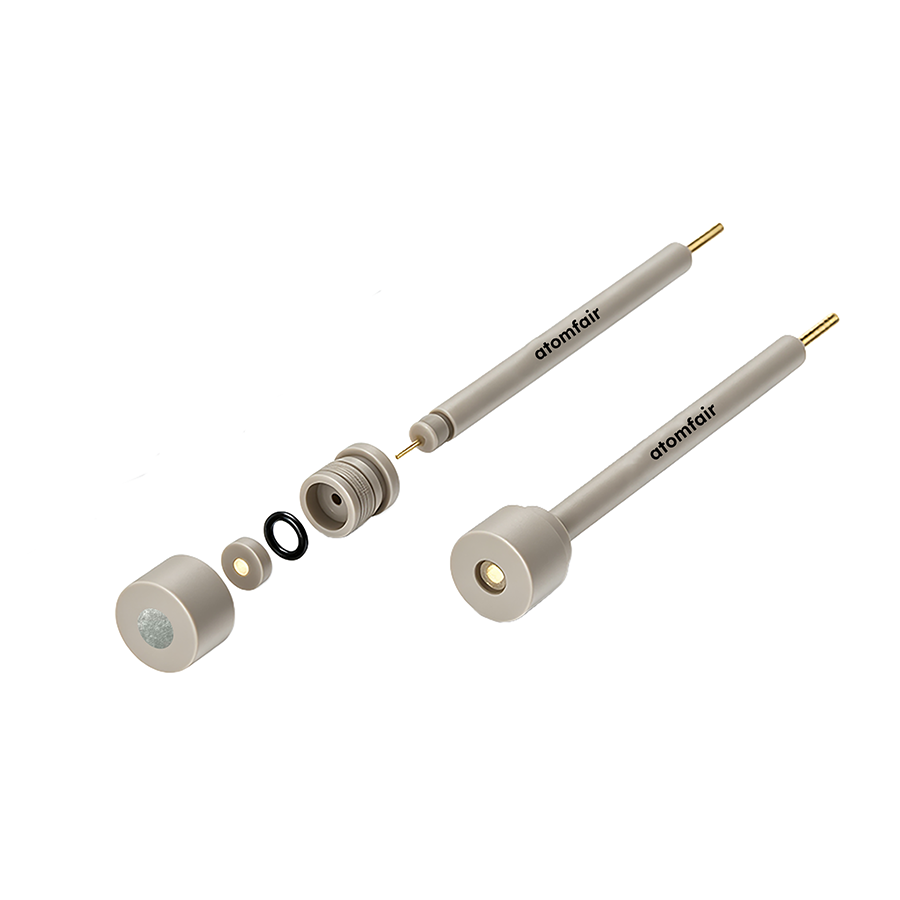
The Atomfair Multifunctional Combination Titanium Working Electrode (SKU: AF-EC-E-TI6D-CONF-STD2) is a specialized titanium disk electrode with a thickness under 4 mm, enabling dual use in conventional electrochemistry and high-resolution surface imaging (SEM/AFM). Its corrosion resistance and embedded design make it suitable for anodization studies, but it requires careful handling to avoid surface contamination.
Positive
- Correlative electrochemistry-microscopy analysis: Electrode head thickness less than 4 mm enables direct integration with SEM or AFM systems, allowing researchers to correlate electrochemical performance with structural and topographical features on the identical electrode surface without sample transfer.
- Titanium electrode with high corrosion resistance: Constructed from high-grade titanium, it offers exceptional corrosion resistance and valve metal properties, making it suitable for anodization studies, corrosion research, and targeted redox systems in demanding electrochemical environments.
Trade-offs
- High sensitivity to surface contamination: The electrode surface is highly sensitive to contamination; containers must be kept tightly sealed or handled exclusively within an anhydrous inert environment to prevent phase contamination or degradation before electrochemical validation.
Every advanced material, component, equipment, and instrument in our catalog is backed by rigorous testing. We maintain strict internal quality management frameworks and align with CE conformity metrics to deliver transparent, reproducible performance data via our public open-science repository.
To request raw batch performance data, submit formal vendor registration paperwork, or execute a fast-turnaround R&D manufacturing loop, contact us at inquiry@atomfair.com.
Item is dispatched under the Atomfair Shipping & Delivery Framework (Free worldwide shipping on orders over $59 USD excl. heavy equipment). Return is governed by the Atomfair Return & Refund Policy (7-day technical return window).