Magnetic Nickel Working Electrode Series | ATOMFAIRRESEARCH GRADE INSTRUMENT
|
|||||||||||||||||||||||||
|
|||||||||||||||||||||||||
|
TAILORED SOLUTIONS FOR RESEARCH
Contact our engineering team for technical support or official institutional quotations.
EMAIL: inquiry@atomfair.com
|
|||||||||||||||||||||||||
|
Manufacturer: Atomfair LLC
Brand: ATOMFAIR®
|
|||||||||||||||||||||||||
This electrode is highly sensitive to surface contamination and must be stored in an anhydrous inert environment. Handling should be performed exclusively in a glovebox or dry room to prevent degradation before electrochemical validation.
- Storage Environment: Store the electrode in a sealed container under an inert gas atmosphere such as argon or nitrogen to prevent moisture and oxygen exposure.
- Surface Contamination: Avoid direct contact with the nickel disk surface; use clean forceps or gloves to prevent contamination that could alter electrochemical performance.
- Pre-Use Conditioning: Before use, verify the electrode surface is free of visible contamination and consider a brief electrochemical cleaning or polishing step per standard protocols.
- Magnetic Debris: The magnetic base can attract ferromagnetic debris; ensure the storage area is clean and free of metal particles.
- Inert Atmosphere: If the electrode is not used immediately after opening, reseal in an inert atmosphere to maintain surface integrity.
Follow these steps to safely handle and prepare the electrode for electrochemical experiments. Proper handling prevents surface contamination and ensures reliable measurements.
Required Equipment: Glovebox or dry room, Clean forceps, Polishing cloth or pad
- Transfer to Inert Environment
Transfer the sealed electrode container into an anhydrous inert environment before opening to prevent moisture contamination. - Inspect Surface
Inspect the nickel disk surface for any visible contamination or damage using a clean optical microscope. - Mount Electrode
Mount the electrode by placing the magnetic base onto a ferromagnetic cell support or electrode stand. - Polish Surface
Polish the electrode surface using a standard polishing protocol if required for the specific experiment. - Reposition Electrode
Reposition the electrode by sliding the magnetic base on the support to adjust the working distance.
What is the trade-off between using a 2 mm versus a 4 mm diameter nickel working electrode for oxygen evolution reaction studies?
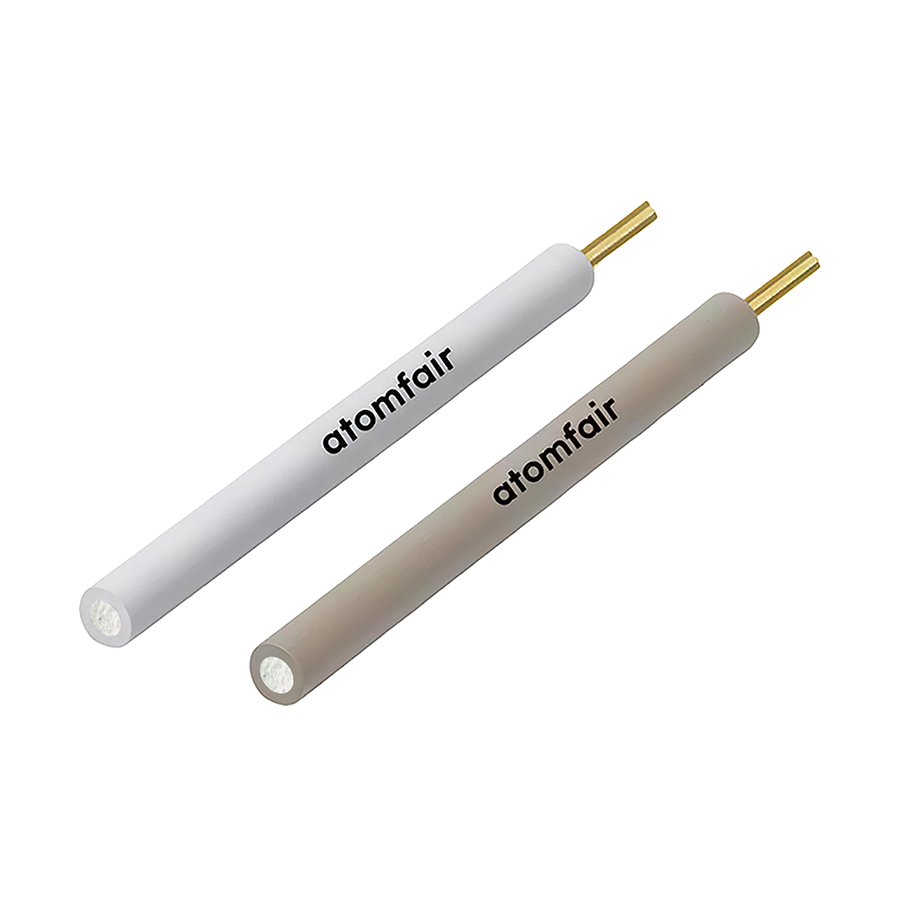
The 2 mm diameter provides higher current density resolution and lower background currents, making it suitable for micro-electrode sensing and localized measurements. The 4 mm diameter offers a larger surface area for bulk electrolysis and higher total current, but may introduce increased ohmic drop and capacitive effects. The series is designed to accommodate experimental scales ranging from micro-electrode sensing to macro-electrode bulk electrolysis, as stated in the product overview.
Can the ATOMFAIR magnetic nickel working electrode be used with non-magnetic electrochemical cell materials?
No, the integrated magnetic base requires a ferromagnetic support for stable attachment and consistent electrical contact. The electrode is explicitly designed for rapid attachment on ferromagnetic cell supports or electrode stands, eliminating the need for mechanical clamping. Non-magnetic materials would not provide the necessary magnetic force for secure mounting and reliable electrical connection.
What are the critical storage and handling requirements to prevent contamination of the ATOMFAIR nickel working electrode?
The electrode is highly sensitive to surface contamination. Containers must be kept tightly sealed or the electrode must be handled exclusively within an anhydrous inert environment to prevent phase contamination or degradation before electrochemical validation. This storage protocol is required to maintain the electrode's intended electrochemical activity.
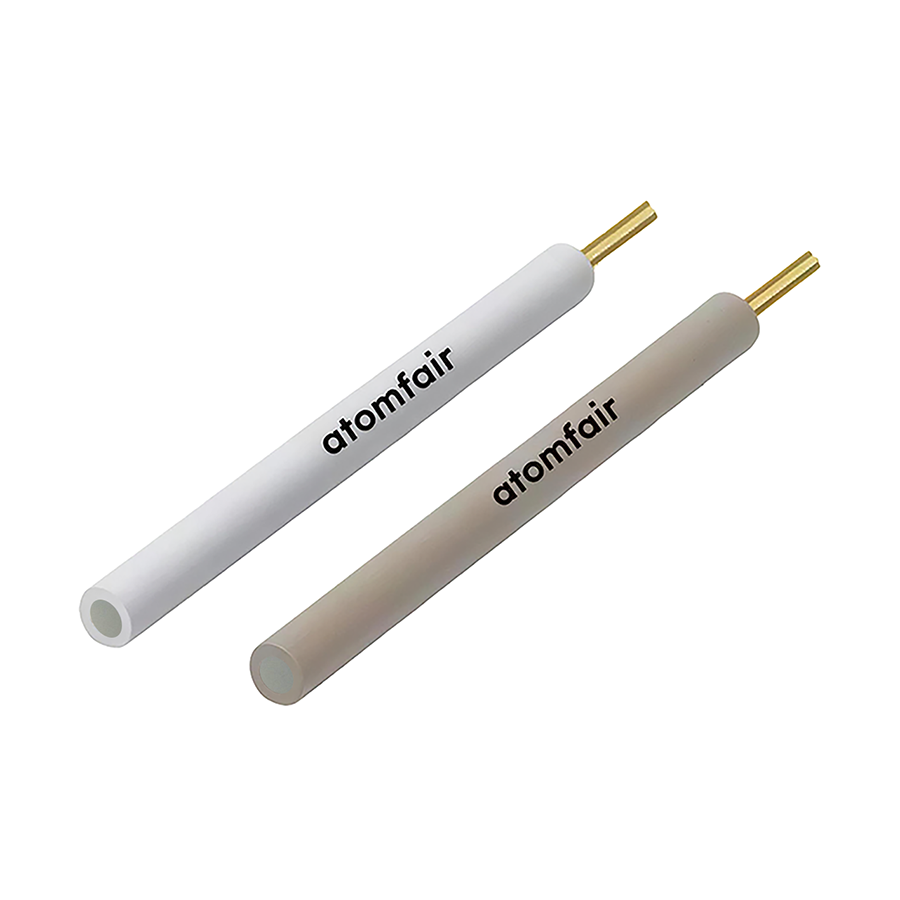
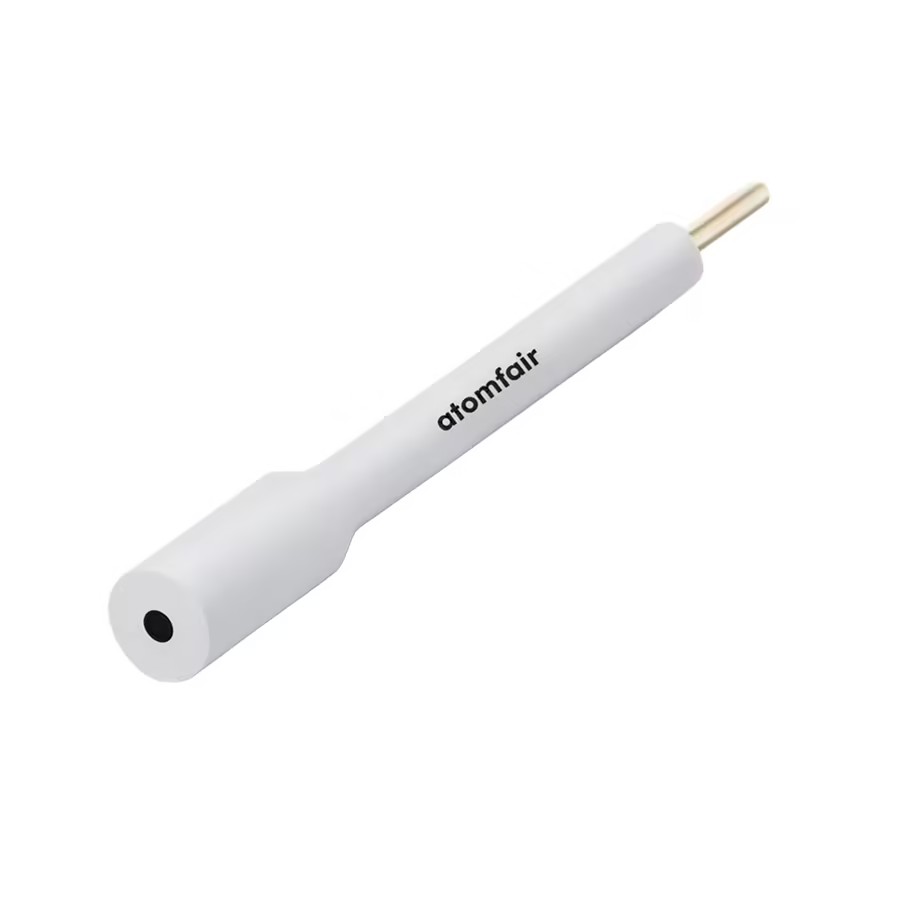
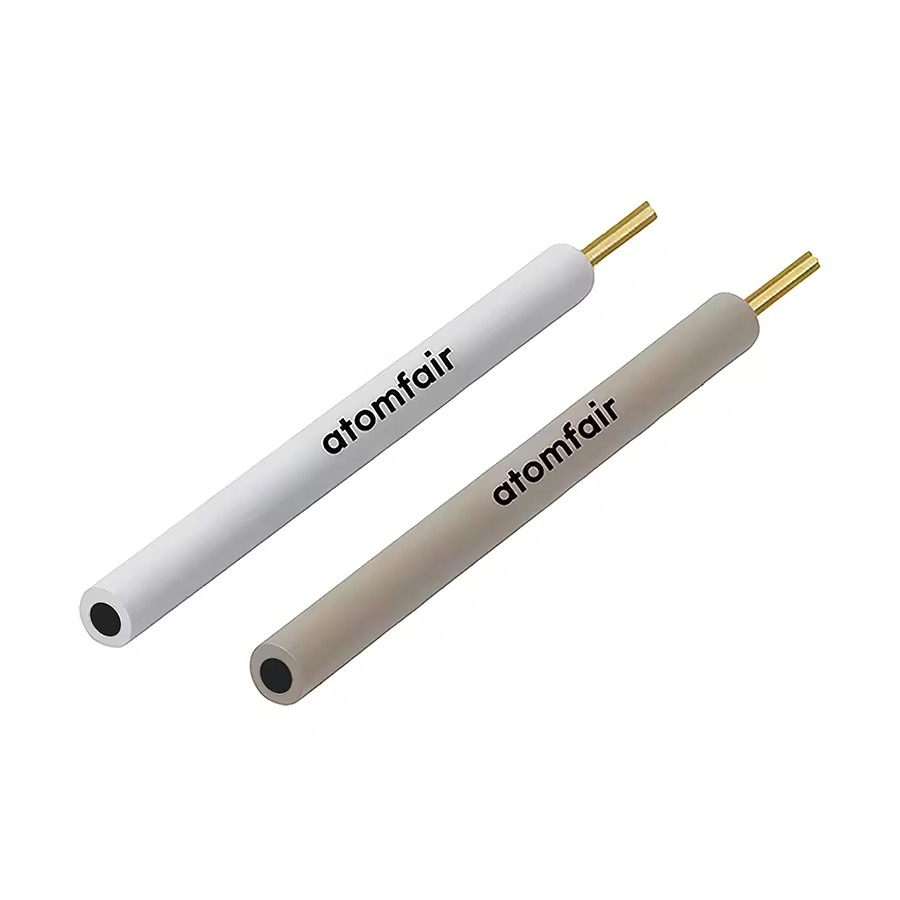
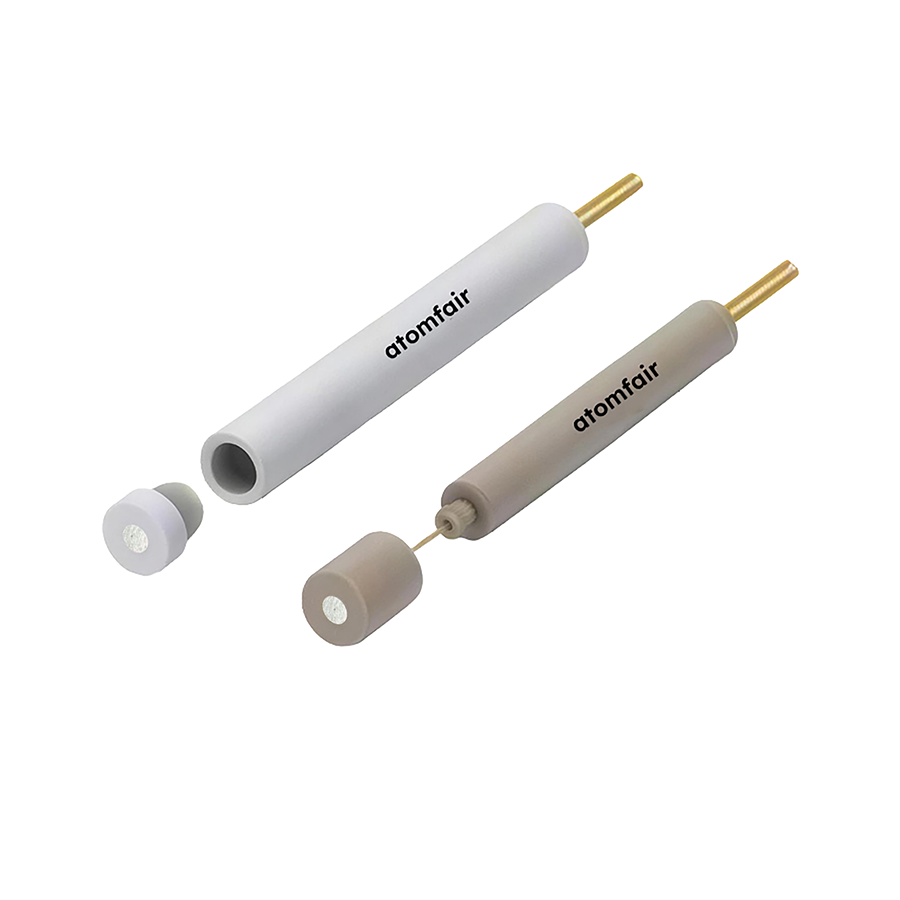
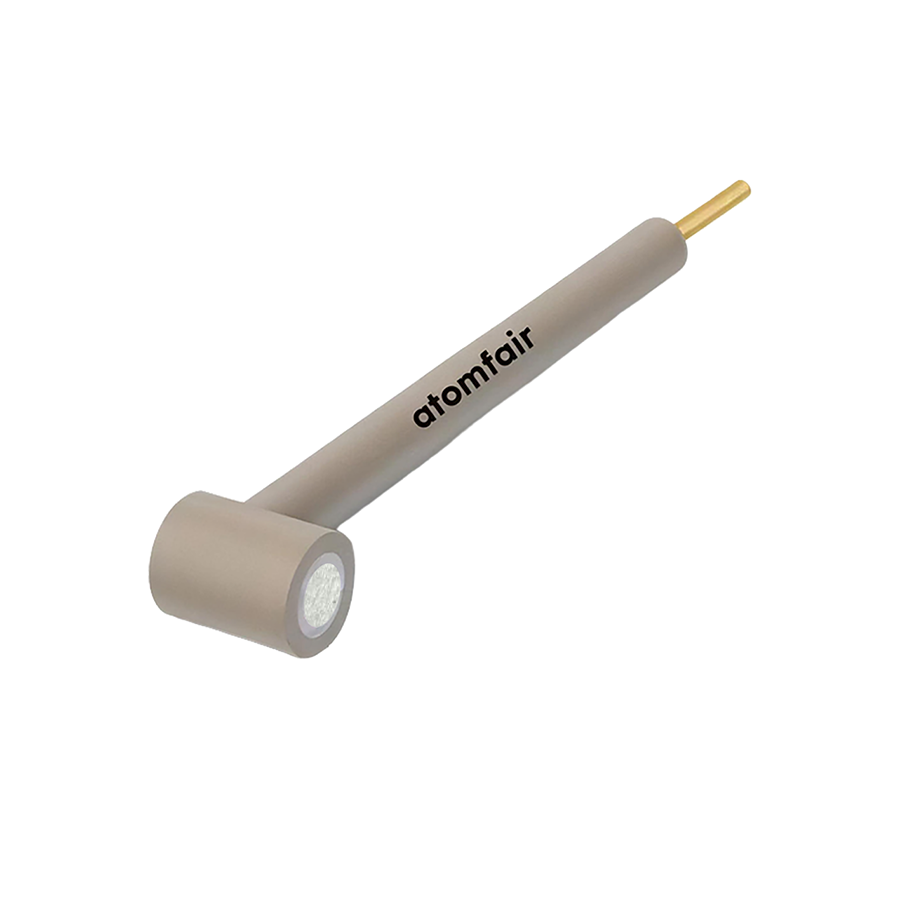
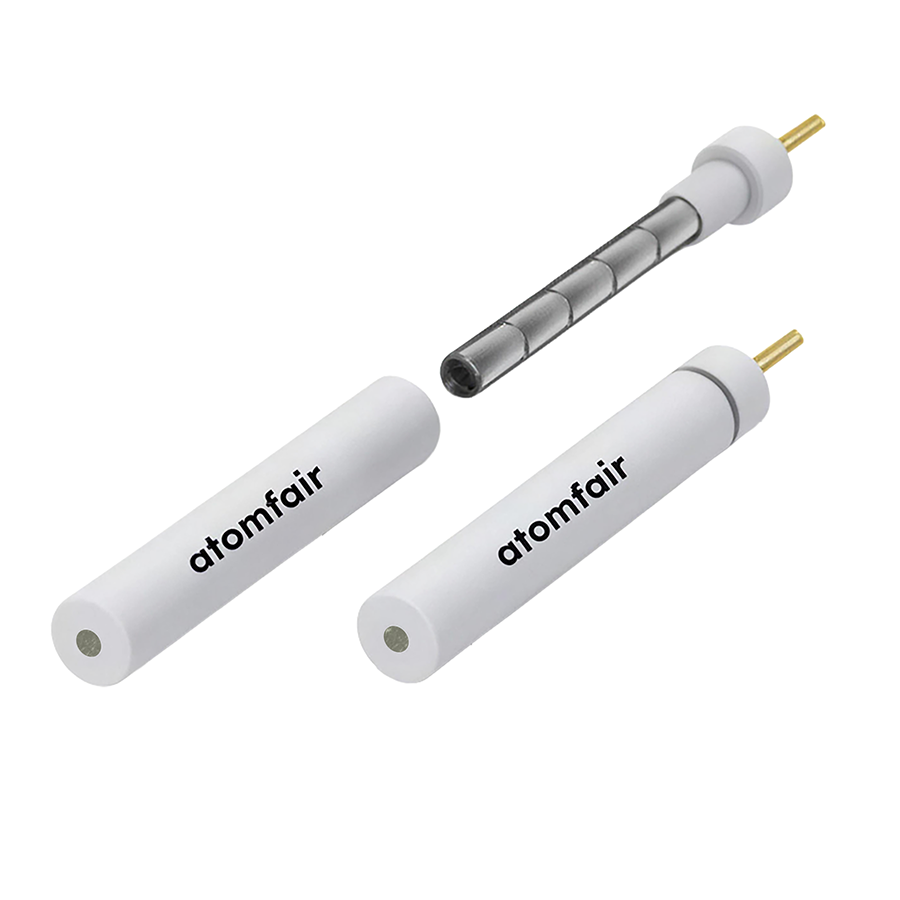
This magnetic nickel working electrode integrates a high-purity nickel disk with an integrated magnetic base for rapid, tool-free mounting on ferromagnetic supports, offering excellent catalytic activity for alkaline and oxygen evolution studies. The PTFE/PEEK body and gold-plated copper rod provide robust chemical resistance and corrosion protection, though the electrode requires strict handling to avoid surface contamination and must be used with ferromagnetic support structures.
Positive
- Magnetic rapid mounting and stable contact: The integrated magnetic base enables instant attachment and removal on ferromagnetic supports without tools or clamps, while the magnetic force ensures consistent, reproducible electrical contact for reliable electrochemical measurements.
- Enhanced corrosion resistance and conductivity: The gold-plated copper rod provides low contact resistance and superior oxidation resistance, and the PTFE/PEEK insulative body offers outstanding chemical resistance, extending electrode lifetime in aggressive electrolytes.
Trade-offs
- Surface contamination sensitivity: The electrode is highly sensitive to surface contamination; containers must be kept tightly sealed or handled exclusively within an anhydrous inert environment to prevent phase contamination or degradation before electrochemical validation.
- Requires ferromagnetic support structure: The magnetic base attachment is designed specifically for ferromagnetic cell supports or electrode stands; users without ferromagnetic surfaces may need additional adapters or alternative mounting solutions.
Every advanced material, component, equipment, and instrument in our catalog is backed by rigorous testing. We maintain strict internal quality management frameworks and align with CE conformity metrics to deliver transparent, reproducible performance data via our public open-science repository.
To request raw batch performance data, submit formal vendor registration paperwork, or execute a fast-turnaround R&D manufacturing loop, contact us at inquiry@atomfair.com.
Item is dispatched under the Atomfair Shipping & Delivery Framework (Free worldwide shipping on orders over $59 USD excl. heavy equipment). Return is governed by the Atomfair Return & Refund Policy (7-day technical return window).