Detachable Electron Microscopy Zinc Working Electrode Series | ATOMFAIRRESEARCH GRADE INSTRUMENT
|
|||||||||||||||||||||||||||
|
|||||||||||||||||||||||||||
|
TAILORED SOLUTIONS FOR RESEARCH
Contact our engineering team for technical support or official institutional quotations.
EMAIL: inquiry@atomfair.com
|
|||||||||||||||||||||||||||
|
Manufacturer: Atomfair LLC
Brand: ATOMFAIR®
|
|||||||||||||||||||||||||||
The zinc working electrode is highly sensitive to surface contamination and must be stored in a sealed container when not in use. Handling must be performed exclusively within an anhydrous inert environment to prevent oxidation or degradation before electrochemical validation.
- Contamination Sensitivity: The electrode surface is susceptible to contamination from ambient air and moisture, requiring strict storage protocols.
- Inert Environment Requirement: All handling and preparation steps must be conducted in an anhydrous inert atmosphere to maintain electrode integrity.
The following steps outline the safe handling and assembly of the detachable zinc working electrode prior to electrochemical experiments. Proper preparation ensures minimal contamination and reliable electrode performance.
Required Equipment: Anhydrous inert environment (e.g., argon glovebox), Sealed storage container, Detachable zinc electrode head (2-4mm diameter)
- Inspect Storage Containers
Verify that the electrode body and detachable head have been stored in sealed containers since last use. - Transfer to Inert Environment
Transfer the electrode components into an anhydrous inert environment, such as an argon-filled glovebox, before opening the containers. - Assemble Electrode
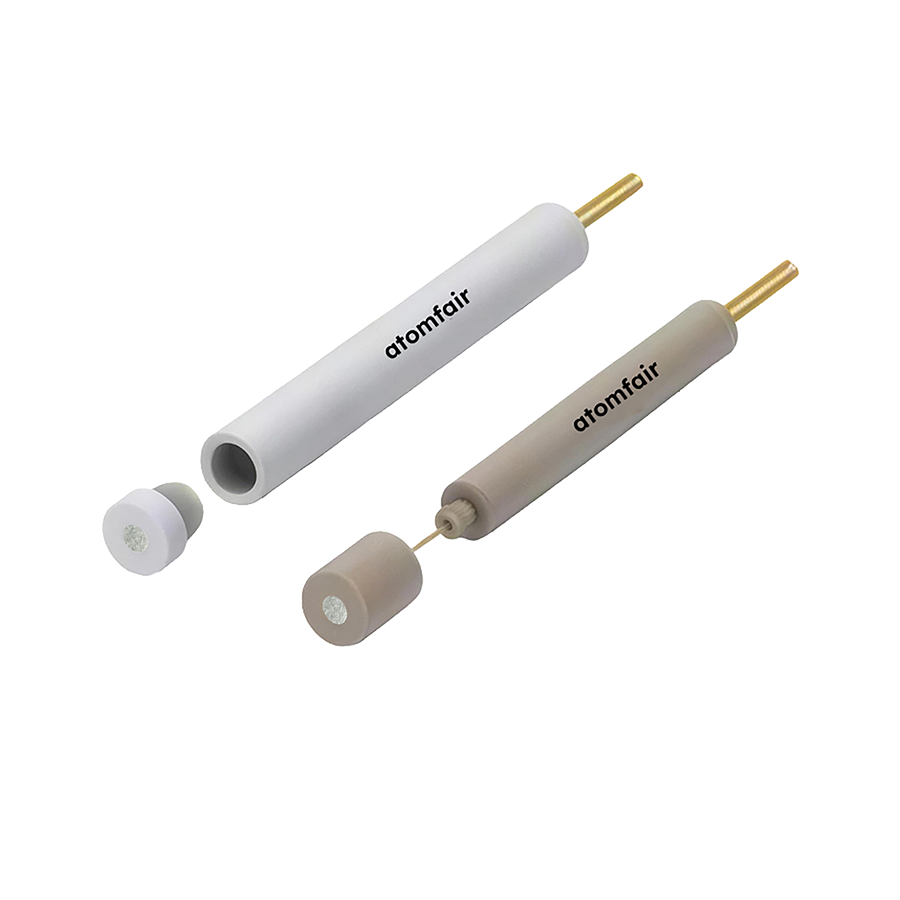
Attach the detachable zinc head to the electrode body, ensuring a secure mechanical and electrical connection.
How does the choice between 2 mm and 4 mm zinc disk diameter affect electrochemical performance with this detachable electrode?
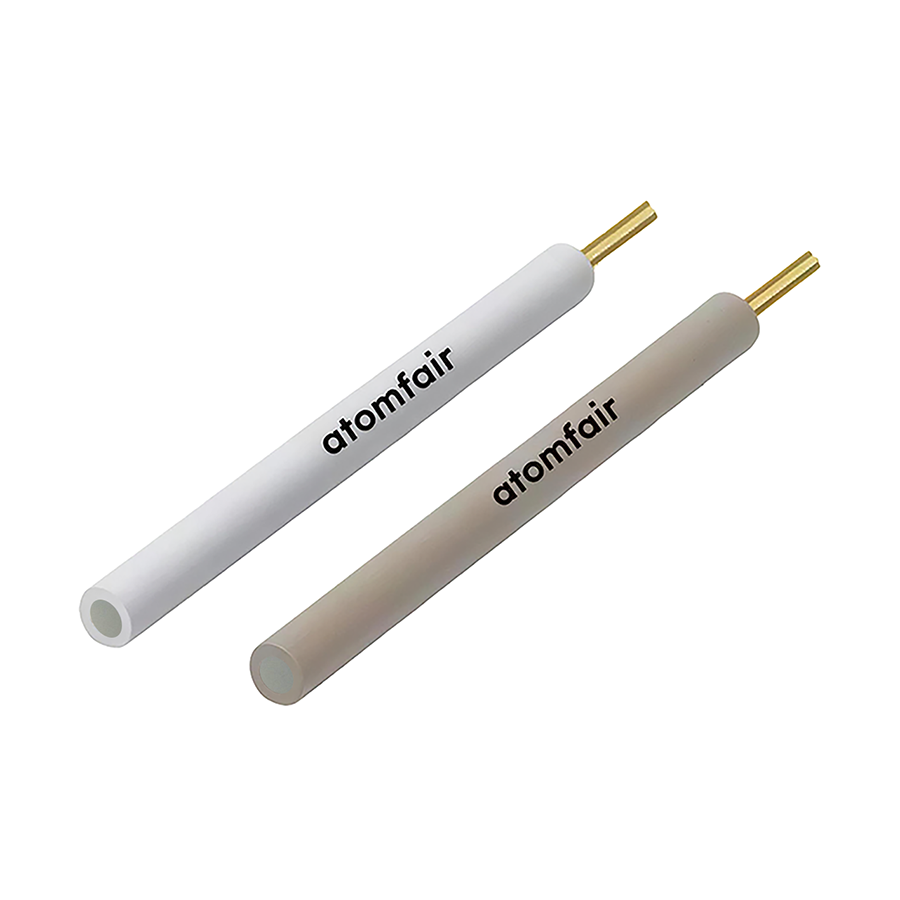
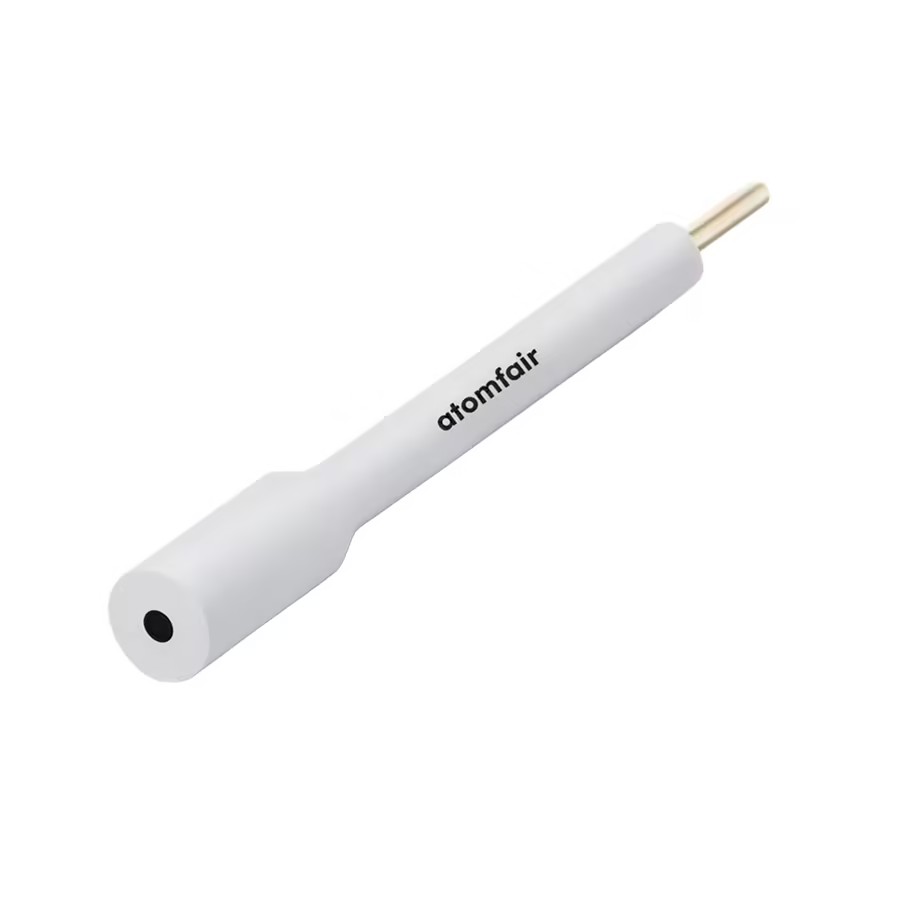
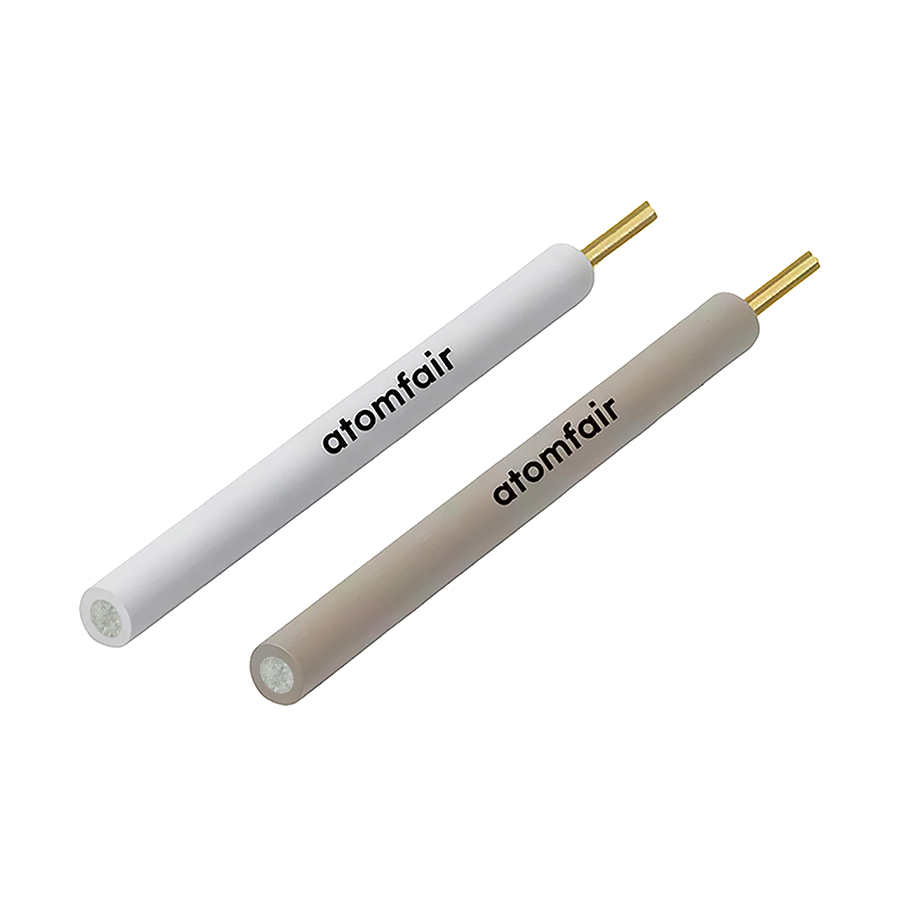
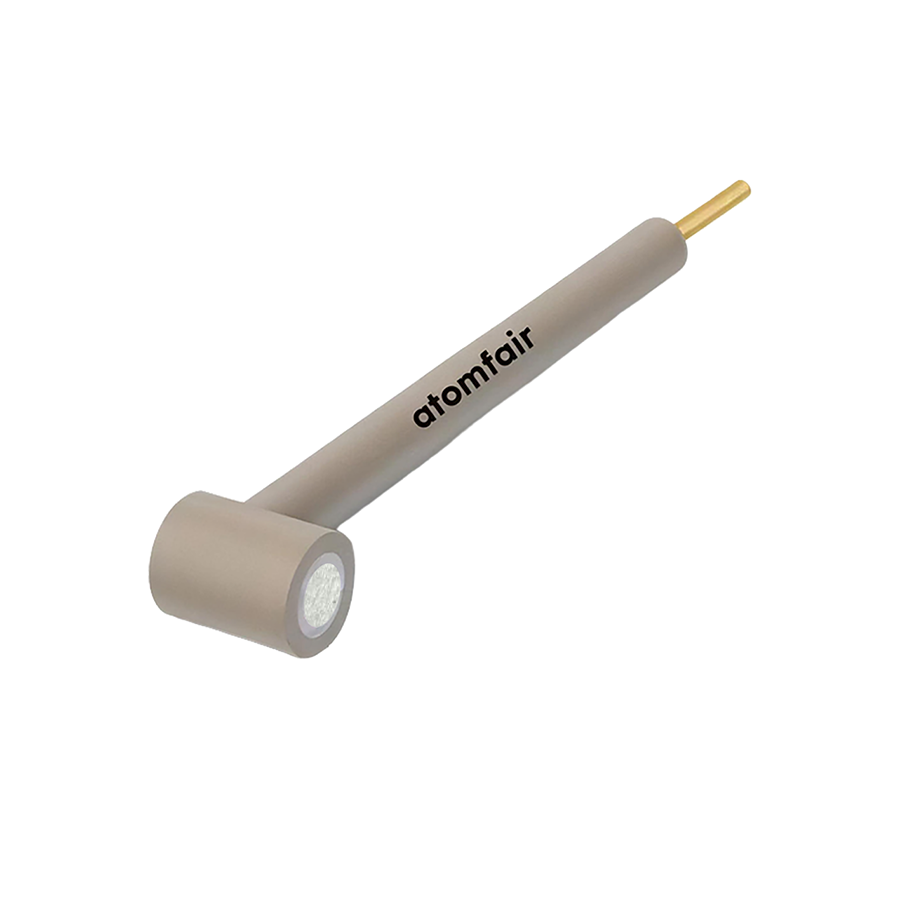
The electrode is available in diameters from 2 mm to 4 mm; larger diameters provide higher current response while smaller diameters offer better spatial resolution for surface morphology studies. The detachable head design (9 mm thick) allows researchers to swap between diameters without replacing the full PTFE or PEEK body, making it suitable for optimizing electrochemical measurements in zinc deposition, dissolution, and corrosion experiments.
Can the ATOMFAIR detachable zinc working electrode be integrated into in situ electrochemical scanning electron microscopy (ec-SEM) setups?
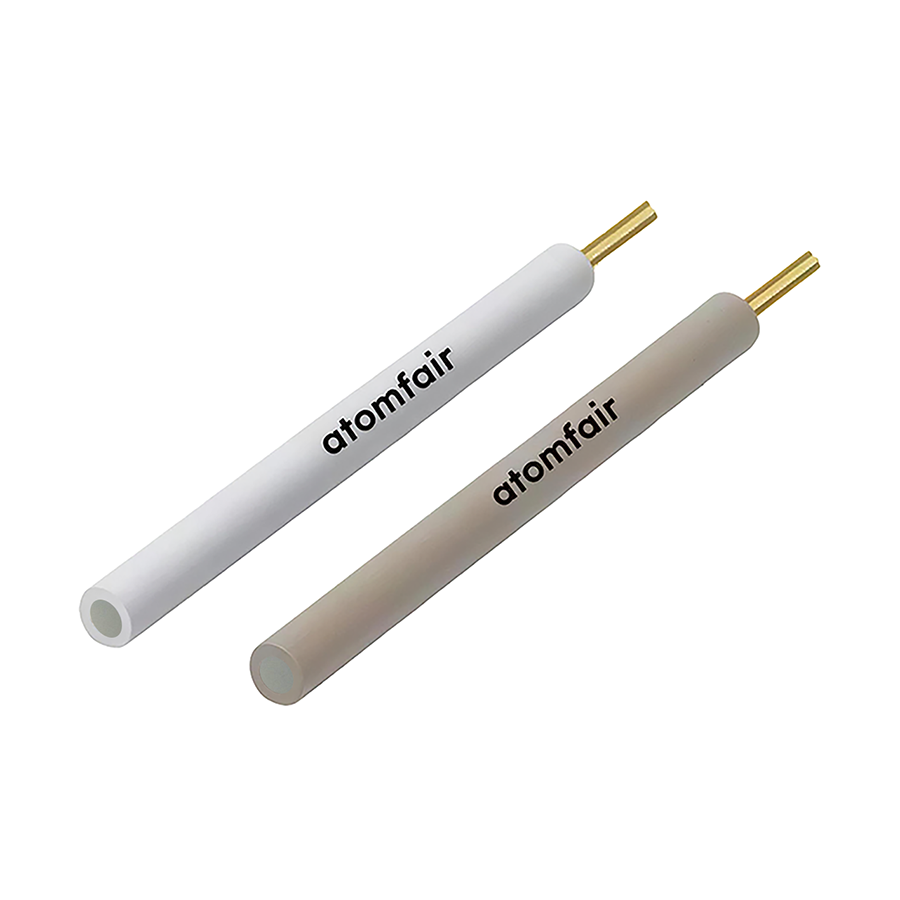
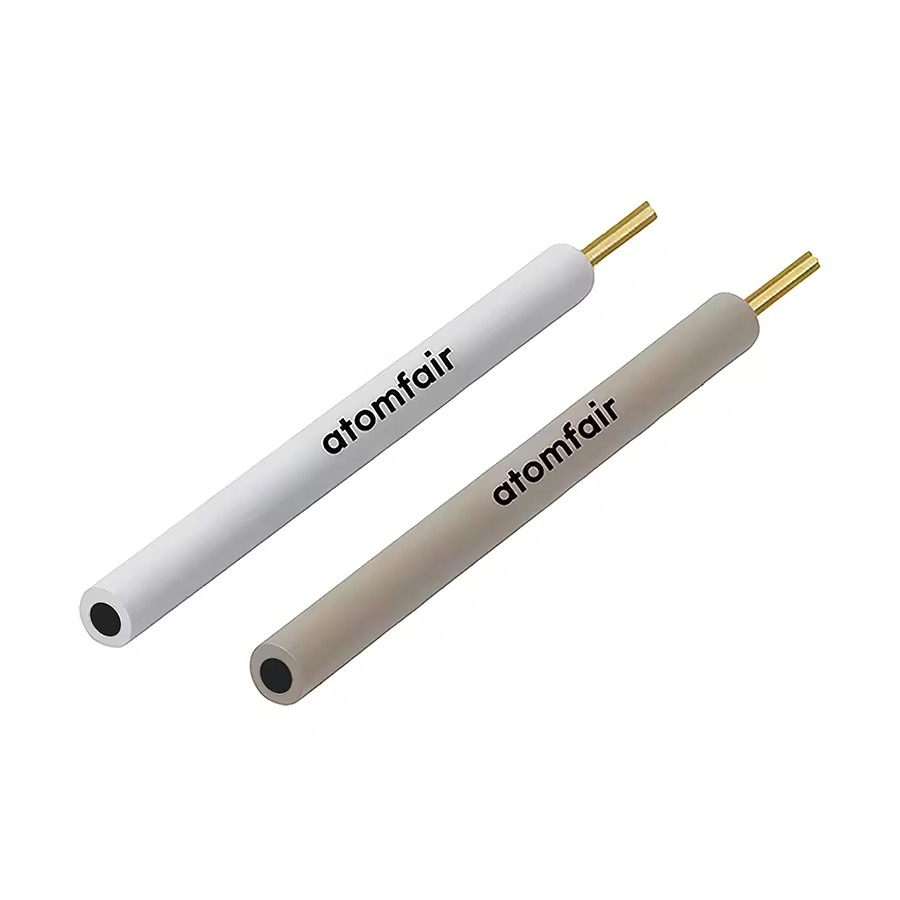
Yes, the electrode is explicitly designed for microscopy-coupled experiments, as indicated by its name and the detachable head configuration (9 mm thickness). The PTFE or PEEK insulative body provides chemical resistance, and the gold-plated copper rod (1.5×15 mm) ensures stable low-resistance conductivity, making the electrode compatible with in situ SEM environments for studying zinc redox behavior and surface morphology.
What storage and handling conditions are required to prevent surface contamination of the zinc electrode before electrochemical use?
The electrode is highly sensitive to surface contamination; it must be stored in tightly sealed containers or handled exclusively within an anhydrous inert environment to prevent phase contamination or degradation before electrochemical validation. This precaution is critical to maintain a pristine zinc surface for reproducible deposition, dissolution, and corrosion studies.
This detachable zinc working electrode features a user-replaceable head design for convenient surface renewal and extended body life, with a gold-plated copper rod ensuring low contact resistance and corrosion protection. However, it is highly sensitive to surface contamination, necessitating handling in anhydrous inert environments to maintain performance.
Positive
- Detachable head for surface renewal: The detachable head design allows easy replacement or regeneration of the electrode surface without discarding the entire body, significantly extending service life and ensuring consistent performance in microscopy-coupled experiments.
- Corrosion-resistant conductive rod: The gold-plated copper rod (1.5x15mm) provides low contact resistance and enhanced oxidation resistance, maintaining stable conductivity over extended use in corrosive electrochemical environments.
Trade-offs
- Surface contamination sensitivity: The electrode is highly sensitive to surface contamination and must be handled exclusively within anhydrous inert environments or kept in sealed containers to prevent phase degradation before electrochemical validation.
Every advanced material, component, equipment, and instrument in our catalog is backed by rigorous testing. We maintain strict internal quality management frameworks and align with CE conformity metrics to deliver transparent, reproducible performance data via our public open-science repository.
To request raw batch performance data, submit formal vendor registration paperwork, or execute a fast-turnaround R&D manufacturing loop, contact us at inquiry@atomfair.com.
Item is dispatched under the Atomfair Shipping & Delivery Framework (Free worldwide shipping on orders over $59 USD excl. heavy equipment). Return is governed by the Atomfair Return & Refund Policy (7-day technical return window).