T-Shaped Tungsten Working Electrode series | ATOMFAIRRESEARCH GRADE INSTRUMENT
|
|||||||||||||||||||||||
|
|||||||||||||||||||||||
|
TAILORED SOLUTIONS FOR RESEARCH
Contact our engineering team for technical support or official institutional quotations.
EMAIL: inquiry@atomfair.com
|
|||||||||||||||||||||||
|
Manufacturer: Atomfair LLC
Brand: ATOMFAIR®
|
|||||||||||||||||||||||
This electrode is highly sensitive to surface contamination. It must be stored in sealed containers and handled exclusively within an anhydrous inert environment to prevent degradation before electrochemical validation.
- Surface Contamination Sensitivity: The tungsten tip and gold-plated copper rod are susceptible to contamination from ambient air and moisture, requiring strict handling protocols.
- Anhydrous Inert Environment Required: All handling and storage must be conducted in an anhydrous inert atmosphere to prevent oxidation or phase contamination.
- Sealed Container Storage: Containers must be kept tightly sealed when not in use to avoid exposure to laboratory atmosphere.
- Pre-Validation Degradation Risk: Exposure to contaminants can cause degradation that compromises electrochemical validation results.
Proper handling of this electrode is critical to prevent surface contamination. The following steps ensure the electrode remains in optimal condition for electrochemical experiments.
Required Equipment: Sealed storage container
- Handle in Inert Environment
Handle the electrode exclusively within an anhydrous inert environment such as a glovebox. - Seal Container
Keep the container tightly sealed after each use to prevent exposure to laboratory atmosphere. - Confirm Surface Condition
Confirm the electrode surface is free from contamination before conducting electrochemical validation.
How does the choice between 2mm and 4mm tip diameter affect electrochemical performance in high-temperature corrosion studies?
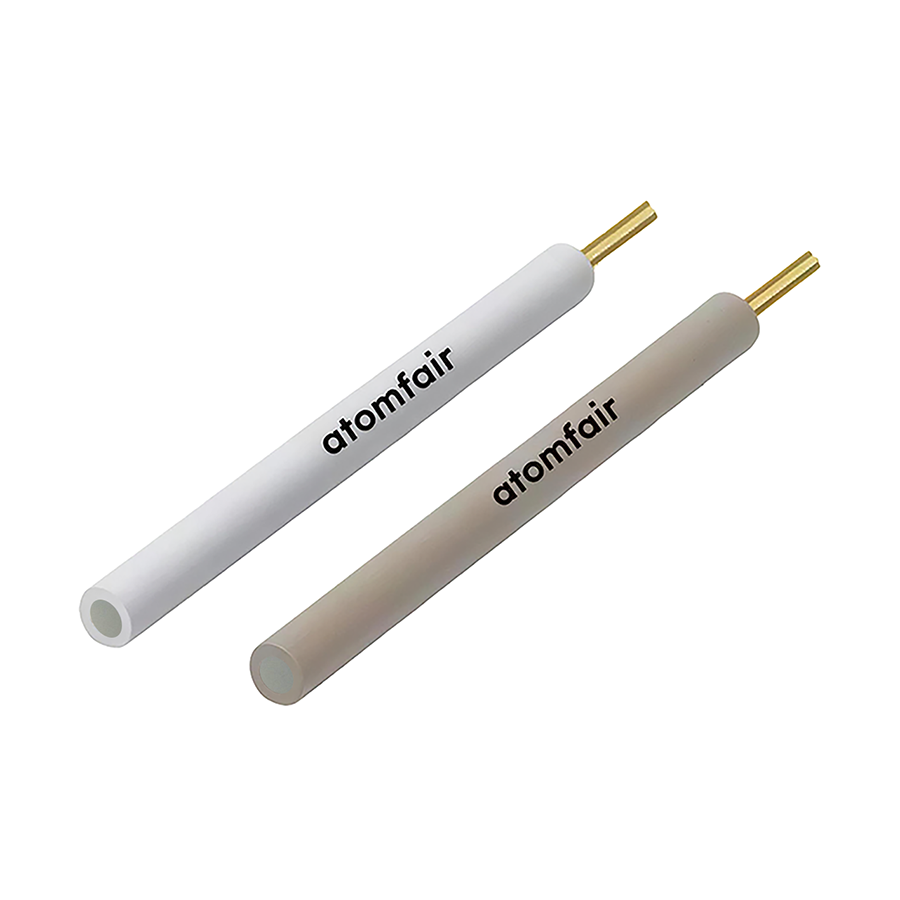
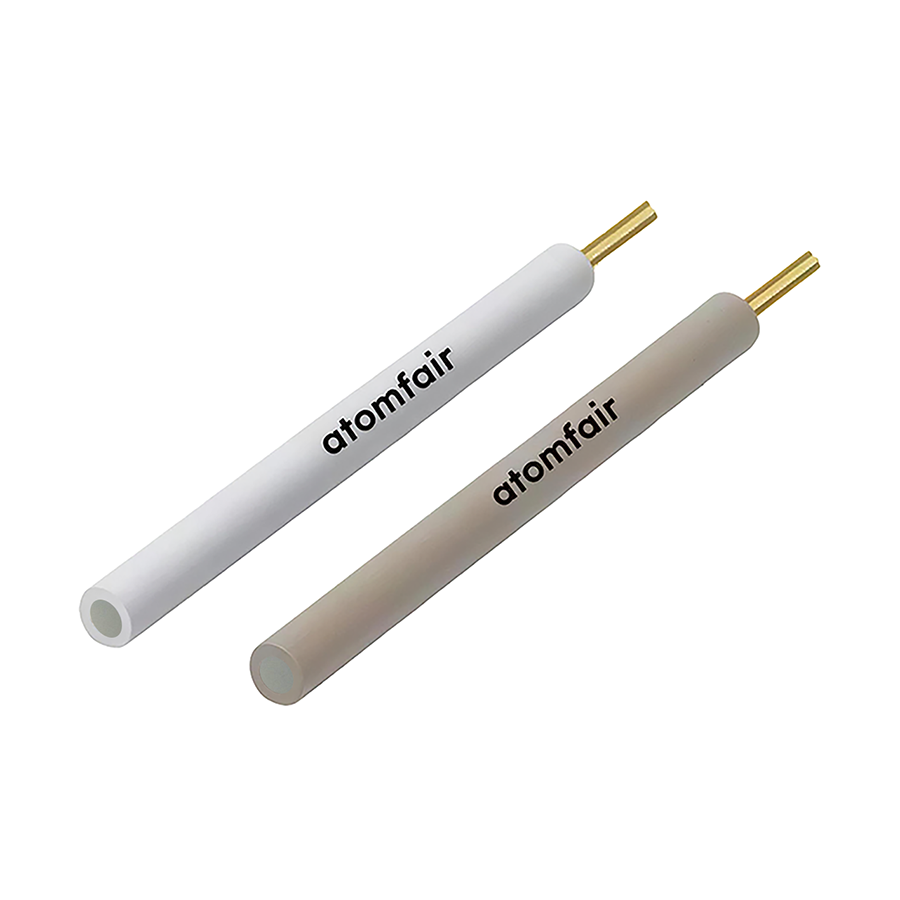
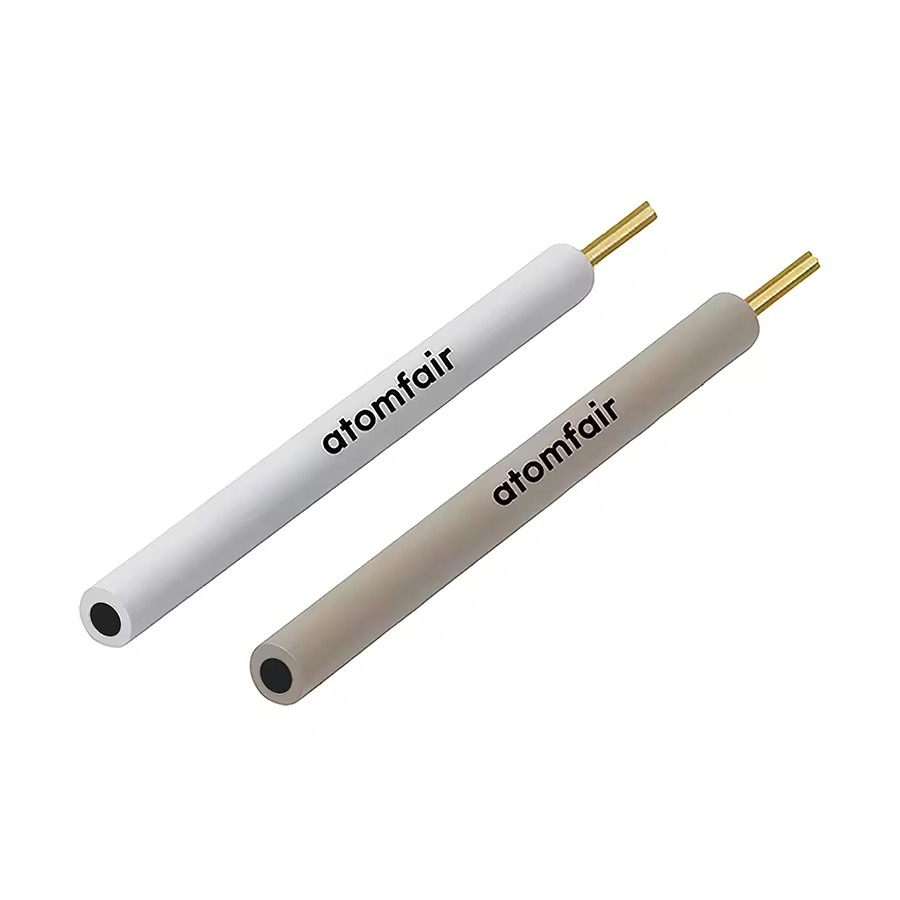
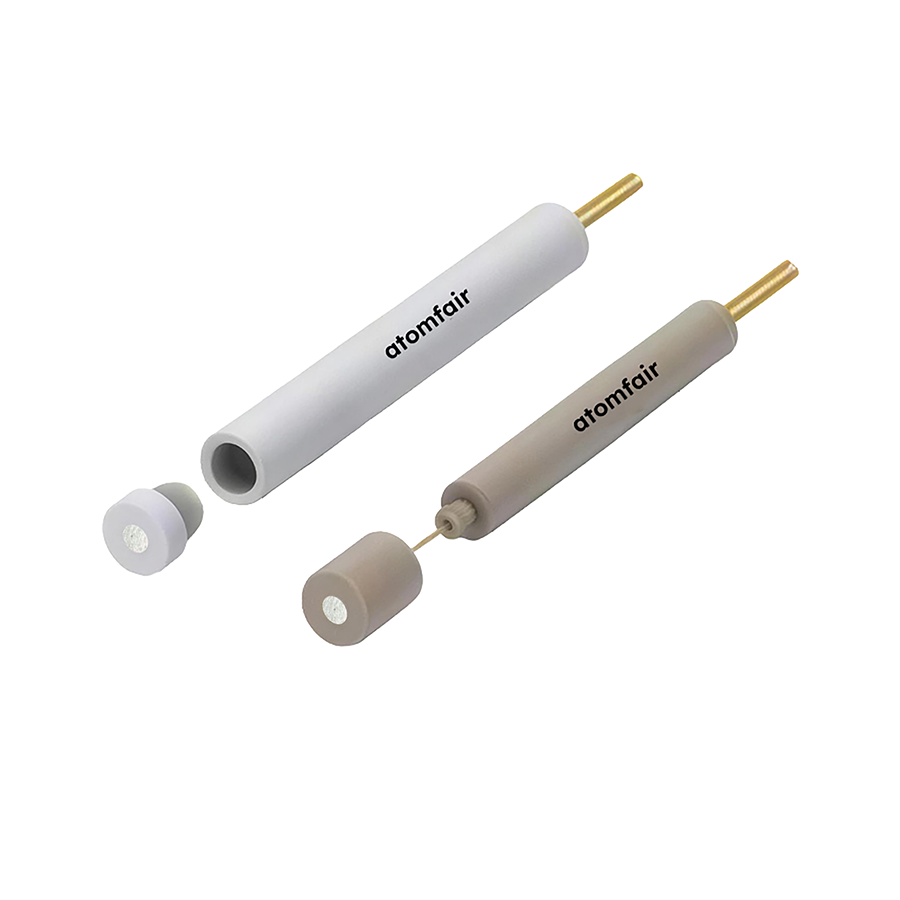
The 2mm tip provides a smaller electroactive area, reducing capacitance and enabling higher current density resolution for localized corrosion mapping, while the 4mm tip offers larger surface area for bulk kinetics and improved signal-to-noise ratio in catalytic studies. Both diameters share the same tungsten material (melting point >3400°C), PTFE insulation, and gold-plated copper connector (1.5x15mm), so the trade-off lies in spatial resolution versus total current throughput.
Is this T-shaped tungsten electrode compatible with standard three-electrode cell setups using glass or PEEK vessels in organic solvent electrolytes?
Yes, the PTFE insulative body is chemically inert in organic solvents, and the gold-plated copper rod (1.5x15mm) provides corrosion-resistant connection to potentiostats via standard banana or pin contacts. However, compatibility requires that the electrode be handled exclusively in anhydrous inert environments due to extreme sensitivity to surface contamination, as stated in the product notice.
What are the critical storage and handling requirements to prevent tungsten surface oxidation before an electrochemical experiment?
The electrode must be stored in sealed protective containers with shock absorption to avoid contamination, and it should be handled strictly within an anhydrous inert atmosphere (e.g., argon glovebox) prior to use. Any exposure to ambient moisture or oxygen can cause phase contamination and degrade the tungsten surface, compromising the accuracy of subsequent electrochemical validation, as explicitly stated in the product's important notice.
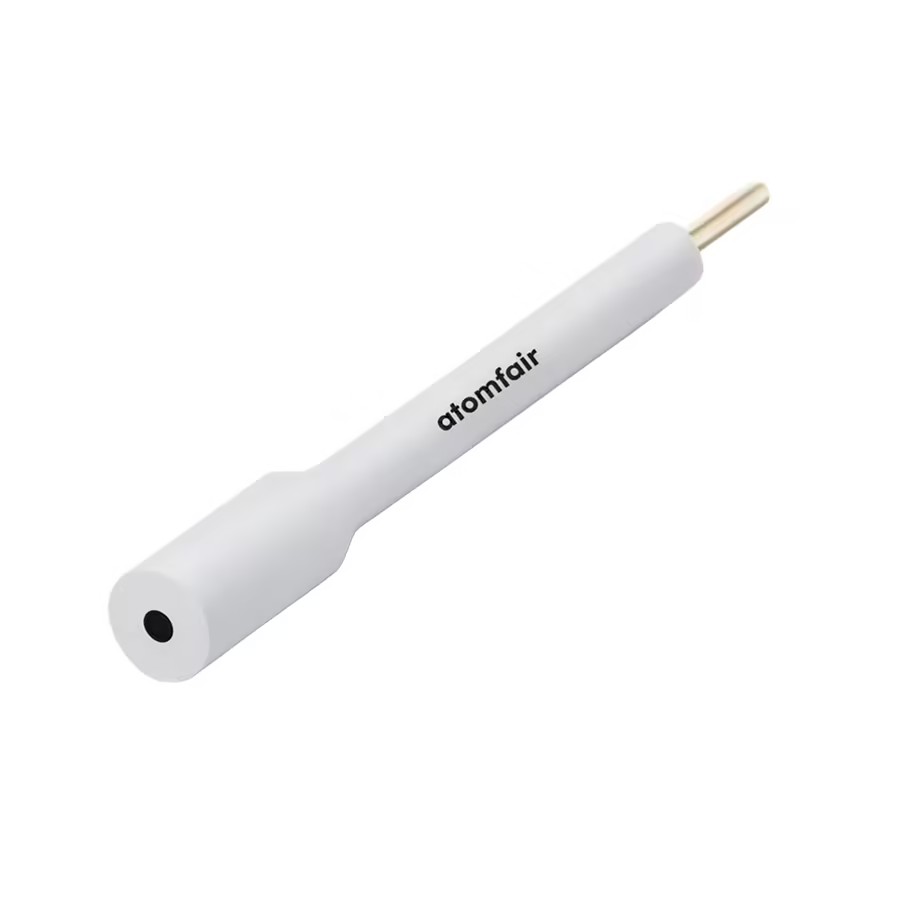
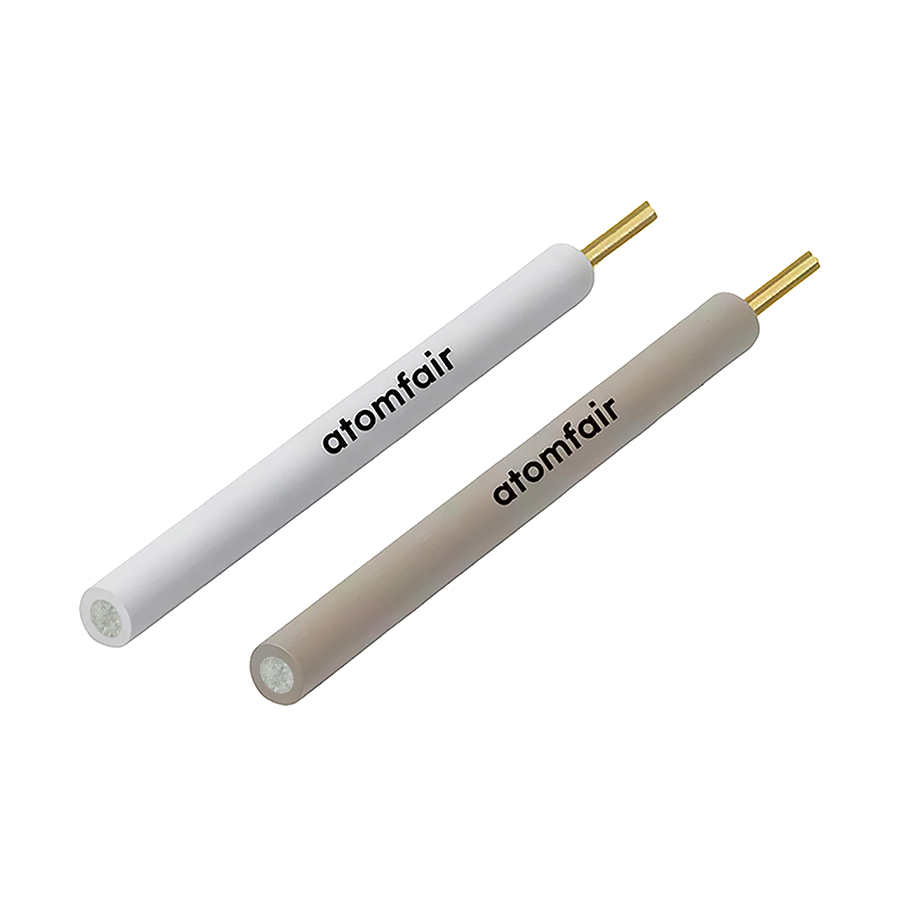
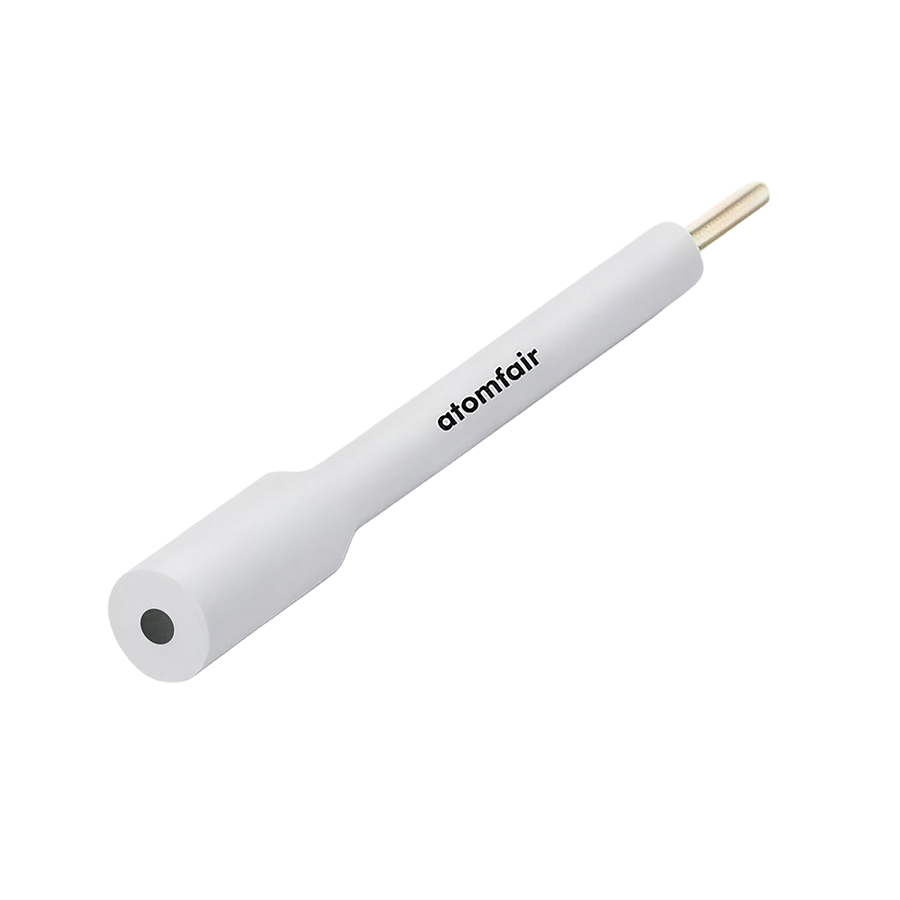
The T-Shaped Tungsten Working Electrode provides high-temperature resistance and corrosion protection via gold-plated copper rod, but requires strict anhydrous inert handling to prevent surface contamination before electrochemical validation.
Positive
- Specialized Tungsten Material: High-grade tungsten provides excellent high-temperature resistance and specific electrochemical characteristics suitable for corrosion research, electrocatalytic studies, and targeted redox systems.
- Gold-Plated Copper Rod: Gold-plated finish on the copper connector rod delivers enhanced corrosion resistance and maintains stable conductivity over extended use in aggressive electrochemical environments.
Trade-offs
- Surface Contamination Sensitivity: The electrode is highly sensitive to surface contamination and must be stored in tightly sealed containers or handled exclusively within an anhydrous inert environment to prevent phase contamination or degradation before electrochemical validation.
Every advanced material, component, equipment, and instrument in our catalog is backed by rigorous testing. We maintain strict internal quality management frameworks and align with CE conformity metrics to deliver transparent, reproducible performance data via our public open-science repository.
To request raw batch performance data, submit formal vendor registration paperwork, or execute a fast-turnaround R&D manufacturing loop, contact us at inquiry@atomfair.com.
Item is dispatched under the Atomfair Shipping & Delivery Framework (Free worldwide shipping on orders over $59 USD excl. heavy equipment). Return is governed by the Atomfair Return & Refund Policy (7-day technical return window).