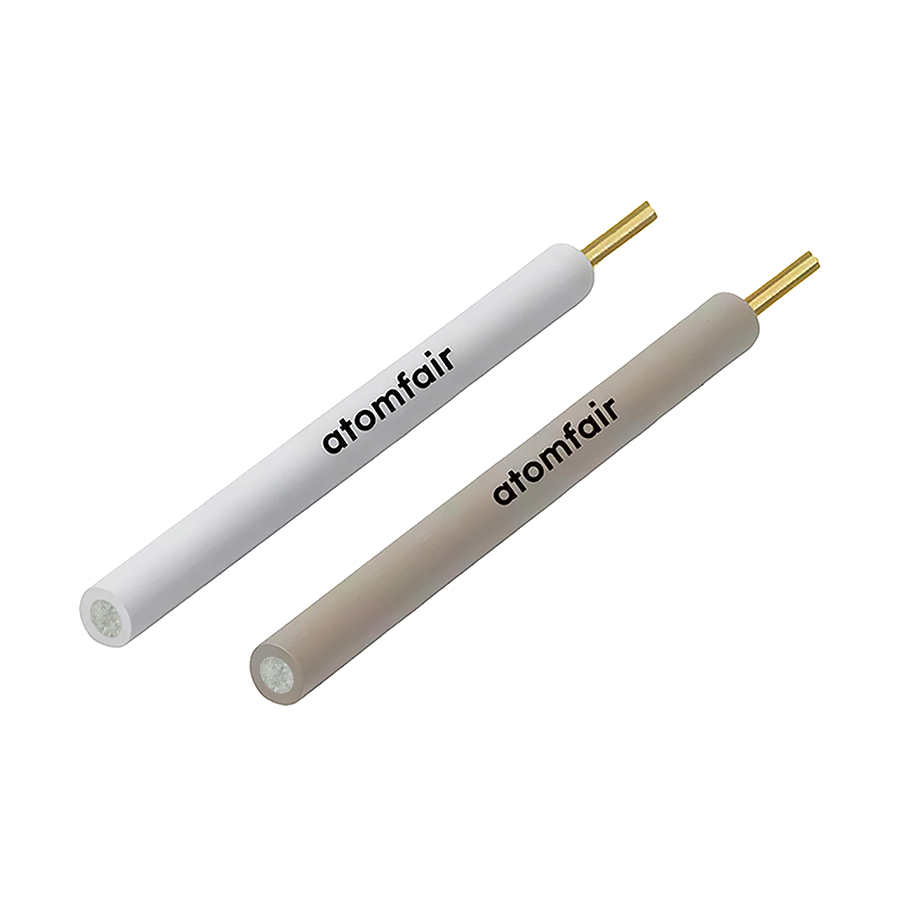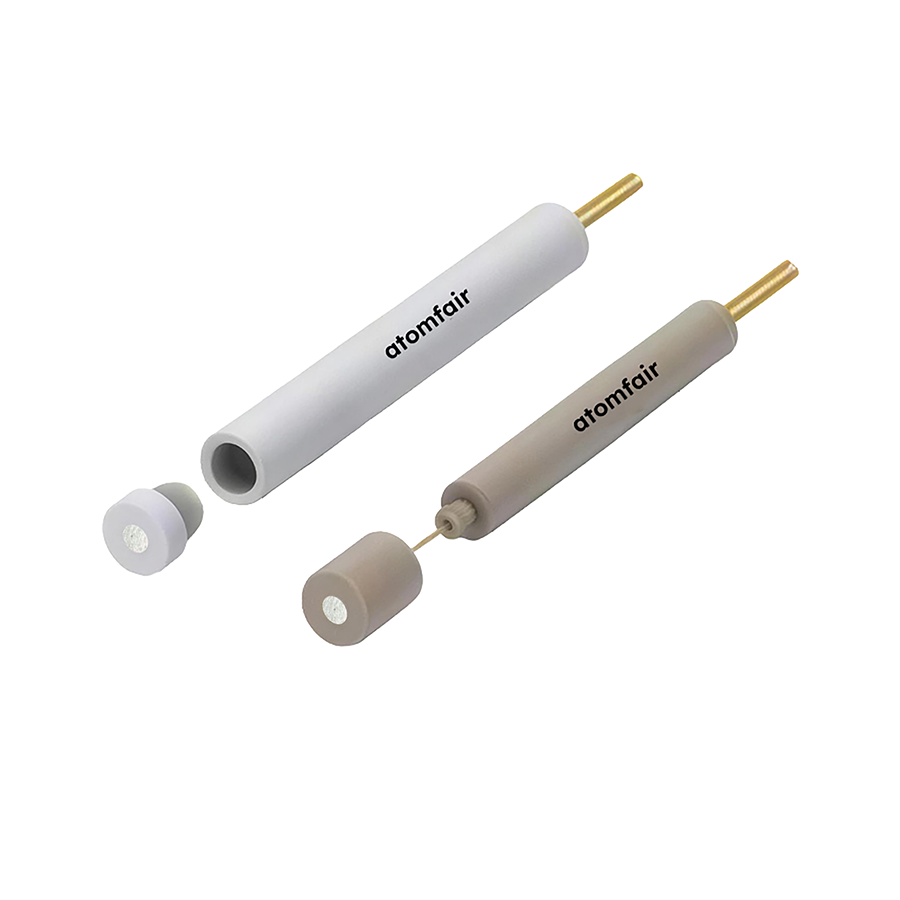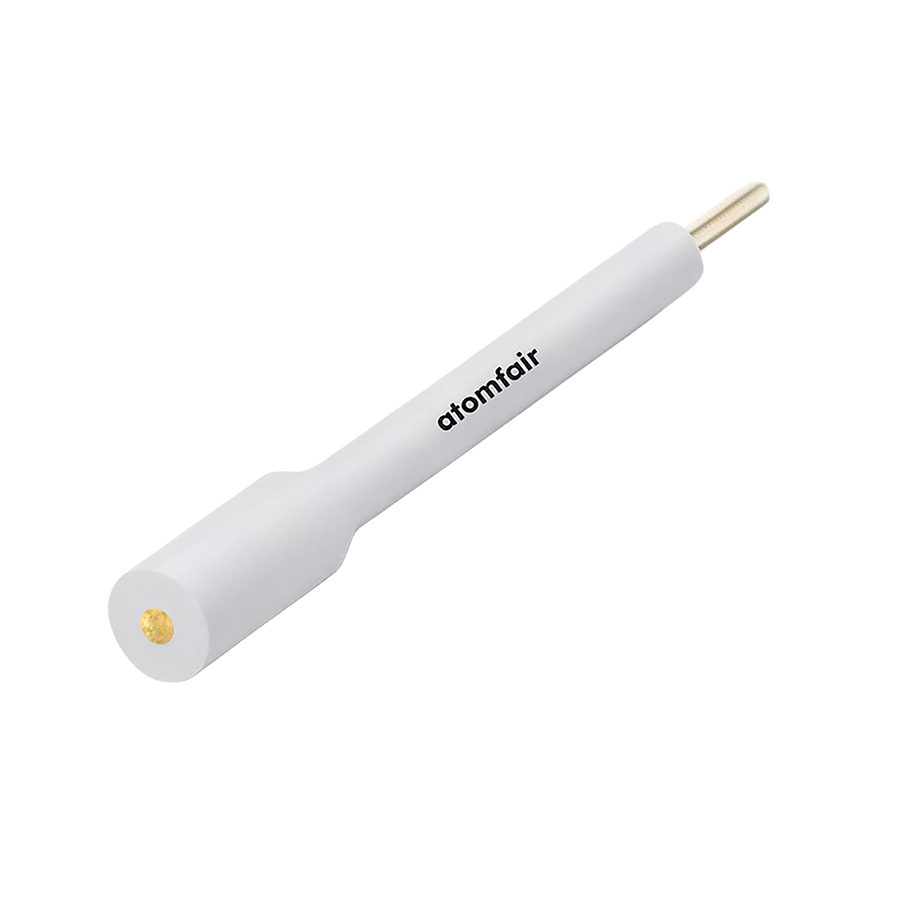
T-Shaped Gold Disk Working Electrode series | ATOMFAIRRESEARCH GRADE INSTRUMENT
|
|||||||||||||||||||||||||
|
|||||||||||||||||||||||||
|
TAILORED SOLUTIONS FOR RESEARCH
Contact our engineering team for technical support or official institutional quotations.
EMAIL: inquiry@atomfair.com
|
|||||||||||||||||||||||||
|
Manufacturer: Atomfair LLC
Brand: ATOMFAIR®
|
|||||||||||||||||||||||||
This electrode is highly sensitive to surface contamination and requires storage in sealed containers or anhydrous inert environments. Exposure to ambient moisture or contaminants can degrade electrochemical performance.
- Surface Contamination Sensitivity: The gold disk surface must be protected from atmospheric contaminants to maintain reproducibility and electron transfer kinetics.
- Environmental Storage Requirements: Store in a sealed container or an anhydrous inert atmosphere to prevent oxidation or adsorption of impurities.
- Handling Precautions: Always handle with clean tools and in a glovebox or inert environment when the electrode is not in sealed storage.
Proper handling is critical to preserve the electrode's surface integrity and electrochemical performance. Follow these steps to minimize contamination risk.
Required Equipment: Sealed storage container, Inert atmosphere glovebox
- Verify storage condition
Verify that the electrode is stored in a tightly sealed container or an anhydrous inert environment before removal. - Handle in inert atmosphere
Handle the electrode exclusively within an anhydrous inert environment to prevent surface contamination. - Reseal after use
Immediately reseal the container or return the electrode to the inert atmosphere after each use.
How does the disk diameter of the ATOMFAIR T-Shaped Gold Disk Working Electrode affect its electrochemical performance and suitability for different experimental scales?
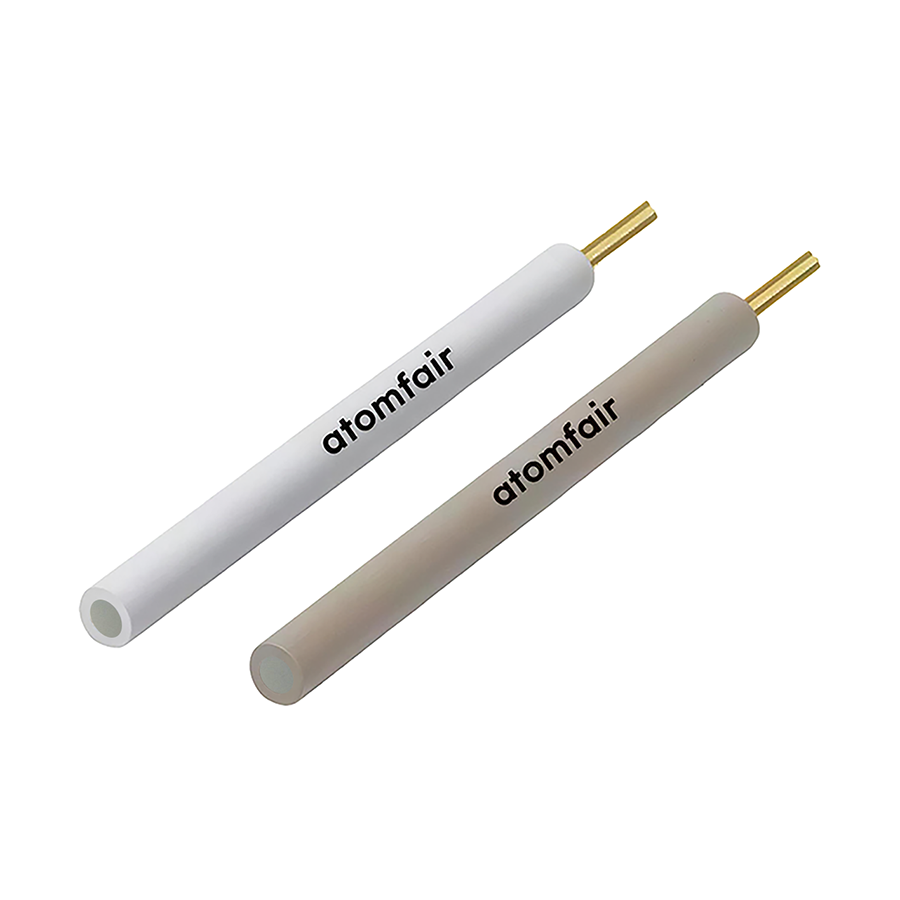
The disk diameter directly influences the current magnitude and mass transport regime. The source states that the 0.5 mm option is ideal for microelectrode applications requiring high current density and reduced ohmic drop, while diameters up to 6 mm are suitable for bulk solution analysis. The full range of 0.5 mm to 6 mm is designed to accommodate experimental requirements from micro-electrolysis to bulk analysis, allowing researchers to select the optimal size for their specific current and mass transport needs.
Can the gold-plated copper rod connector withstand aggressive electrolytes, and what surface preparation is needed for thiol-based self-assembled monolayer studies?
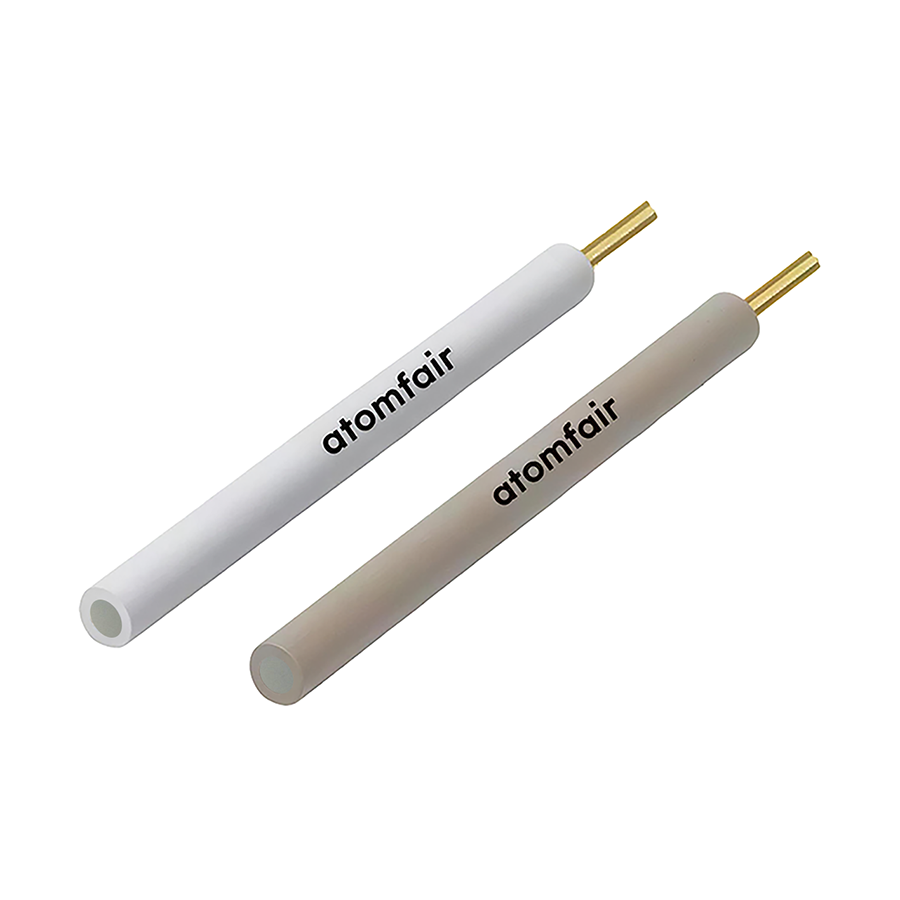
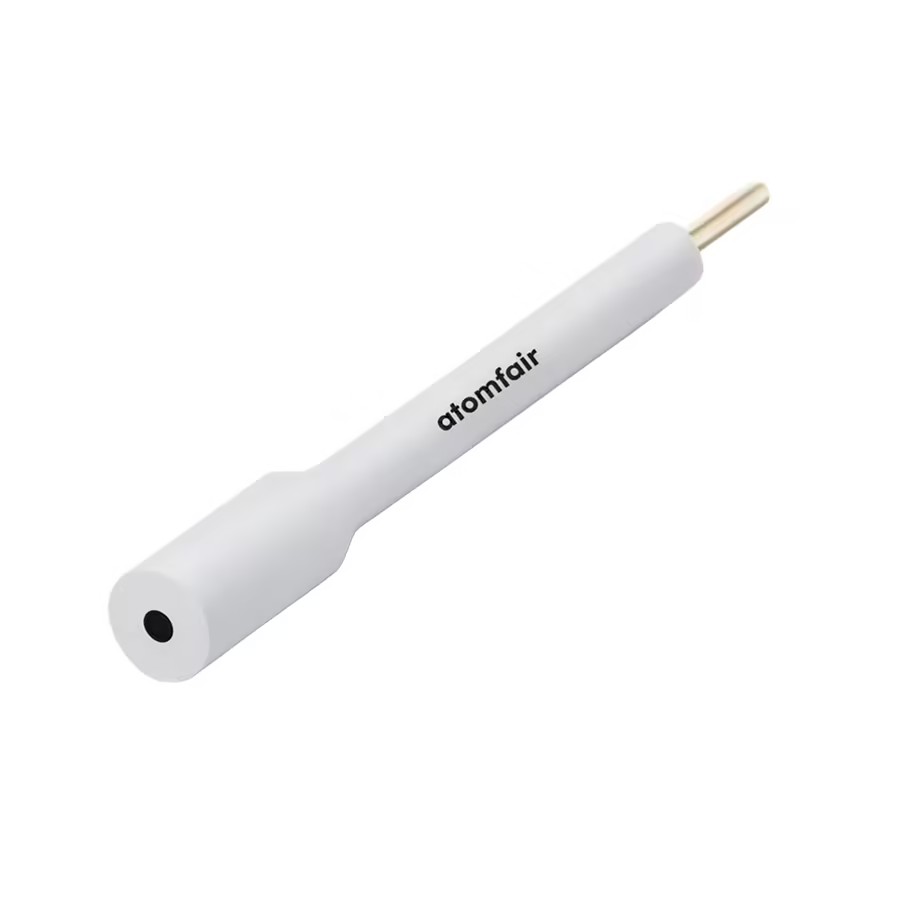
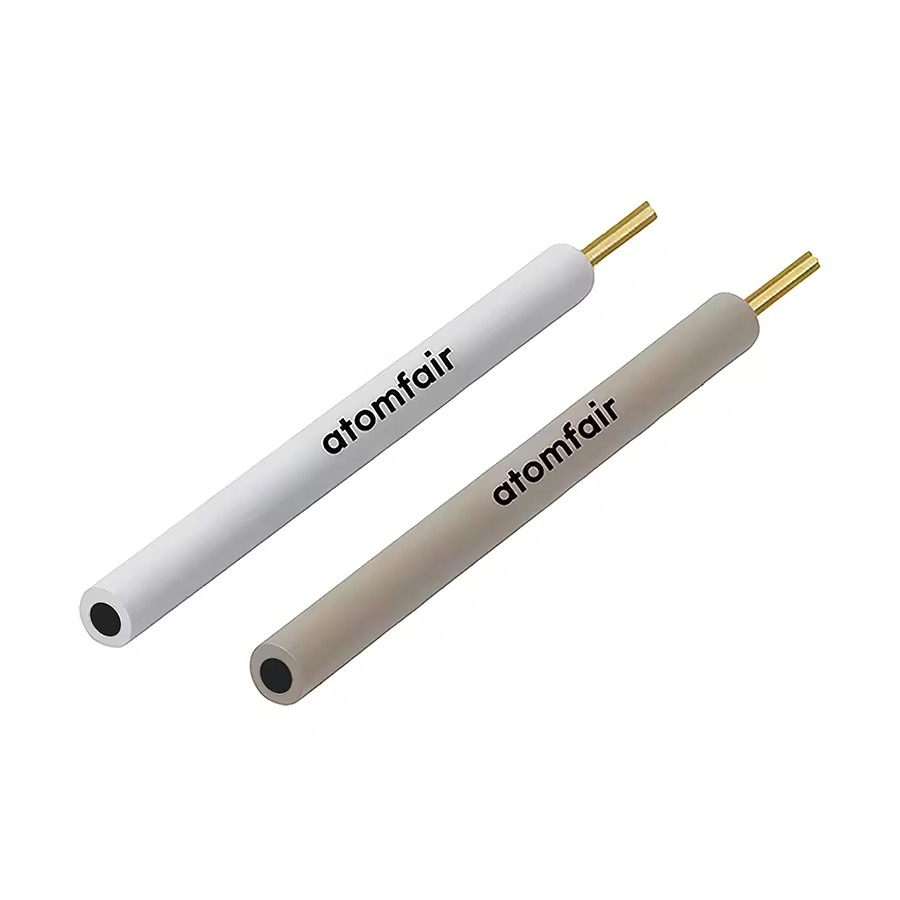
Yes, the gold-plated copper rod connector (1.5×15 mm) is designed for enhanced corrosion resistance and stable conductivity. However, the gold electrode surface is highly sensitive to contamination; the product notice advises handling exclusively within an anhydrous inert environment or keeping the container tightly sealed to prevent degradation before electrochemical validation. For thiol-based SAM studies, this ensures a pristine gold surface essential for reproducible monolayer formation.
What are the recommended storage and handling conditions for the ATOMFAIR T-Shaped Gold Disk Working Electrode to prevent surface contamination?
The electrode must be stored in its secure individual protective container with shock-absorption parameters at all times. Because the surface is highly sensitive to contamination, the manufacturer requires that the container be kept tightly sealed or the electrode handled exclusively within an anhydrous inert environment prior to electrochemical validation to prevent phase contamination or degradation. These conditions maintain the high-purity gold surface and ensure reproducible electrochemical performance.
This T-shaped gold disk working electrode series offers 99.999% purity gold and multiple diameters from 0.5mm to 6mm, providing excellent electrochemical performance and versatility. However, the electrode is highly sensitive to surface contamination, requiring careful handling in inert environments.
Positive
- Ultra-High Purity Gold (99.999%): Constructed from 99.999% pure gold, this electrode minimizes background interference and ensures highly reproducible electrochemical responses across experiments.
- Versatile Diameter Selection: Available in seven diameters from 0.5mm to 6mm, accommodating experimental requirements from micro-electrolysis to bulk solution analysis, with the 0.5mm option suitable for microelectrode applications.
Trade-offs
- Surface Contamination Sensitivity: The electrode is highly sensitive to surface contamination; it must be kept tightly sealed or handled exclusively within an anhydrous inert environment to prevent degradation before electrochemical validation.
Every advanced material, component, equipment, and instrument in our catalog is backed by rigorous testing. We maintain strict internal quality management frameworks and align with CE conformity metrics to deliver transparent, reproducible performance data via our public open-science repository.
To request raw batch performance data, submit formal vendor registration paperwork, or execute a fast-turnaround R&D manufacturing loop, contact us at inquiry@atomfair.com.
Item is dispatched under the Atomfair Shipping & Delivery Framework (Free worldwide shipping on orders over $59 USD excl. heavy equipment). Return is governed by the Atomfair Return & Refund Policy (7-day technical return window).