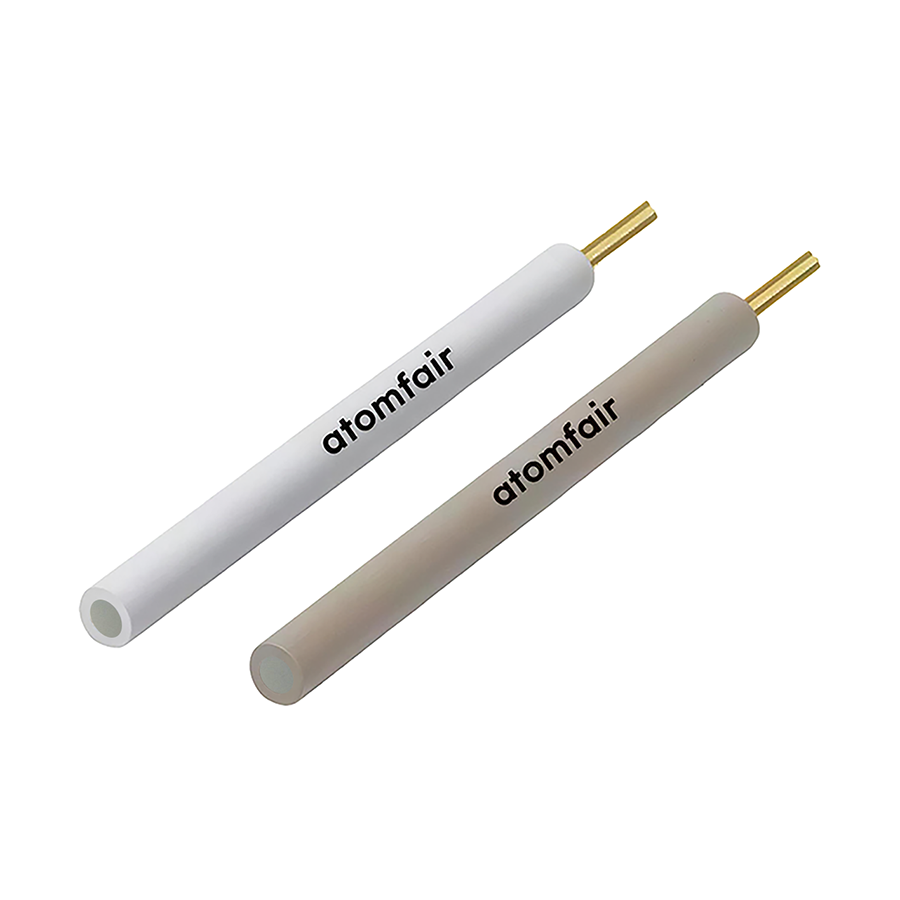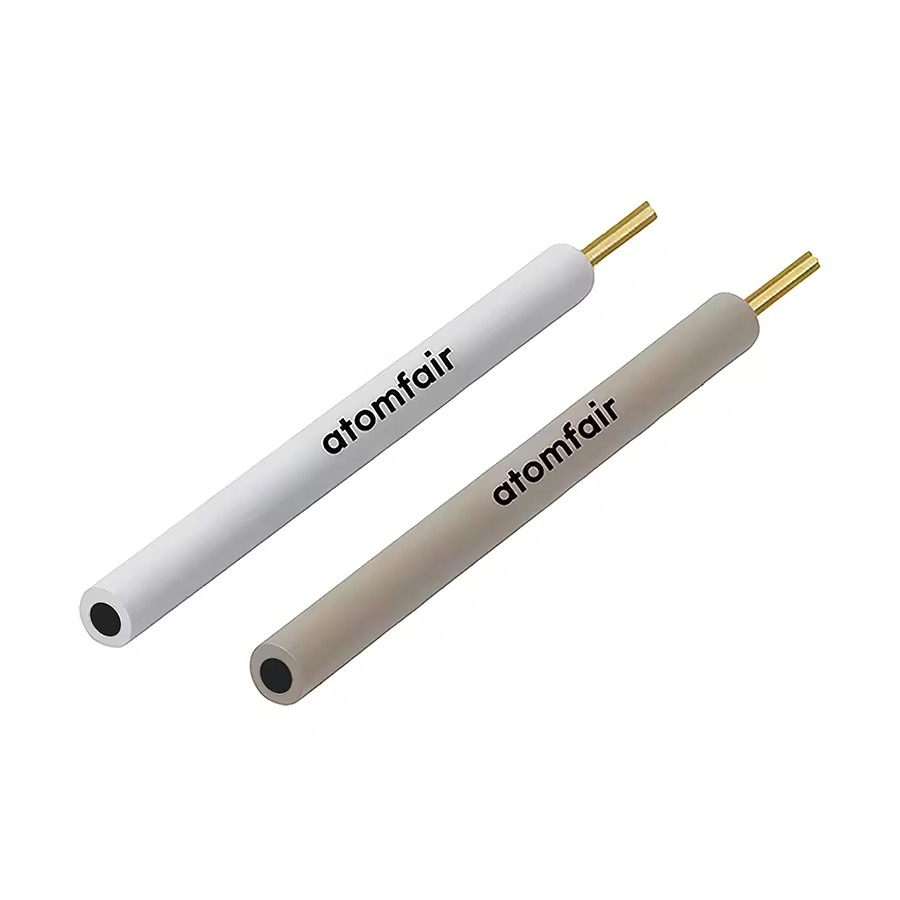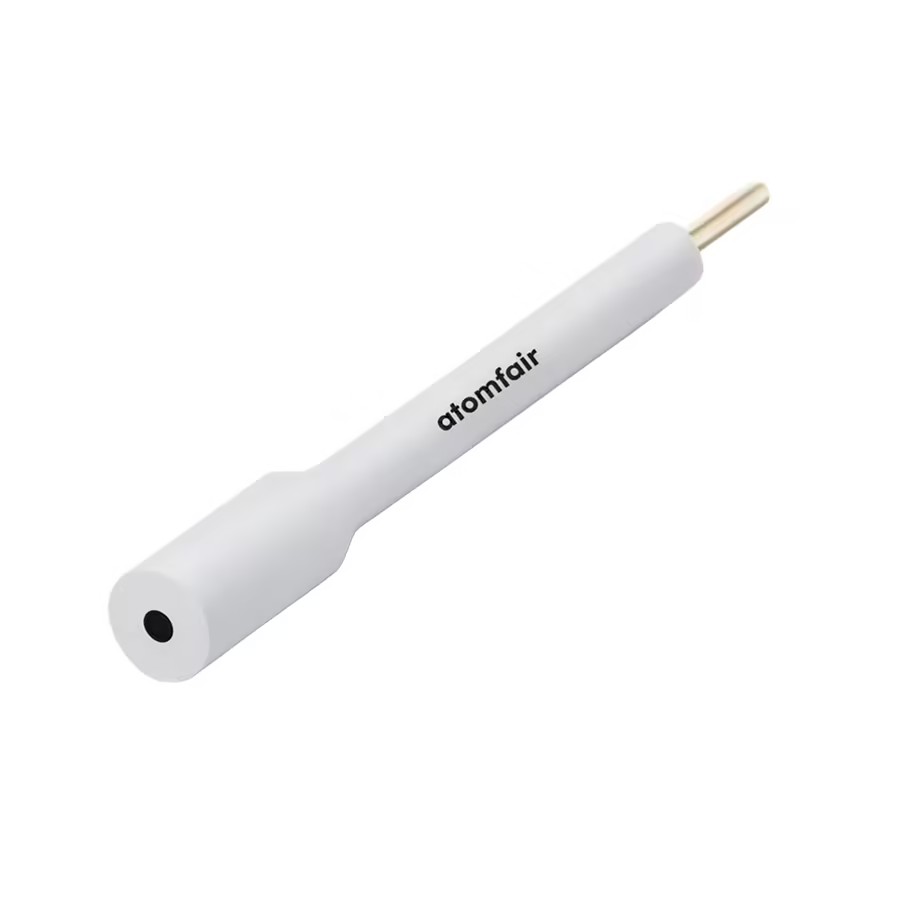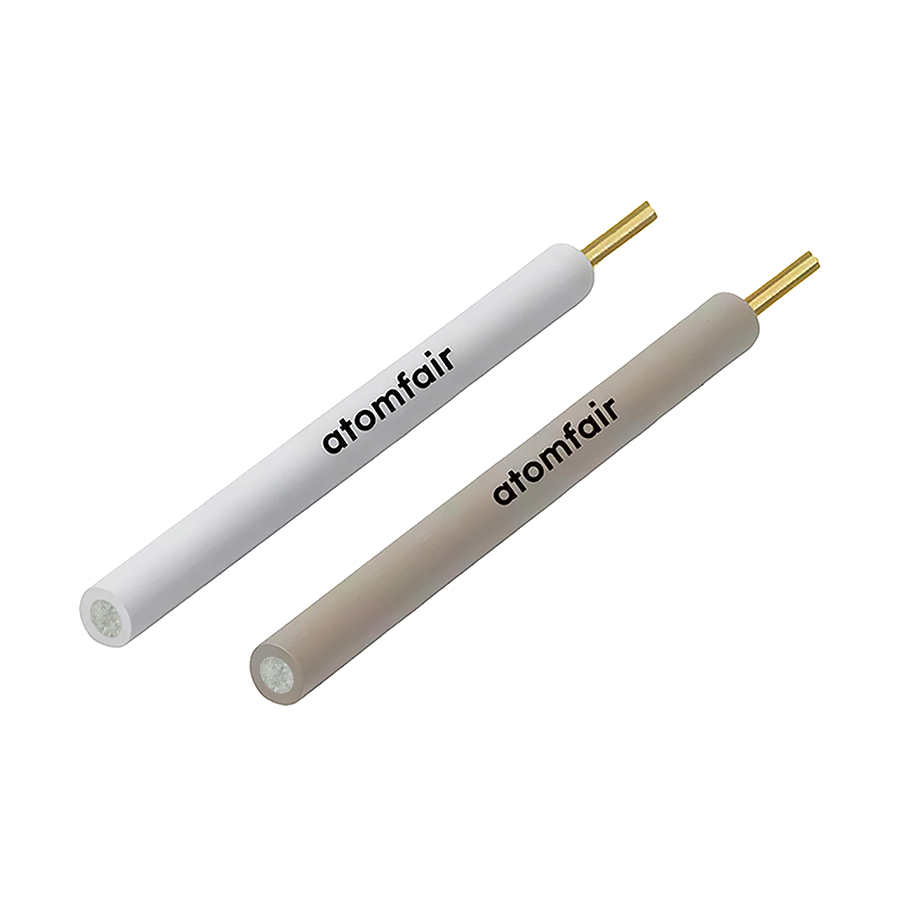
L-Shaped Isotropic Carbon Graphite Working Electrode series | ATOMFAIRRESEARCH GRADE INSTRUMENT
|
|||||||||||||||||||||
|
|||||||||||||||||||||
|
TAILORED SOLUTIONS FOR RESEARCH
Contact our engineering team for technical support or official institutional quotations.
EMAIL: inquiry@atomfair.com
|
|||||||||||||||||||||
|
Manufacturer: Atomfair LLC
Brand: ATOMFAIR®
|
|||||||||||||||||||||
This electrode is highly sensitive to surface contamination and must be stored in tightly sealed containers. Handle exclusively within an anhydrous inert environment to prevent phase contamination or degradation before electrochemical validation.
- Surface Contamination Sensitivity: The electrode surface must be protected from atmospheric moisture and contaminants to maintain electrochemical performance.
How does the choice of diameter (2 mm vs 4 mm) affect the electrochemical performance of the L-shaped isotropic carbon graphite working electrode?
The diameter selection directly influences the electrode surface area and resulting current density. A 2 mm disk provides a smaller active surface suitable for low-background or microelectrode-array-like measurements, while a 4 mm disk offers higher total current for bulk redox systems. Both diameters share the isotropic carbon material's wide potential window and low background current, but the larger diameter may reduce mass-transport effects in stagnant solutions.
What are the critical compatibility requirements for integrating this L-shaped isotropic carbon electrode into a standard three-electrode cell configuration?
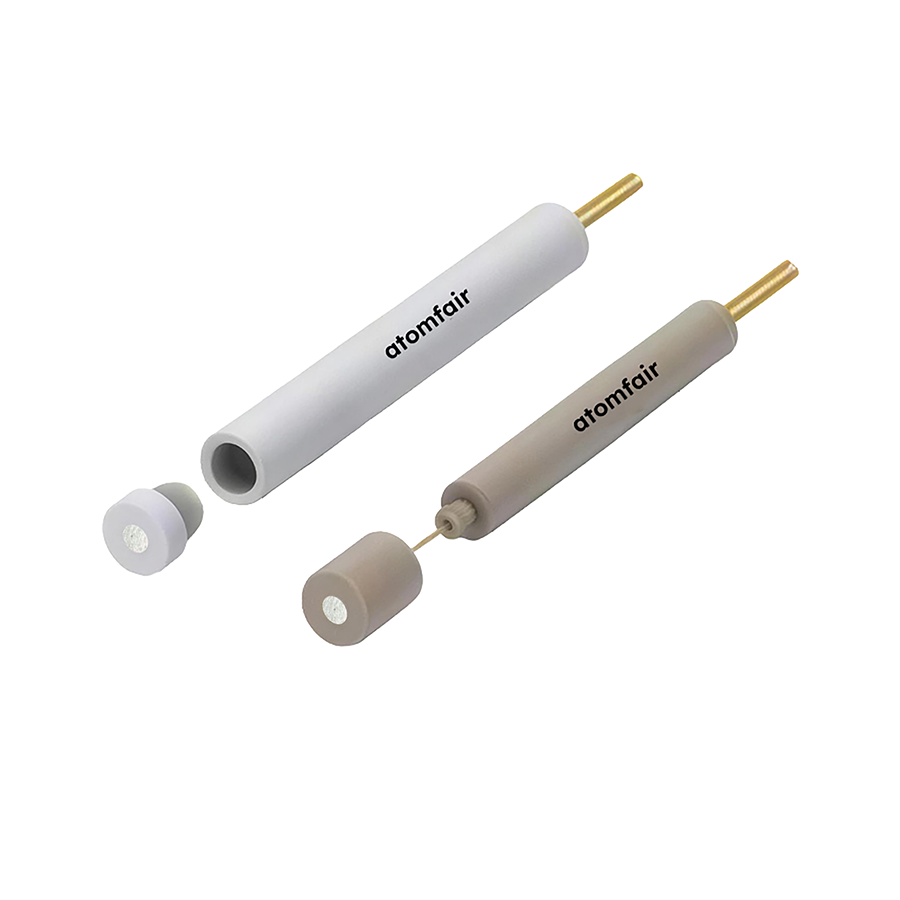
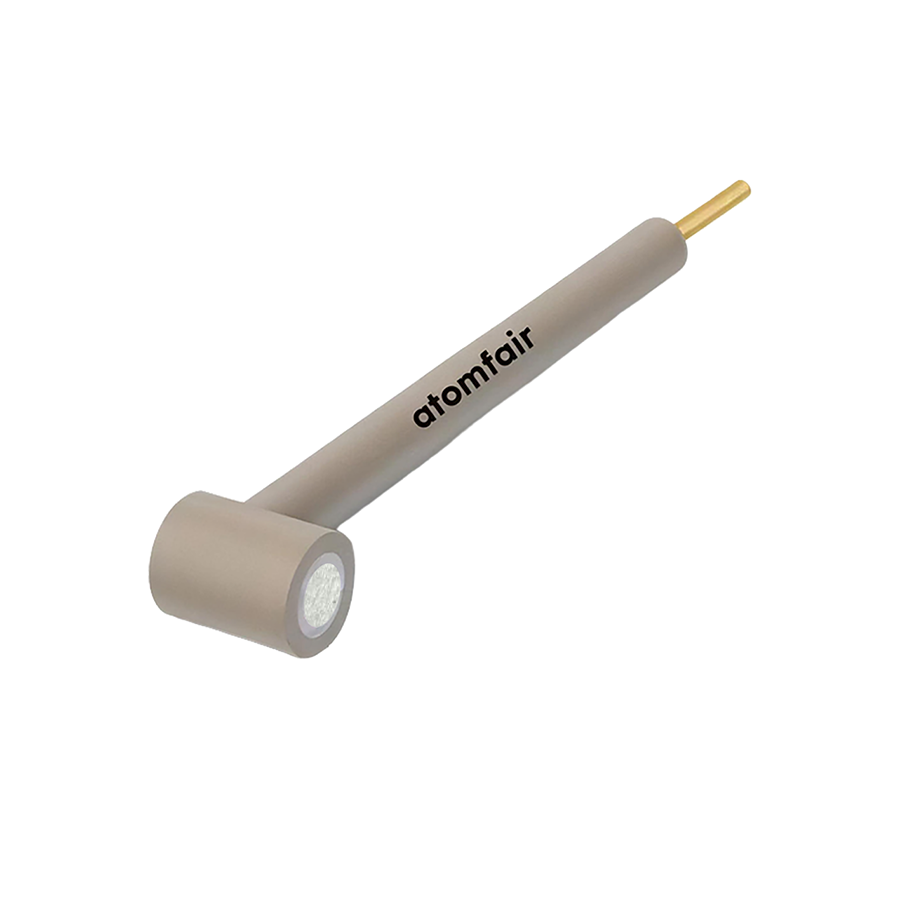
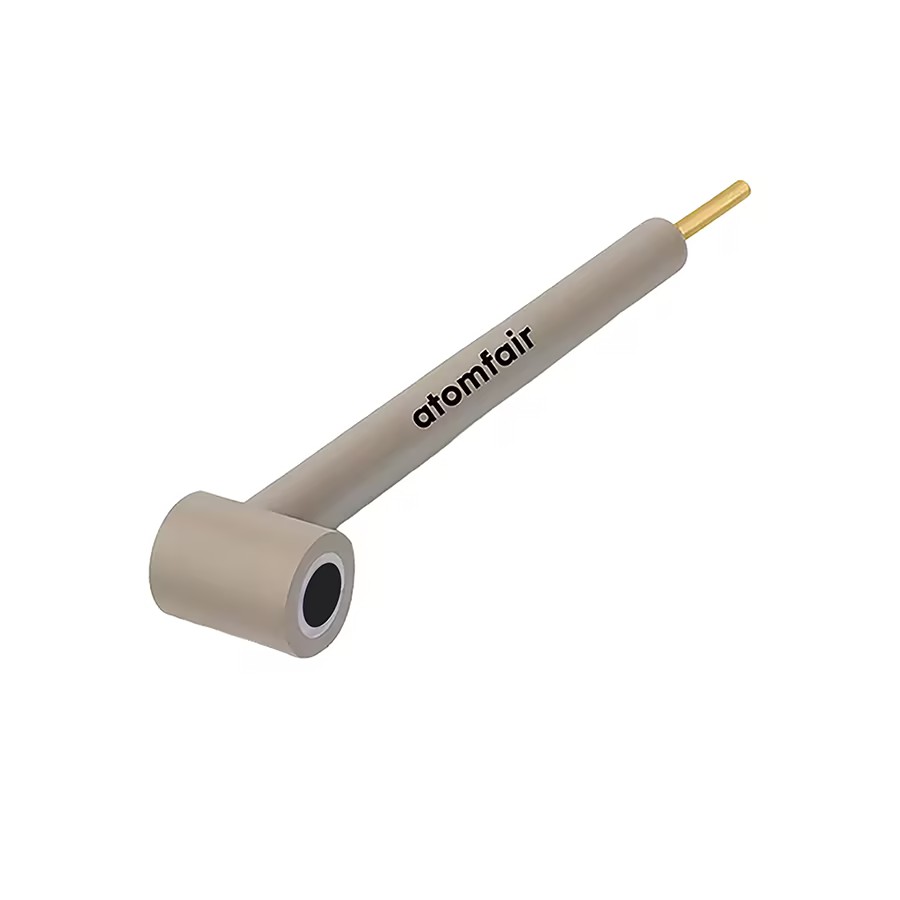
The L-shaped geometry with a 5 mm head length enables flexible positioning but may require a custom cell adapter or counter/reference electrode arrangement to maintain proper alignment in standard cells. The electrode's planar alignment configuration and 2–4 mm disk diameter are designed for specialized cells where straight electrodes cannot fit. Ensure the cell housing accommodates the L-shape without obstructing the working electrode face.
What are the essential storage and handling procedures to prevent surface contamination of the isotropic carbon graphite working electrode before use?
The electrode is highly sensitive to surface contamination and must be stored in its sealed research-grade protective container with shock-absorption packaging. When removing for use, handle exclusively within an anhydrous inert environment to prevent phase contamination or degradation. Exposure to ambient moisture or organics can alter the isotropic carbon's low background current and wide potential window, compromising electrochemical validation.
The ATOMFAIR L-Shaped Isotropic Carbon Graphite Working Electrode offers a wide potential window and low background current for diverse redox systems, with an L-shaped geometry enabling flexible positioning in specialized cell configurations. However, its high sensitivity to surface contamination mandates handling within an anhydrous inert environment, adding procedural overhead in laboratory workflows.
Positive
- Wide potential window and low background current: Isotropic carbon graphite provides a wide potential window and low background current, enhancing signal-to-noise ratio for sensitive electrochemical measurements across various redox systems.
- Flexible L-shaped geometry for cell integration: The optimized L-shaped engineering enables flexible positioning and lower alignment setup thresholds, accommodating specialized electrochemical cell configurations where standard straight electrodes cannot be used.
Trade-offs
- High surface contamination sensitivity: The electrode is highly sensitive to surface contamination, requiring sealed storage and handling exclusively within anhydrous inert environments to prevent phase contamination or degradation before electrochemical validation.
- Requires anhydrous inert environment handling: To maintain electrochemical performance, the electrode must be handled and stored under anhydrous inert conditions, which adds infrastructure requirements and procedural steps not needed with more robust electrode materials.
Every advanced material, component, equipment, and instrument in our catalog is backed by rigorous testing. We maintain strict internal quality management frameworks and align with CE conformity metrics to deliver transparent, reproducible performance data via our public open-science repository.
To request raw batch performance data, submit formal vendor registration paperwork, or execute a fast-turnaround R&D manufacturing loop, contact us at inquiry@atomfair.com.
Item is dispatched under the Atomfair Shipping & Delivery Framework (Free worldwide shipping on orders over $59 USD excl. heavy equipment). Return is governed by the Atomfair Return & Refund Policy (7-day technical return window).