Standard Zinc Working Electrode series | ATOMFAIRRESEARCH GRADE INSTRUMENT
|
|||||||||||||||||||||||
|
|||||||||||||||||||||||
|
TAILORED SOLUTIONS FOR RESEARCH
Contact our engineering team for technical support or official institutional quotations.
EMAIL: inquiry@atomfair.com
|
|||||||||||||||||||||||
|
Manufacturer: Atomfair LLC
Brand: ATOMFAIR®
|
|||||||||||||||||||||||
This electrode is highly sensitive to surface contamination and requires handling exclusively within an anhydrous inert environment. Proper storage in sealed containers is essential to prevent phase contamination or degradation before electrochemical validation.
- Surface Contamination Sensitivity: The electrode surface is highly sensitive to contamination and must be protected from ambient exposure.
- Anhydrous Inert Environment: All handling and storage must be conducted within an anhydrous inert atmosphere to prevent phase contamination.
- Storage Container Requirement: The electrode must be stored in a secure, sealed container with shock-absorption to maintain integrity.
- Pre-Use Verification: Before electrochemical validation, inspect the electrode for any signs of surface degradation or contamination.
What are the performance trade-offs of using a 3 mm versus a 1 mm or 10 mm zinc working electrode for battery research?
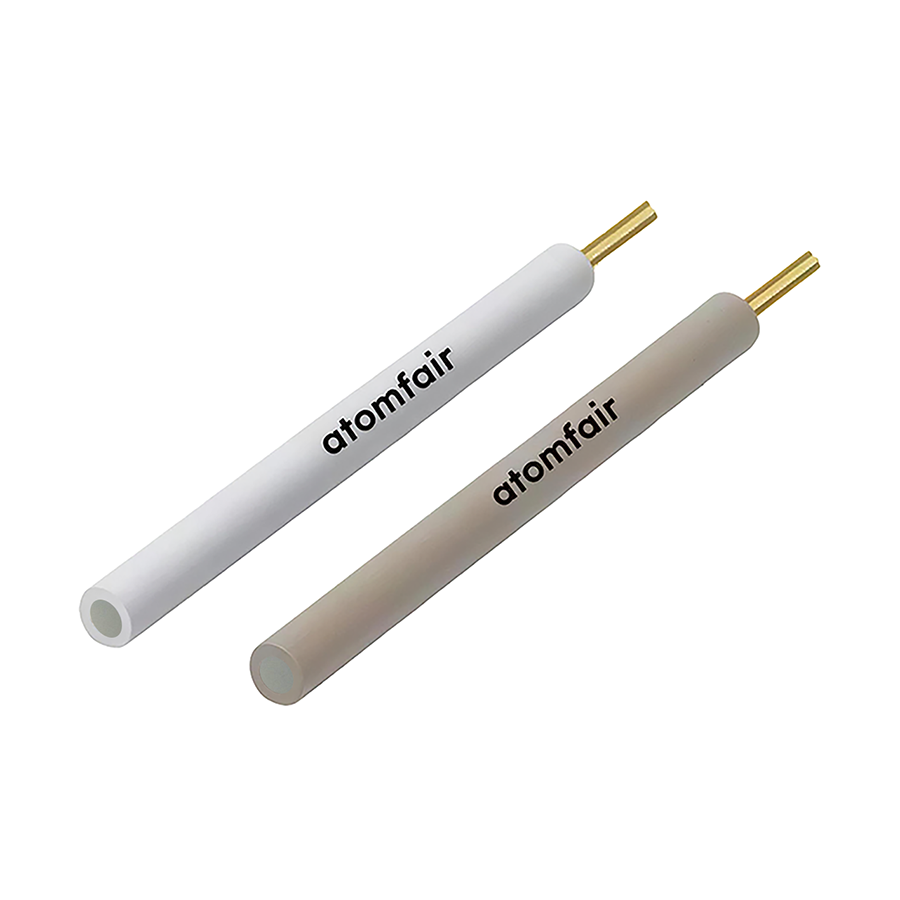
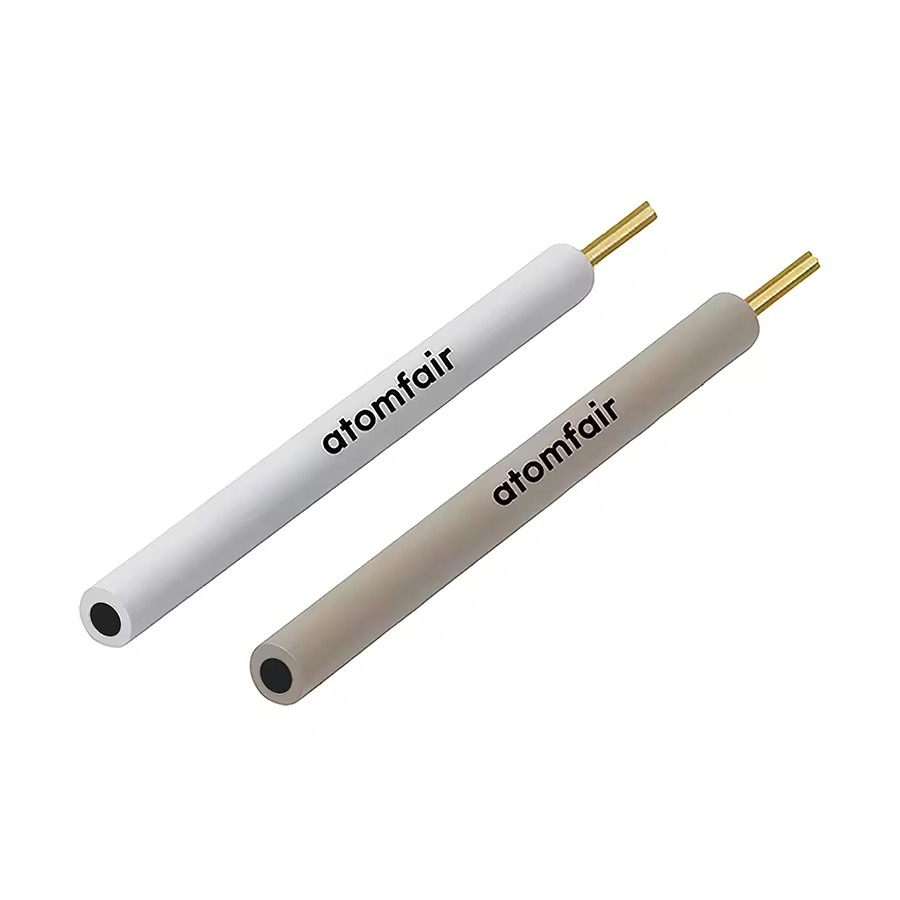
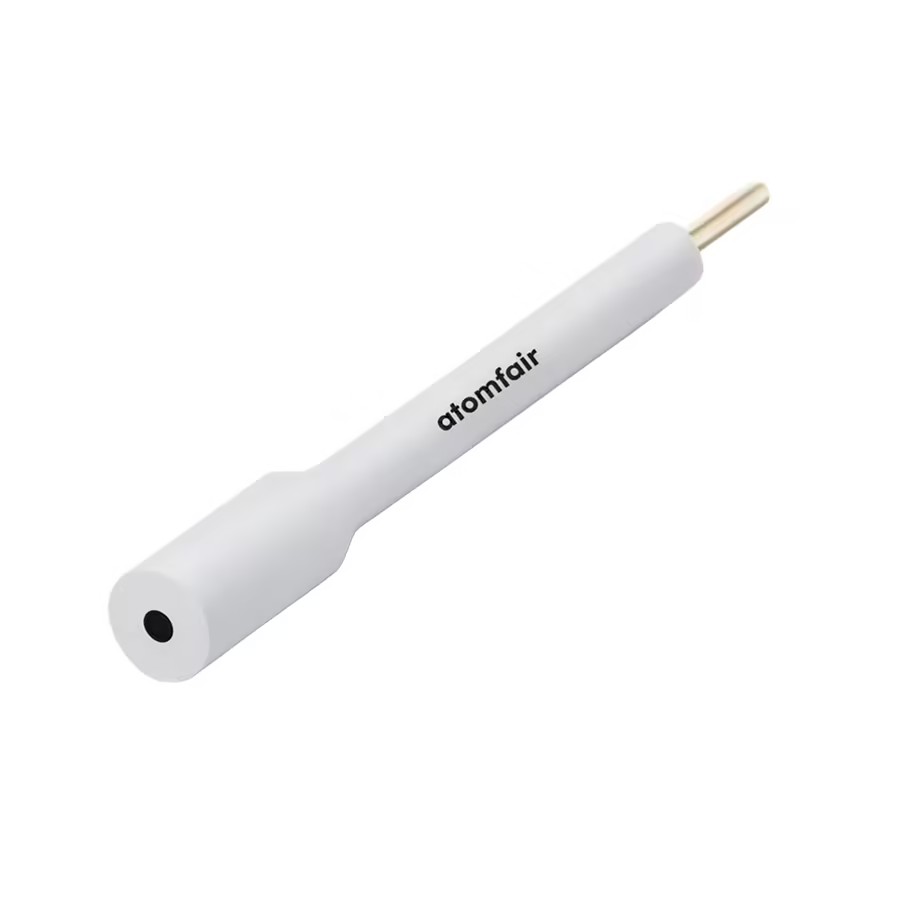
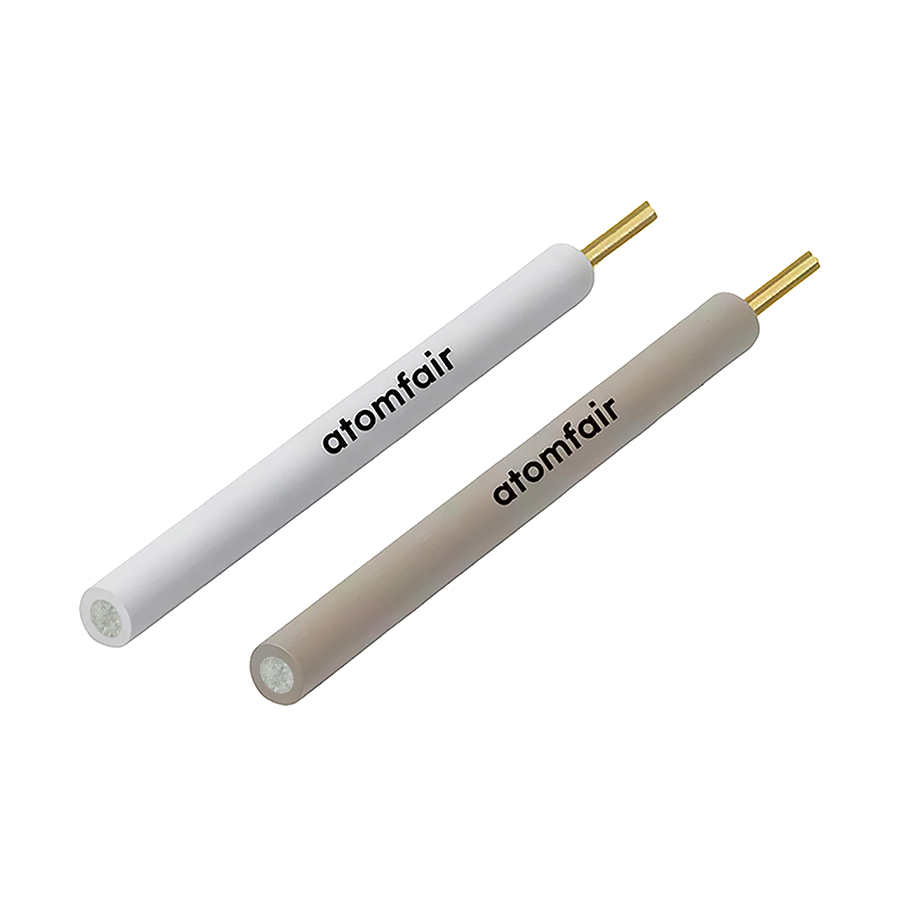
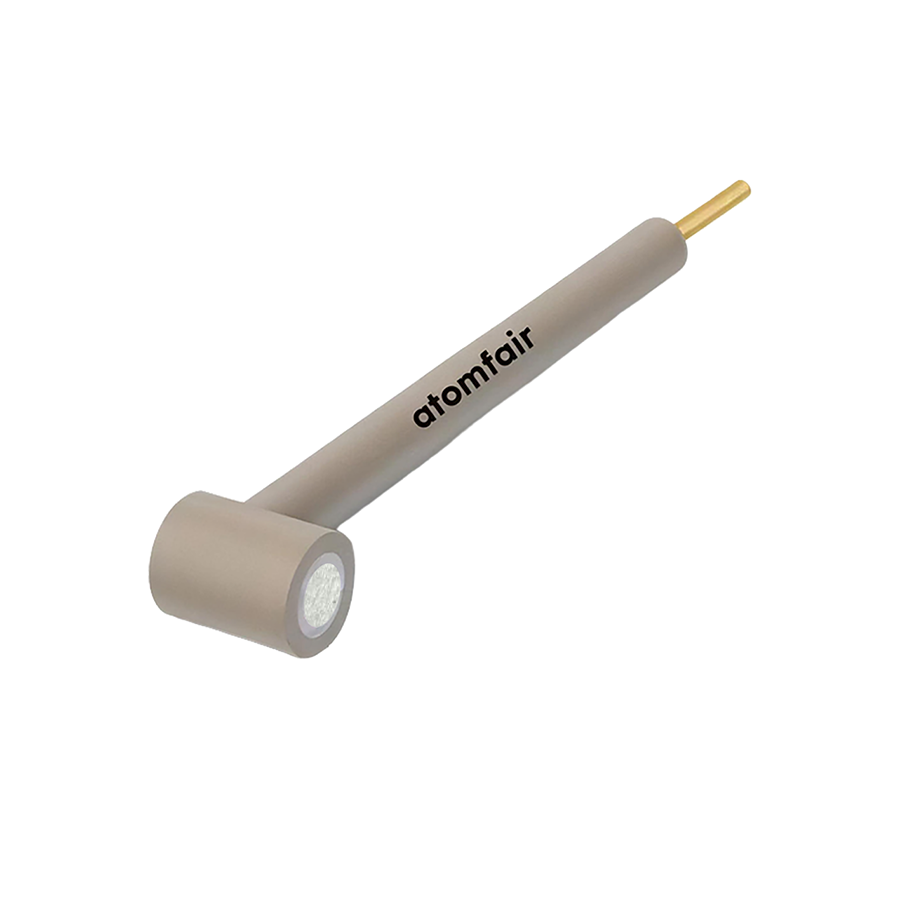
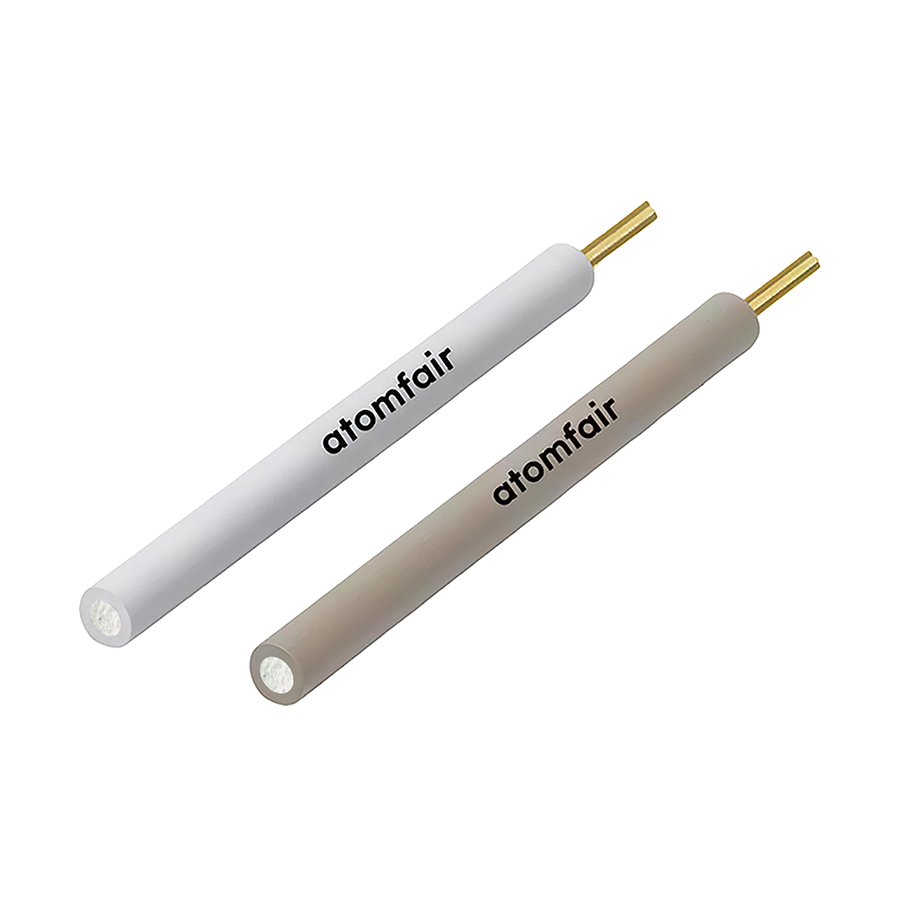
The 3 mm diameter provides a moderate electroactive area that balances current density and cell compatibility, making it the standard choice for battery studies. Smaller 1 mm electrodes enable micro-electrolysis experiments but limit measurable currents, while larger 10 mm electrodes can supply higher currents but require larger counter electrodes and electrolyte volumes. All diameters maintain leak-proof PTFE encapsulation and 5 mm head length, ensuring consistent baseline stability across the size range.
Is the Standard Zinc Working Electrode compatible with rotating disk electrode (RDE) systems, and what integration constraints apply?
Yes, the straight cylindrical geometry and PTFE encapsulation are explicitly designed to fit standard three-electrode cells and rotating disk electrode setups. The 5 mm electrode head length and 3 mm diameter match common RDE collet dimensions, though custom diameters from 1–10 mm may require adapter sleeves. Surface contamination must be avoided before mounting, as the zinc material is highly sensitive to impurities that can degrade RDE performance.
What handling and storage conditions are required to prevent surface degradation of the zinc working electrode before use?
The zinc working electrode is highly sensitive to surface contamination and must be stored in sealed research-grade containers under anhydrous inert atmosphere to prevent phase contamination or degradation. Handling should be performed exclusively in a glovebox or inert-gas environment to avoid exposure to moisture and oxygen. Failure to maintain these conditions can compromise baseline stability and experimental reproducibility.
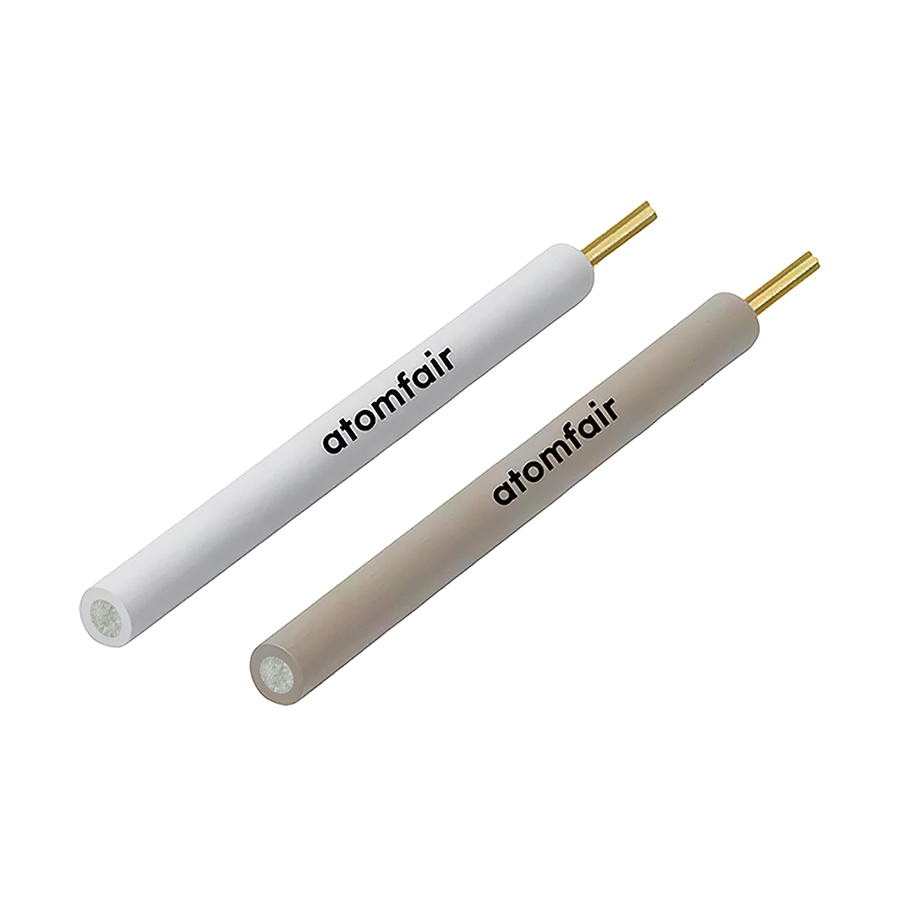
The ATOMFAIR Standard Zinc Working Electrode (3mm diameter) offers a specialized zinc electrode with PTFE leak-proof encapsulation, ideal for corrosion and battery studies, but requires careful handling to avoid surface contamination.
Positive
- Specialized zinc material for targeted electrochemistry: The high-grade zinc disk provides specific electrochemical characteristics suitable for corrosion research, battery development, and selected redox systems, enabling reliable and reproducible measurements.
- PTFE leak-proof encapsulation ensures baseline stability: The advanced PTFE jacket prevents electrolyte seepage, maintaining baseline stability and protecting the electrode seal during long-term experiments, reducing experimental variability.
Trade-offs
- Surface contamination sensitivity requires inert handling: The electrode is highly sensitive to surface contamination; containers must be kept tightly sealed and handling should be performed exclusively within an anhydrous inert environment to prevent phase contamination or degradation before use.
Every advanced material, component, equipment, and instrument in our catalog is backed by rigorous testing. We maintain strict internal quality management frameworks and align with CE conformity metrics to deliver transparent, reproducible performance data via our public open-science repository.
To request raw batch performance data, submit formal vendor registration paperwork, or execute a fast-turnaround R&D manufacturing loop, contact us at inquiry@atomfair.com.
Item is dispatched under the Atomfair Shipping & Delivery Framework (Free worldwide shipping on orders over $59 USD excl. heavy equipment). Return is governed by the Atomfair Return & Refund Policy (7-day technical return window).