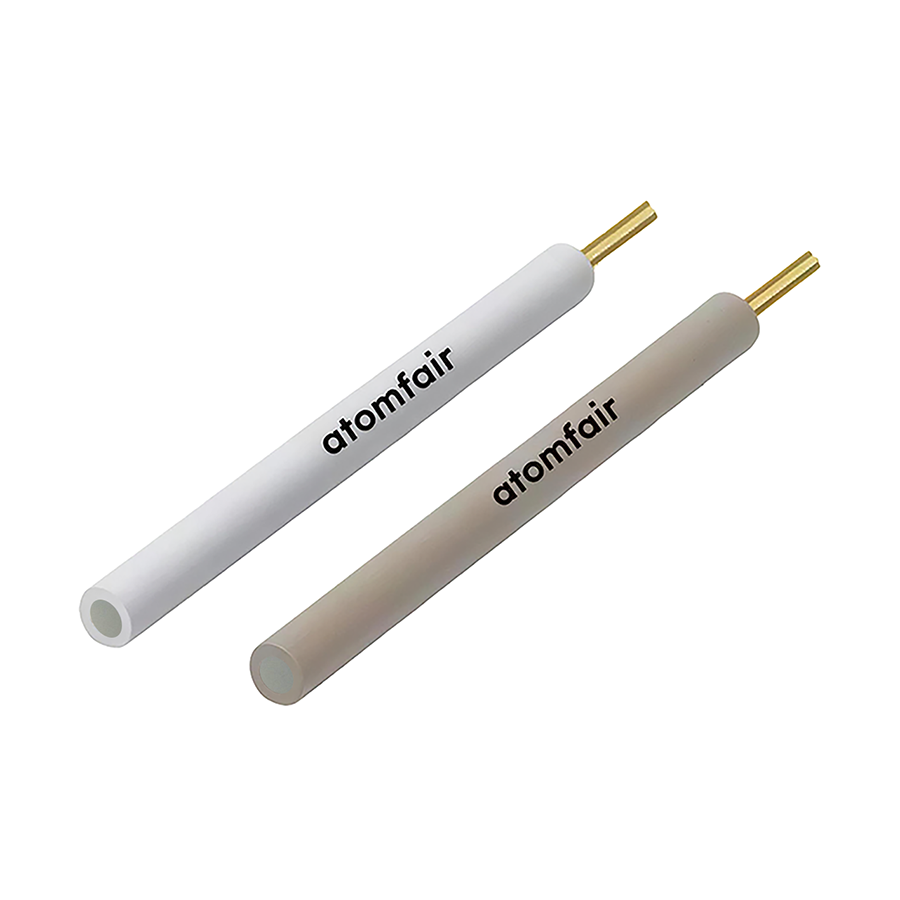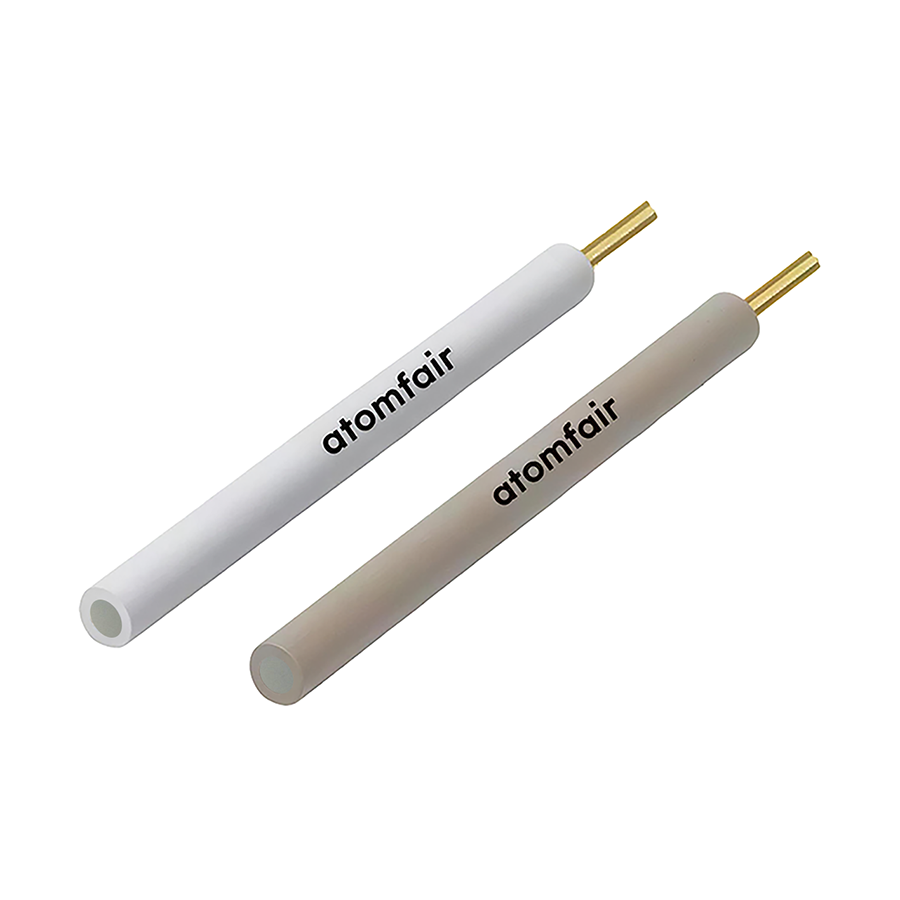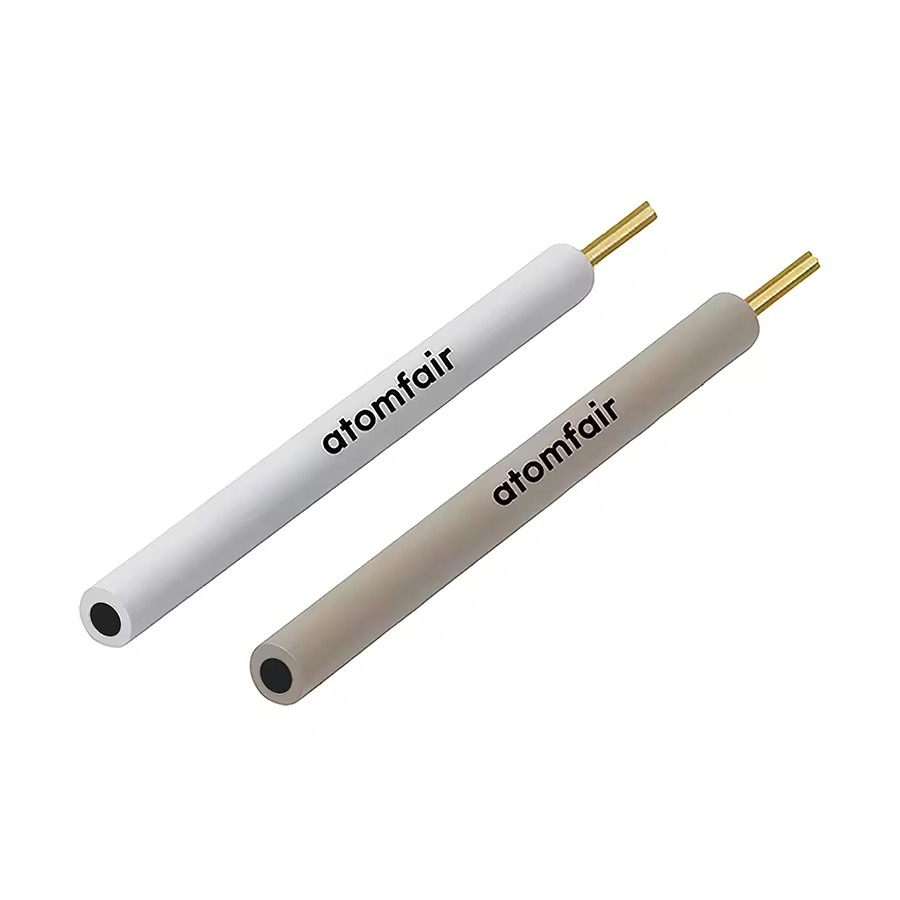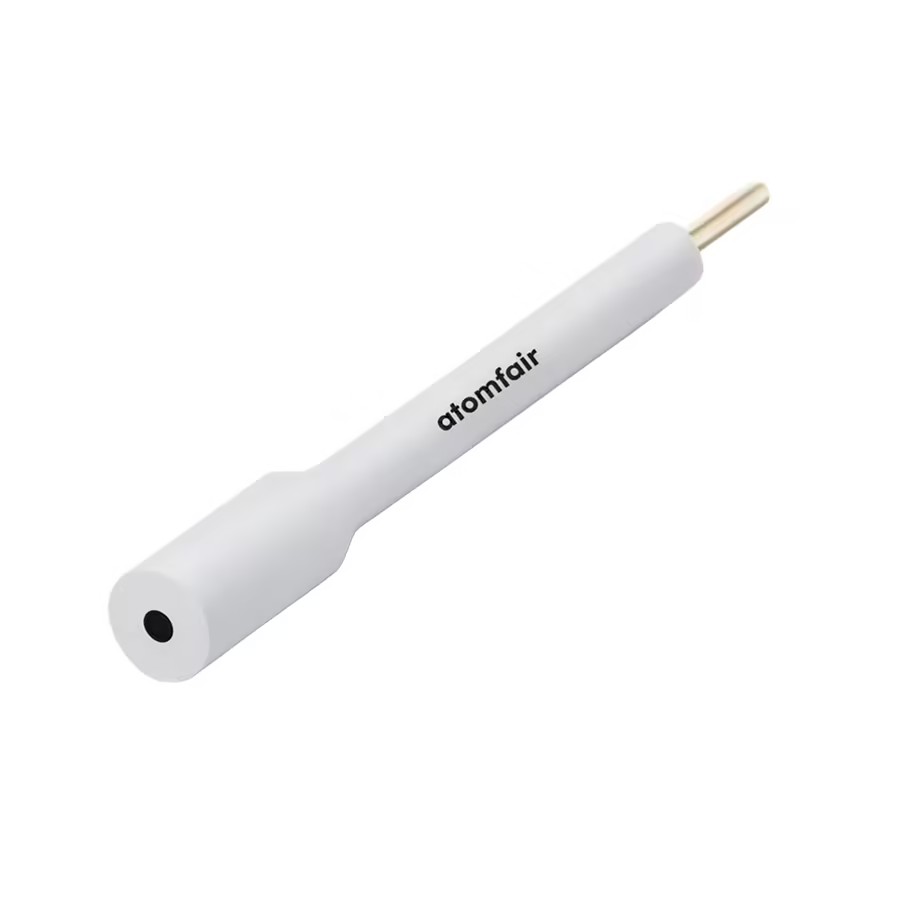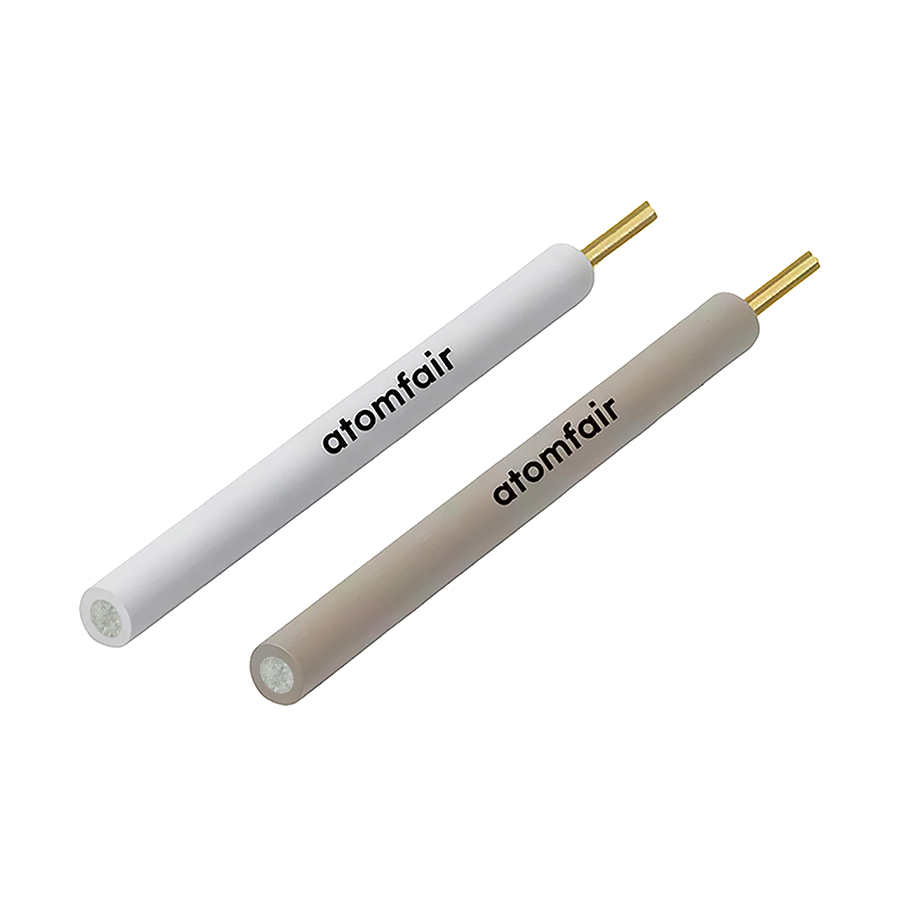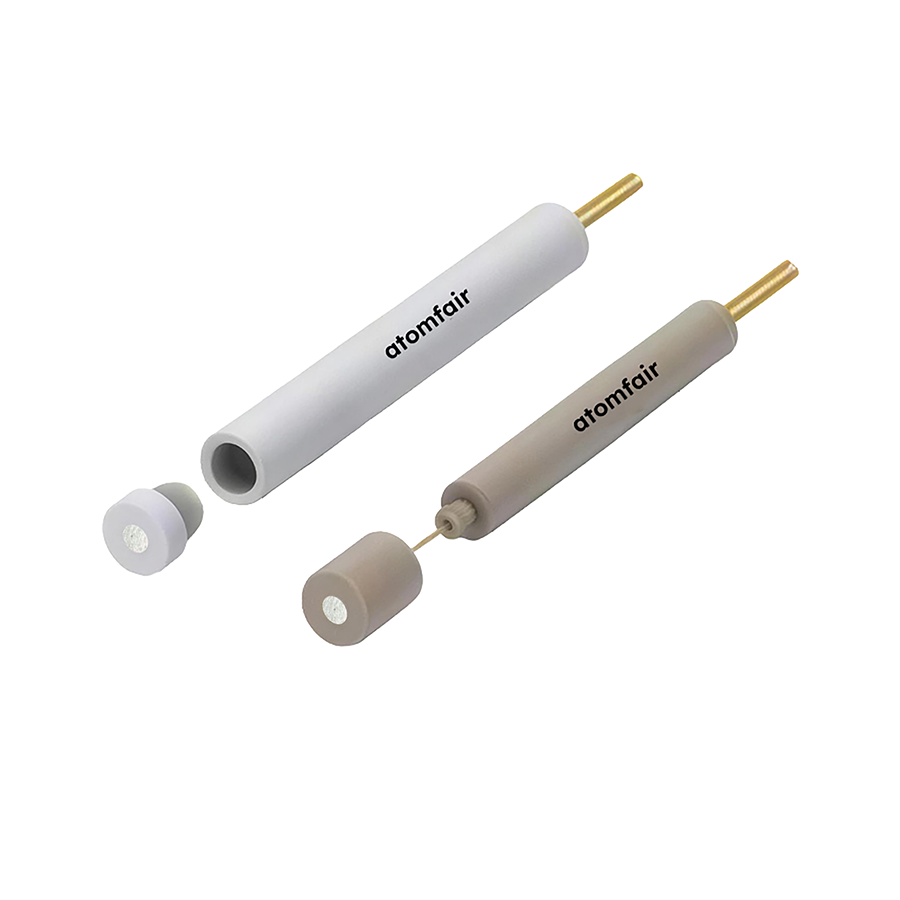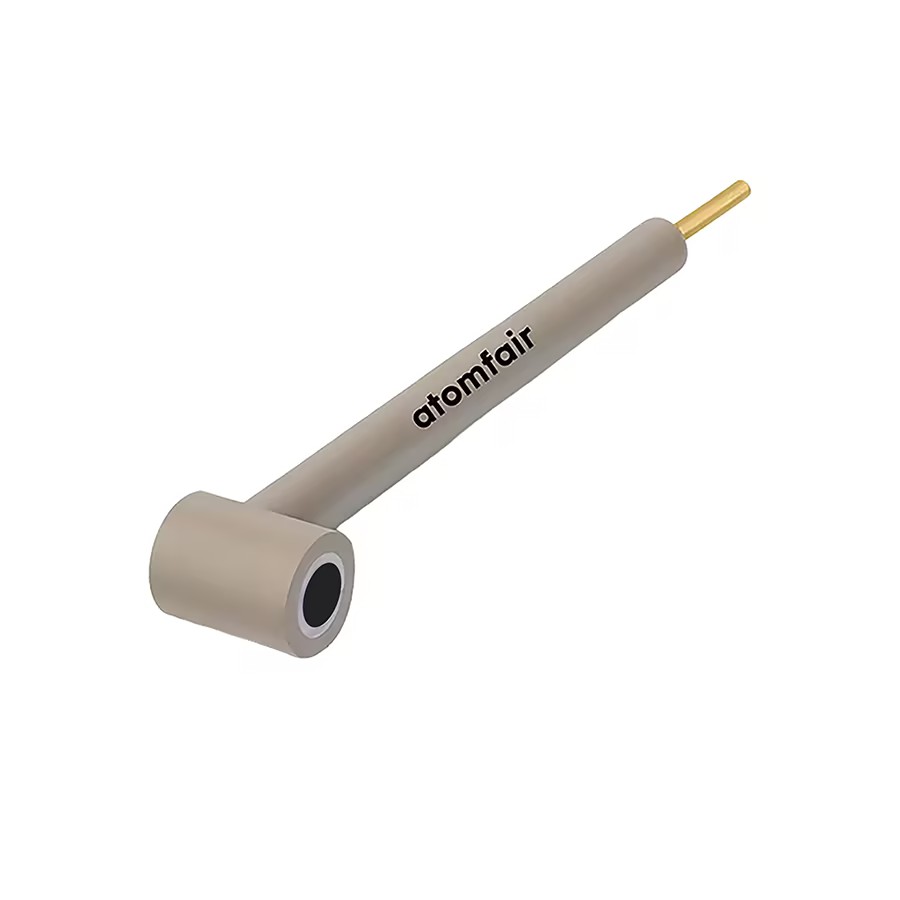
L-Shaped Glassy Carbon WORKING ELECTRODE series | ATOMFAIRRESEARCH GRADE INSTRUMENT
|
|||||||||||||||||||||||
|
|||||||||||||||||||||||
|
TAILORED SOLUTIONS FOR RESEARCH
Contact our engineering team for technical support or official institutional quotations.
EMAIL: inquiry@atomfair.com
|
|||||||||||||||||||||||
|
Manufacturer: Atomfair LLC
Brand: ATOMFAIR®
|
|||||||||||||||||||||||
The electrode surface is highly sensitive to contamination, necessitating storage in sealed containers. Handling must be performed within an anhydrous inert environment to prevent degradation before electrochemical validation.
- Surface Contamination Sensitivity: The glassy carbon surface is prone to contamination from airborne particles and moisture, affecting electrochemical performance.
- Storage Requirement: Containers must be kept tightly sealed to maintain electrode integrity.
- Handling Environment: Exposure to ambient atmosphere should be avoided; use an anhydrous inert environment for all handling steps.
- Degradation Risk: Phase contamination or degradation can occur if the electrode is not properly protected before use.
How does the choice of electrode diameter affect electrochemical performance and charge transfer kinetics in the L-shaped glassy carbon working electrode?
The electrode diameter directly determines the active surface area available for electrochemical reactions, with larger diameters (up to 20 mm) providing higher total current but possibly lower current density due to reduced mass transport efficiency. The source confirms that the homogeneous material purity ensures reproducible electrochemical responses across all diameter options (1 mm to 20 mm), but specific charge transfer kinetics may vary with size due to differences in edge-to-surface ratio. For optimal performance, select a diameter that balances the required current magnitude with the desired mass transport regime for your specific electrolyte system.
Is this L-shaped glassy carbon electrode compatible with standard three-electrode electrochemical cells, or does it require specialized cell configurations?
The L-shaped geometry is specifically engineered for flexible positioning and seamless integration into specialized electrochemical cell configurations where standard straight electrodes may not be suitable, such as those requiring angled or constrained access. The source states that the design promotes ideal electrical contact and lowers alignment setup thresholds, but it does not explicitly guarantee direct compatibility with conventional straight-electrode cell designs. Researchers should verify cell geometry and expected orientation against the 5 mm electrode head length and chosen diameter before integration.
What surface contamination prevention measures are required for the L-shaped glassy carbon electrode during storage and handling?
The electrode is highly sensitive to surface contamination, requiring storage in tightly sealed research-grade protective containers with shock-absorption parameters to maintain purity. For handling, the source mandates performing all operations exclusively within an anhydrous inert environment to prevent phase contamination or degradation before electrochemical validation. Any exposure to atmospheric moisture or particulates can compromise the homogeneous material purity and lead to baseline variability, so strict inert atmosphere protocols are essential.
The ATOMFAIR L-Shaped Glassy Carbon Working Electrode (SKU AF-EC-E-LSHA-DIAM-P046) offers homogeneous glassy carbon purity and an L-shaped geometry for flexible integration into specialized electrochemical cells, but requires strict inert handling to avoid surface contamination and only a subset of diameters are available as standard options without custom ordering.
Positive
- Homogeneous glassy carbon purity: The electrode features highly uniform elemental distribution across the surface, ensuring reproducible electrochemical responses and consistent charge transfer kinetics across experiments.
- L-shaped geometry for flexible positioning: The L-shaped design allows lower alignment setup thresholds and seamless integration into specialized electrochemical cell configurations where standard straight electrodes cannot be accommodated.
Trade-offs
- Surface contamination sensitivity: The glassy carbon surface is highly sensitive to contamination; containers must be kept sealed or handled exclusively within an anhydrous inert environment to prevent degradation before use.
- Limited standard diameter options: Only diameters 2, 3, 4, 5, 6, 8, and 10 mm are offered as standard variations; other sizes from 1 to 20 mm require contacting customer service for custom ordering.
Every advanced material, component, equipment, and instrument in our catalog is backed by rigorous testing. We maintain strict internal quality management frameworks and align with CE conformity metrics to deliver transparent, reproducible performance data via our public open-science repository.
To request raw batch performance data, submit formal vendor registration paperwork, or execute a fast-turnaround R&D manufacturing loop, contact us at inquiry@atomfair.com.
Item is dispatched under the Atomfair Shipping & Delivery Framework (Free worldwide shipping on orders over $59 USD excl. heavy equipment). Return is governed by the Atomfair Return & Refund Policy (7-day technical return window).