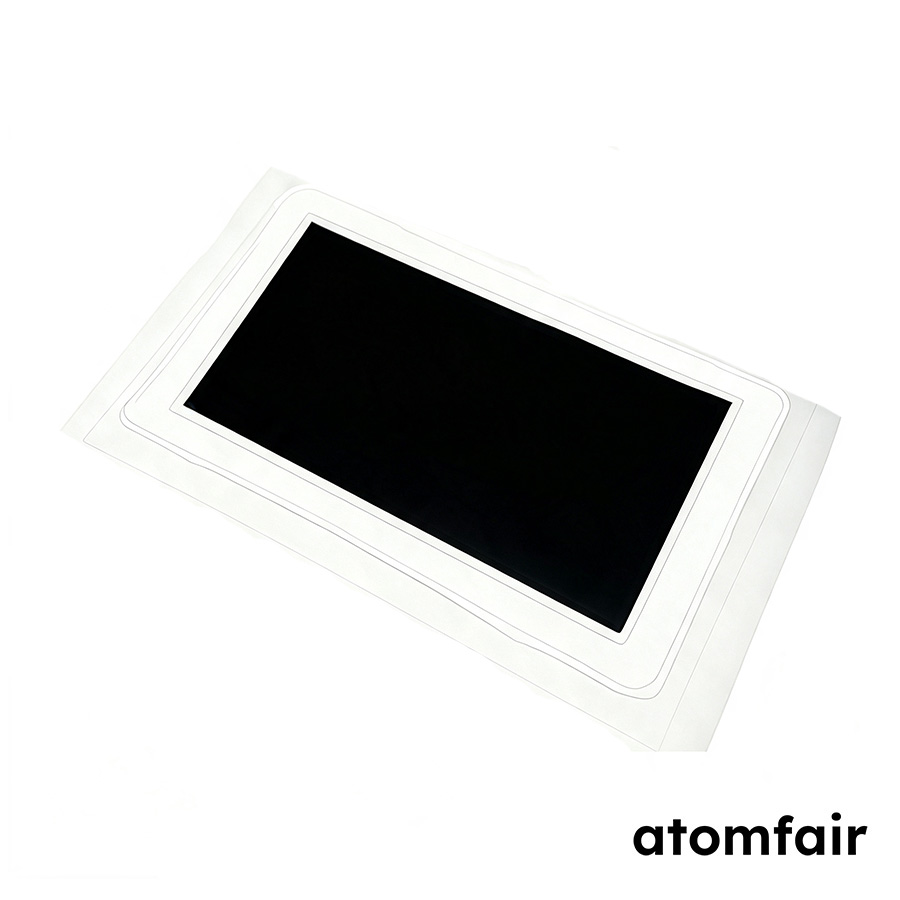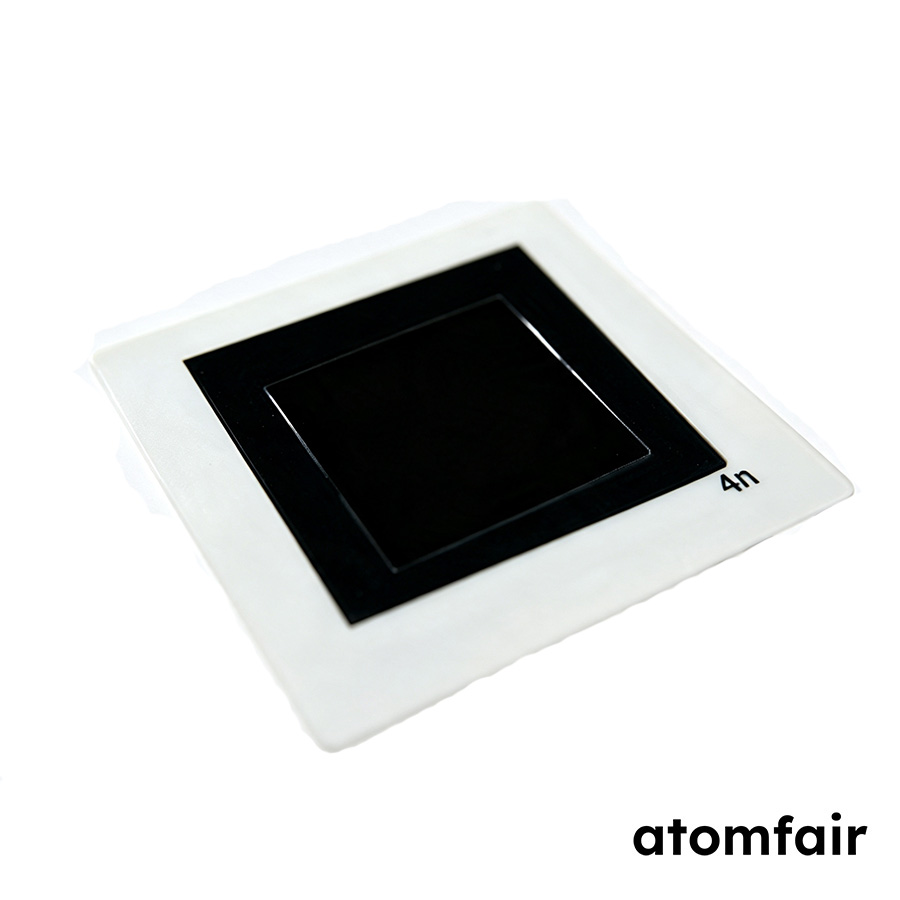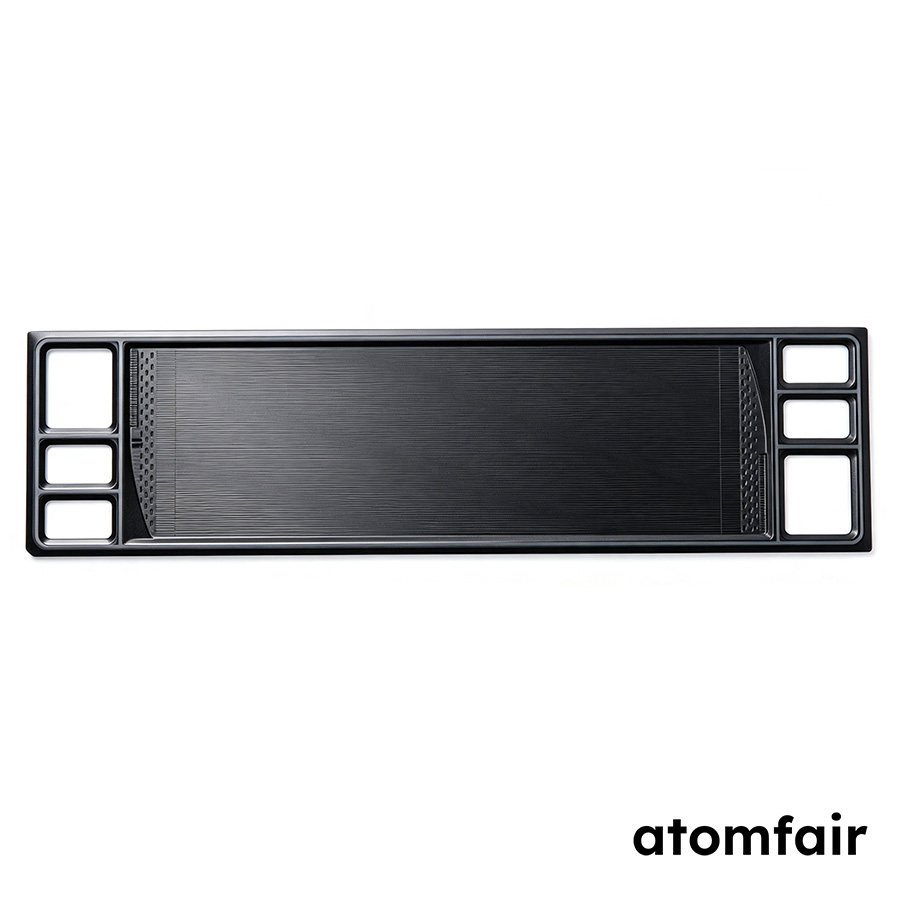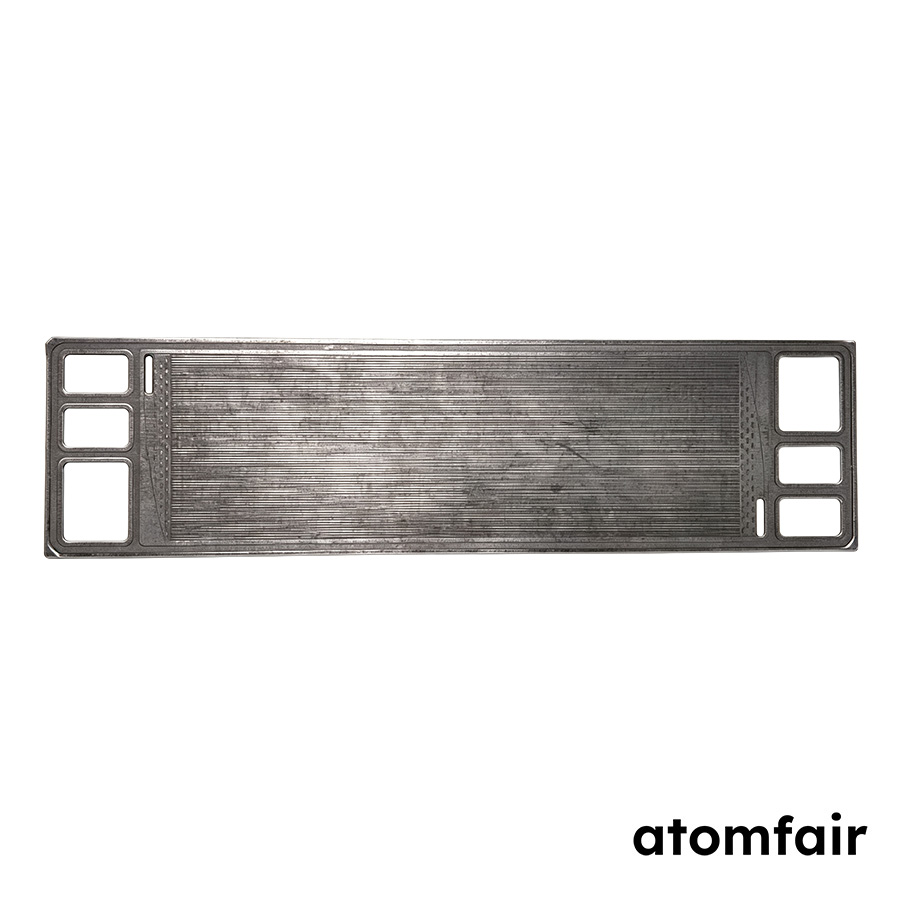
SOLID POLYMER ELECTROLYTE FUEL CELL MEMBRANESRESEARCH GRADE MATERIAL
|
|||||||||||||||||||||||||||||||||||||||||||||||||||||||||||||||||||||||||||||||
|
|||||||||||||||||||||||||||||||||||||||||||||||||||||||||||||||||||||||||||||||
|
TAILORED SOLUTIONS FOR RESEARCH
Contact our engineering team for technical support or official quotations.
EMAIL: INQUIRY@ATOMFAIR.COM
|
|||||||||||||||||||||||||||||||||||||||||||||||||||||||||||||||||||||||||||||||
|
Manufacturer: ATOMFAIR LLC
|
|||||||||||||||||||||||||||||||||||||||||||||||||||||||||||||||||||||||||||||||
This document outlines the environmental and handling constraints for the fuel cell membrane series to prevent deformation and maintain integrity. The membrane is chemically compatible with strong acids, heavy alkaline mediums, and aggressive oxidizing agents, but requires controlled storage to avoid drying.
- Chemical Compatibility: The membrane operates reliably in environments containing strong acids, heavy alkaline mediums, and intensive oxidizers.
- Drying Sensitivity: Extended ambient drying exposure causes localized membrane deformation and must be avoided.
- Storage Requirement: Unsealed membranes must be kept inside vacuum-locked environmental storage compartments.
- Handling Personnel: The membrane must be operated strictly by qualified laboratory staff.
Proper storage and handling of the membranes prevent deformation and maintain performance. Follow these steps to ensure the membrane remains intact and ready for use.
Required Equipment: Vacuum-locked environmental storage container, Humidity-controlled environment
- Inspect the membrane
Inspect the membrane for any visible defects or deformation before use. - Store unsealed membranes
Store unsealed membranes in a vacuum-locked environmental storage compartment to prevent moisture loss. - Handle in controlled environment
Handle the membrane only in a humidity-controlled environment to avoid drying.
What is the trade-off between membrane thickness and chemical durability or mechanical cycle life across the FC-S series variants?
The FC-S10 (10 μm) offers a mechanical lifetime of 20,000 cycles at 80°C and a chemical-mechanical coupling of 20,000 cycles at 90°C, with a chemical durability of 800 hours at 90°C-30% RH. In contrast, the FC-S18 (18 μm) provides 1500 hours of chemical durability under the same conditions but no mechanical cycle data is listed. Thinner membranes like FC-S10 prioritize mechanical endurance, while thicker ones like FC-S18 enhance chemical stability, though all variants maintain hydrogen permeability ≤2×10⁻⁹ cm³·cm/(cm²·s·Pa).
What are the recommended operating conditions for these solid polymer electrolyte membranes in terms of temperature and humidity?
The membranes are tested under humidified fuel cell runs, with proton conductivity measured at ≥30 to ≥50 mS/cm at 85°C and 50% RH. Chemical durability is evaluated at 90°C and 30% RH. They are designed for high-output fuel cell applications including automotive, logistics, UAVs, and CHP systems, but the product documentation does not specify a full operating range beyond these test conditions.
What are the critical storage and handling requirements to prevent membrane degradation?
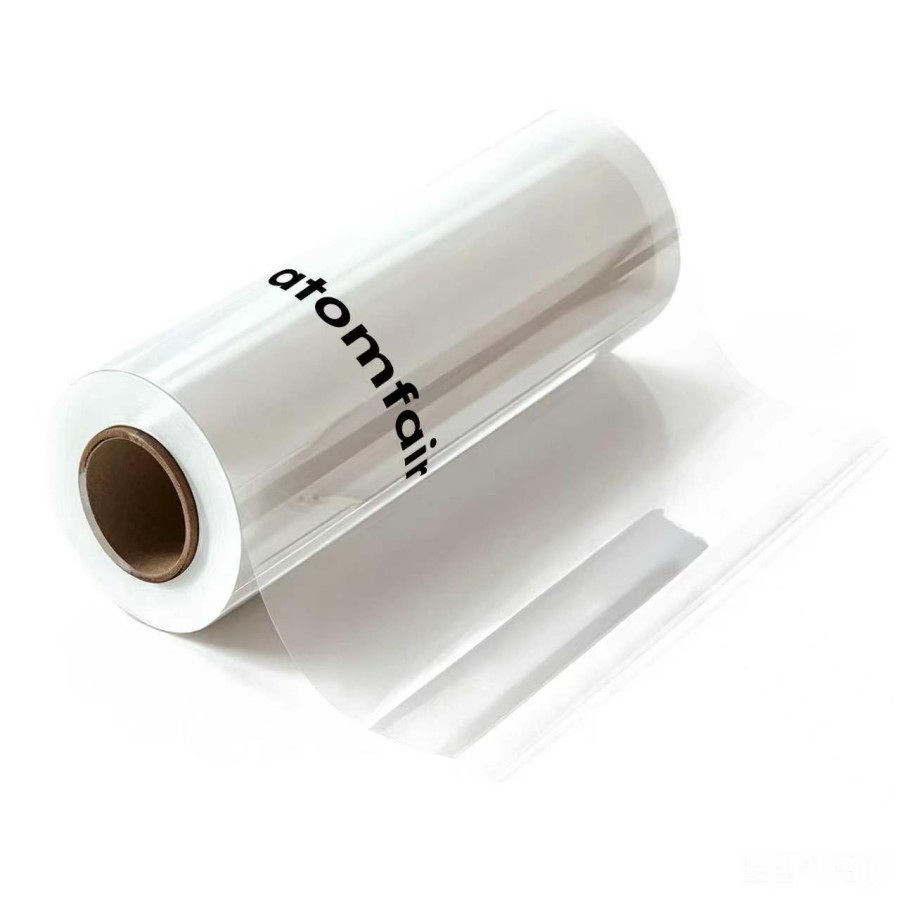
To prevent localized membrane deformation, avoid extended ambient drying exposure. Unsealed products must be kept in vacuum-locked environmental storage compartments. The membranes are vacuum-encapsulated in controlled-temperature cleanroom conditions using high-defense moisture-barrier composite film rolls and separated with individual protective facings. Only qualified laboratory staff should operate the membranes.
This series of solid polymer electrolyte fuel cell membranes (10–18 μm thickness) delivers proton conductivity up to ≥50 mS/cm at 85°C/50% RH and demonstrates chemical durability up to 1,500 hours with mechanical fatigue cycles up to 20,000, but requires vacuum-sealed storage and qualified handling to prevent ambient drying-induced deformation.
Positive
- High proton conductivity: Proton conductivity reaches ≥50 mS/cm at 85°C and 50% RH, enabling efficient ionic transport and uniform electricity generation in humidified fuel cell operation.
- Extended operational durability: Chemical durability of up to 1,500 hours (90°C, 30% RH) and mechanical fatigue lifetime of 20,000 cycles (80°C) ensure prolonged performance under severe operating conditions.
Trade-offs
- Controlled storage required: To prevent localized membrane deformation, the product must be kept in vacuum-locked environmental storage and protected from extended ambient drying exposure.
- Qualified personnel only: Operation and handling should be performed exclusively by qualified laboratory staff to ensure proper storage and deployment conditions.
Every advanced material, component, equipment, and instrument in our catalog is backed by rigorous testing. We maintain strict internal quality management frameworks and align with CE conformity metrics to deliver transparent, reproducible performance data via our public open-science repository.
To request raw batch performance data, submit formal vendor registration paperwork, or execute a fast-turnaround R&D manufacturing loop, contact us at inquiry@atomfair.com.
Item is dispatched under the Atomfair Shipping & Delivery Framework (Free worldwide shipping on orders over $59 USD excl. heavy equipment). Return is governed by the Atomfair Return & Refund Policy (7-day technical return window).