RRDE rotating ring disk electrode – EXternal thread | ATOMFAIRRESEARCH GRADE INSTRUMENT
|
|||||||||||||||||||
|
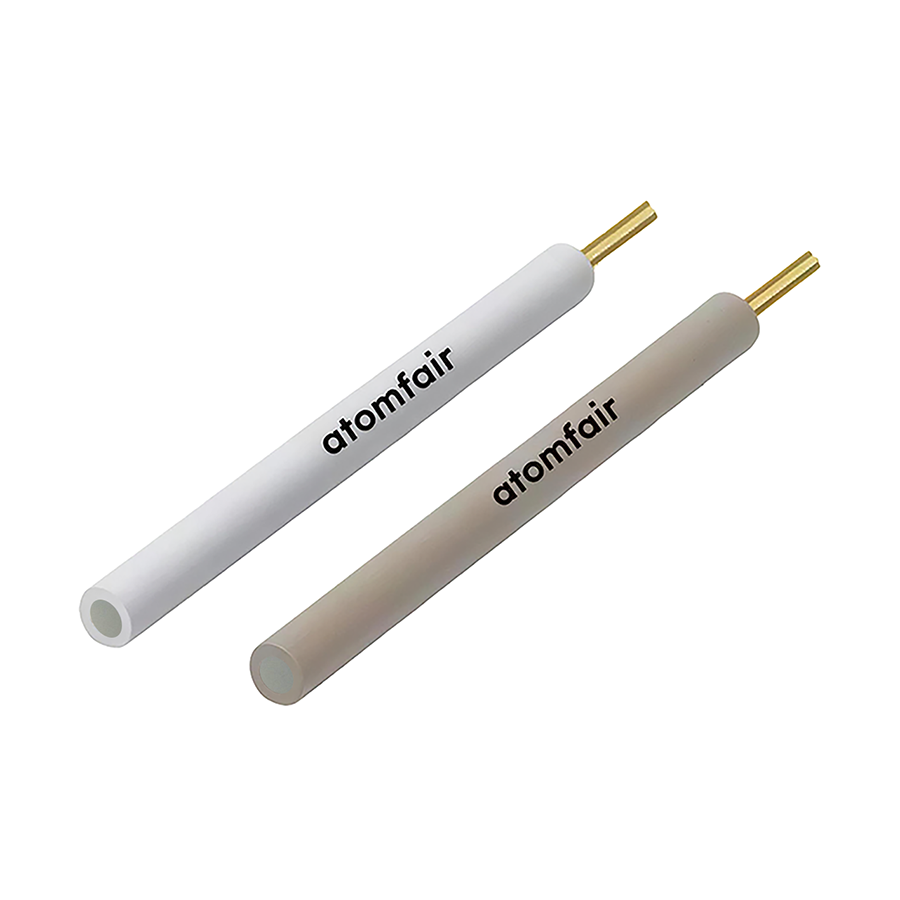
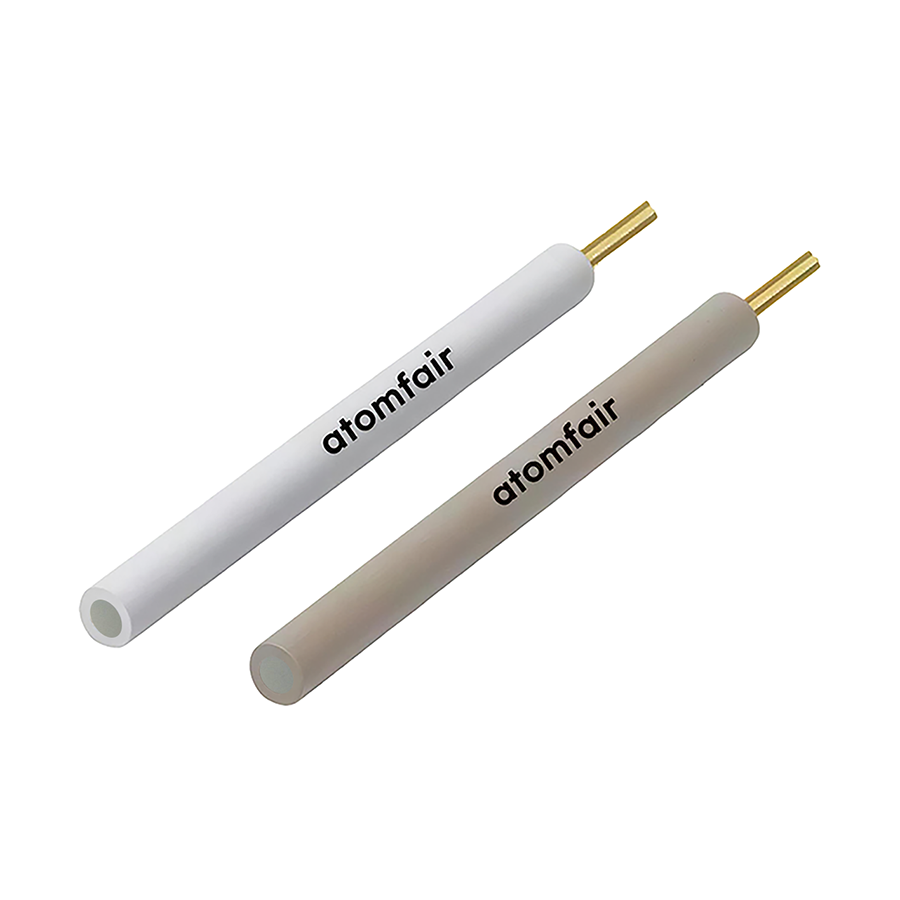
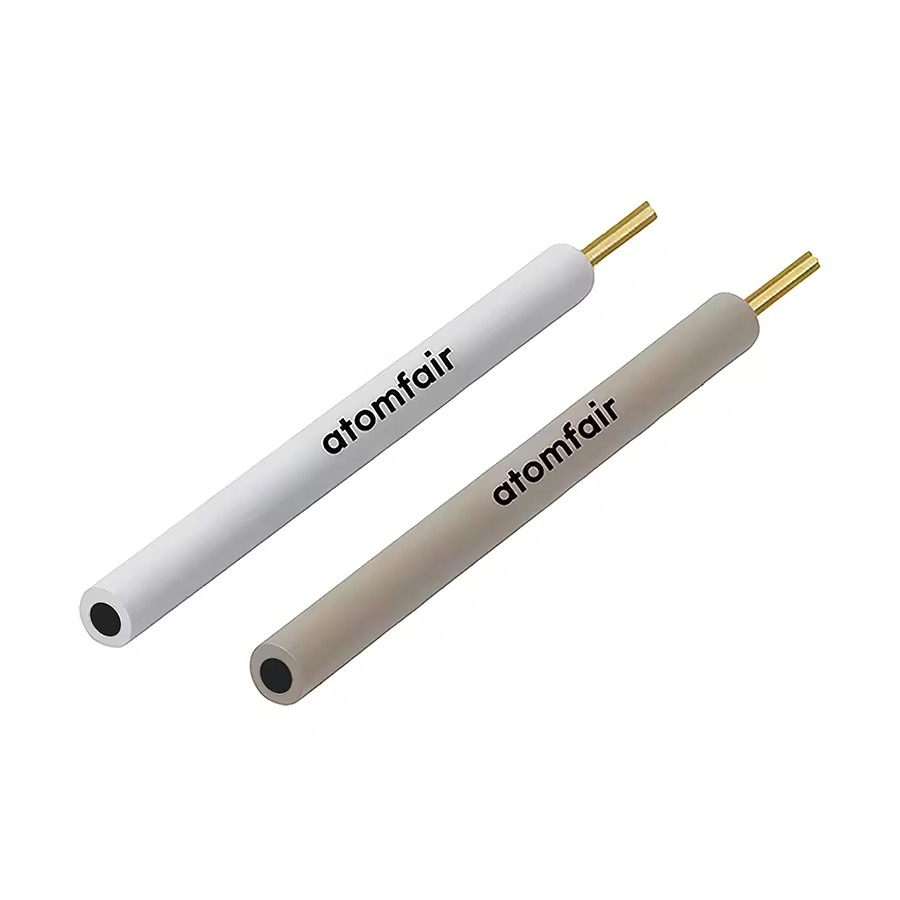
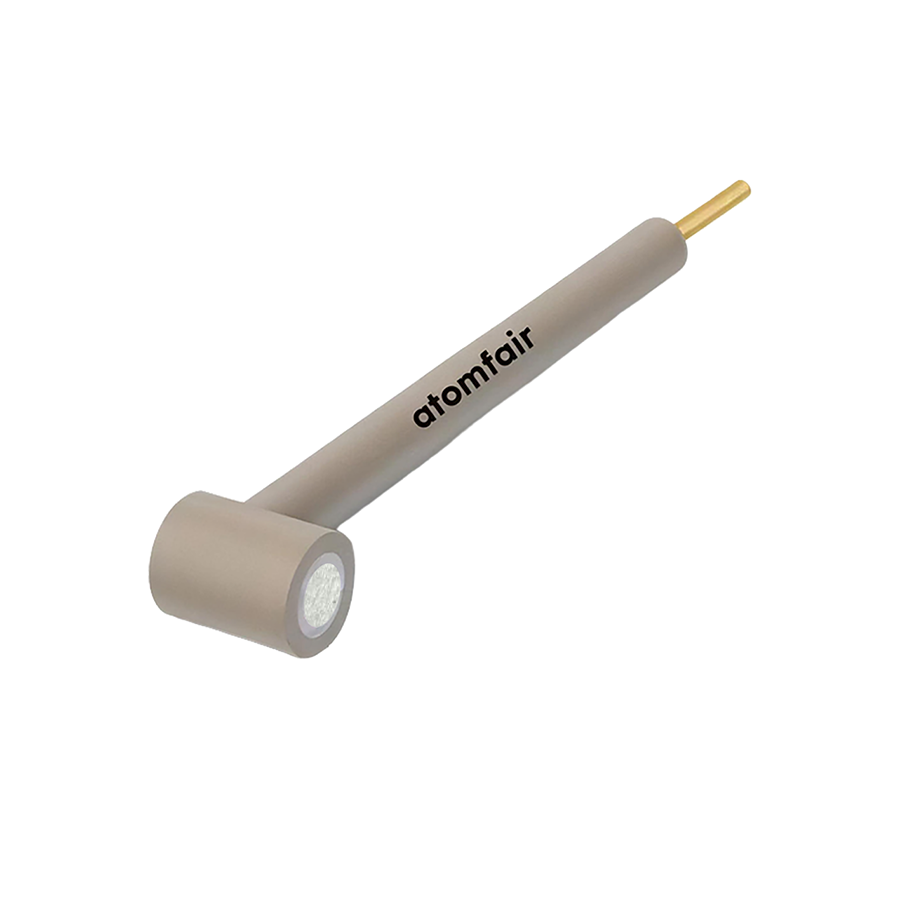
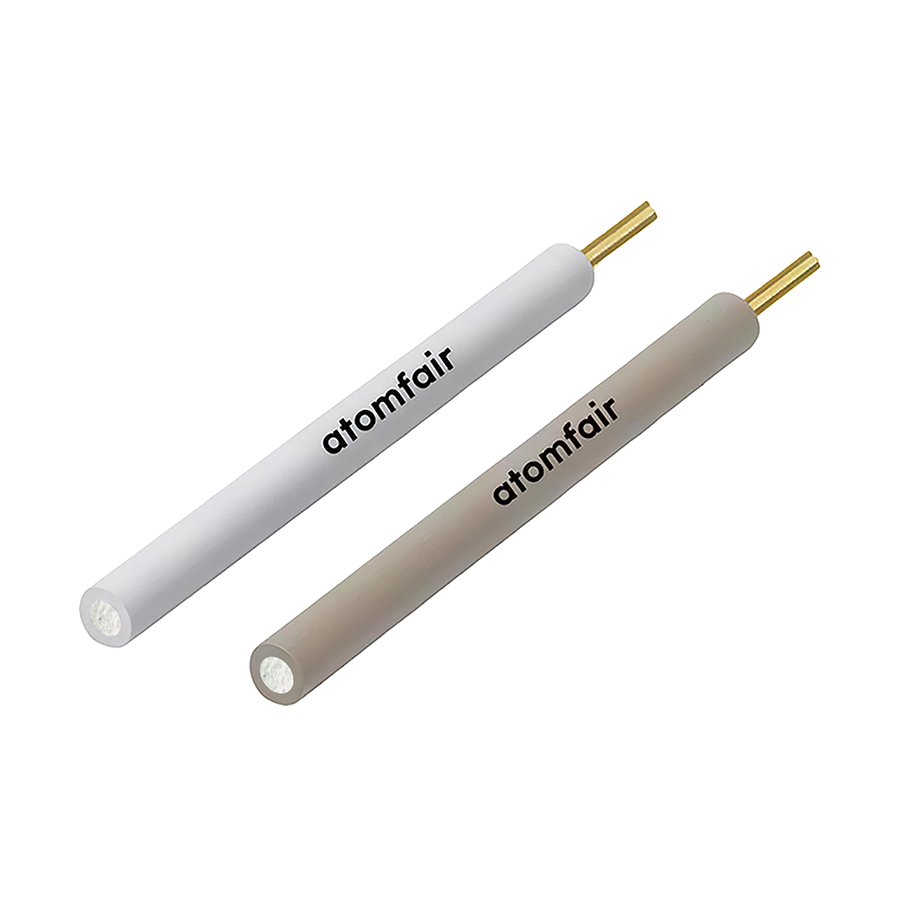
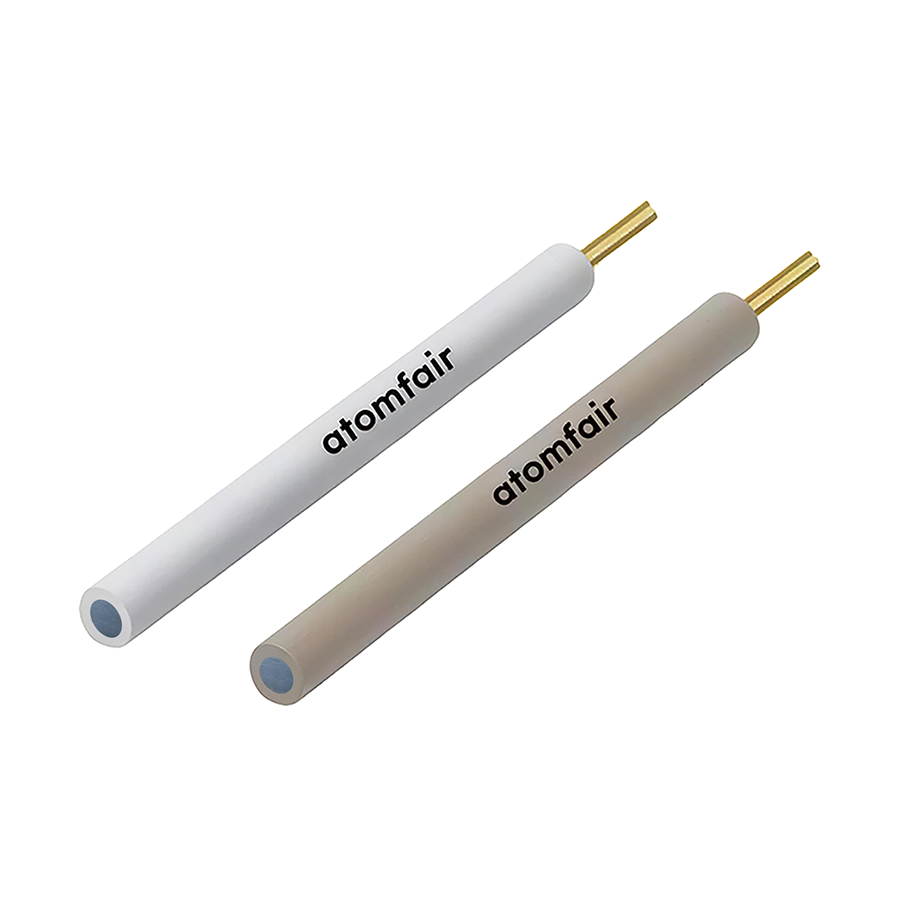
The electrode is highly sensitive to surface contamination and must be stored in a sealed container or handled exclusively within an anhydrous inert environment to prevent phase contamination or degradation before electrochemical validation. PTFE encapsulation provides chemical resistance for aggressive electrolytes at room temperature, while PEEK encapsulation is compatible with elevated temperatures up to 80°C.
- Surface Contamination Sensitivity: Surface contamination can compromise electrochemical validation, requiring storage in sealed containers or handling under anhydrous inert conditions.
- Encapsulation Material Constraints: PTFE encapsulation resists strong acids and bases at room temperature, whereas PEEK encapsulation supports operation up to 80°C.
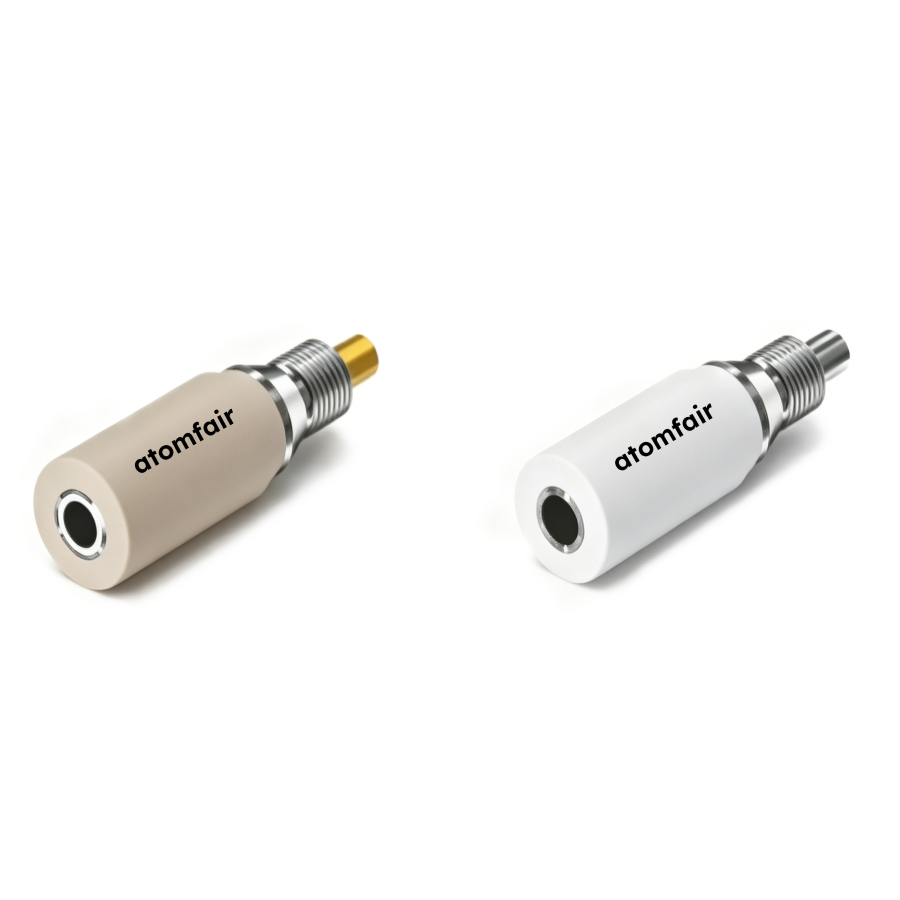
Proper preparation and handling ensure stable signal transmission and accurate electrochemical data collection. The external thread design requires secure mounting to maintain low-resistance contact during high-speed rotation.
Required Equipment: Anhydrous inert environment (glovebox or gas purge), Sealed storage container
- Inspect the electrode surface
Inspect the disk and ring electrode surfaces for visible contamination or damage before each use. - Transfer to inert environment
Transfer the electrode to an anhydrous inert environment if the sealed container has been opened. - Mount the electrode securely
Mount the electrode using the external thread to ensure low-resistance contact and stable signal transmission. - Verify encapsulation compatibility
Verify that the encapsulation material (PTFE or PEEK) is compatible with the electrolyte temperature and composition. - Collect disk and ring data
Collect disk and ring current or potential data simultaneously for comprehensive mechanistic analysis.
What are the trade-offs between PTFE and PEEK encapsulation for this ATOMFAIR RRDE?
PTFE is the standard encapsulation for strong acids and bases at room temperature, while PEEK is specified for high-temperature operation up to 80°C. Choose PTFE when the electrolyte is highly aggressive at ambient conditions and choose PEEK when the cell must be operated at elevated temperature.
Can this 5.6 mm RRDE be used for ORR, OER, fuel cell catalyst evaluation, and lithium-air battery studies?
Yes. The product is explicitly specified for ORR, OER, fuel cell catalyst evaluation, lithium-air battery studies, and electrochemical kinetics. Its dual-electrode design collects disk and ring current/potential data simultaneously, allowing reaction intermediates and products generated at the disk to be detected at the platinum ring for mechanistic analysis.
What handling and storage conditions are required for this RRDE before electrochemical validation?
The electrode is highly sensitive to surface contamination, so keep the container tightly sealed or handle the electrode exclusively within an anhydrous inert environment. This prevents phase contamination or degradation before electrochemical validation.
The RRDE with external thread design enables simultaneous disk and ring current collection for mechanistic studies, offering glassy carbon, gold, or platinum disk options and PTFE or PEEK encapsulation to balance chemical resistance against temperature limits up to 80°C. Its dual-electrode configuration supports ORR, OER, fuel cell, and lithium-air research, though strict handling in anhydrous inert environments is required to prevent surface contamination.
Positive
- Dual-electrode mechanistic analysis: Collects disk and ring current/potential data simultaneously, enabling direct detection of reaction intermediates and products for ORR, OER, fuel cell, and lithium-air studies.
- External thread for stable high-speed contact: The external thread design ensures low-resistance electrical contact and stable signal transmission during high-speed rotation, critical for reliable rotating disk electrode measurements.
- Multiple material trade-off options: Disk materials (glassy carbon, platinum, gold) and encapsulation (PTFE or PEEK) allow adaptation to specific electrolyte aggressiveness and temperature requirements, with PEEK supporting up to 80°C.
Trade-offs
- High surface contamination sensitivity: The electrode is highly sensitive to surface contamination; containers must remain sealed or handling must occur within an anhydrous inert environment to avoid phase contamination or degradation before electrochemical validation.
- PTFE encapsulation thermal limit: PTFE encapsulation is only suitable for room-temperature operation with strong acids and bases; elevated temperatures require PEEK encapsulation, which must be selected based on the intended operating conditions.
Every advanced material, component, equipment, and instrument in our catalog is backed by rigorous testing. We maintain strict internal quality management frameworks and align with CE conformity metrics to deliver transparent, reproducible performance data via our public open-science repository.
To request raw batch performance data, submit formal vendor registration paperwork, or execute a fast-turnaround R&D manufacturing loop, contact us at inquiry@atomfair.com.
Item is dispatched under the Atomfair Shipping & Delivery Framework (Free worldwide shipping on orders over $59 USD excl. heavy equipment). Return is governed by the Atomfair Return & Refund Policy (7-day technical return window).