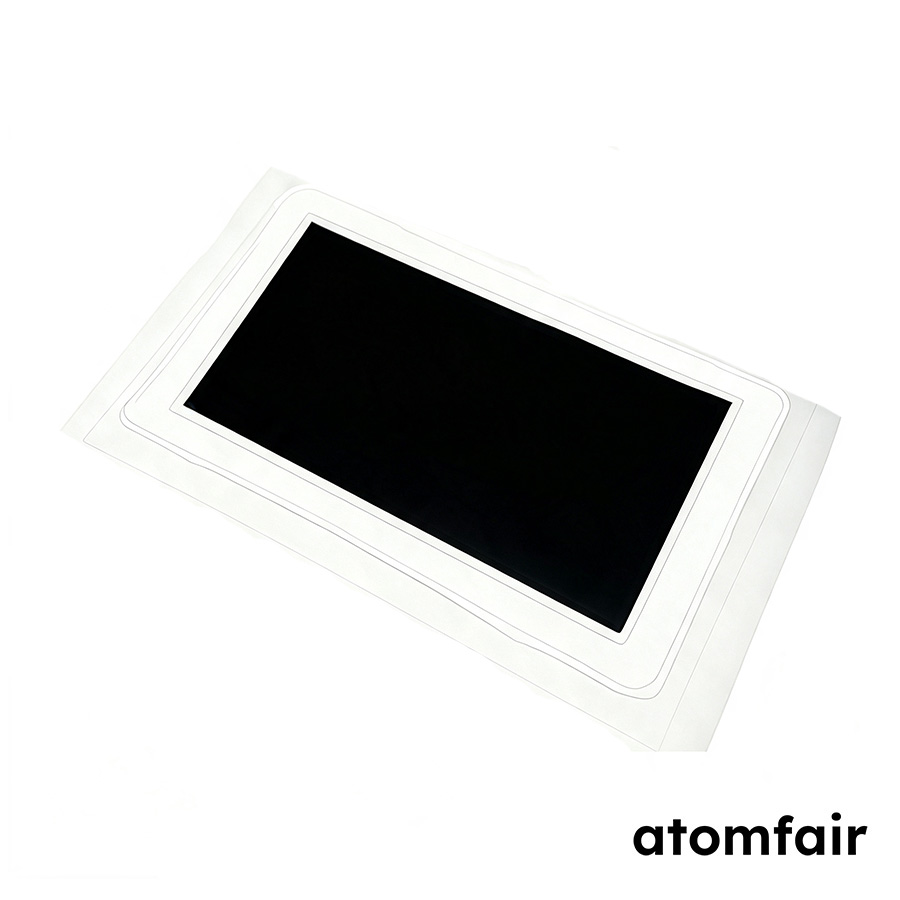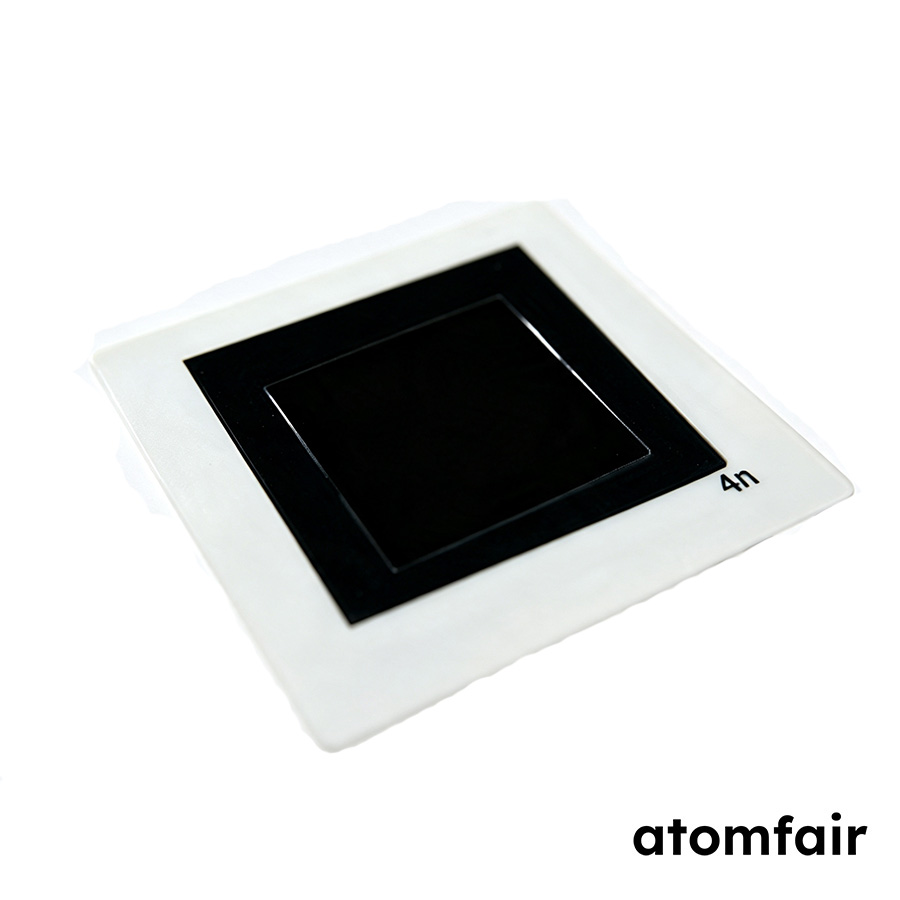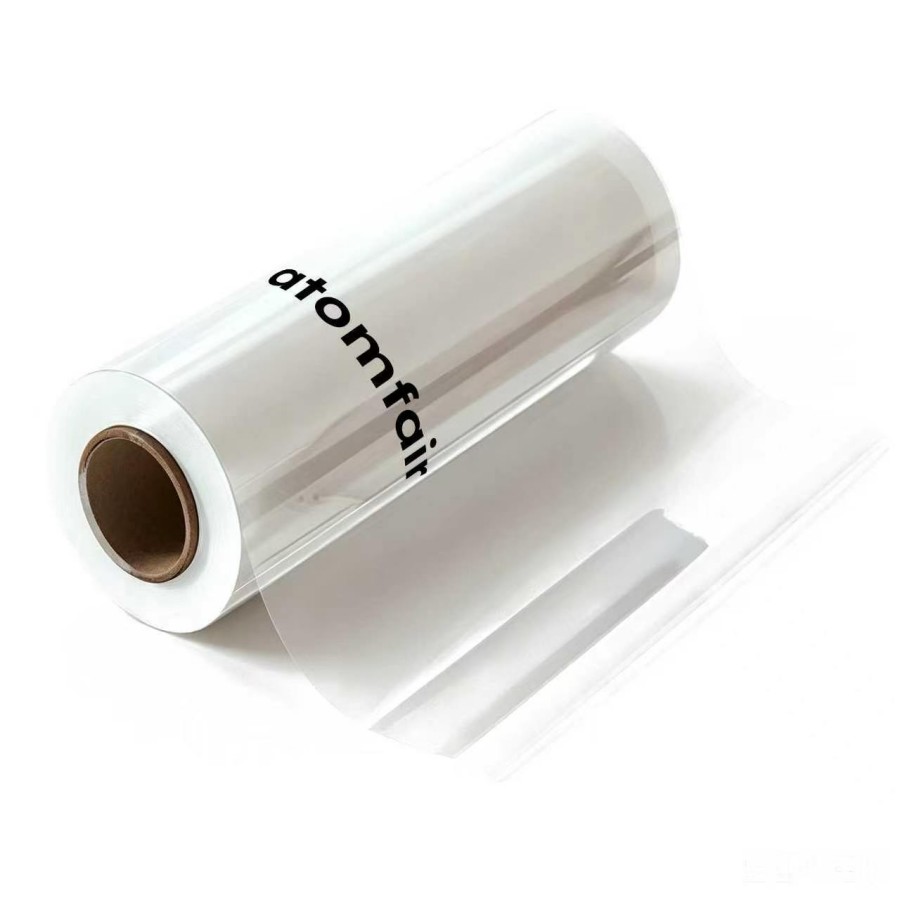
THIN REINFORCED PROTON EXCHANGE MEMBRANESRESEARCH GRADE MATERIAL
|
|||||||||||||||||||||||||||||||||||||||||||||||||||||||||
|
|||||||||||||||||||||||||||||||||||||||||||||||||||||||||
|
TAILORED SOLUTIONS FOR RESEARCH
Contact our engineering team for technical support or official quotations.
EMAIL: INQUIRY@ATOMFAIR.COM
|
|||||||||||||||||||||||||||||||||||||||||||||||||||||||||
|
Manufacturer: ATOMFAIR LLC
|
|||||||||||||||||||||||||||||||||||||||||||||||||||||||||
This document defines the environmental, conditioning, and handling constraints for the FC-U series reinforced PFSA proton exchange membrane. Compliance with these constraints is required to preserve membrane integrity during storage, preparation, and characterization.
- Storage Atmosphere: Store unsealed membrane in a vacuum-locked environmental storage compartment to prevent localized deformation from ambient exposure.
- Moisture Sensitivity: Avoid extended ambient drying exposure to protect the membrane from localized deformation.
- Pre-Test Conditioning: Equilibrate samples at 23±2°C and 50±5% RH for 24 hours before characterization.
- Specimen Geometry: Use 10 mm rectangular specimen bands for physical tensile evaluation.
- Tensile Test Rate: Set uniform tension velocity to 50 mm/min during physical runs.
This protocol describes the conditioning and tensile characterization steps for the FC-U series reinforced PFSA membrane. Following these steps minimizes handling-induced deformation and ensures reproducible test results.
Required Equipment: Environmental chamber, Tensile testing instrument, Vacuum-locked storage compartment
- Condition samples
Equilibrate unsealed membrane samples inside an environmental chamber at 23±2°C and 50±5% RH for 24 hours prior to characterization. - Prepare specimens
Prepare 10 mm rectangular specimen bands for physical tensile evaluation. - Set test velocity
Set the tensile testing instrument to a uniform tension velocity of 50 mm/min. - Mount and test
Mount each specimen band in the tensile tester and begin the physical run. - Store unused membrane
Transfer unused membrane immediately to a vacuum-locked environmental storage compartment to prevent localized deformation.
How does the choice between FC-U06 and FC-U15 membrane thickness impact tensile strength and ion exchange capacity in high-power fuel cell stacks?
The FC-U06 (6 μm) offers a higher bi-directional tensile strength of ≥55 MPa, while the FC-U15 (15 μm) provides ≥40 MPa, reflecting a trade-off between mechanical integrity and thinner profile for spatial optimization. The ion exchange capacity ranges from 950–1050 g/mol for FC-U06 and 950–1100 g/mol for FC-U15, indicating a slightly broader capacity window at the thicker end. All variants maintain a density of 2.0 g/cm³ and linear swelling ≤3% at 80°C.
What pre-test conditioning and testing standards apply to these reinforced proton exchange membranes?
Samples must be conditioned at 23±2°C and 50±5% RH for 24 hours prior to characterization, with physical testing using 10 mm rectangular specimen bands at a uniform tension velocity of 50 mm/min. The membranes are tested according to GB/T 20042.3-2022, ensuring standardized evaluation of tensile strength, elongation, and linear swelling.
What storage and handling precautions are required to prevent deformation of the ultra-thin PEM membranes?
To prevent localized membrane deformation, avoid extended ambient drying exposure. Unsealed products must be stored in vacuum-locked environmental compartments and handled only by qualified lab staff. The membranes are packaged in moisture-barrier composite packaging under temperature-controlled cleanroom conditions with protective interlayers.
This 6–15 μm reinforced perfluorosulfonic acid proton exchange membrane series delivers ultra-thin profiles with ≥55 MPa tensile strength and ≤3% linear swelling at 80°C, enabling high-power-density operation in compact stacks while demanding strict preconditioning and vacuum-sealed storage to prevent deformation.
Positive
- Ultra-thin high-power profile: Options down to 6 μm thickness optimize spatial efficiency and density in compact fuel cell stacks, directly enabling higher power output per unit volume.
- Exceptional bi-directional tensile strength: Retains ≥55 MPa tensile strength in both TD and MD even at 6 μm thickness, reducing risk of micro-tears during handling and cyclic operation.
Trade-offs
- Mandatory preconditioning before use: Samples must be conditioned at 23±2°C and 50±5% RH for 24 hours prior to characterization, introducing a preparatory step in lab workflows.
- Strict storage requirements to avoid deformation: Unsealed membranes must be kept in vacuum-locked environmental storage to prevent localized deformation from ambient drying, requiring dedicated infrastructure.
Every advanced material, component, equipment, and instrument in our catalog is backed by rigorous testing. We maintain strict internal quality management frameworks and align with CE conformity metrics to deliver transparent, reproducible performance data via our public open-science repository.
To request raw batch performance data, submit formal vendor registration paperwork, or execute a fast-turnaround R&D manufacturing loop, contact us at inquiry@atomfair.com.
Item is dispatched under the Atomfair Shipping & Delivery Framework (Free worldwide shipping on orders over $59 USD excl. heavy equipment). Return is governed by the Atomfair Return & Refund Policy (7-day technical return window).