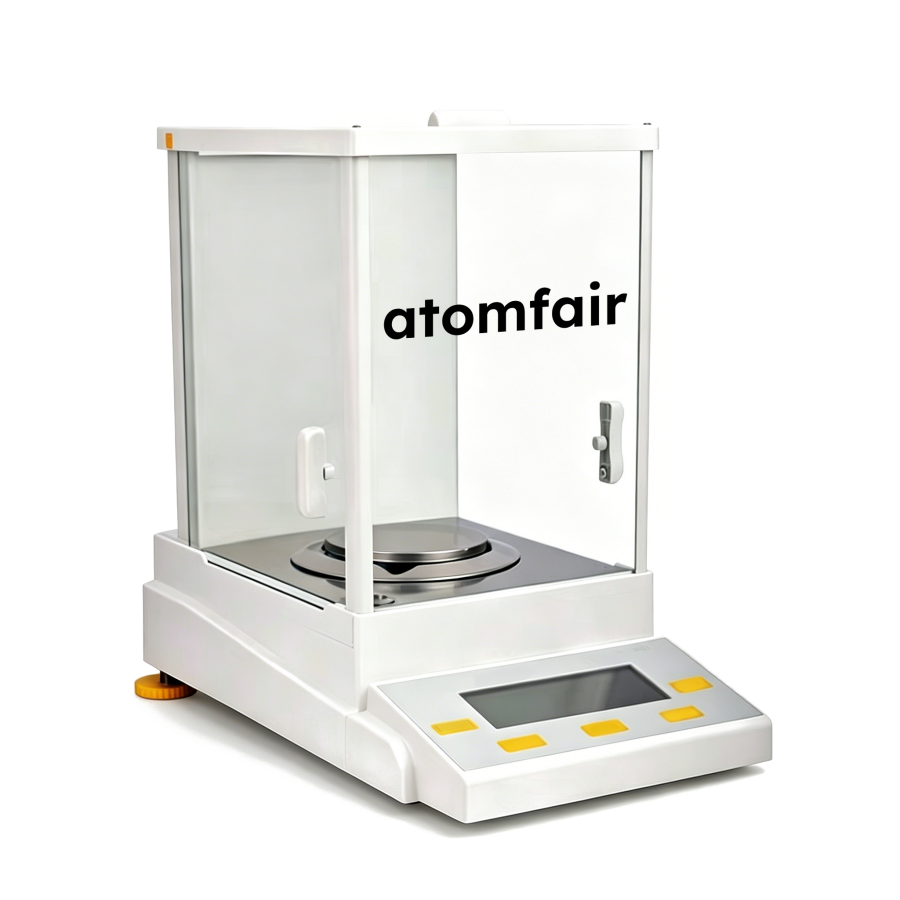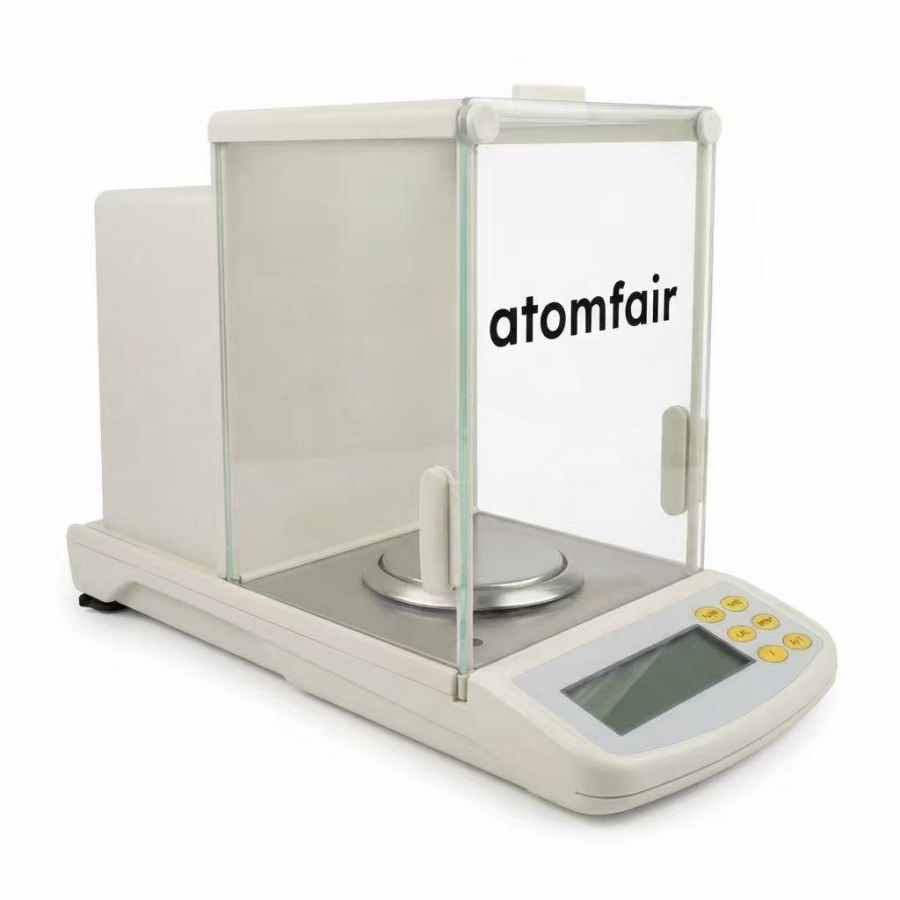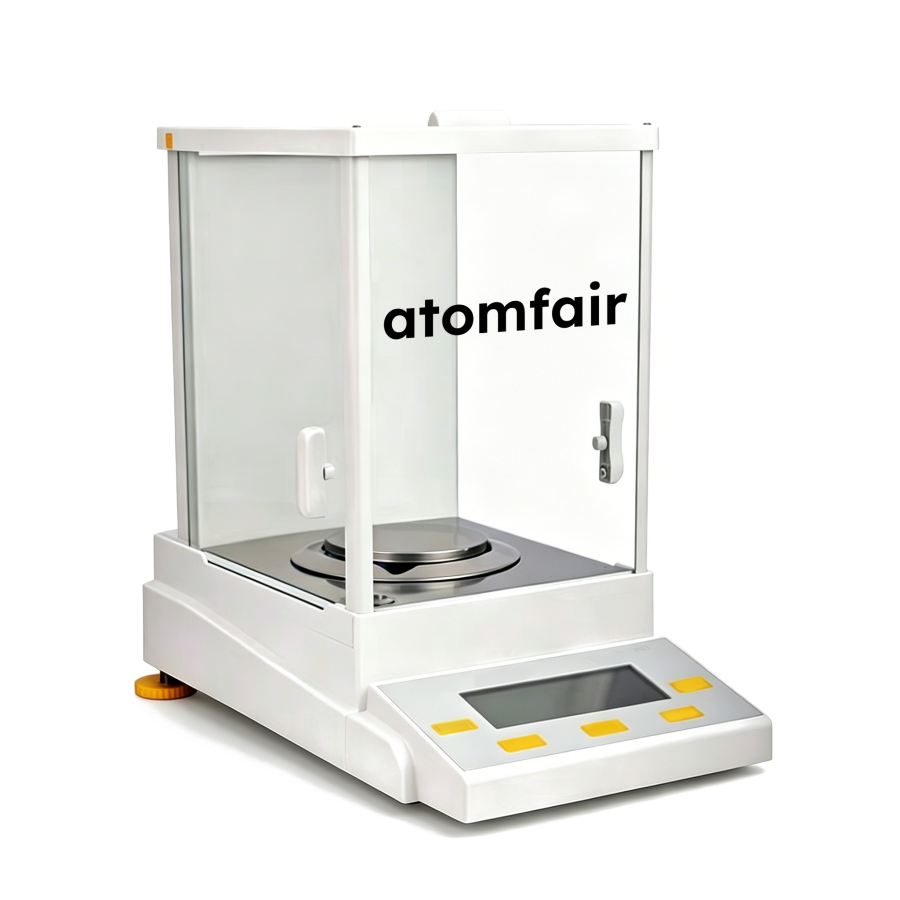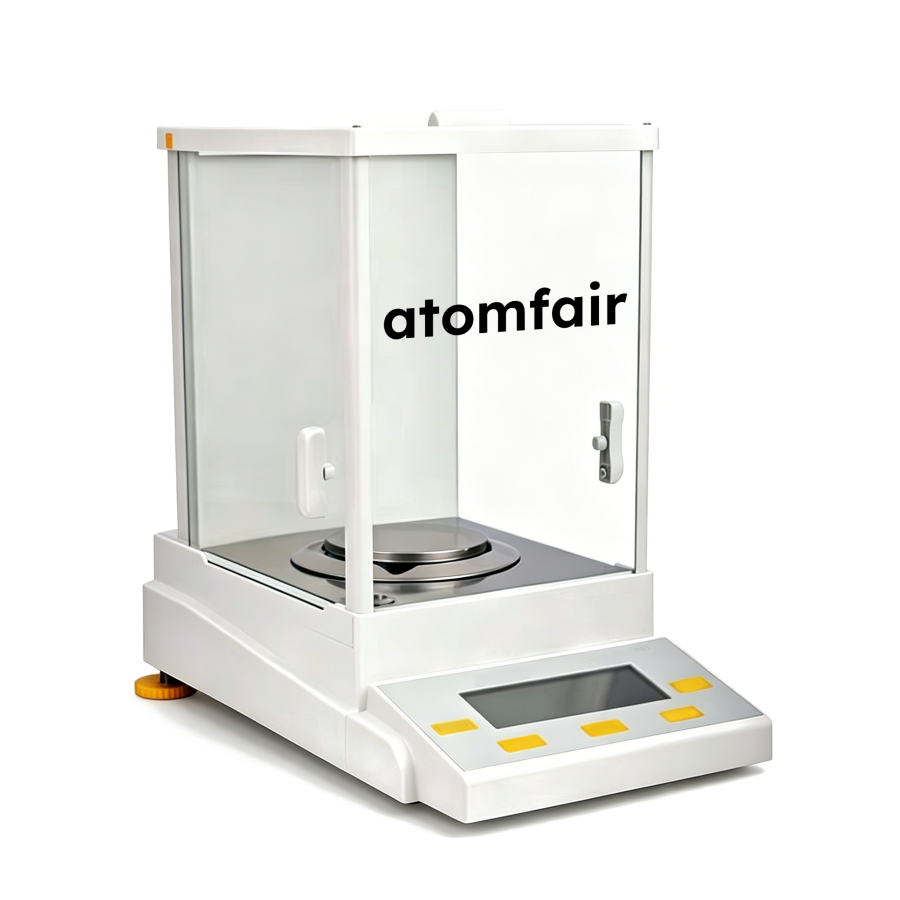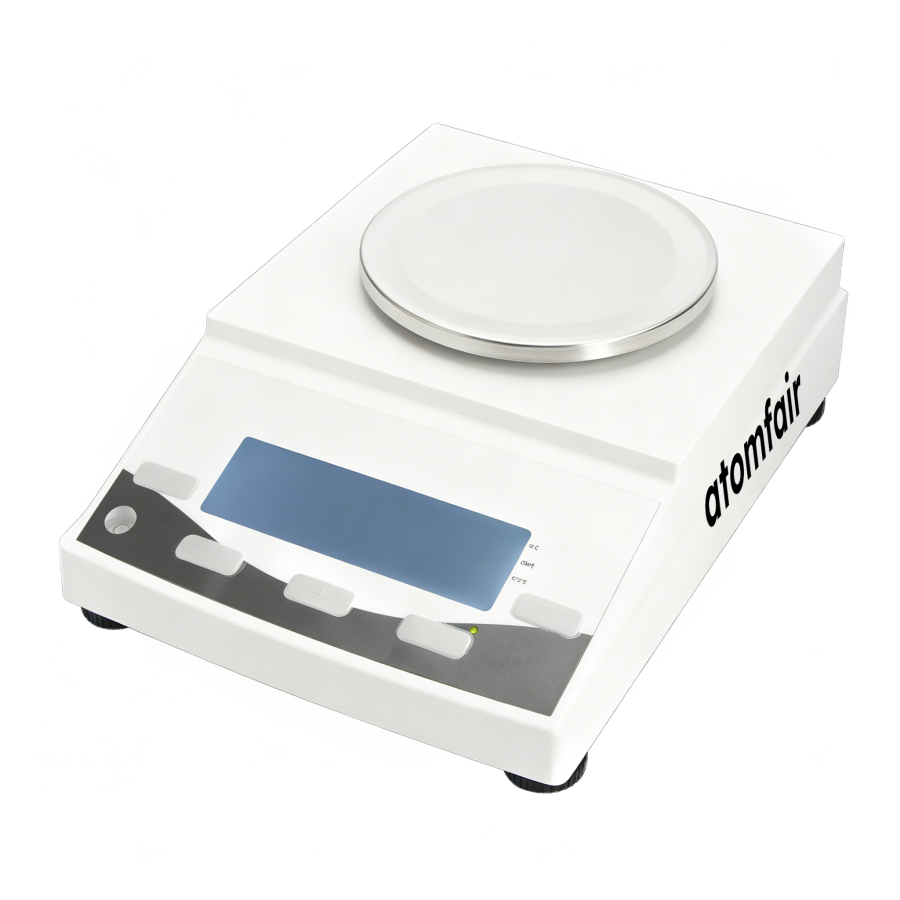
ATOMFAIR® EB300G-0.01G-01 PRECISION ELECTRONIC BALANCELABORATORY GRADE METROLOGY INTERFACE
|
|||||||||||||||||||||||||||||||||||||||||||||||||||||||||||||||||||||||||||||||||
|
|||||||||||||||||||||||||||||||||||||||||||||||||||||||||||||||||||||||||||||||||
|
TAILORED SOLUTIONS FOR RESEARCH
Contact our engineering team for technical support or official institutional quotations.
EMAIL: inquiry@atomfair.com
|
|||||||||||||||||||||||||||||||||||||||||||||||||||||||||||||||||||||||||||||||||
|
Manufacturer: Atomfair LLC
Brand: ATOMFAIR®
|
|||||||||||||||||||||||||||||||||||||||||||||||||||||||||||||||||||||||||||||||||
The balance must be operated in a stable environment free from high vibration and extreme ambient temperature to prevent long-term structural degradation. Stabilization metrics must be verified before each measurement to ensure data integrity.
- Vibration and Temperature Sensitivity: Avoid operating the balance in high-vibration or extreme ambient temperature zones to prevent degradation of structural resistance.
- Overload Protection: Integrated hardware safeguards protect the transducer from damage due to sudden mechanical overload or underload scenarios.
- Stabilization Requirement: Always verify stabilization metrics using the zero-tracking indicators before capturing definitive measurement thresholds.
Perform internal calibration before first use and allow the balance to stabilize in a suitable environment. Use the tare function to zero containers and verify stabilization before recording measurements.
Required Equipment: Internal calibration mechanism
- Calibrate the balance
Initiate the internal calibration routine using the built-in calibration function to ensure accurate readings. - Stabilize the balance
Allow the balance to settle until the zero-tracking indicator confirms readiness, avoiding vibration or drafts. - Tare the container
Place the empty container on the pan and press the tare function to zero the displayed weight. - Verify stabilization before recording
Confirm the stabilization indicator is active before capturing the final measurement to maintain data integrity.
How does the linearity error of ±0.02 g affect measurement accuracy for the EB300G-0.01G-01 balance compared to its 0.01 g readability?
The linearity error of ±0.02 g indicates the maximum deviation from a straight line across the full 300 g range, which is twice the readability of 0.01 g. This means that while the balance can display increments of 0.01 g, the absolute accuracy across the range is within ±0.02 g. For high-precision analytical weighing and baseline data control, this specification ensures measurements remain within a tight tolerance suitable for research-grade workflows.
What are the connectivity and power requirements for integrating the EB300G-0.01G-01 into a laboratory data acquisition system?
The balance features a standard integrated RS232 serial port for data output, enabling direct connection to computers or printers for data logging. It supports a dual-source power configuration (AC/DC matrix compatible), providing flexibility for different lab setups without requiring additional interface modules for basic serial communication.
What environmental conditions are recommended to maintain the structural resistance and calibration stability of the EB300G-0.01G-01?
To prevent long-term degradation of structural resistance, avoid operating the balance in high-vibration or extreme ambient temperature zones. Always verify stabilization metrics before capturing definitive measurements. The balance includes integrated overload protection and automated fault-detection alerts to safeguard data integrity under proper environmental conditions.
The ATOMFAIR® EB300G-0.01G-01 is a 300g capacity, 0.01g readability precision analytical balance featuring internal calibration, RS232 data output, and overload protection, making it suitable for high-precision weighing and baseline data control in research environments, provided that ambient vibration and temperature are controlled and stabilization time is allowed.
Positive
- Internal calibration & overload protection: Built-in internal calibration ensures traceable accuracy, while integrated overload protection safeguards the transducer from mechanical stress during routine lab use.
- RS232 serial interface & dual power supply: Standard RS232 port enables data logging to external systems, and dual-source AC/DC compatibility supports flexible placement in varied lab infrastructures.
Trade-offs
- Sensitive to vibration and temperature extremes: Operational notice explicitly warns against high-vibration or extreme ambient temperature conditions to prevent long-term structural degradation and measurement drift.
- Requires stabilization before measurement capture: Stabilization metrics must be verified before reading definitive mass values, adding a necessary step that may reduce throughput in high-volume workflows.
Every advanced material, component, equipment, and instrument in our catalog is backed by rigorous testing. We maintain strict internal quality management frameworks and align with CE conformity metrics to deliver transparent, reproducible performance data via our public open-science repository.
To request raw batch performance data, submit formal vendor registration paperwork, or execute a fast-turnaround R&D manufacturing loop, contact us at inquiry@atomfair.com.
Item is dispatched under the Atomfair Shipping & Delivery Framework (Free worldwide shipping on orders over $59 USD excl. heavy equipment). Return is governed by the Atomfair Return & Refund Policy (7-day technical return window).