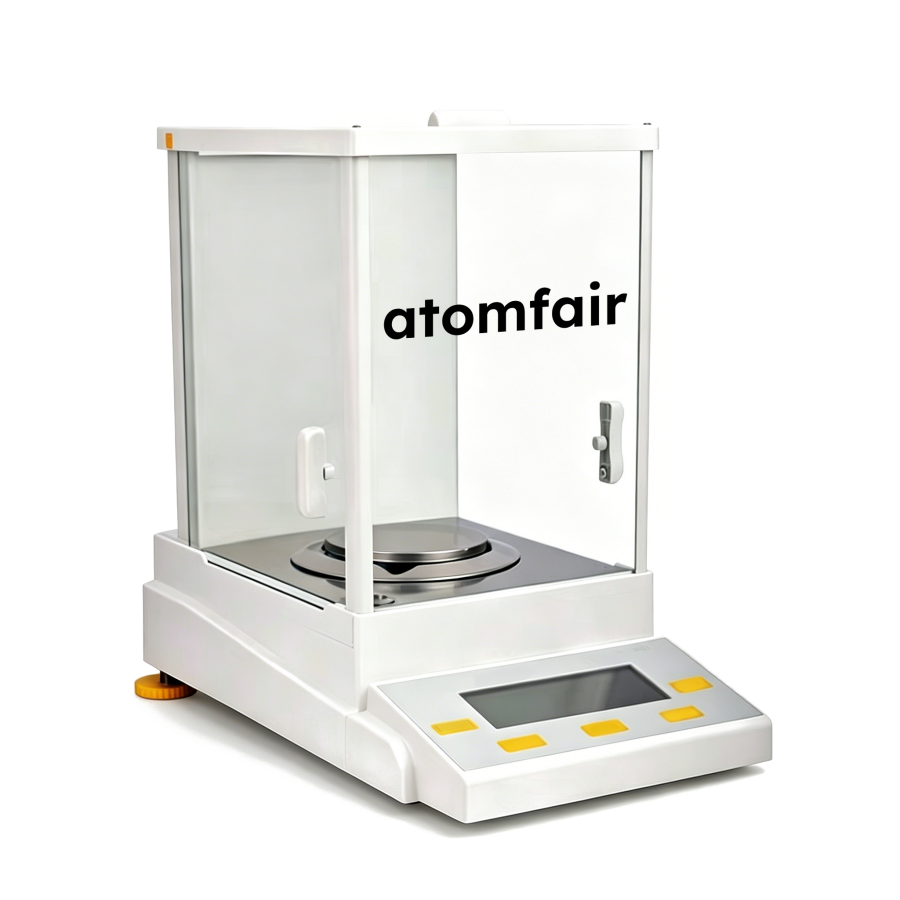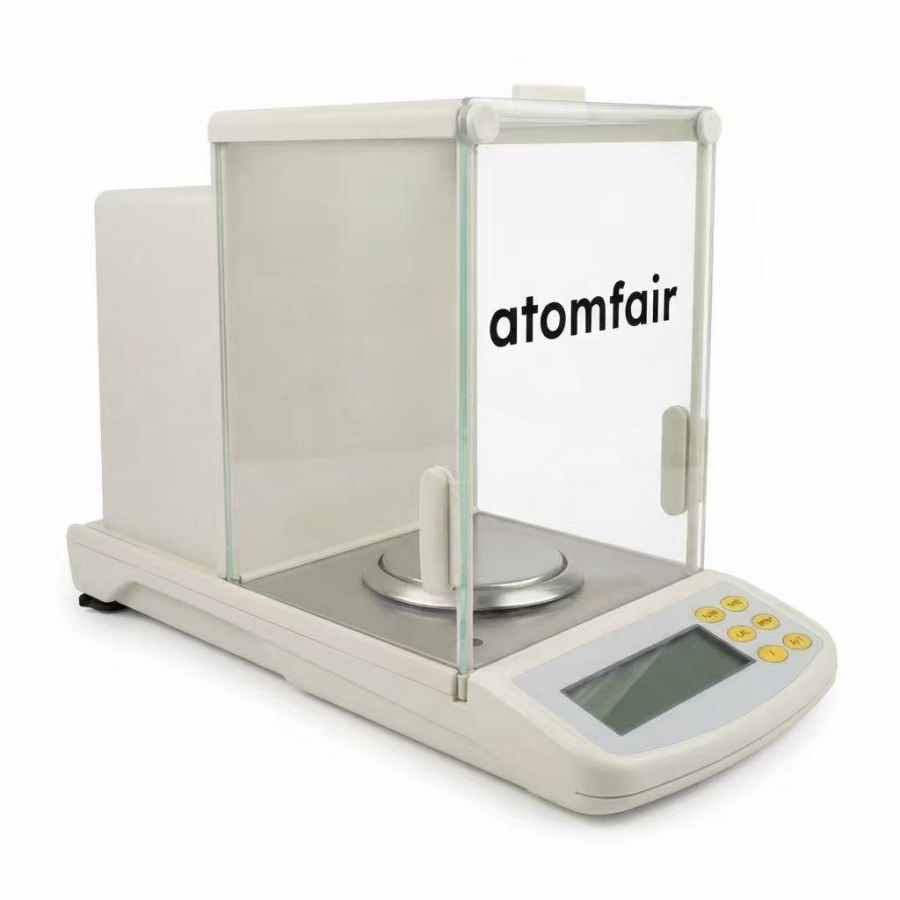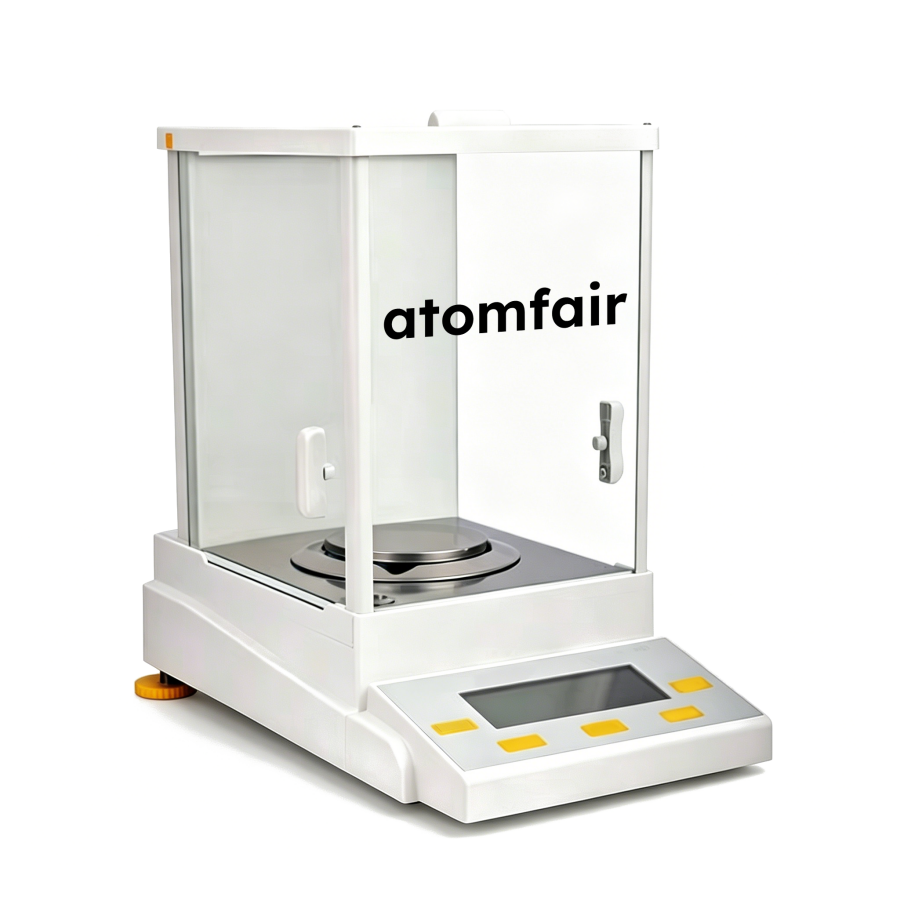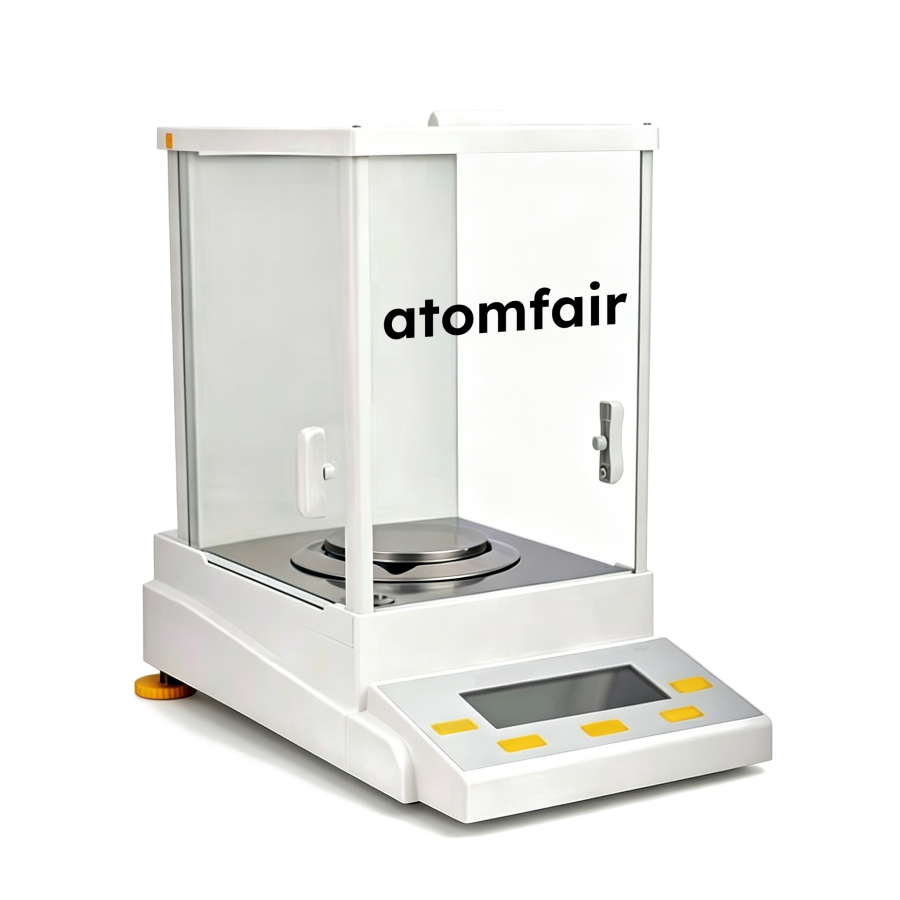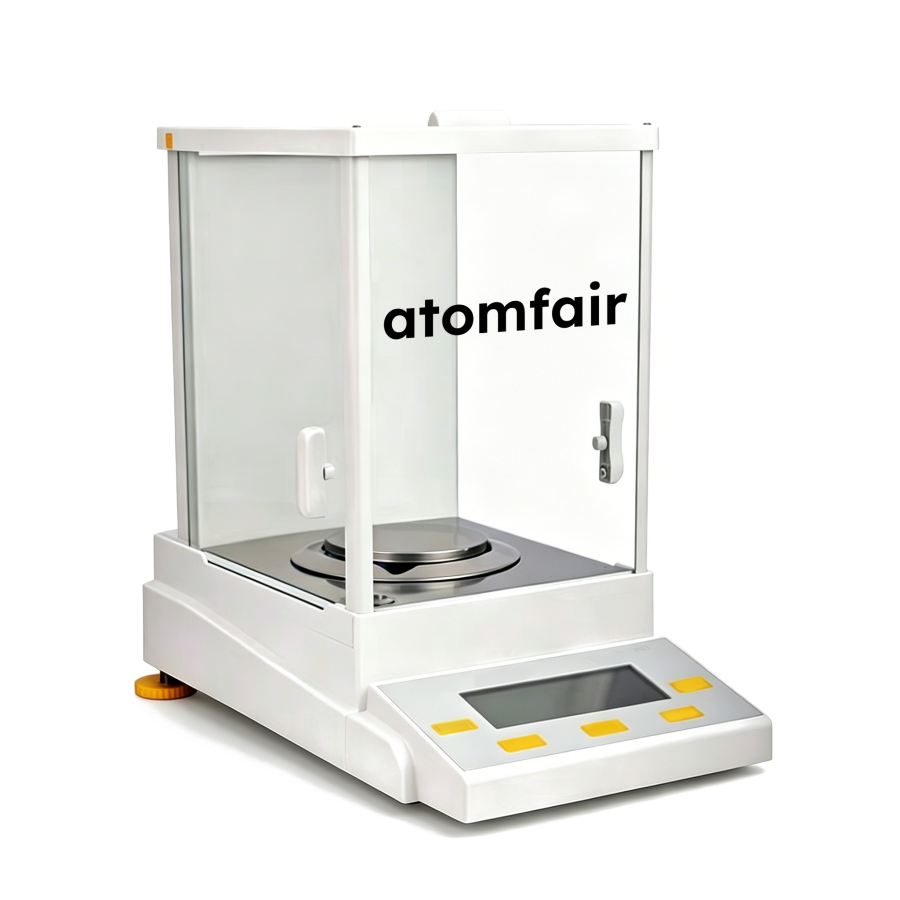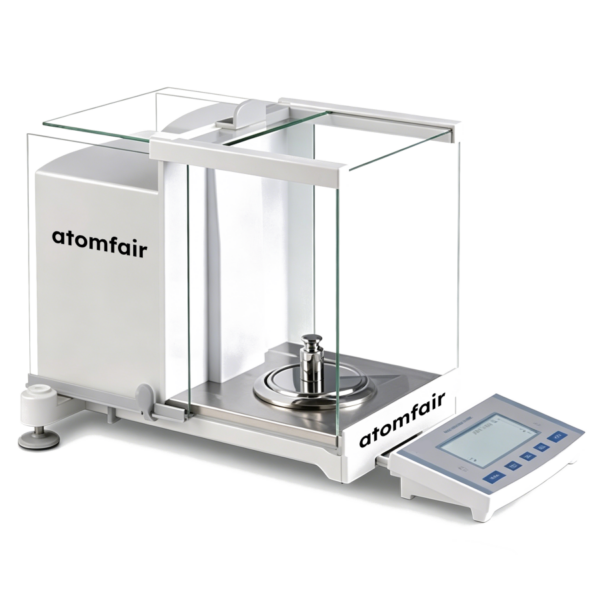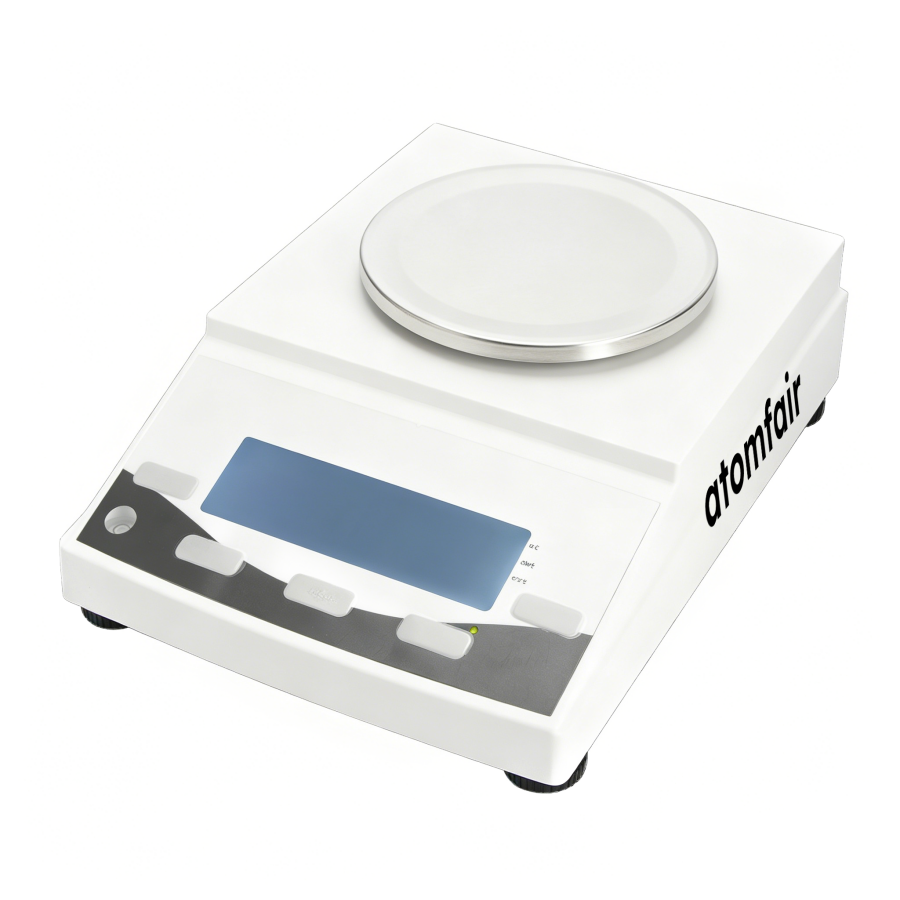
ATOMFAIR® EB2000G-0.01G PRECISION ELECTRONIC BALANCELABORATORY GRADE METROLOGY INTERFACE
|
|||||||||||||||||||||||||||||||||||||||||||||||||||||||||||||||||||||||||||||||||
|
|||||||||||||||||||||||||||||||||||||||||||||||||||||||||||||||||||||||||||||||||
|
TAILORED SOLUTIONS FOR RESEARCH
Contact our engineering team for technical support or official institutional quotations.
EMAIL: inquiry@atomfair.com
|
|||||||||||||||||||||||||||||||||||||||||||||||||||||||||||||||||||||||||||||||||
|
Manufacturer: Atomfair LLC
Brand: ATOMFAIR®
|
|||||||||||||||||||||||||||||||||||||||||||||||||||||||||||||||||||||||||||||||||
The balance must be operated in low-vibration, stable ambient temperature conditions to maintain measurement accuracy. Stabilization indicators must be verified before each measurement to prevent data corruption.
- Vibration and Temperature Sensitivity: Avoid operating the balance in high-vibration or extreme ambient temperature zones to prevent long-term degradation of structural resistance.
- Stabilization Verification: Always verify stabilization metrics before capturing definitive phase or compound measurement thresholds.
- Internal Calibration Routine: Utilize the internal calibration function to maintain linearity and repeatability for accurate mass determination.
This procedure describes the steps for accurate weight measurement using environmental precautions and built-in calibration. The process includes setup, calibration, taring, and stabilization verification.
Required Equipment: ATOMFAIR EB2000G-0.01G Precision Electronic Balance
- Position the Balance
Place the balance on a stable, level workbench away from vibrations and extreme temperature fluctuations. - Power On
Connect the power supply and turn on the balance using the power button. - Calibrate
Perform internal calibration by activating the calibration function to ensure linearity and repeatability. - Tare the Container
Place the empty container on the weighing pan and press the tare button to zero the display. - Weigh and Record
Add the sample and wait for the stabilization indicator to appear before recording the weight.
How does the internal calibration system maintain the EB2000G-0.01G's specified repeatability and linearity?
The EB2000G-0.01G features internal calibration, which automatically adjusts the balance to maintain its specified ±0.01 g repeatability and ±0.02 g linearity without requiring external calibration weights. This ensures consistent high-precision analytical weighing performance over time.
Can the EB2000G-0.01G be integrated with external data systems via its RS232 interface for automated data logging?
Yes, the balance includes a standard integrated RS232 serial port for data output, enabling direct connection to computers or data loggers for automated recording of weight measurements. This supports integration into laboratory information management systems (LIMS) for baseline data control.
What environmental conditions are required to prevent degradation of the EB2000G-0.01G's structural resistance and ensure accurate measurements?
To prevent long-term degradation of structural resistance, the balance should not be operated in high-vibration or extreme ambient temperature zones. Always verify stabilization metrics before capturing definitive measurement thresholds, as stated in the operational notice.
The EB2000G-0.01G precision electronic balance provides 2000g capacity with 0.01g readability, internal calibration, and ±0.01g repeatability, making it suitable for high-precision analytical weighing and baseline data control, but requires stable ambient conditions and careful stabilization before measurements to avoid degradation.
Positive
- Internal calibration with high repeatability: Internal calibration maintains ±0.01g repeatability and ±0.02g linearity, eliminating external calibration weights and reducing operator error in routine metrology workflows.
- Integrated RS232 and multi-function firmware: Standard RS232 serial port enables direct data logging, while built-in piece counting, tare, and multi-unit conversion streamline high-throughput validation and documentation.
Trade-offs
- Sensitive to vibration and temperature extremes: Operation in high-vibration or extreme ambient temperature zones can cause long-term structural degradation and measurement drift, requiring a controlled bench environment.
- Stabilization required before critical measurements: Users must verify stabilization metrics before capturing definitive phase or compound measurement thresholds, adding a procedural step for high-precision applications.
Every advanced material, component, equipment, and instrument in our catalog is backed by rigorous testing. We maintain strict internal quality management frameworks and align with CE conformity metrics to deliver transparent, reproducible performance data via our public open-science repository.
To request raw batch performance data, submit formal vendor registration paperwork, or execute a fast-turnaround R&D manufacturing loop, contact us at inquiry@atomfair.com.
Item is dispatched under the Atomfair Shipping & Delivery Framework (Free worldwide shipping on orders over $59 USD excl. heavy equipment). Return is governed by the Atomfair Return & Refund Policy (7-day technical return window).