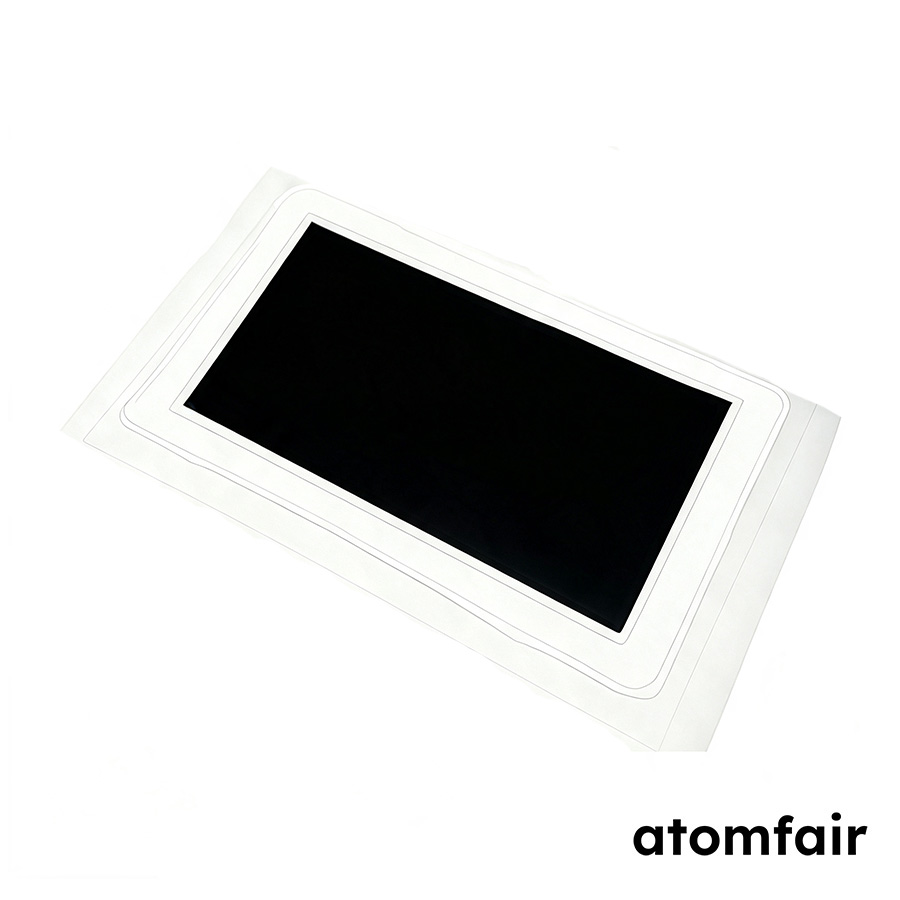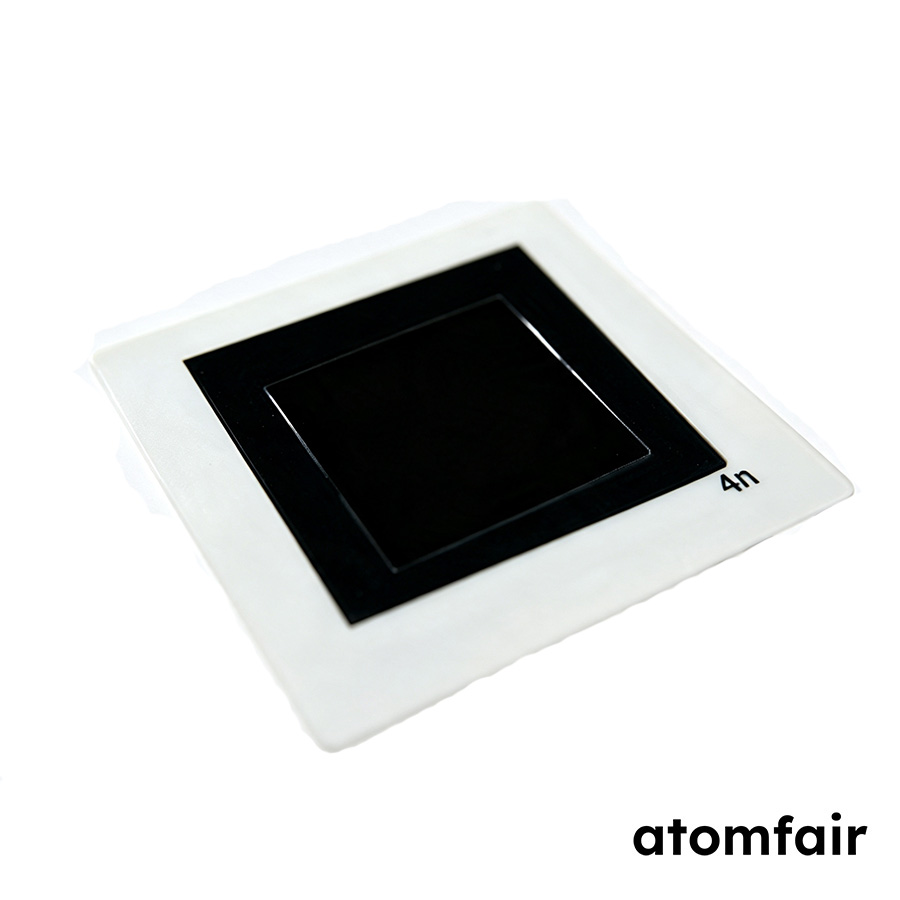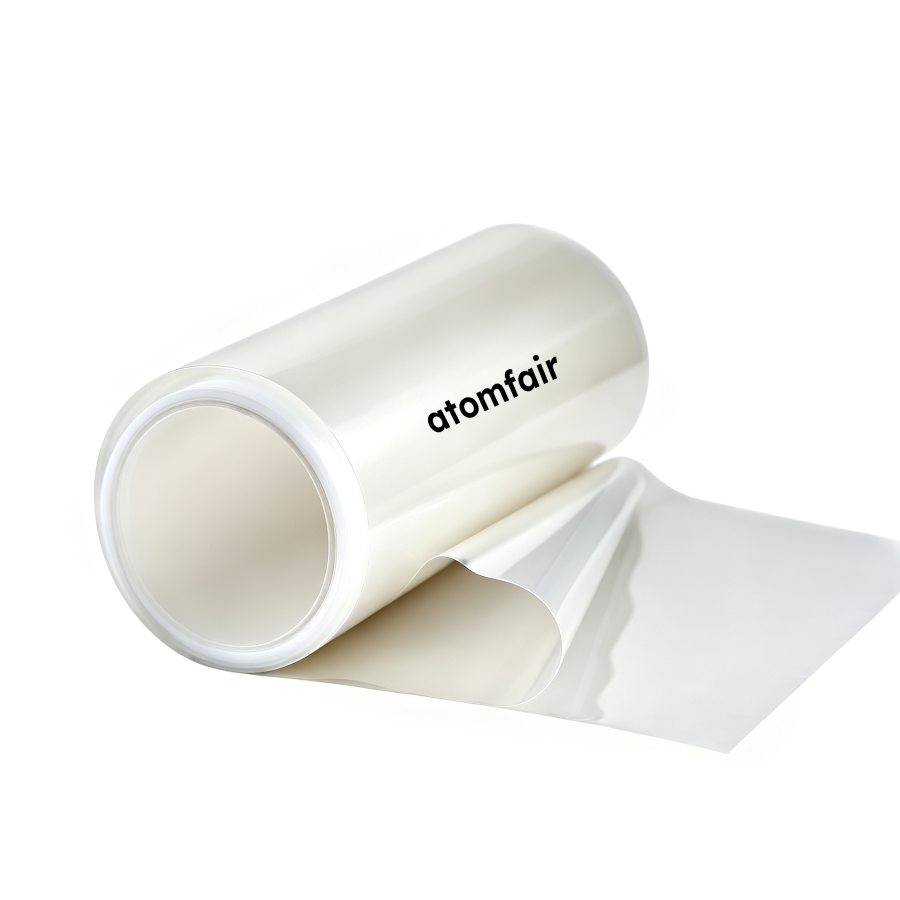
N-212 Perfluorosulfonic Acid Proton Exchange Membrane for Hydrogen Fuel CellProduct Type: Hydrogen Fuel Cell Proton Exchange Membrane
commercial grade product
|
|||||||||||||||||||||||||||||||
|
|||||||||||||||||||||||||||||||
|
LABORATORY PROCUREMENT SUPPORT
For model selection, application fit or configuration confirmation, contact our technical sales team.
E-MAIL: inquiry@atomfair.com
|
|||||||||||||||||||||||||||||||
|
Manufacturer: Atomfair LLC
Brand: ATOMFAIR®
|
How does the 50 μm thickness of the N-212 membrane affect gas crossover and durability compared to thinner PEMs?
The N-212 membrane is the thickest in its series at 50 μm with a basis weight of 99.0 g/m², which enhances mechanical robustness and dimensional stability while reducing gas crossover. This thickness, combined with ePTFE microporous reinforcement, delivers superior durability for demanding fuel cell stacks, though it may increase ohmic resistance slightly compared to thinner membranes.
What are the tensile and modulus requirements for integrating the N-212 membrane into a high-pressure fuel cell stack?
The N-212 membrane provides isotropic tensile strength of ≥28 MPa in both MD and TD, with an elastic modulus of ≥400 MPa in both directions, ensuring uniform load resistance under mechanical stress. This specification supports reliable integration into stacks requiring high mechanical stability, as the ePTFE reinforcement maintains dimensional integrity during compression and thermal cycling.
What handling and storage conditions are required for the N-212 membrane to maintain its water content and conductivity?
The N-212 membrane has a water content of 5.0 ± 3.0% and water uptake of 50.0 ± 5.0%, requiring controlled humidity storage to prevent dehydration or over-hydration that could affect proton conductivity (≥0.100 S/cm). Standard packaging ensures protection during transit, but for long-term storage, a sealed, low-humidity environment is recommended to preserve electrochemical performance.
The N-212 membrane (50 μm) offers mechanical robustness via ePTFE reinforcement and isotropic strength, but requires careful humidity control due to tight water content tolerance and significant water uptake.
Positive
- Thickest reinforced membrane: At 50 μm with ePTFE reinforcement, the N-212 delivers superior mechanical strength and dimensional stability while reducing gas crossover for demanding fuel cell stacks.
- Isotropic mechanical properties: MD/TD tensile strength ≥28 MPa and modulus ≥400 MPa ensure uniform load resistance across the membrane plane, enhancing durability under stack compression.
Trade-offs
- Tight water content tolerance: Water content is specified at 5.0 ± 3.0%, indicating sensitivity to ambient humidity; storage and operation require controlled relative humidity to maintain performance.
- High water uptake swelling: With water uptake of 50.0 ± 5.0%, the membrane undergoes significant dimensional change upon hydration, which must be accounted for in stack assembly and clamping design.
Every advanced material, component, equipment, and instrument in our catalog is backed by rigorous testing. We maintain strict internal quality management frameworks and align with CE conformity metrics to deliver transparent, reproducible performance data via our public open-science repository.
To request raw batch performance data, submit formal vendor registration paperwork, or execute a fast-turnaround R&D manufacturing loop, contact us at inquiry@atomfair.com.
Item is dispatched under the Atomfair Shipping & Delivery Framework (Free worldwide shipping on orders over $59 USD excl. heavy equipment). Return is governed by the Atomfair Return & Refund Policy (7-day technical return window).