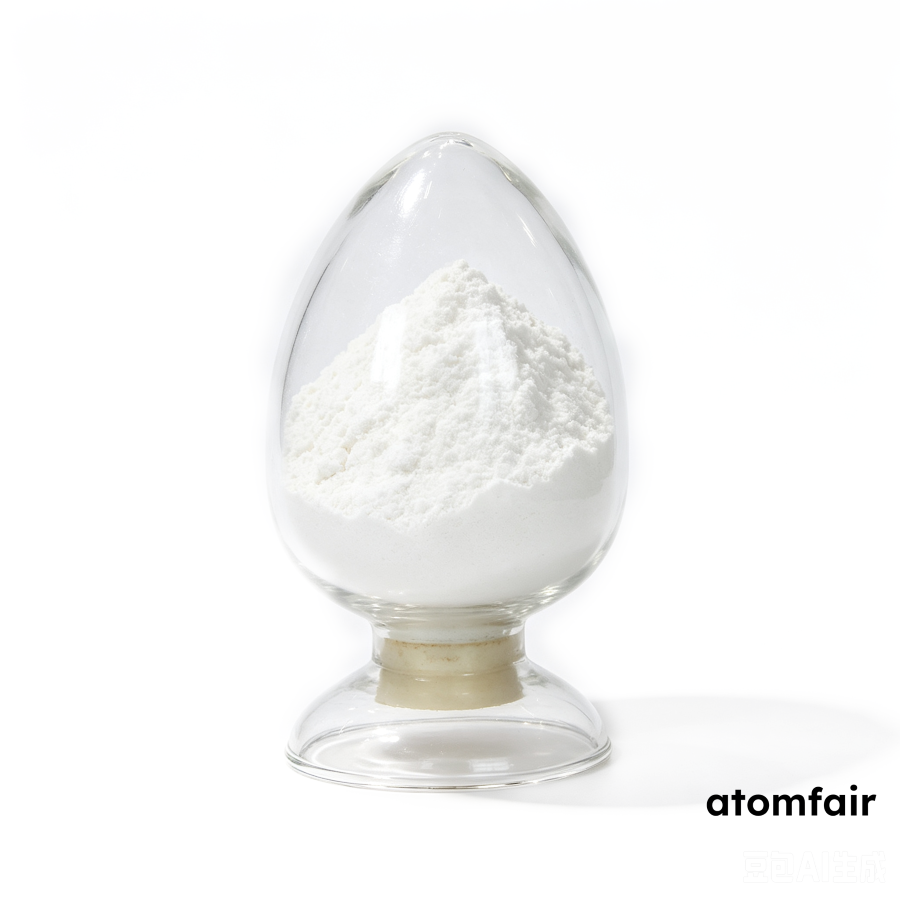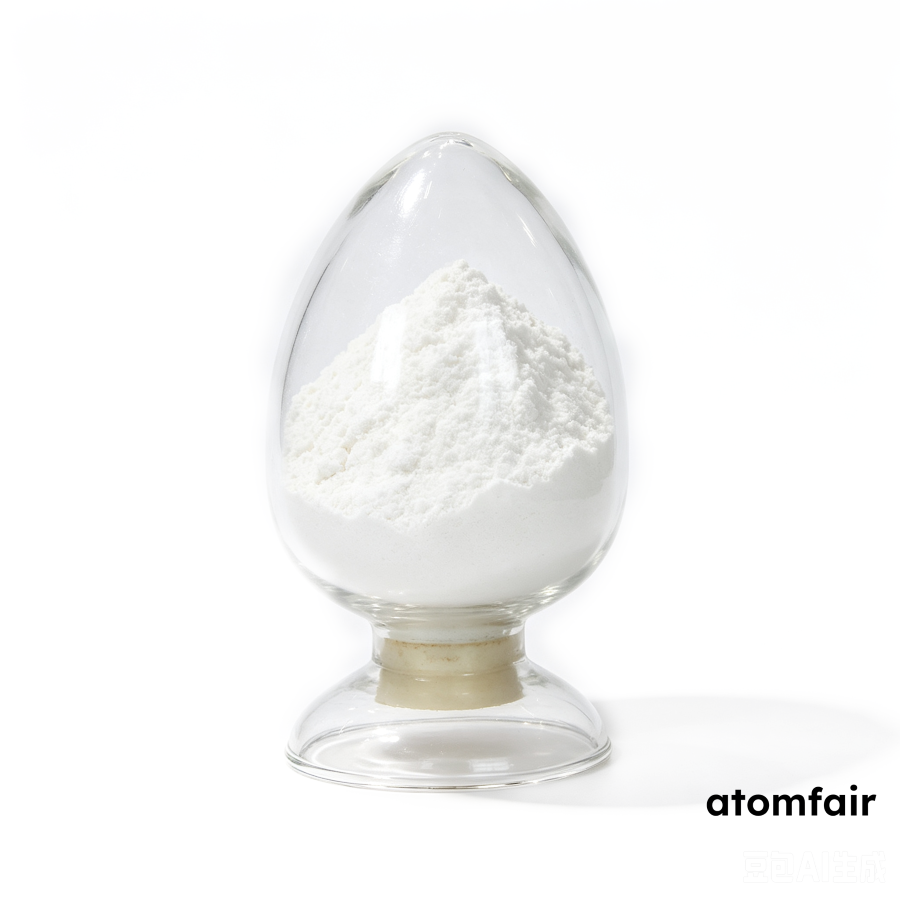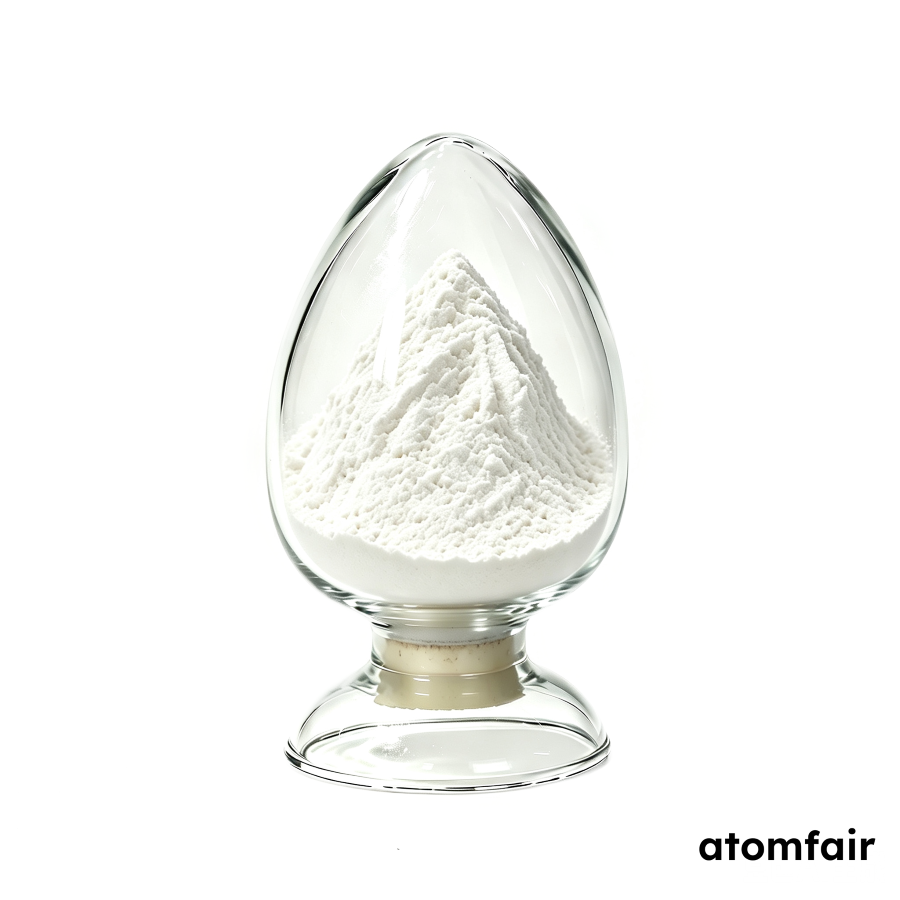
NiO Nickel Oxide Powder (Fine), D50 3-5 μm, 1 kg | ATOMFAIRProduct Type: SOC anode material powder
Research-grade laboratory product
|
|||||||||||||||||||||||||
|
|||||||||||||||||||||||||
|
LABORATORY PROCUREMENT SUPPORT
For model selection, accessory matching, platform compatibility or configuration confirmation, contact our technical sales team.
E-MAIL: inquiry@atomfair.com
|
|||||||||||||||||||||||||
|
Manufacturer: Atomfair LLC
Brand: ATOMFAIR®
|
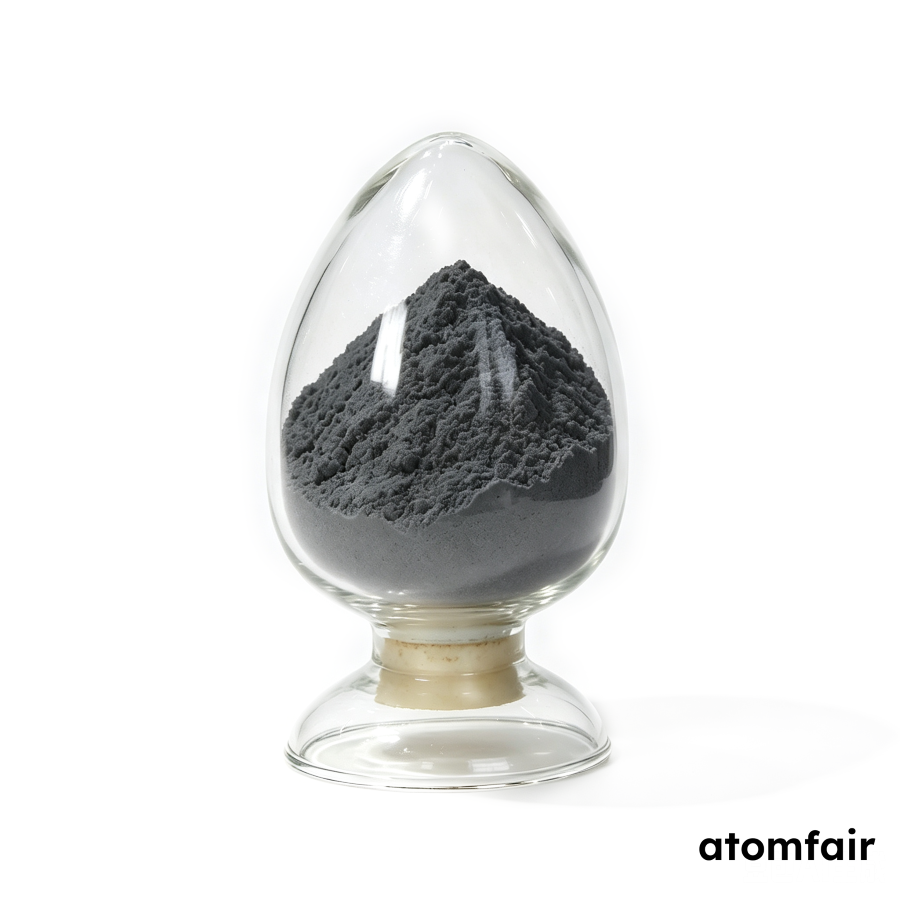
This document describes the storage, handling, and processing constraints for NiO nickel oxide powder used in solid oxide cell anode supports. The material requires dry storage and controlled processing to preserve flowability, sinterability, and reduction behavior.
- Moisture control: Store the powder in a dry environment and keep the container tightly sealed when not in use to prevent moisture uptake and contamination.
- Forming compatibility: Process the granulated powder by dry-pressing or tape-casting to achieve uniform packing and green density in anode support layers.
- Sintering behavior: Account for the powder's particle size and surface area to balance sinterability and pore evolution during anode processing.
- Reduction requirement: Reduce the NiO phase to metallic nickel under standard anode reduction conditions to establish electronic percolation in the support structure.
- Structural integrity: Maintain controlled porosity and mechanical strength after reduction to avoid structural failure in the anode support.
This procedure covers the conversion of fine NiO granulated powder into a solid oxide cell anode support using dry-pressing or tape-casting. It includes consolidation, sintering, reduction, and moisture-controlled storage steps.
Required Equipment: Dry-pressing die, Tape-casting machine, Anode sintering furnace, Anode reduction furnace
- Transfer
Transfer the powder from its sealed container to the dry-pressing die or tape-casting apparatus without prolonged exposure to ambient humidity. - Consolidate
Consolidate the powder into a green anode support using dry-pressing or tape-casting, ensuring uniform packing and consistent green density. - Sinter
Sinter the green anode support under anode processing conditions to develop the intended pore structure and mechanical strength. - Reduce
Reduce the sintered NiO structure to metallic nickel under standard anode reduction conditions to establish electronic percolation. - Store
Return unused powder to a sealed container and store it in a dry environment to prevent moisture uptake.
Why choose a fine NiO powder with D50 3–5 μm and low surface area (1–3 m²/g) for SOC anode support layers?
This specific NiO powder is designed for anode support layers because its moderate particle size (D50 3–5 μm) and low specific surface area (1–3 m²/g) provide balanced sinterability and controlled pore formation during firing, while ensuring good mechanical strength and structural integrity after reduction to metallic nickel. The spray-dried granulated morphology promotes excellent flowability and uniform packing during dry-pressing or tape-casting, which is critical for large-area anode substrate fabrication requiring reproducibility and dimensional stability.
How does this NiO powder integrate with YSZ in Ni-YSZ cermet anodes, and what are the reduction characteristics?
This NiO powder is intended for use in Ni-YSZ cermet anodes for solid oxide cells. It converts reliably to metallic nickel under standard anode reduction conditions, providing good electronic percolation. The controlled pore structure from the moderate surface area and particle size enables predictable pore evolution during firing and reduction, optimizing triple-phase boundary density and gas transport in the anode.
What storage and handling conditions are required to maintain the quality of this NiO powder?
Store the powder in a dry environment and keep containers tightly sealed when not in use to prevent moisture uptake and contamination. The moisture content is specified at less than 1 wt.%, and exposure to humidity can cause agglomeration or degradation of the granulated morphology, compromising flowability and anode processing performance.
The ATOMFAIR NiO nickel oxide powder (D50 3–5 μm, SSA 1–3 m²/g, moisture <1 wt.%) is a spray-dried granulated support-layer material for solid oxide cell anodes; its moderate particle size and low surface area provide balanced sinterability, predictable pore evolution, and mechanical integrity after reduction to metallic nickel.
Positive
- Granulated morphology improves flowability and packing: The spray-dried granulated powder promotes consistent die filling and uniform green density during dry-pressing or tape-casting, supporting reproducible large-area anode substrate fabrication.
- Balanced sinterability and pore formation: The 3–5 μm particle size and 1–3 m²/g specific surface area provide balanced sinterability and controlled pore evolution during anode processing, yielding good mechanical strength after reduction to metallic nickel.
Trade-offs
- Requires dry storage and sealed handling: Moisture content is specified below 1 wt.%, and the product must be stored in a dry environment with tightly sealed containers to prevent moisture uptake and contamination.
- Reduction step needed for electronic percolation: As NiO, the powder must be converted to metallic nickel under standard anode reduction conditions before it provides electronic percolation in the cermet anode.
Every advanced material, component, equipment, and instrument in our catalog is backed by rigorous testing. We maintain strict internal quality management frameworks and align with CE conformity metrics to deliver transparent, reproducible performance data via our public open-science repository.
To request raw batch performance data, submit formal vendor registration paperwork, or execute a fast-turnaround R&D manufacturing loop, contact us at inquiry@atomfair.com.
Item is dispatched under the Atomfair Shipping & Delivery Framework (Free worldwide shipping on orders over $59 USD excl. heavy equipment). Return is governed by the Atomfair Return & Refund Policy (7-day technical return window).