N-211 Perfluorosulfonic Acid Proton Exchange Membrane for Hydrogen Fuel CellProduct Type: Hydrogen Fuel Cell Proton Exchange Membrane
commercial grade product
|
|||||||||||||||||||||||||||||||
|
|||||||||||||||||||||||||||||||
|
LABORATORY PROCUREMENT SUPPORT
For model selection, application fit or configuration confirmation, contact our technical sales team.
E-MAIL: inquiry@atomfair.com
|
|||||||||||||||||||||||||||||||
|
Manufacturer: Atomfair LLC
Brand: ATOMFAIR®
|
How does the ePTFE reinforcement in the N-211 membrane affect the trade-off between mechanical strength and ionic conductivity?
The ePTFE reinforcement provides a well-balanced combination of mechanical strength and ionic conductivity. The membrane achieves a tensile strength of ≥28 MPa in both MD and TD and a modulus of ≥400 MPa, while maintaining a proton conductivity of ≥0.100 S/cm. This reinforcement allows the 25 μm membrane to withstand directional loads without compromising the ionic conduction required for fuel cell performance.
What water management considerations are critical for maintaining the N-211 membrane's proton conductivity?
The N-211 membrane has a water content of 5.0 ± 3.0% and a water uptake of 50.0 ± 5.0%. Proper hydration is essential to sustain the perfluorosulfonic acid groups' proton transfer, as conductivity is rated ≥0.100 S/cm. Operating conditions must avoid excessive drying or flooding to maintain the water balance that directly supports ionic conduction.
What is the significance of the anisotropic tensile strength specifications for the N-211 membrane in a fuel cell stack?
The membrane exhibits MD elongation ≥100% and TD elongation ≥120%, with tensile strength ≥28 MPa in both directions. These anisotropic properties allow it to accommodate directional stresses during stack assembly and thermal cycling, reducing the risk of mechanical failure. The higher TD elongation helps manage transverse strains, while the MD strength ensures robust longitudinal load handling.
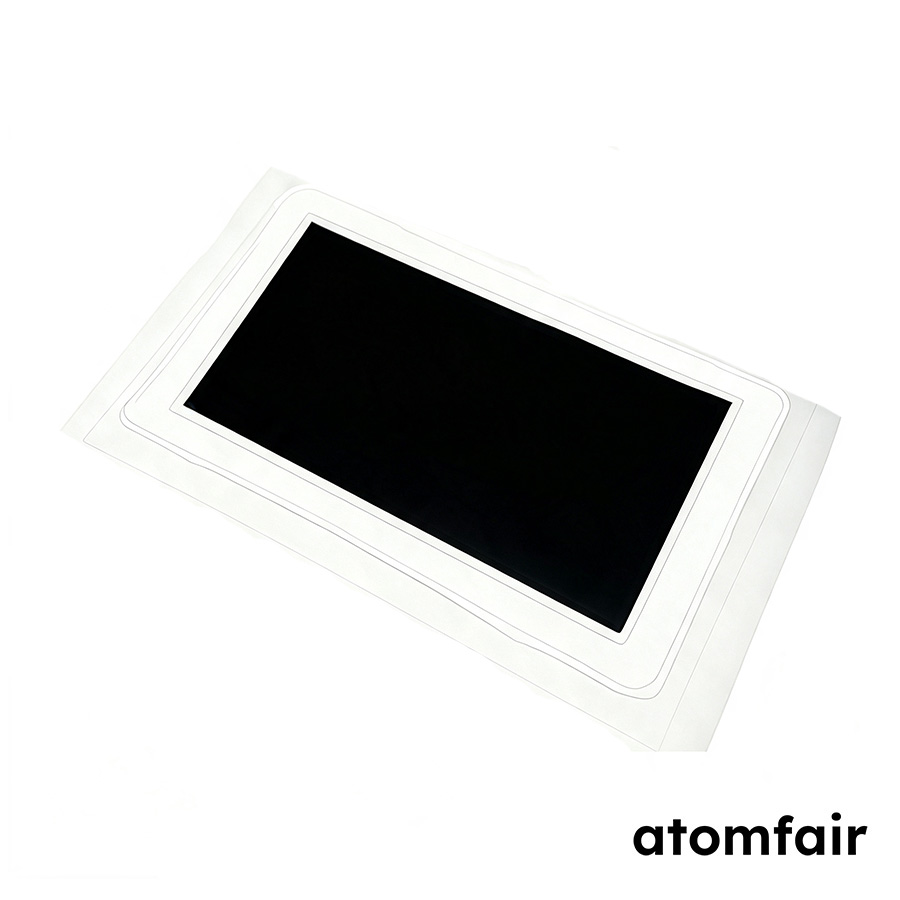
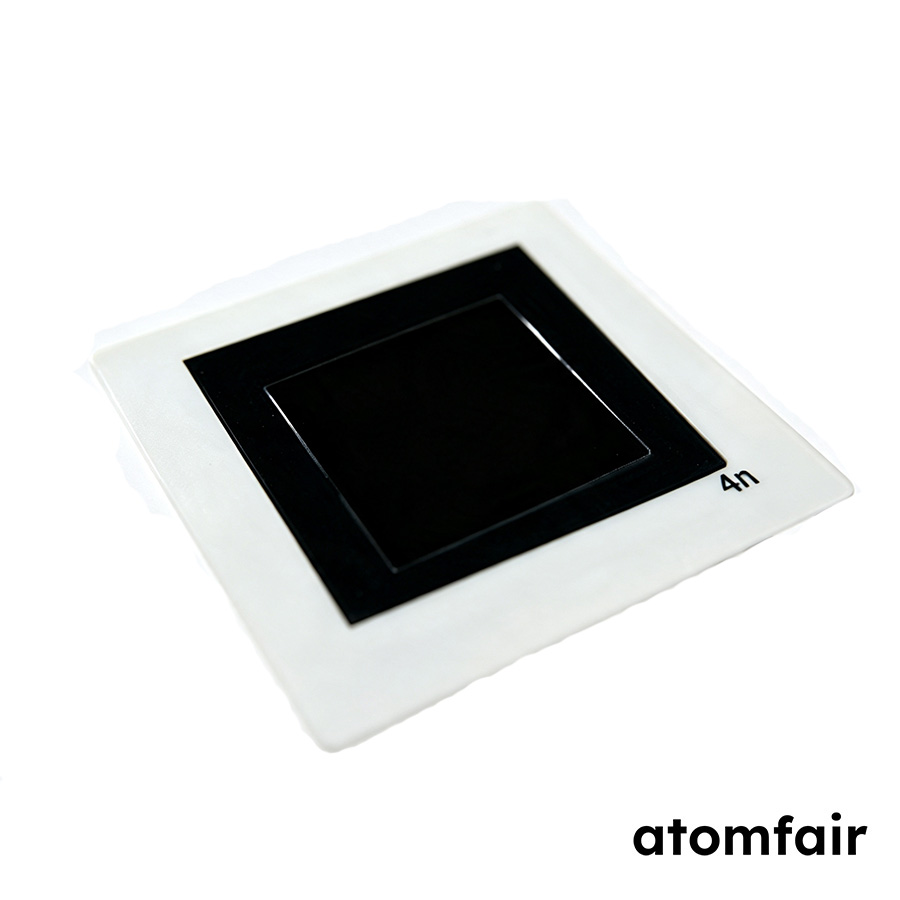
Atomfair N-211 is a 25 μm ePTFE-reinforced perfluorosulfonic acid proton exchange membrane (model AF-PEM-FC25) offering balanced mechanical strength and ionic conductivity (≥0.100 S/cm) for hydrogen fuel cell applications. Its anisotropic tensile properties and high MD elongation facilitate integration into stack designs, while standard sheet size and hydration requirements impose operational considerations.
Positive
- ePTFE reinforcement for balanced performance: The ePTFE reinforcement provides a well-balanced combination of mechanical strength and ionic conductivity, enabling reliable operation in fuel cell stacks.
- High MD ductility for stress accommodation: Elongation at break ≥180% (MD) and ≥100% (TD) allows the membrane to accommodate assembly and operational stresses, reducing risk of mechanical failure.
Trade-offs
- Hydration-dependent performance: Water content (5.0±3.0%) and water uptake (50.0±5.0%) indicate that ionic conductivity and mechanical properties require precise humidity control during storage and operation.
- Standard sheet size constraint: Supplied as 1 m × 1 m (1 m²); custom dimensions require separate quotation, potentially limiting integration into non-standard stack geometries.
Every advanced material, component, equipment, and instrument in our catalog is backed by rigorous testing. We maintain strict internal quality management frameworks and align with CE conformity metrics to deliver transparent, reproducible performance data via our public open-science repository.
To request raw batch performance data, submit formal vendor registration paperwork, or execute a fast-turnaround R&D manufacturing loop, contact us at inquiry@atomfair.com.
Item is dispatched under the Atomfair Shipping & Delivery Framework (Free worldwide shipping on orders over $59 USD excl. heavy equipment). Return is governed by the Atomfair Return & Refund Policy (7-day technical return window).