|
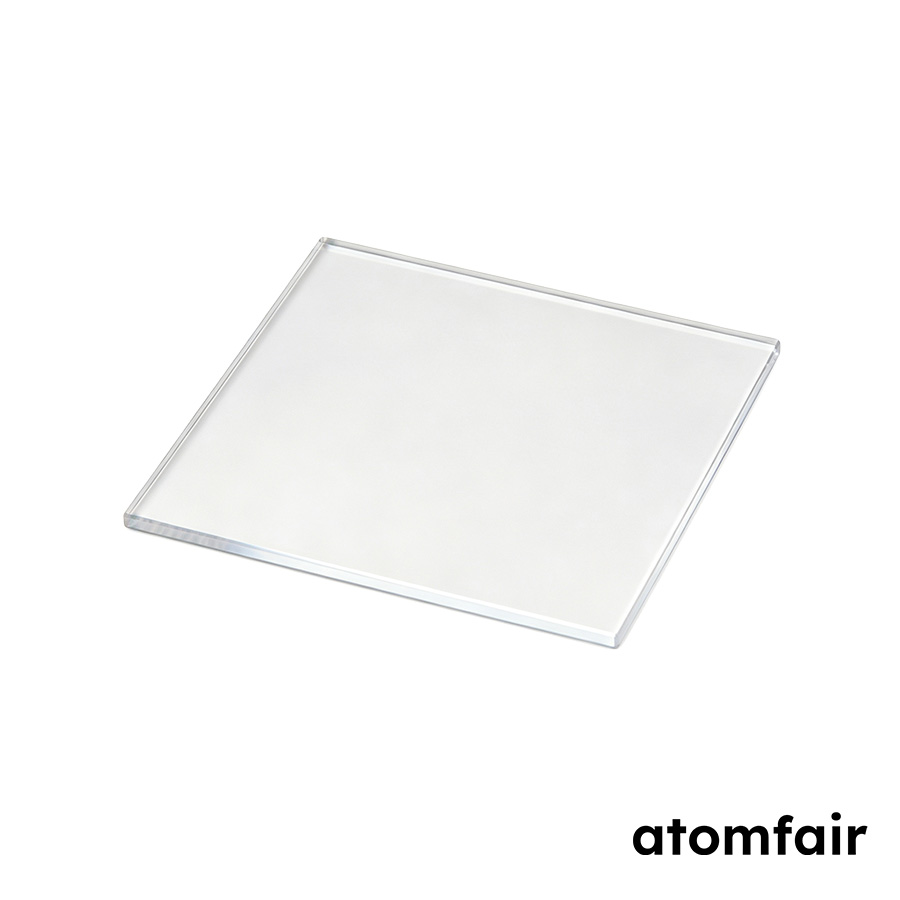
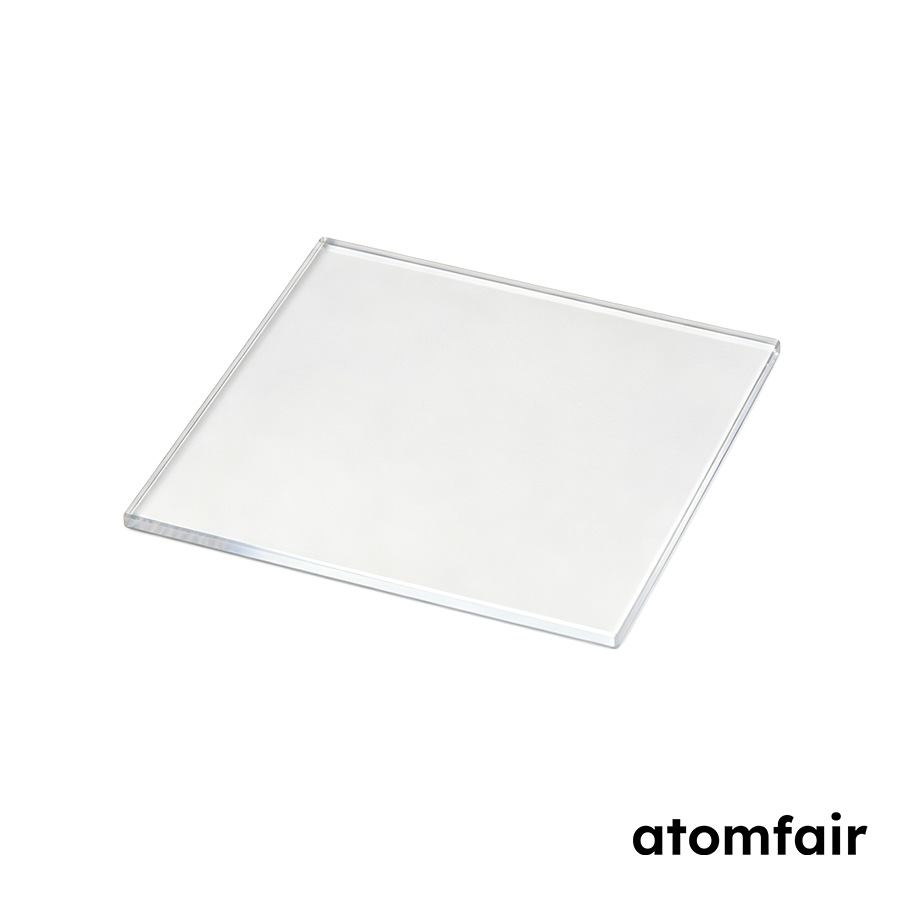
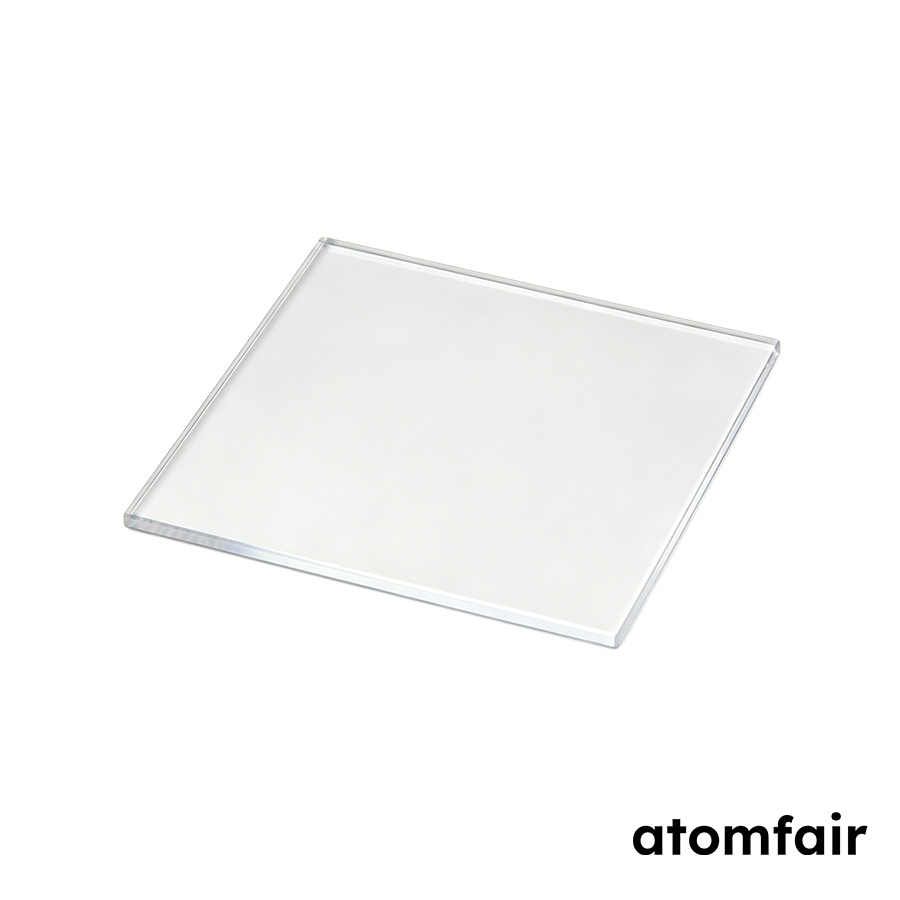
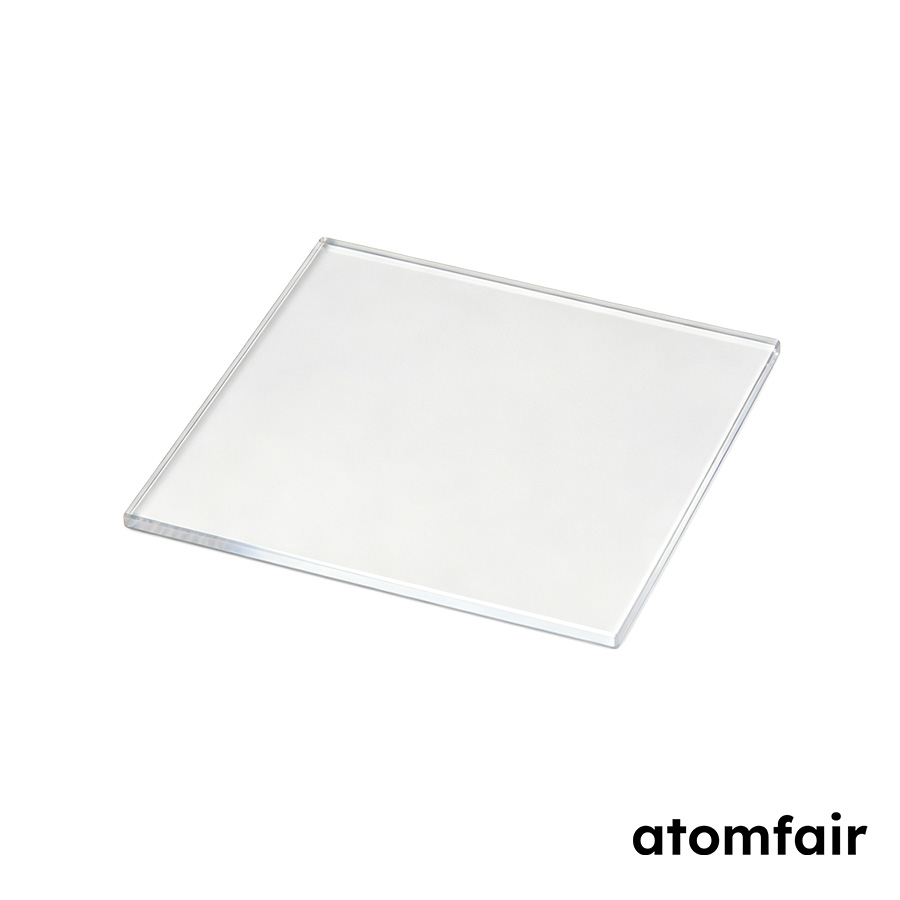
Lithium Niobate (LiNbO3) Crystal Substrate, 5 × 5 × 0.5 mm, (11-20), single-side polished (10 Pieces per Box)
Product Type: Lithium niobate crystal substrate
Research-grade laboratory product
|
|||||||||||||||||||||||||||||||||||||||||||
|
|||||||||||||||||||||||||||||||||||||||||||
|
LABORATORY PROCUREMENT SUPPORT
For model selection, coating review, platform compatibility or configuration confirmation, contact our technical sales team.
E-MAIL: inquiry@atomfair.com
|
|||||||||||||||||||||||||||||||||||||||||||
|
Manufacturer: Atomfair LLC
Brand: ATOMFAIR®
|
The (11-20) orientation substrate exhibits anisotropic mechanical and electro-optic properties that require precise alignment for device integration. Single-side polished surfaces demand protection from particulate contamination and mechanical abrasion during handling and processing.
- Polished Surface Protection: Protect the polished side from direct contact with unclean surfaces or tools to prevent scratches exceeding the specified < 5 Å surface roughness.
- Thermal Stress Management: Avoid rapid temperature changes near the Curie temperature of approximately 1140 °C to prevent domain depoling or thermal shock-induced cracking.
- Electro-Optic Coefficient Sensitivity: The electro-optic coefficients (γ33 = 31 pm/V) require careful electrode alignment relative to the crystal axes for consistent modulator performance.
These steps ensure the polished surface remains pristine and the crystal is correctly oriented for optical or electro-optic device fabrication. All handling must be performed in a cleanroom environment with appropriate anti-static equipment.
Required Equipment: Cleanroom-grade tweezers with PTFE tips, Goniometer or XYZ alignment stage
- Inspect the substrate upon receipt
Inspect the unpolished side for visible cracks or chips, and verify orientation marks against the specified (11-20) plane. - Clean the polished surface
Clean the polished surface using an acetone cascade followed by isopropyl alcohol rinse under a laminar flow hood, then dry with a filtered nitrogen stream. - Align the crystal axes
Align the crystal axes using a goniometer to within < 0.5° of the intended device geometry relative to the (11-20) crystallographic plane. - Mount the substrate for processing
Mount the substrate on a vacuum chuck or optical mount, contacting only the unpolished side or the beveled edges to preserve surface finish.
What is the significance of the surface roughness specification of <5 Å for this single-side polished lithium niobate substrate, and how does single-side polishing compare to double-side polishing for nonlinear optical applications?
The surface roughness of <5 Å ensures low scattering losses for optical transmission in the 0.4–2.90 μm spectral range. Single-side polishing is suitable when only one optical-quality surface is required, such as for bonded or mounted devices. Double-side polishing, listed as routine processing, provides lower wavefront distortion for transmission applications and is preferred when both surfaces must be optically flat.
For which specific nonlinear optical or electro-optic devices is the (11-20) orientation of LiNbO3 preferred over the more common (0001) orientation?
The (11-20) orientation is often used for acousto-optic devices and optical modulators where the electro-optic coefficients (γ13 = 9, γ22 = 3.4, γ33 = 31 pm/V) are exploited along specific crystal axes. The (0001) orientation is more common for frequency doubling and parametric oscillators due to phase-matching conditions. The orientation tolerance of <0.5° ensures consistent device performance.
What storage and handling precautions are required to maintain the optical quality of these 5 × 5 × 0.5 mm lithium niobate substrates?
The substrates should be stored in a clean, dry environment to prevent surface contamination that could increase roughness beyond the <5 Å specification. Handling should be done with cleanroom gloves or vacuum tweezers to avoid oils or particles. The Curie temperature of ~1140 °C indicates the material is stable at room temperature, but thermal shock should be avoided during processing.
This 5×5×0.5 mm (11-20) LiNbO3 substrate offers nonlinear optical grade material with high nonlinear coefficients (d33=34.45 pm/V) and broad spectral transmission (0.4–2.90 μm), suitable for frequency doubling and electro-optic modulators, but requires careful handling due to thinness and single-side polishing.
Positive
- High nonlinear optical coefficients: With d33 = 34.45 pm/V and d31 = 5.95 pm/V, this LiNbO3 substrate provides efficient nonlinear conversion for second-harmonic generation and parametric processes.
- Broad spectral transmission range: Transmission from 0.4 to 2.90 μm covers visible and near-IR, enabling use in a wide range of optical and electro-optic devices.
Trade-offs
- Single-side polished finish: The single-side polished surface limits optical applications requiring both sides polished; double-side polishing may be needed for transmission or waveguide geometries.
- Thin substrate fragility: At 0.5 mm thickness, the substrate is mechanically fragile and requires careful handling to avoid fracture during processing or mounting.
Every advanced material, component, equipment, and instrument in our catalog is backed by rigorous testing. We maintain strict internal quality management frameworks and align with CE conformity metrics to deliver transparent, reproducible performance data via our public open-science repository.
To request raw batch performance data, submit formal vendor registration paperwork, or execute a fast-turnaround R&D manufacturing loop, contact us at inquiry@atomfair.com.
Item is dispatched under the Atomfair Shipping & Delivery Framework (Free worldwide shipping on orders over $59 USD excl. heavy equipment). Return is governed by the Atomfair Return & Refund Policy (7-day technical return window).