|
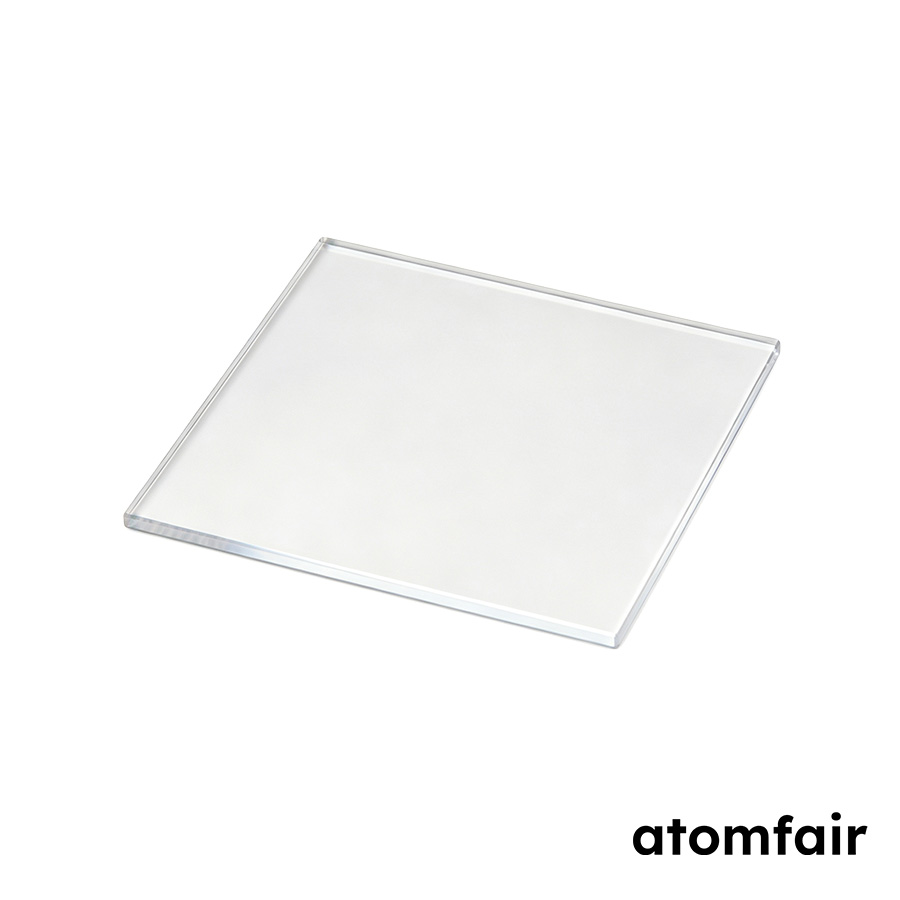
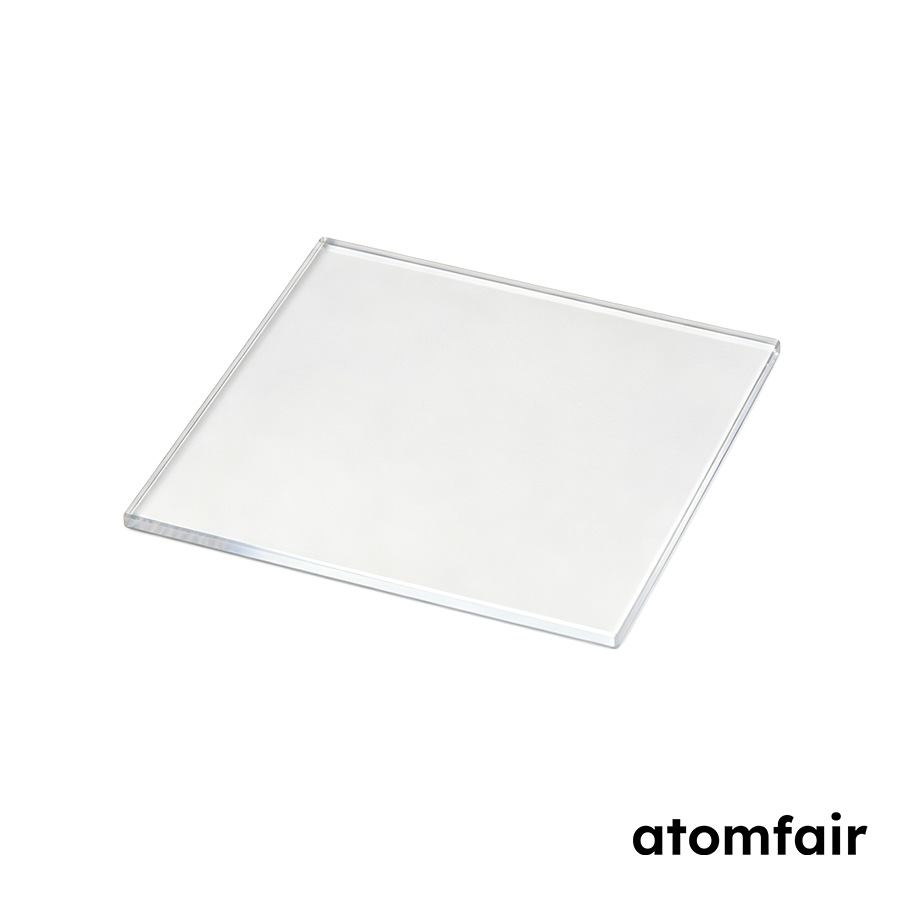
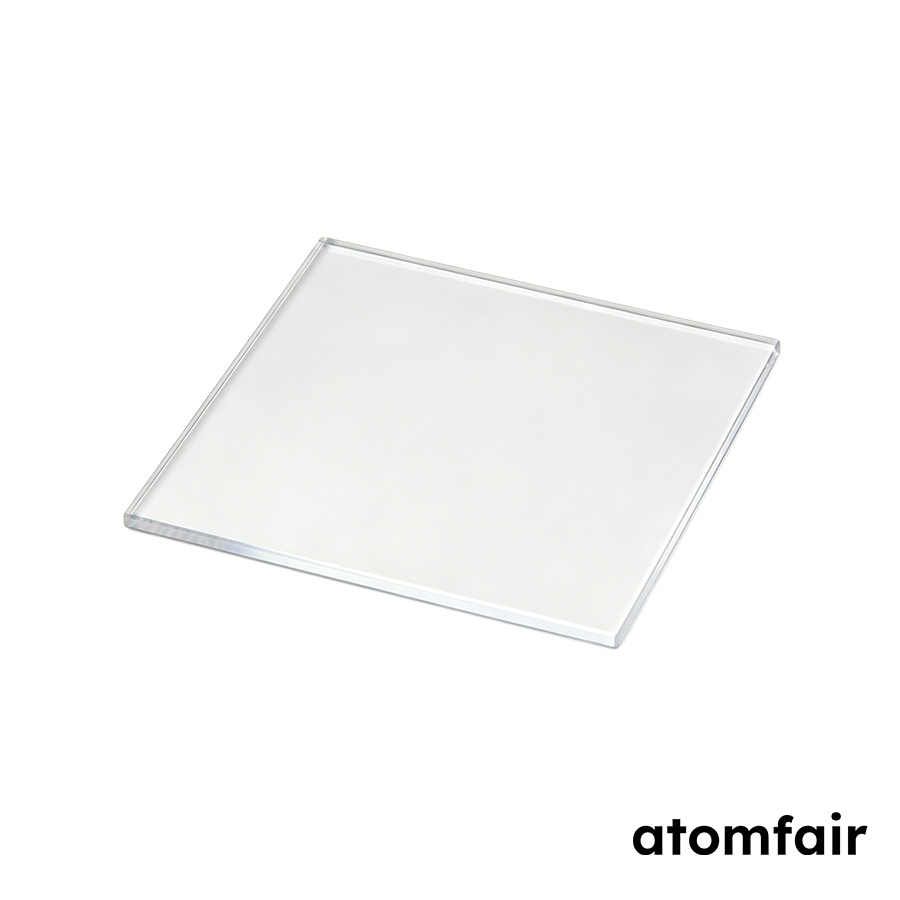
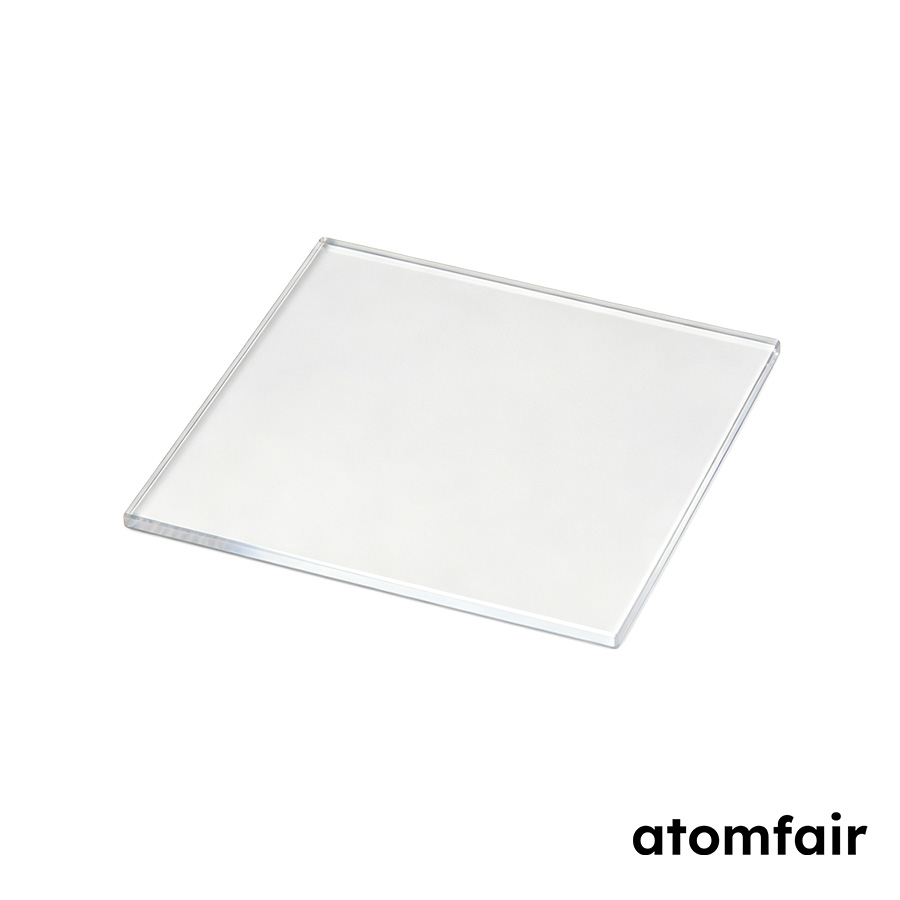
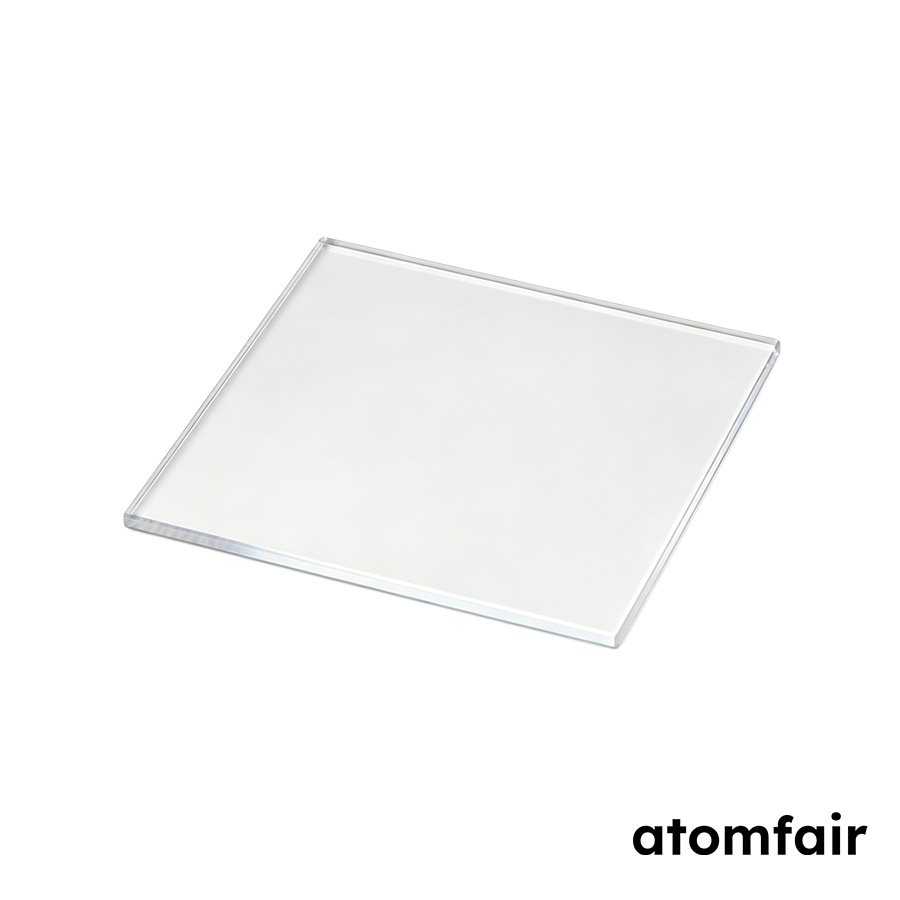
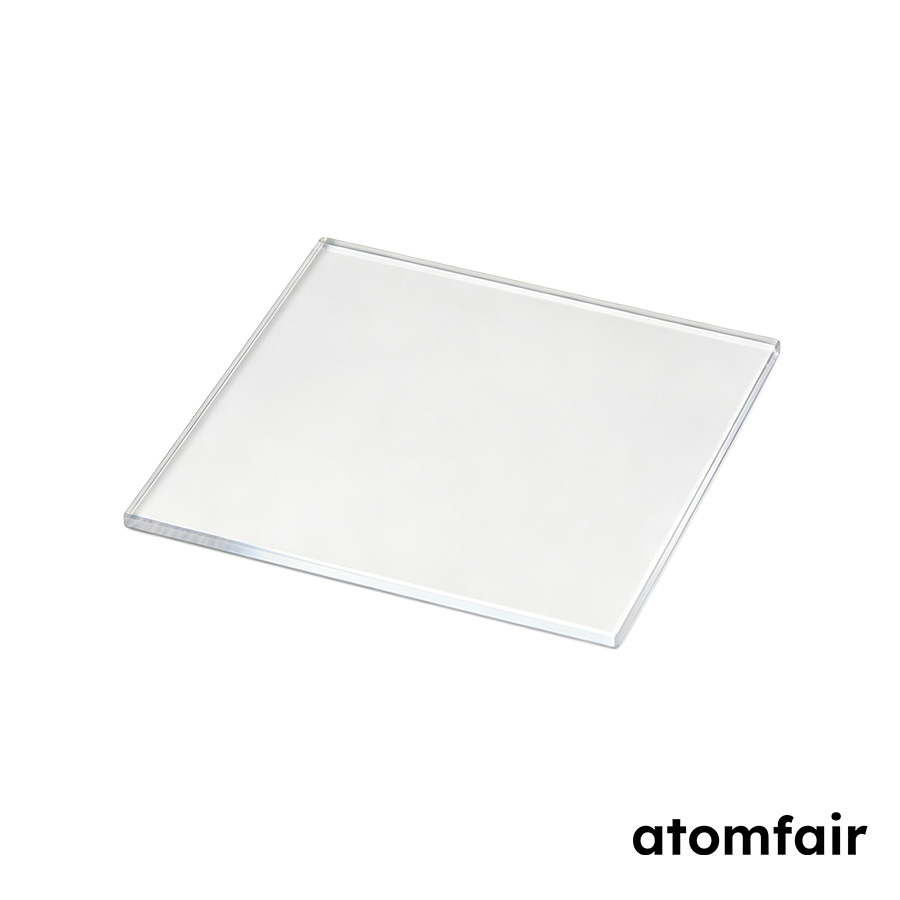
Lithium Niobate (LiNbO3) Crystal Substrate, 5 × 5 × 0.5 mm, (10-10), double-side polished (10 Pieces per Box)
Product Type: Lithium niobate crystal substrate
Research-grade laboratory product
|
|||||||||||||||||||||||||||||||||||||||||||
|
|||||||||||||||||||||||||||||||||||||||||||
|
LABORATORY PROCUREMENT SUPPORT
For model selection, coating review, platform compatibility or configuration confirmation, contact our technical sales team.
E-MAIL: inquiry@atomfair.com
|
|||||||||||||||||||||||||||||||||||||||||||
|
Manufacturer: Atomfair LLC
Brand: ATOMFAIR®
|
This substrate is a nonlinear optical grade LiNbO3 crystal with orientation tolerance < 0.5° and surface roughness < 5 Å. The material is sensitive to thermal shock due to its 1250 °C melting point and requires careful handling to avoid surface contamination or damage.
- Surface Quality Constraint: Double-side polished surfaces with roughness below 5 Å must be protected from scratches and particulate contamination during handling.
- Orientation Tolerance Constraint: The (10-10) orientation tolerance of less than 0.5° must be verified before use in optical or electro-optic device assembly.
These steps describe the safe handling and initial inspection of LiNbO3 crystal substrates for optical device workflows. Proper technique prevents surface damage and ensures orientation accuracy.
Required Equipment: Cleanroom gloves, Anti-static tweezers, Optical microscope
- Inspect packaging
Inspect the sealed box for any signs of damage or moisture exposure before opening. - Don protective gear
Don cleanroom gloves and use anti-static tweezers to handle the substrate by its edges only. - Verify orientation mark
Verify the (10-10) orientation mark against the product documentation using an optical microscope. - Inspect surface quality
Inspect both polished surfaces under bright illumination for scratches, pits, or particulate contamination. - Store in dry environment
Store the substrate in a dry, particle-free container at room temperature until immediate use.
What is the surface roughness specification for the double-side polished LiNbO3 substrate and how does it impact optical device performance?
The surface roughness is specified as <5 Å. This ultra-smooth finish minimizes scattering losses in optical waveguides and resonant cavities, which is essential for low-loss operation in frequency doubling, parametric oscillators, and acousto-optic devices.
What types of devices is this (10-10) oriented lithium niobate crystal substrate suitable for?
This nonlinear optical grade LiNbO3 substrate is suitable for parametric oscillators, frequency doubling, acousto-optic devices, and optical modulators. It offers a spectral transmission range of 0.4–2.90 μm and is supplied with double-side polishing and orientation tolerance <0.5°.
What is the Curie temperature of this LiNbO3 crystal and why is it important for device processing?
The Curie temperature is approximately 1140 °C. This is the temperature above which the crystal loses its ferroelectric properties, so any thermal processing such as annealing or poling must be kept below this threshold to maintain domain structure and nonlinear optical performance.
This 5×5×0.5 mm LiNbO3 substrate in (10-10) orientation with double-side polished surfaces (<5 Å roughness) provides high nonlinear and electro-optic coefficients for optical device prototyping, but requires careful alignment due to tight orientation tolerance (<0.5°) and delicate handling of thin substrates.
Positive
- High nonlinear and electro-optic coefficients: Nonlinear coefficients up to d33=34.45 pm/V and electro-optic coefficients up to γ33=31 pm/V enable efficient frequency conversion, parametric oscillation, and optical modulation.
- Double-side polished with low surface roughness: Surface roughness <5 Å and double-side polishing minimize optical scattering and insertion loss, critical for waveguide and resonator integration.
Trade-offs
- Tight orientation tolerance requires precise alignment: Orientation tolerance <0.5° demands careful crystallographic alignment during mounting to achieve optimal phase-matching and electro-optic response.
- Thin substrate fragility: The 0.5 mm thickness increases susceptibility to mechanical damage during handling, cleaving, or thermal cycling, requiring cautious lab procedures.
Every advanced material, component, equipment, and instrument in our catalog is backed by rigorous testing. We maintain strict internal quality management frameworks and align with CE conformity metrics to deliver transparent, reproducible performance data via our public open-science repository.
To request raw batch performance data, submit formal vendor registration paperwork, or execute a fast-turnaround R&D manufacturing loop, contact us at inquiry@atomfair.com.
Item is dispatched under the Atomfair Shipping & Delivery Framework (Free worldwide shipping on orders over $59 USD excl. heavy equipment). Return is governed by the Atomfair Return & Refund Policy (7-day technical return window).