|
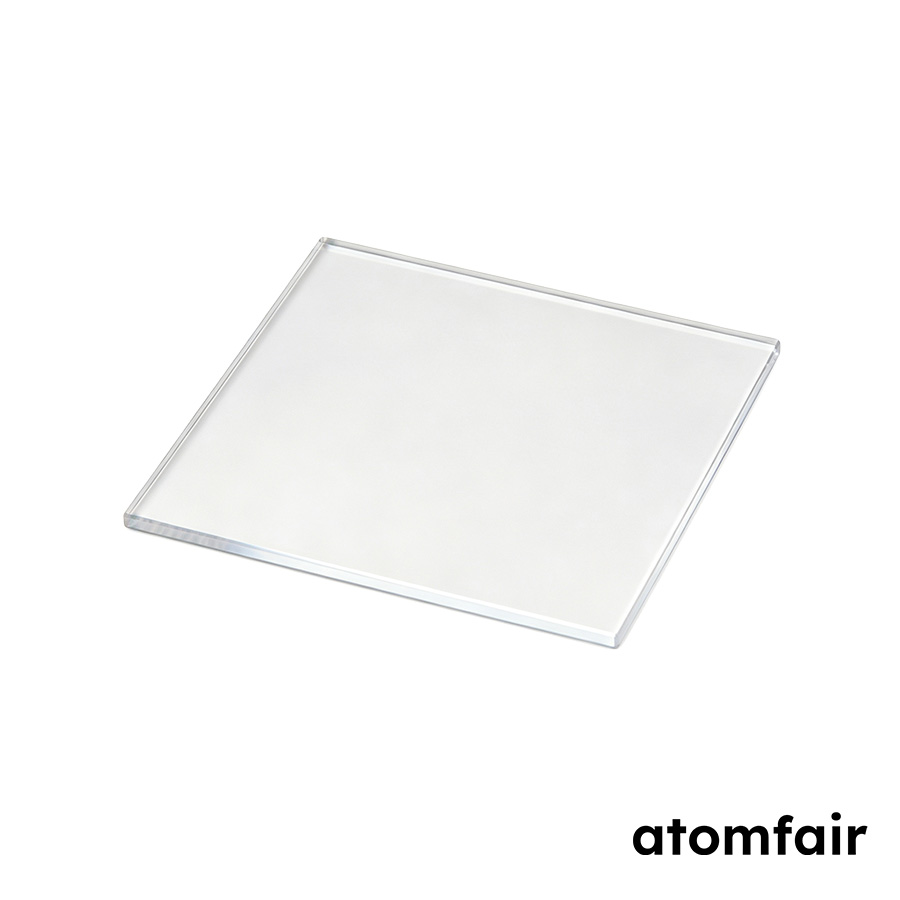
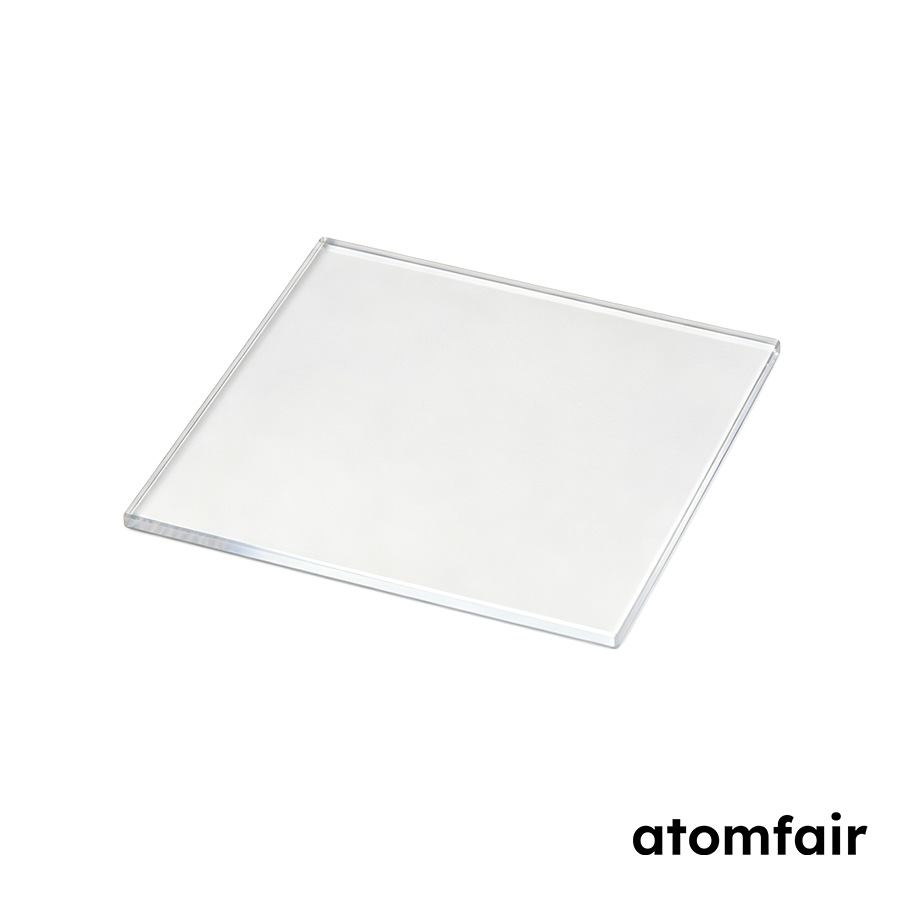
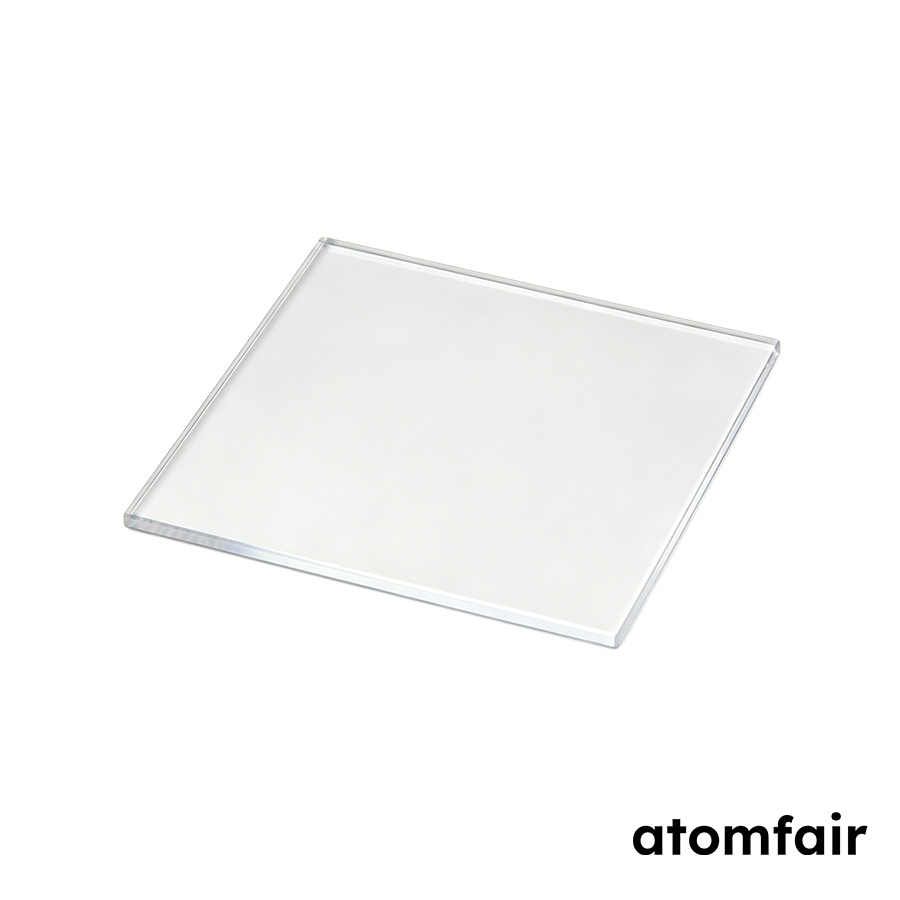
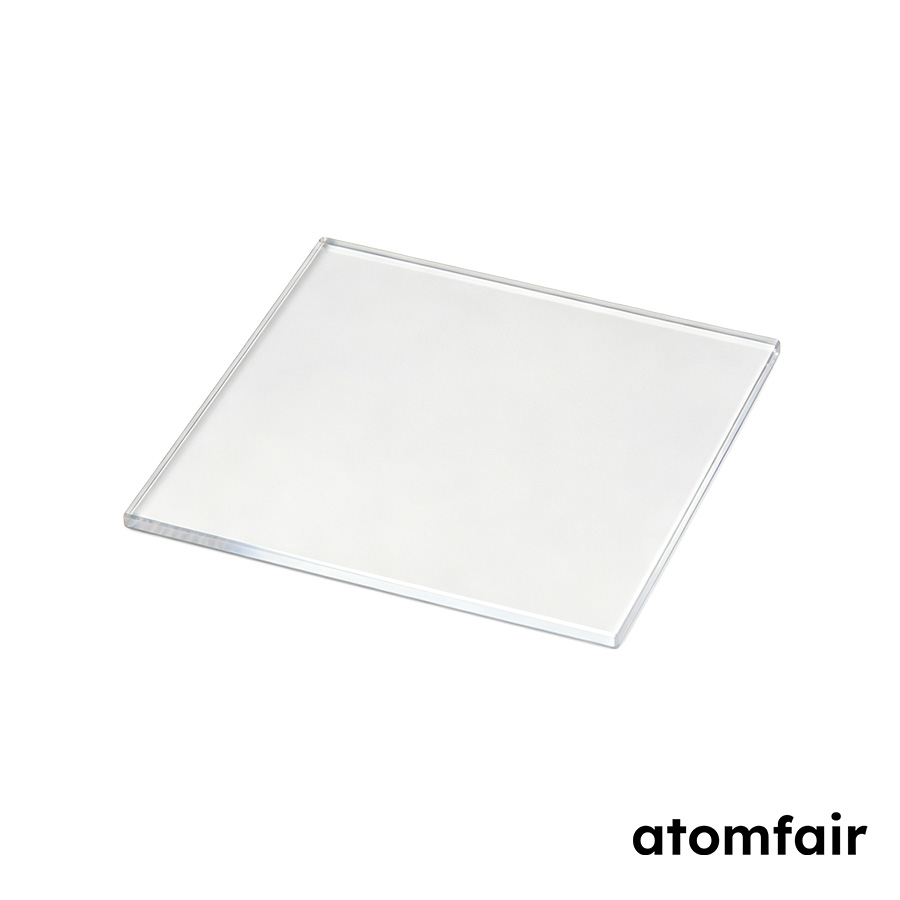
Lithium Niobate (LiNbO3) Crystal Substrate, 5 × 5 × 0.5 mm, (0001), double-side polished (10 Pieces per Box)
Product Type: Lithium niobate crystal substrate
Research-grade laboratory product
|
|||||||||||||||||||||||||||||||||||||||||||
|
|||||||||||||||||||||||||||||||||||||||||||
|
LABORATORY PROCUREMENT SUPPORT
For model selection, coating review, platform compatibility or configuration confirmation, contact our technical sales team.
E-MAIL: inquiry@atomfair.com
|
|||||||||||||||||||||||||||||||||||||||||||
|
Manufacturer: Atomfair LLC
Brand: ATOMFAIR®
|
How does MgO doping affect the optical damage threshold of LiNbO3 crystal substrates?
MgO doping is listed as a method to improve the optical damage threshold, but specific quantitative improvement values are not provided in the product description. The substrate is supplied as nonlinear optical grade material for parametric oscillators and frequency doubling.
What are the orientation tolerance and surface roughness specifications for the (0001)-oriented LiNbO3 substrate?
The orientation tolerance is <0.5° and the surface roughness is <5 Å, as specified in the technical specifications. These parameters are critical for ensuring precise alignment and low scattering in optical and electro-optic device integration.
What is the spectral transmission range of this lithium niobate substrate and what are the implications for device operation?
The spectral transmission wavelength range is 0.4 to 2.90 μm, as stated in the material data. This limits the operational wavelengths for applications such as frequency doubling and optical modulation, and users must ensure their laser or signal wavelengths fall within this range.
This 5×5×0.5 mm (0001)-oriented, double-side polished lithium niobate crystal substrate offers nonlinear optical and electro-optic coefficients (d33 = 34.45 pm/V, γ33 = 31) for parametric oscillators and modulators, with surface roughness <5 Å and orientation tolerance <0.5°, but requires careful thermal management due to a Curie temperature of ~1140 °C and a limited spectral transmission window of 0.4–2.90 μm.
Positive
- High surface quality and orientation precision: Double-side polishing achieves surface roughness <5 Å and orientation tolerance <0.5°, enabling low-scatter interfaces for optical waveguides and resonator assemblies.
- Strong nonlinear and electro-optic coefficients: Nonlinear coefficients d33 = 34.45 pm/V and electro-optic coefficient γ33 = 31 support efficient frequency conversion and fast optical modulation in device integration.
Trade-offs
- Limited spectral transmission range: The 0.4–2.90 μm transmission window excludes UV below 400 nm and mid-IR beyond 2.9 μm, restricting use in deep-UV or extended infrared photonics.
- Thermal sensitivity and optical damage threshold: With a Curie temperature of ~1140 °C and a melting point of 1250 °C, the substrate is susceptible to thermal stress; MgO doping is recommended to improve the optical damage threshold, indicating that undoped LiNbO3 may degrade under high-intensity CW or pulsed laser exposure.
Every advanced material, component, equipment, and instrument in our catalog is backed by rigorous testing. We maintain strict internal quality management frameworks and align with CE conformity metrics to deliver transparent, reproducible performance data via our public open-science repository.
To request raw batch performance data, submit formal vendor registration paperwork, or execute a fast-turnaround R&D manufacturing loop, contact us at inquiry@atomfair.com.
Item is dispatched under the Atomfair Shipping & Delivery Framework (Free worldwide shipping on orders over $59 USD excl. heavy equipment). Return is governed by the Atomfair Return & Refund Policy (7-day technical return window).