Multifunctional Combination Isotropic Carbon Graphite Working Electrode Series | ATOMFAIRRESEARCH GRADE INSTRUMENT
|
|||||||||||||||||||||||
|
|||||||||||||||||||||||
|
TAILORED SOLUTIONS FOR RESEARCH
Contact our engineering team for technical support or official institutional quotations.
EMAIL: inquiry@atomfair.com
|
|||||||||||||||||||||||
|
Manufacturer: Atomfair LLC
Brand: ATOMFAIR®
|
|||||||||||||||||||||||
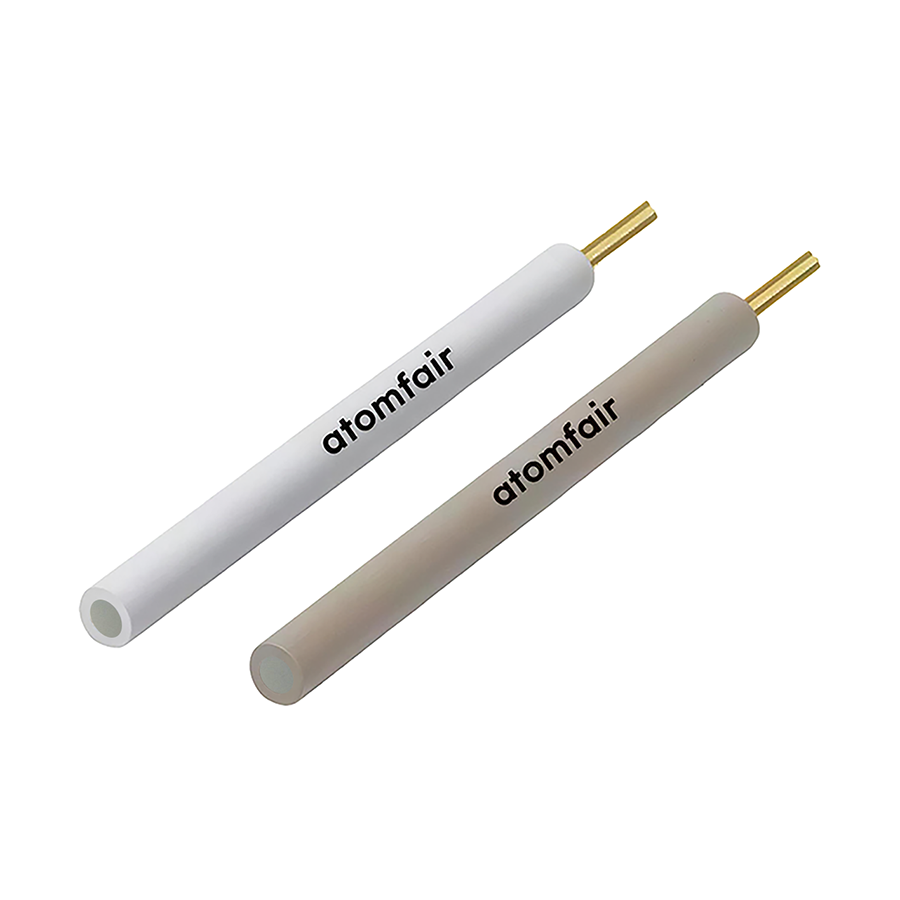
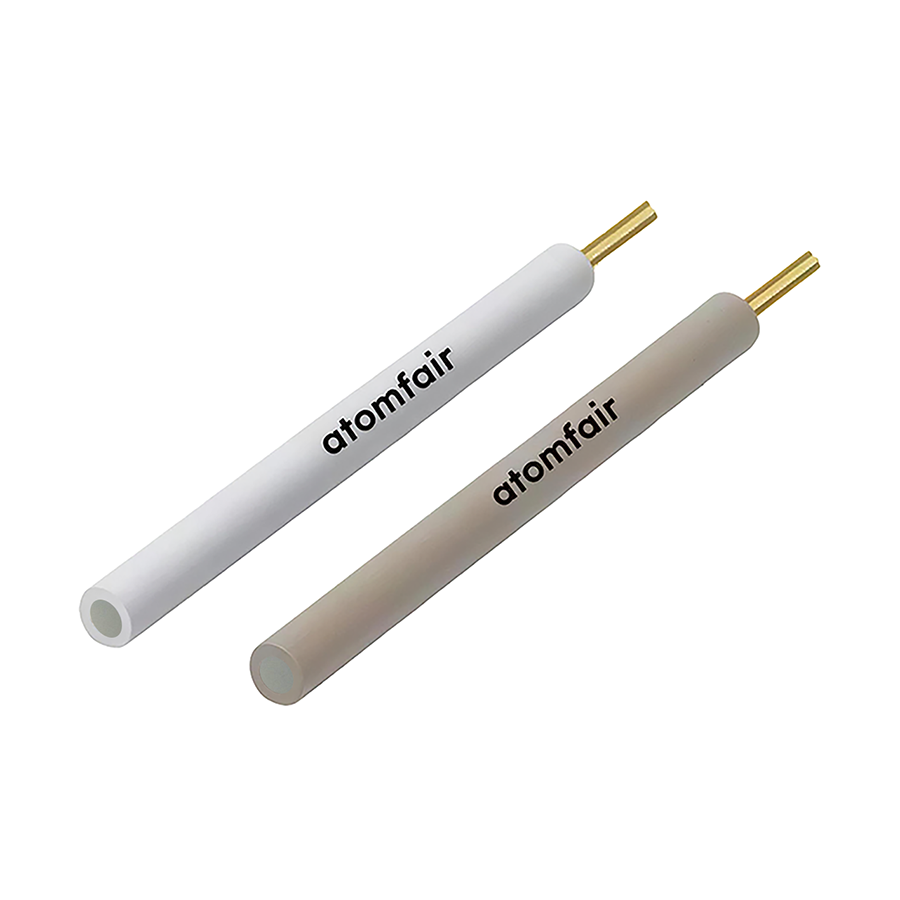
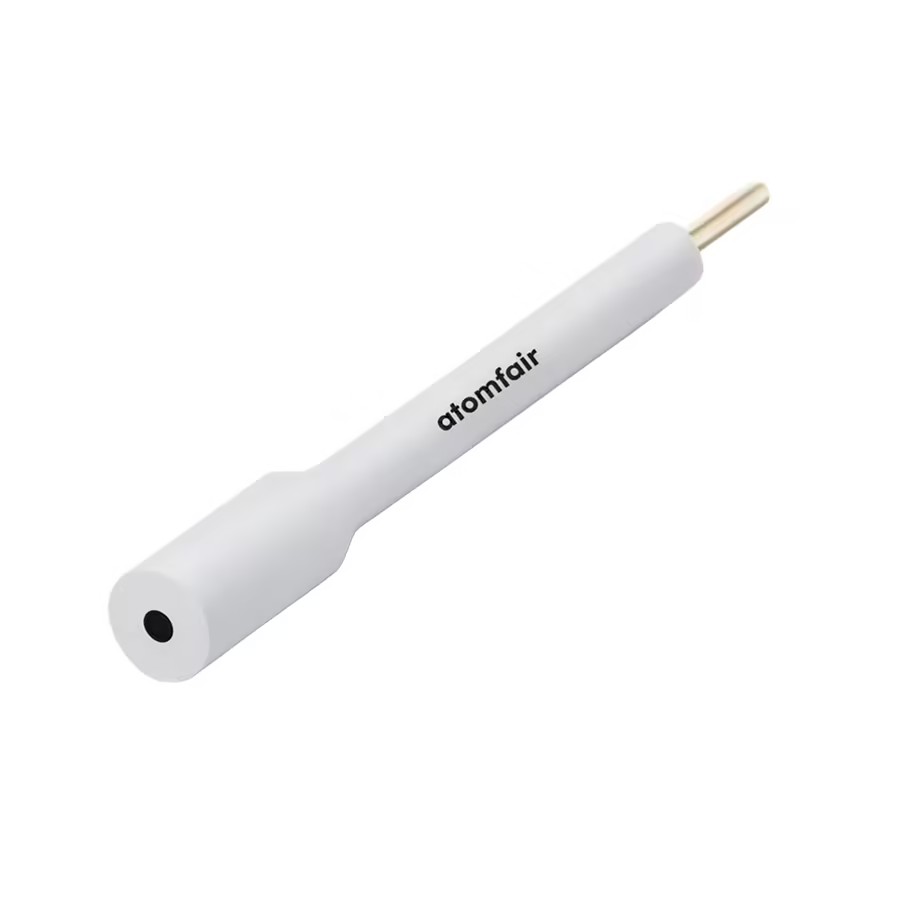
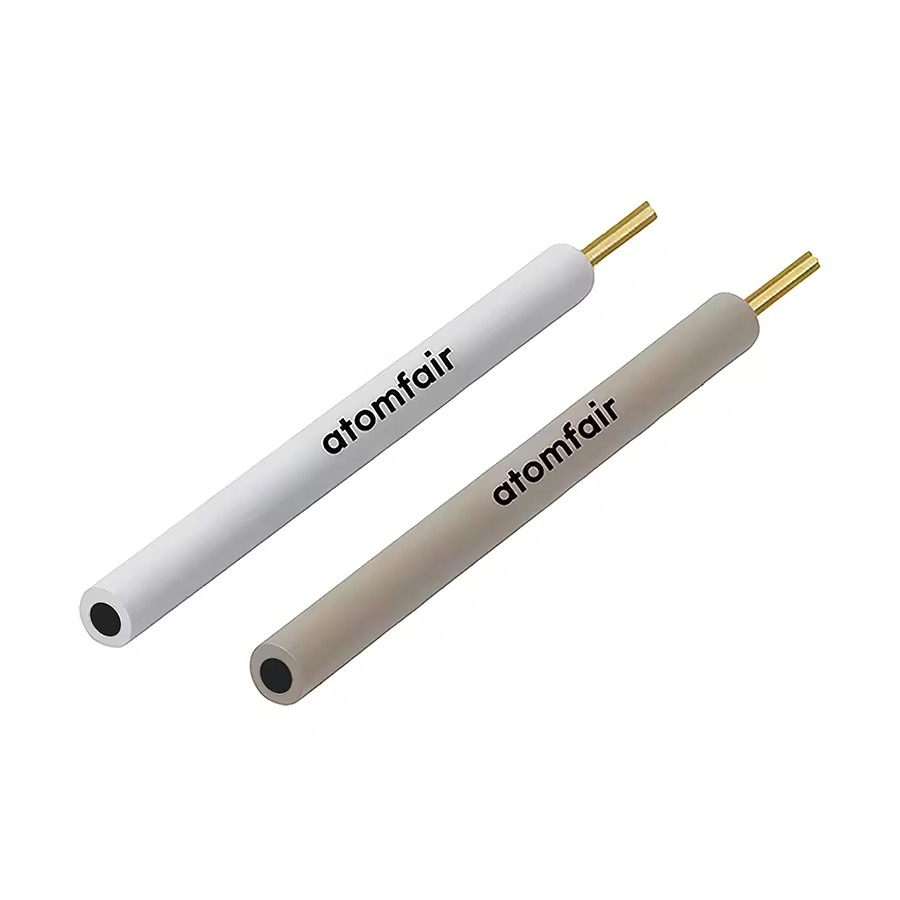
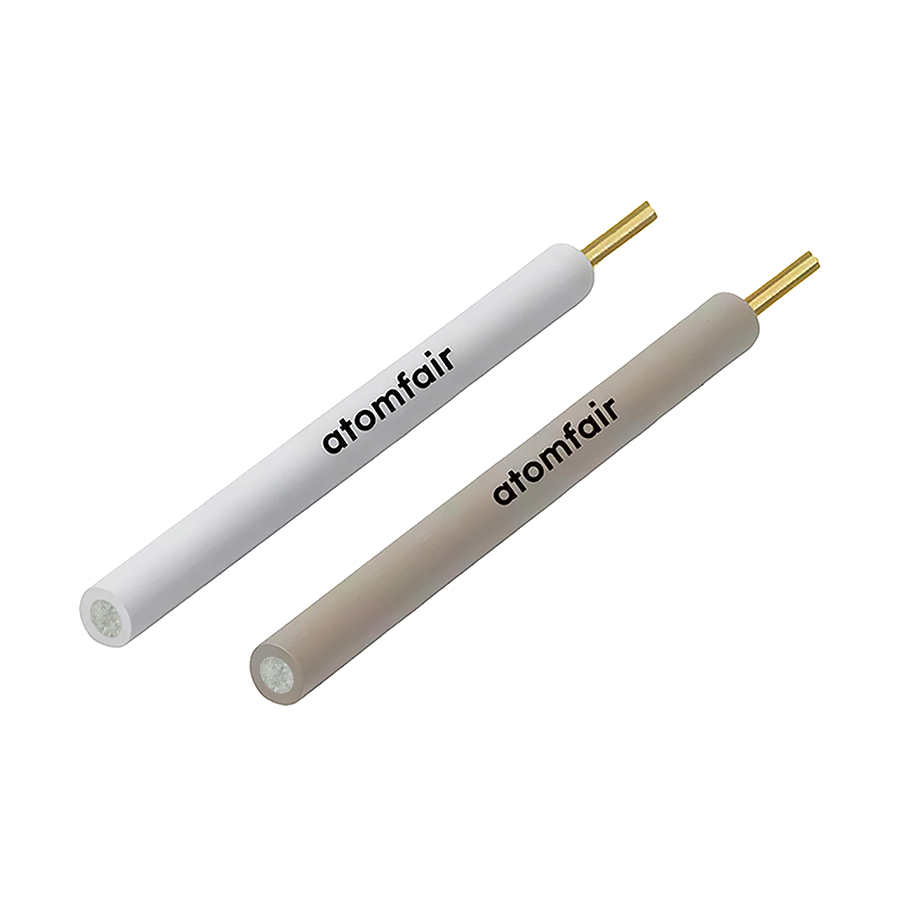
The isotropic carbon graphite working electrode is highly sensitive to surface contamination, requiring anhydrous inert environment handling to prevent phase contamination or degradation before electrochemical validation. The electrode head thickness is less than 4mm, enabling direct integration with SEM and AFM systems without sample transfer.
- Surface Sensitivity: Always handle the electrode in an anhydrous inert environment or keep containers sealed to prevent surface contamination that compromises electrochemical performance.
- Corrosion Protection: The gold-plated copper rod provides enhanced oxidation resistance and stable conductivity, but avoid prolonged exposure to corrosive electrolyte vapors.
- Mechanical Constraint: The thin electrode head (<4mm) permits direct SEM or AFM mounting but requires careful handling to avoid physical damage to the carbon disk or electrical contacts.
Proper preparation ensures reproducible electrochemical performance and prevents surface contamination. Steps progress from cleaning through assembly to experimental deployment.
Required Equipment: Anhydrous inert glovebox or gas line (argon/nitrogen), Polishing pad and micro-polishing alumina suspension (0.05–0.3 µm)
- Polish the carbon disk surface
Polish the isotropic carbon disk with 0.05–0.3 µm alumina slurry on a polishing pad until a mirror-like finish is achieved, then rinse with ultrapure deionized water. - Dry the electrode in inert atmosphere
Dry the polished electrode under a stream of high-purity argon or nitrogen inside a glovebox to remove residual moisture and prevent surface oxidation. - Assemble the modular electrode head
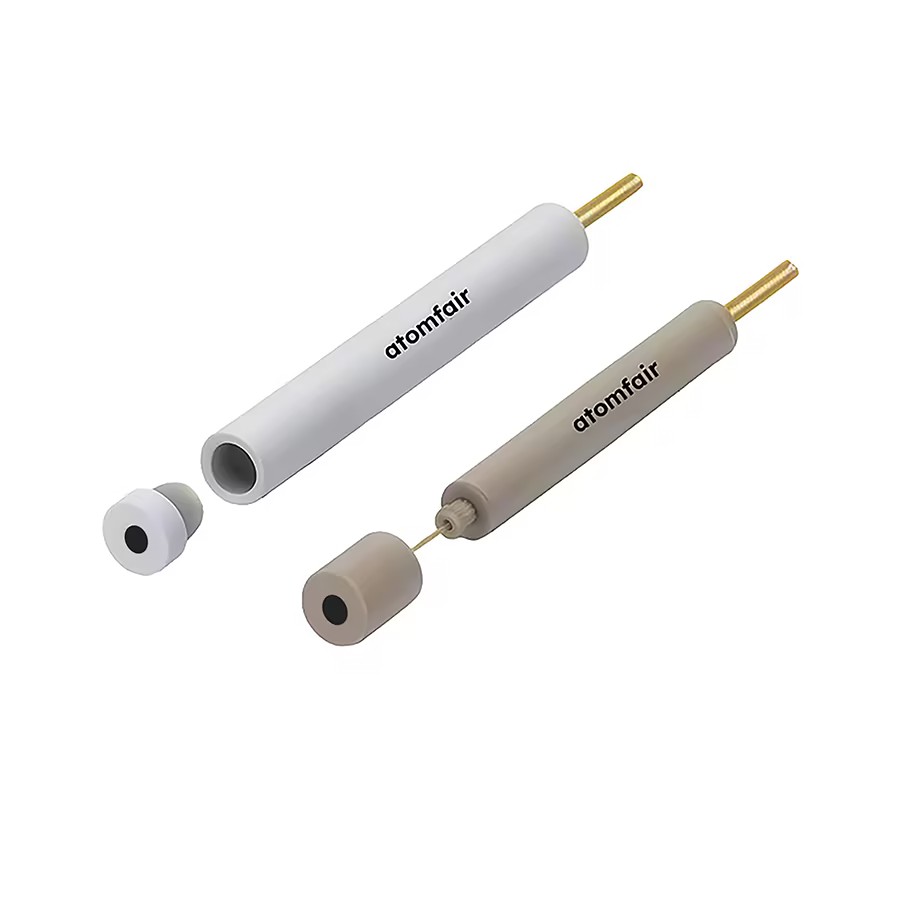
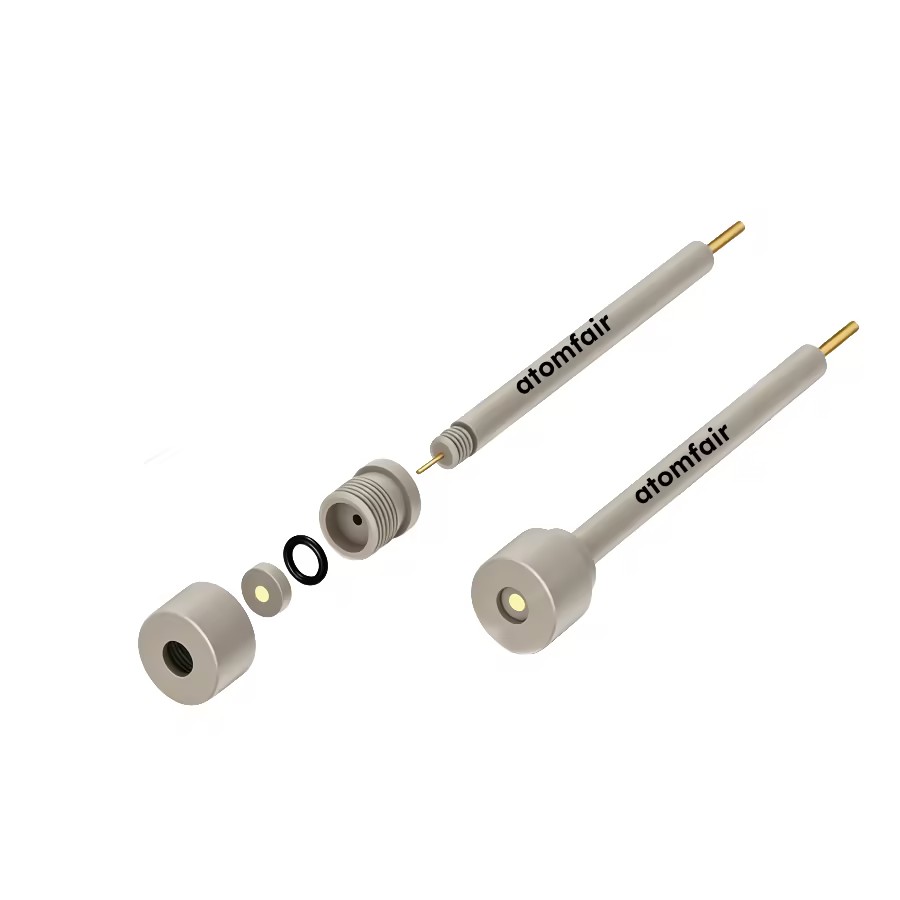
Screw the cleaned carbon disk head securely onto the gold-plated copper rod, ensuring electrical continuity and a leak-free seal. - Connect to potentiostat and verify circuit
Connect the assembled electrode to the potentiostat working electrode lead and measure open-circuit potential in blank electrolyte to confirm stable contact below 1 mV drift. - Perform electrochemical measurement
Immerse the electrode in the analyte solution and execute cyclic voltammetry or chronoamperometry at the desired sweep rate and potential window. - Disassemble and store electrode
Disassemble the electrode after use, rinse with anhydrous organic solvent, and store in a sealed container under inert gas to prevent contamination before the next experiment.
How does the isotropic carbon graphite electrode's head thickness below 4mm affect its electrochemical performance and compatibility with in situ microscopy?
The electrode head thickness of less than 4mm allows it to function as a standard working electrode for conventional electrochemical measurements while also enabling direct integration with scanning electron microscopy (SEM) or atomic force microscopy (AFM) systems. This dual-purpose design bridges bulk electrochemistry and high-resolution surface characterization, permitting researchers to correlate electrochemical performance with structural and topographical features on the identical electrode surface without sample transfer. The isotropic carbon graphite material further provides homogeneous properties in all directions, low porosity, and consistent electrochemical performance across this thin profile.
What are the compatibility constraints for using this carbon graphite working electrode with AFM or SEM systems?
The electrode is designed for seamless integration with SEM and AFM systems, but the product is highly sensitive to surface contamination. To maintain compatibility and prevent phase contamination or degradation before electrochemical validation, the electrode must be handled exclusively within an anhydrous inert environment or kept in its sealed protective container. The gold-plated copper rod (1.5x15mm) provides corrosion protection and stable conductivity, which is critical for maintaining signal integrity during simultaneous electrochemical and microscopic measurements.
What handling and storage infrastructure is required to prevent surface contamination of this isotropic carbon graphite working electrode?
The product is highly sensitive to surface contamination, so it must be kept in its secure individual research-grade protective container with shock-absorption parameters or handled exclusively within an anhydrous inert environment to prevent phase contamination or degradation before electrochemical validation. The isotropic carbon graphite disk has low porosity but requires careful storage to maintain its wide potential window and low background current characteristics. No specific temperature or humidity ranges are stated in the source, but the anhydrous inert environment requirement implies glovebox or sealed gas-purged handling is necessary.
This isotropic carbon graphite working electrode enables direct correlation of electrochemical data with SEM/AFM surface characterization from the same electrode location, leveraging isotropic carbon's wide potential window and low background current. However, its high sensitivity to surface contamination necessitates handling in anhydrous inert environments or sealed storage prior to use.
Positive
- Correlative Electrochemical-Microscopic Analysis: Enables direct structural and topographical correlation with electrochemical data from the identical electrode location without sample transfer.
- Isotropic Carbon Graphite Material: Provides wide potential window and low background current suitable for diverse redox systems and sensor applications.
Trade-offs
- Surface Contamination Sensitivity: Requires handling in anhydrous inert environment or sealed storage to prevent phase contamination or degradation before electrochemical validation.
Every advanced material, component, equipment, and instrument in our catalog is backed by rigorous testing. We maintain strict internal quality management frameworks and align with CE conformity metrics to deliver transparent, reproducible performance data via our public open-science repository.
To request raw batch performance data, submit formal vendor registration paperwork, or execute a fast-turnaround R&D manufacturing loop, contact us at inquiry@atomfair.com.
Item is dispatched under the Atomfair Shipping & Delivery Framework (Free worldwide shipping on orders over $59 USD excl. heavy equipment). Return is governed by the Atomfair Return & Refund Policy (7-day technical return window).